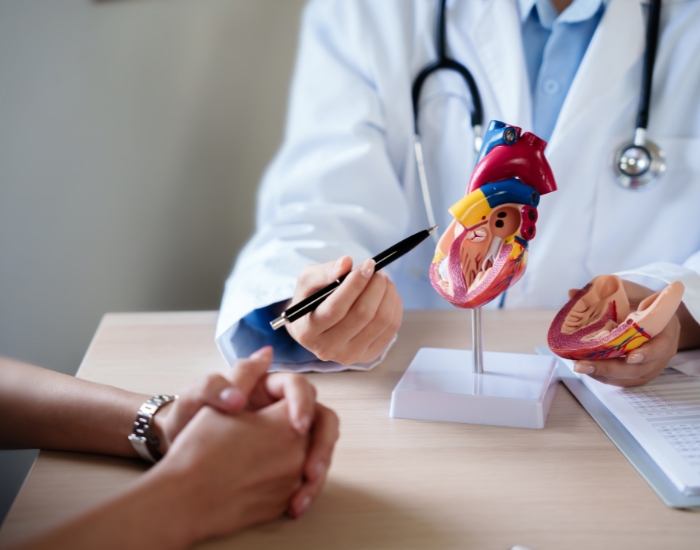
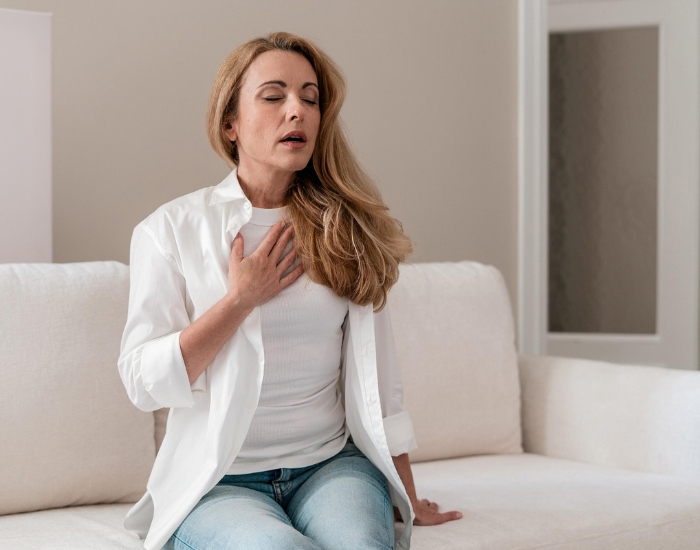
Yes—anxiety can absolutely cause chest pain, chest tightness, and heart palpitations. These symptoms happen because stress activates the body’s “fight or flight” response, releasing hormones like adrenaline that increase heart rate and muscle tension.
While anxiety-related chest discomfort is usually not dangerous, it can feel very similar to heart problems. That’s why it is important to understand the difference and know when medical evaluation is needed.
Notes:
In this blog, you will learn how anxiety causes chest pain and palpitations, how to recognize symptoms, how to differentiate them from heart disease, and when to see a cardiologist.
Table of Contents
- What Does Anxiety Chest Pain Feel Like?
- Why Anxiety Causes Chest Pain
- Anxiety and Heart Palpitations
- Panic Attacks vs Heart Problems
- Common Symptoms of Anxiety-Related Chest Pain
- When Chest Pain Is NOT Just Anxiety
- How Doctors Evaluate Symptoms
- Treatment Options
- How to Reduce Anxiety Symptoms
- FAQs
What Does Anxiety Chest Pain Feel Like?
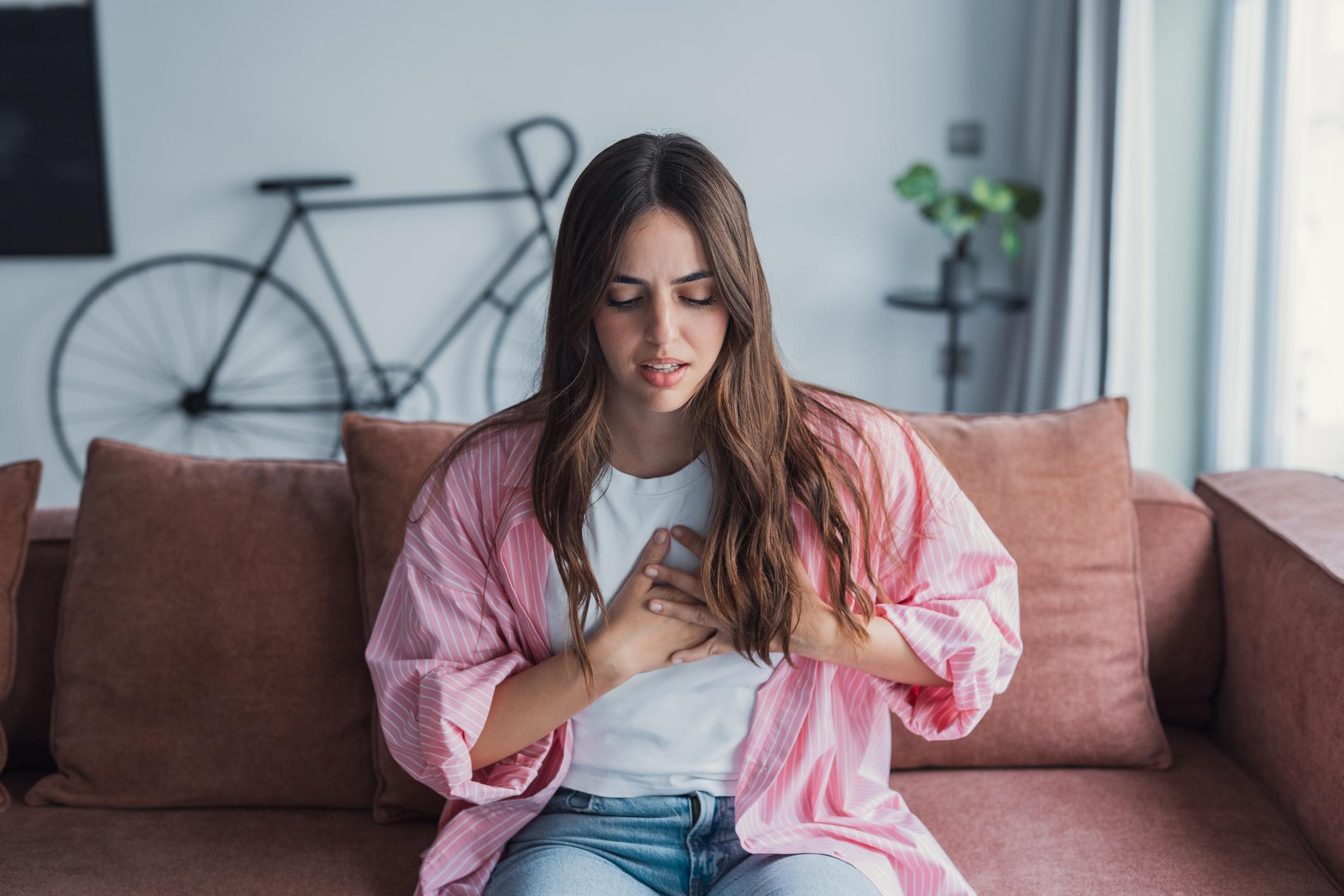
Anxiety-related chest pain can feel sharp, tight, or like pressure in the chest. Many people describe it as a squeezing sensation or a sudden tightness that comes and goes.
Unlike heart-related pain, anxiety chest discomfort often changes with breathing, posture, or emotional state.
Common descriptions include:
- Sharp or stabbing chest pain
- Tight band around the chest
- Burning or pressure sensation
- Muscle tightness in the chest wall
- Pain that worsens during stress
These symptoms may last a few minutes or continue during periods of high stress or worry.
Why Anxiety Causes Chest Pain
When you feel anxious, your body activates the sympathetic nervous system, commonly known as the “fight or flight” response.
This leads to physical changes such as:
- Increased heart rate
- Muscle tightening
- Faster breathing
- Rising blood pressure
- Increased adrenaline release
These changes can create chest tightness and discomfort even though there is no heart damage.

Can Anxiety Cause Heart Palpitations?
Yes. Anxiety is one of the most common causes of heart palpitations. During anxiety episodes, the heart may feel like it is racing, pounding, or skipping beats.
These palpitations occur due to adrenaline stimulation and increased awareness of heartbeat.
Common palpitations symptoms include:
- Racing heartbeat
- Fluttering sensation in chest
- Skipped or extra beats
- Heartbeat awareness at rest
- Strong pounding in chest or throat
If palpitations happen frequently or without stress triggers, it is important to get evaluated by a specialist such as a
heart palpitations doctor in Sugar Land and Katy.
Panic Attacks vs Heart Problems
Panic attacks and heart conditions can feel very similar, which often causes confusion and fear.
| Symptom | Anxiety/Panic Attack | Heart Condition |
|---|---|---|
| Chest Pain | Sharp or tight, changes with stress | Pressure, heaviness, may radiate |
| Heart Rate | Suddenly fast, then improves | Persistently irregular or fast |
| Duration | Minutes to an hour | May persist or worsen |
| Triggers | Stress, fear, anxiety | Activity, blockage, disease |
Common Symptoms of Anxiety-Related Chest Pain
Anxiety can affect the entire body, not just the chest.
- Chest tightness
- Rapid heartbeat
- Shortness of breath
- Dizziness
- Sweating
- Trembling
- Numbness or tingling
- Feeling of doom or fear
These symptoms often peak quickly and gradually improve once stress levels decrease.
When Chest Pain Is NOT Just Anxiety
Even if anxiety is present, chest pain should never be assumed harmless without evaluation.
Seek urgent care if you experience:
- Chest pressure lasting more than a few minutes
- Pain spreading to arm, jaw, or back
- Severe shortness of breath
- Fainting or near-fainting
- Cold sweating
- Irregular heartbeat that does not improve
These may indicate a heart attack or other serious cardiac condition.
If chest pain persists, consider evaluation through
chest pain treatment in Katy and Sugar Land.
How Doctors Evaluate Anxiety vs Heart Problems
Doctors often perform tests to rule out heart disease before diagnosing anxiety-related chest pain.
- Electrocardiogram (EKG)
- Stress testing
- Echocardiogram
- Blood tests
- Holter monitoring (if palpitations occur)
Once heart disease is ruled out, symptoms may be linked to anxiety or stress disorders.
Patients may be referred for
cardiology consultation for complete evaluation.
Treatment Options
For Anxiety-Related Symptoms
- Breathing exercises
- Cognitive behavioral therapy (CBT)
- Stress management techniques
- Regular exercise
- Sleep improvement
For Heart-Related Causes
- Medications
- Lifestyle changes
- Cardiac procedures if needed
- Regular monitoring
If symptoms are frequent or unclear, visiting a
walk-in cardiology clinic can provide quick diagnosis and peace of mind.
How to Reduce Anxiety-Related Chest Pain
Lifestyle changes can significantly reduce symptoms.
- Avoid caffeine and stimulants
- Practice deep breathing
- Exercise regularly
- Maintain a routine sleep schedule
- Limit stress triggers
- Stay hydrated
Managing stress effectively can reduce both chest pain and palpitations.
Frequently Asked Questions
Can anxiety cause chest pain every day?
Yes, chronic anxiety can cause recurring chest discomfort and palpitations.
How do I know if chest pain is anxiety or heart related?
Medical testing is required to confirm. Heart-related pain is more often pressure-like and may radiate.
Can anxiety cause irregular heartbeat?
Yes, stress hormones can temporarily affect heart rhythm.
Should I go to the ER for anxiety chest pain?
Yes, if symptoms are severe, new, or accompanied by shortness of breath, dizziness, or radiating pain.
Schedule Your Cardiology Evaluation
Schedule a Cardiology Consultation Today
Advanced Cardiology provides expert evaluation for chest pain, palpitations, and anxiety-related heart symptoms.
- Experienced cardiology specialists
- Advanced diagnostic testing
- Personalized treatment plans
- Walk-in and scheduled visits
- Convenient Houston-area care
Contact Advanced Cardiology today to ensure your heart health and get accurate diagnosis.
Final Thoughts
Anxiety can cause real and sometimes intense chest pain and palpitations. While these symptoms are often harmless, they can closely mimic serious heart conditions.
That is why proper evaluation is essential—especially if symptoms are new, severe, or recurring.
Disclaimer
This content is for educational purposes only and should not replace professional medical advice. Seek emergency care if symptoms are severe or life-threatening.