
Heart Health Blog
Articles from Advanced Cardiology on chest pain, palpitations, blood pressure, heart failure and when to see a cardiologist. These articles are general education, not a diagnosis. For chest pain, fainting or severe shortness of breath, call 911.
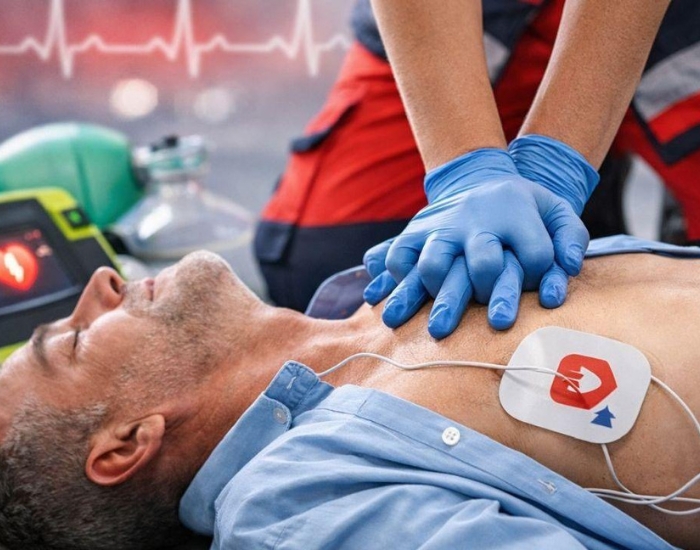
How to Perform CPR: A Step-by-Step Guide to Cardiopulmonary Resuscitation
Cardiopulmonary resuscitation (CPR) is one of the most important emergency lifesaving skills anyone can learn. Whether someone suddenly collapses at home, at work, or in a public place, performing CPR immediately can help keep oxygen-rich blood flowing to the brain...
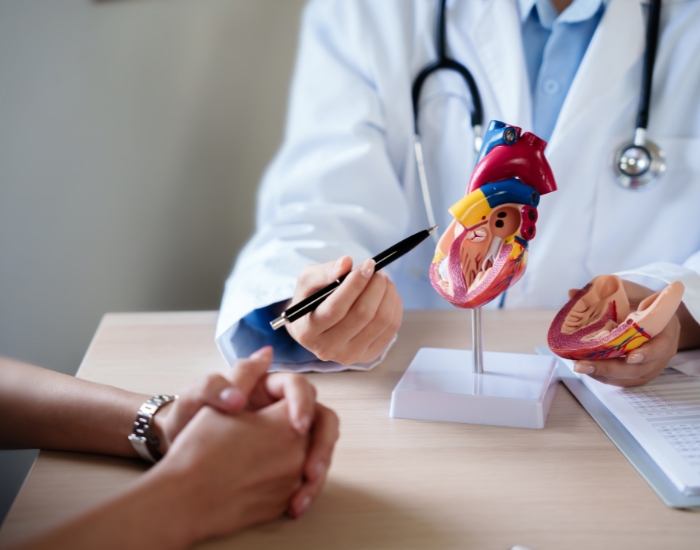
Cardiac Failure vs. Heart Failure: Understanding the Difference, Symptoms, Causes, and Treatment
Hearing the terms "cardiac failure" and "heart failure" can be alarming, especially if you or someone you love has recently been diagnosed with a heart condition. Many people wonder whether these terms describe different diseases or simply different ways of referring...

Reasons for Shortness of Breath: Heart-Related Causes, Symptoms, and When to See a Cardiologist
Feeling short of breath can be frightening, especially when it happens unexpectedly or becomes more frequent. While breathlessness may result from something as simple as physical exertion or anxiety, it can also be an early warning sign of heart disease or another...
When Should You See a Cardiologist?
You should see a cardiologist when you experience symptoms like chest pain, shortness of breath, dizziness, palpitations, or fatigue that may indicate an underlying heart condition. A cardiologist is a heart specialist trained to diagnose and treat conditions...
What Doctor Should You See for Chest Pain?
If you are experiencing chest pain, the best doctor to see is a cardiologist, especially if the pain is persistent, recurring, or associated with symptoms like shortness of breath, dizziness, or sweating. However, not all chest pain is heart-related, and the right...
Why Am I Short of Breath Walking Upstairs?
Shortness of breath while walking upstairs is usually caused by reduced fitness, heart strain, lung conditions, or blood pressure issues. While mild breathlessness during exertion can be normal, frequent or worsening symptoms may indicate an underlying heart or lung...