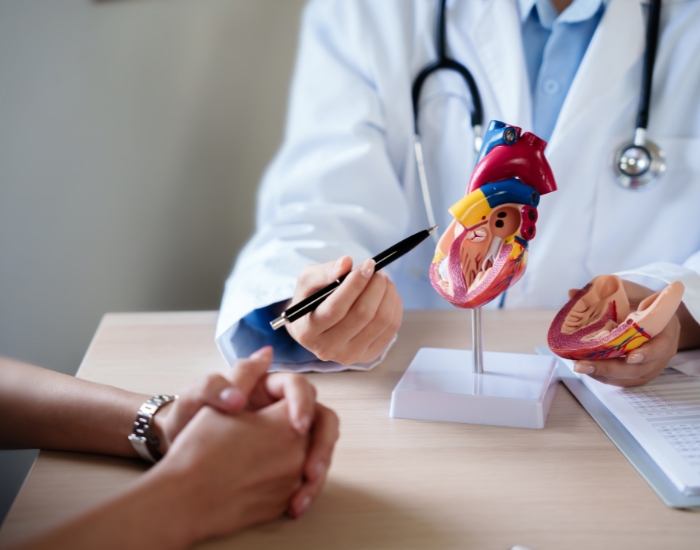
Chest tightness and shortness of breath can feel frightening, overwhelming, and physically exhausting, especially when symptoms appear suddenly or become severe. Some individuals describe symptoms as pressure in the chest, squeezing sensations, heaviness, inability to take a deep breath, or a feeling that something is restricting airflow. Others experience chest discomfort together with dizziness, fatigue, rapid heartbeat, sweating, or anxiety-like symptoms.
Because breathing and circulation are essential for survival, symptoms involving chest pressure and breathing difficulty should never be ignored. While some causes may be relatively mild, such as temporary anxiety or acid reflux, others may indicate serious heart or lung conditions requiring immediate medical evaluation.
Many people search online for terms such as “tightness in chest and difficulty breathing,” “why do I feel tightness in my chest,” “chest pressure and shortness of breath,” or “sudden shortness of breath causes” because they want to understand whether symptoms may be dangerous. In some situations, these symptoms may indicate coronary artery disease, heart failure, asthma, pulmonary embolism, arrhythmias, or even an active heart attack.
Table of Contents
- What Causes Chest Tightness and Shortness of Breath?
- Tightness in Chest and Difficulty Breathing
- Chest Pressure and Shortness of Breath
- Heart-Related Causes of Breathing Problems
- Lung Conditions That Cause Chest Tightness
- Anxiety and Stress-Related Chest Tightness
- Sudden Shortness of Breath Causes
- Warning Signs You Should Never Ignore
- How Cardiologists Diagnose Chest Tightness
- Treatment Options for Chest Tightness and Breathing Difficulty
- Lifestyle Changes for Better Heart and Lung Health
- When Should You Go to the ER?
- Preventing Serious Cardiovascular Problems
- Why Early Evaluation Matters
- Frequently Asked Questions
- Advanced Cardiology in Katy, Sugar Land, and Houston
- Final Discussion
- Disclaimer
What Causes Chest Tightness and Shortness of Breath?
Chest tightness and shortness of breath may occur when the heart, lungs, blood vessels, muscles, or airways are unable to function normally. Symptoms may appear suddenly or gradually and can range from mild discomfort to severe respiratory distress.
Some people experience symptoms only during physical activity, while others develop breathing difficulty at rest, while lying down, or during emotional stress. Symptoms may last for seconds, minutes, hours, or become chronic over time depending on the underlying condition.
Chest discomfort and breathing difficulty may involve:
- Tightness in chest and difficulty breathing
- Chest pressure and shortness of breath
- Sharp chest pain while breathing
- Trouble breathing and chest tightness
- Fatigue with chest heaviness
- Difficulty taking deep breaths
- Rapid heartbeat
- Dizziness or weakness
- Sweating or nausea
- Wheezing or coughing
Understanding the possible causes helps determine when symptoms require urgent medical attention.
Important Note: Chest tightness with shortness of breath should always be medically evaluated if symptoms occur repeatedly, worsen over time, or are associated with dizziness, sweating, fainting, or left-sided chest pain.
Tightness in Chest and Difficulty Breathing
Many individuals describe symptoms as tightness in chest and difficulty breathing rather than pain. The sensation may feel like squeezing, heaviness, pressure, fullness, or restriction around the chest.
Some patients notice symptoms while exercising, climbing stairs, or walking short distances. Others experience symptoms while resting or sleeping. In severe situations, patients may feel unable to take a complete breath.
Chest tightness with breathing difficulty may result from:
- Coronary artery disease
- Anxiety or panic attacks
- Asthma
- Acid reflux
- Heart failure
- Pulmonary hypertension
- Lung infections
- Arrhythmias
- Blood clots in the lungs
- Chronic obstructive pulmonary disease (COPD)
Symptoms may become more severe when the heart or lungs cannot provide adequate oxygen circulation throughout the body.
Chest Pressure and Shortness of Breath
Chest pressure and shortness of breath are commonly associated with cardiovascular disease. Patients often describe the feeling as heaviness, squeezing, pressure, or a weight sitting on the chest.
This symptom combination becomes particularly concerning when accompanied by:
- Left arm pain
- Jaw pain
- Sweating
- Nausea
- Dizziness
- Rapid heartbeat
- Fatigue
- Weakness
Chest pressure may worsen during physical activity because the heart requires increased oxygen supply during exertion. If blood flow through coronary arteries is reduced, symptoms may appear or worsen during activity.
Individuals experiencing chest pressure and breathing difficulty should never ignore symptoms, particularly when symptoms become frequent or severe.
Heart-Related Causes of Breathing Problems
One of the most serious causes of chest tightness and shortness of breath involves cardiovascular disease. Reduced circulation, weakened heart function, blocked arteries, or abnormal heart rhythms may interfere with the body’s ability to deliver oxygen efficiently.
Coronary Artery Disease
Coronary artery disease occurs when cholesterol plaque narrows the arteries supplying blood to the heart. Reduced blood flow may create chest pressure, fatigue, and shortness of breath.
Symptoms may include:
- Chest tightness with activity
- Breathing difficulty while walking
- Fatigue during routine tasks
- Pressure sensation in chest
- Left-sided chest discomfort
- Shortness of breath after climbing stairs
Heart Failure
Heart failure develops when the heart cannot pump blood effectively throughout the body. Fluid may begin accumulating in the lungs, leading to breathing difficulty.
Heart failure symptoms may include:
- Difficulty breathing while lying down
- Swelling in legs or feet
- Fatigue
- Persistent cough
- Chest heaviness
- Rapid weight gain from fluid retention
Arrhythmias
Abnormal heart rhythms may reduce effective blood circulation and oxygen delivery, causing dizziness, chest tightness, and breathing problems.
Heart Attack
A heart attack occurs when blood flow to part of the heart becomes blocked. Shortness of breath and chest pressure are among the most common warning signs.
Short Medical Note: Chest pressure and shortness of breath accompanied by sweating, dizziness, nausea, or pain spreading toward the arm or jaw should always be treated as a medical emergency until proven otherwise.
Lung Conditions That Cause Chest Tightness
The lungs and airways also play a major role in breathing-related symptoms.
Asthma
Asthma causes airway narrowing and inflammation that may create wheezing, chest tightness, and breathing difficulty.
Pulmonary Embolism
A pulmonary embolism occurs when a blood clot blocks circulation in the lungs. This condition may become life-threatening quickly.
Symptoms may include:
- Sudden shortness of breath
- Sharp chest pain
- Rapid heartbeat
- Dizziness
- Coughing blood
Pneumonia
Lung infections may produce breathing difficulty, fever, chest pain, fatigue, and coughing.
COPD
Chronic obstructive pulmonary disease gradually damages airflow and commonly affects smokers or former smokers.
Anxiety and Stress-Related Chest Tightness
Stress and anxiety may significantly affect breathing patterns and chest muscle tension. During panic attacks, many individuals feel unable to breathe properly, leading to fear and worsening symptoms.
Anxiety-related chest tightness may involve:
- Rapid breathing
- Racing heartbeat
- Sweating
- Tingling sensations
- Feeling of panic
- Chest pressure
- Dizziness
Although anxiety can produce severe symptoms, medical evaluation remains important because anxiety symptoms sometimes resemble heart-related conditions.
Sudden Shortness of Breath Causes
Sudden shortness of breath causes should never be ignored because rapid breathing difficulty may indicate life-threatening conditions.
Possible emergency causes include:
- Heart attack
- Pulmonary embolism
- Severe asthma attack
- Collapsed lung
- Heart failure
- Severe allergic reaction
- Dangerous arrhythmias
Patients experiencing sudden breathing difficulty should seek emergency medical attention immediately.
Warning Signs You Should Never Ignore
Certain symptoms strongly suggest the need for urgent medical evaluation.
Seek Immediate Medical Care If You Experience:
- Severe chest pressure
- Sudden inability to breathe
- Blue lips or fingertips
- Fainting
- Severe dizziness
- Chest pain spreading to arm or jaw
- Sweating with chest pressure
- Rapid heartbeat with weakness
- Difficulty breathing while resting
- Severe fatigue with breathing problems
Ignoring these symptoms may delay treatment for serious cardiovascular or pulmonary conditions.
How Cardiologists Diagnose Chest Tightness
Cardiologists use advanced testing to determine whether symptoms are heart-related.
Common Diagnostic Tests
Electrocardiogram (EKG)
Evaluates the heart’s electrical activity.
Echocardiogram
Uses ultrasound technology to evaluate heart structure and pumping function.
Stress Testing
Measures how the heart responds during exercise.
Holter Monitoring
Records heart rhythm abnormalities over extended periods.
Chest Imaging
May help identify lung disease or heart enlargement.
Cardiac Catheterization
Used when blocked coronary arteries are suspected.
Blood Tests
Can identify heart damage, inflammation, or infection.
Accurate diagnosis is essential because symptoms involving breathing difficulty may arise from several organ systems simultaneously.
Treatment Options for Chest Tightness and Breathing Difficulty
Treatment depends entirely on identifying the underlying cause of symptoms.
Heart-Related Treatments
- Blood pressure management
- Cholesterol reduction
- Heart medications
- Cardiac rehabilitation
- Coronary angioplasty or stenting
- Arrhythmia treatment
- Lifestyle modification
Lung-Related Treatments
- Inhalers
- Oxygen therapy
- Antibiotics for infections
- Pulmonary rehabilitation
- Smoking cessation programs
Anxiety Management
- Stress reduction
- Counseling
- Relaxation exercises
- Sleep improvement
- Breathing techniques
Early treatment may significantly reduce long-term cardiovascular complications.
Lifestyle Changes for Better Heart and Lung Health
Lifestyle improvements play a major role in improving circulation, breathing efficiency, and overall cardiovascular health.
Helpful Lifestyle Habits Include:
- Regular exercise
- Healthy body weight
- Balanced diet
- Reduced sodium intake
- Smoking cessation
- Stress management
- Blood pressure monitoring
- Cholesterol control
- Staying hydrated
- Routine medical checkups
Preventive care helps identify heart disease before severe symptoms develop.
When Should You Go to the ER?
Many patients wonder whether chest tightness and breathing difficulty require emergency care.
Go to the ER Immediately If You Experience:
- Sudden severe chest pain
- Severe shortness of breath
- Fainting
- Blue skin or lips
- Sweating with chest pressure
- Weakness on one side of body
- Rapid worsening symptoms
- Chest pain during activity
- Inability to speak full sentences while breathing
Emergency physicians can rapidly determine whether symptoms involve heart attacks, blood clots, severe lung disease, or other emergencies.
Preventing Serious Cardiovascular Problems
Preventive care remains one of the most effective ways to protect heart and lung health.
Preventive Strategies Include:
- Routine cardiology evaluations
- Blood pressure monitoring
- Diabetes management
- Heart-healthy nutrition
- Weight control
- Smoking cessation
- Stress reduction
- Regular exercise
- Sleep improvement
- Cholesterol screening
Individuals with family history of cardiovascular disease should remain especially proactive about preventive care.
Why Early Evaluation Matters
Many patients ignore mild chest tightness or breathing problems for months or years before seeking care. Unfortunately, untreated cardiovascular disease may continue progressing silently over time.
Early diagnosis may help identify:
- Coronary artery disease
- Heart failure
- Arrhythmias
- Pulmonary hypertension
- Structural heart abnormalities
- Vascular disease
Timely treatment may significantly reduce risks of heart attack, stroke, heart failure, and long-term complications.
Frequently Asked Questions
What causes chest tightness and shortness of breath?
Chest tightness and shortness of breath causes may include heart disease, asthma, anxiety, acid reflux, lung infections, heart failure, or blocked arteries.
Can anxiety cause chest tightness and breathing problems?
Yes. Anxiety and panic attacks may cause chest pressure, rapid breathing, racing heartbeat, and feelings of difficulty breathing.
Is chest pressure and shortness of breath serious?
It can be. Chest pressure and shortness of breath may indicate serious heart or lung conditions requiring urgent evaluation.
Why do I feel tightness in my chest?
Chest tightness may occur due to stress, acid reflux, asthma, coronary artery disease, lung disease, or poor circulation.
When should I see a cardiologist for chest tightness?
You should seek cardiology evaluation if symptoms recur frequently, worsen over time, occur with activity, or are associated with dizziness, sweating, fatigue, or rapid heartbeat.
Can heart disease cause breathing difficulty?
Yes. Coronary artery disease, heart failure, arrhythmias, and heart attacks may all cause breathing problems.
Is sudden shortness of breath dangerous?
Sudden shortness of breath causes should always be evaluated immediately because symptoms may indicate blood clots, heart attack, or severe lung disease.
Advanced Cardiology in Katy, Sugar Land, and Houston
At Advanced Cardiology, patients receive personalized cardiovascular care focused on identifying the true cause of chest tightness, shortness of breath, chest pressure, palpitations, dizziness, and heart-related symptoms. Serving Katy, Sugar Land, Houston, and surrounding communities, the clinic provides comprehensive heart evaluations using advanced diagnostic testing, echocardiography, stress testing, rhythm monitoring, preventive cardiology, and interventional cardiology services. Dr. Adnan Khalid and the Advanced Cardiology team are dedicated to helping patients improve long-term cardiovascular health while reducing future risks of heart attack, heart failure, stroke, arrhythmias, and vascular disease through compassionate, evidence-based care.
Final Discussion
Chest tightness and shortness of breath should never be ignored, especially when symptoms occur repeatedly, worsen with physical activity, or are associated with dizziness, sweating, fatigue, or chest pressure. While some individuals experience symptoms due to stress, anxiety, or digestive conditions, others may be dealing with serious cardiovascular or pulmonary disease requiring immediate medical attention. Understanding chest tightness and shortness of breath causes allows patients to recognize early warning signs and seek timely evaluation before complications become severe.
Heart disease often develops gradually over time and may initially appear as mild breathing difficulty, chest heaviness, or reduced exercise tolerance. Early cardiology evaluation, preventive care, healthy lifestyle habits, and proper treatment can significantly reduce the risk of heart attack, stroke, heart failure, and long-term complications. Patients experiencing persistent chest discomfort, chest pressure and shortness of breath, or unexplained breathing problems should consult a qualified cardiologist for comprehensive cardiovascular evaluation and personalized treatment recommendations.
Disclaimer
This article is intended for educational and informational purposes only and should not be considered medical advice, diagnosis, or treatment. Symptoms such as chest tightness, shortness of breath, chest pressure, breathing difficulty, dizziness, or chest pain may indicate serious medical conditions requiring urgent evaluation. Always consult a licensed physician or board-certified cardiologist regarding any medical concerns or symptoms.
If you experience severe chest pain, sudden breathing difficulty, fainting, sweating with chest pressure, or symptoms suggestive of a heart attack or pulmonary emergency, seek immediate emergency medical care by calling 911 or visiting the nearest emergency room.