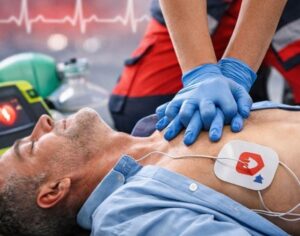
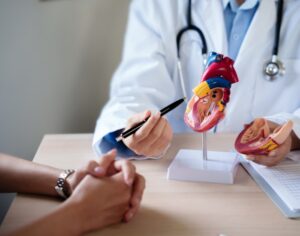
Chest pain after eating is most often caused by acid reflux, esophageal spasm, a hiatal hernia or gallbladder trouble. But a large meal also makes the heart work harder, so pressure-like chest pain after eating can be angina from narrowed heart arteries. Pain with sweating, breathlessness or spreading to the arm or jaw needs 911.

Medically reviewed by
Board-certified cardiologist · Katy & Sugar Land, TX
Fellowship-trained in cardiovascular disease, interventional cardiology, echocardiography and advanced heart failure and transplant cardiology. Former Assistant Professor of Cardiology at McGovern Medical School.
Why does my chest hurt after eating?
The esophagus, stomach and heart sit close together and share nerve pathways, so the brain cannot always tell where chest pain is coming from. That is why digestive pain and heart pain are so easily confused. The most common causes of chest pain after eating include:
| Possible cause | How it often feels | Helpful clues |
|---|---|---|
| Acid reflux (GERD) | Burning behind the breastbone that may rise toward the throat | Sour taste, worse lying down or bending over, eases with antacids |
| Esophageal spasm | Squeezing chest pain that can feel just like heart pain | Trouble swallowing, triggered by very hot or cold food or drinks |
| Hiatal hernia | Pressure or burning in the upper chest after large meals | Often occurs together with reflux |
| Gallbladder attack (gallstones) | Steady pain under the right ribs or upper middle abdomen that may spread to the back or shoulder | Often after fatty meals, can last hours, may cause nausea |
| Peptic ulcer | Gnawing or burning upper abdominal pain | May improve or worsen with food, can cause dark stools |
| Angina (heart) | Pressure, tightness or heaviness in the chest | After big meals, especially with walking or exertion; eases with rest |
| Anxiety or panic | Tight chest with fast heartbeat and fast breathing | Sudden surge of fear, tingling hands |
These clues help, but none of them is reliable enough to rule out the heart on your own.
Can chest pain after eating be a heart problem?
Yes. Digesting a meal sends extra blood to the stomach and intestines and raises the heart’s workload. In someone with narrowed coronary arteries, that extra demand can trigger angina, chest discomfort caused by reduced blood flow to the heart muscle. Doctors sometimes call this postprandial angina.
Heart-related pain after eating is more likely when:
- Discomfort comes after heavy meals and is worse if you walk or climb stairs afterward.
- It feels like pressure, squeezing or heaviness rather than burning.
- It comes with breathlessness, sweating, fatigue or nausea.
- You have high blood pressure, diabetes, high cholesterol, smoke, or have a family history of early heart disease.
- Antacids do not help.
Heart attacks can also happen after meals. If symptoms are new or severe, do not assume it is indigestion.
Heartburn or heart pain: how to tell the difference
Heartburn tends to burn, rise toward the throat and come with a sour taste. Heart pain tends to press, squeeze or spread to the arm, neck, jaw or back. But the overlap is large: reflux can cause pressure, and some heart attacks feel like indigestion, particularly in women and people with diabetes. Our article can acid reflux feel like chest pain? explains the overlap in more detail.
A practical rule used by many doctors: if you have never been checked for heart causes and the pain is new, get the heart checked first. Reflux can then be treated with confidence.
- Pressure, squeezing or heaviness lasting more than a few minutes
- Pain spreading to the arm, shoulder, jaw, neck or back
- Shortness of breath, cold sweat, lightheadedness or fainting
- Vomiting blood, black or tarry stools, or severe pain that will not ease
When in doubt, treat it as a possible heart attack and call 911.
Chest pain after eating on the left side
Left-sided chest pain after meals often comes from the stomach, which sits just below the left side of the diaphragm, or from trapped gas. Still, the heart sits slightly left of center, and left-sided pressure that spreads to the left arm, shoulder or jaw needs urgent evaluation. Learn more about pain under the left breast and when it may be cardiac.
How doctors find the cause
Because the heart is the most serious possibility, evaluation usually starts there:
- EKG and blood tests, including cholesterol and blood sugar.
- Stress testing or stress echocardiography if pain could be angina.
- Coronary imaging, such as a coronary calcium scan or CT angiography, for selected patients.
If the heart checks out, a primary care doctor or gastroenterologist may recommend a trial of acid-reducing medicine, an upper endoscopy, an abdominal ultrasound to look for gallstones, or tests of esophageal muscle function.
Relief and prevention tips
Once a heart cause has been excluded, these steps help many people with meal-related chest pain from reflux:
- Eat smaller meals and slow down.
- Avoid lying down for about three hours after eating, and raise the head of your bed if symptoms happen at night.
- Limit common triggers such as fatty or fried foods, large amounts of caffeine, alcohol, chocolate, mint and very spicy dishes.
- Stop smoking, which weakens the valve between the stomach and esophagus and damages arteries.
- Reach and keep a healthy weight; extra abdominal weight pushes acid upward.
These same habits support heart health. A heart-healthy diet rich in vegetables, whole grains and lean protein helps both your arteries and your digestion. If you rely on antacids more than twice a week, or pain keeps returning, see a doctor rather than treating it yourself.
Chest pain evaluation in Katy and Sugar Land
If you keep getting chest pain after meals and are not sure whether it is your heart or your stomach, Advanced Cardiology can help sort it out. Dr. Khalid reviews your symptoms and risk factors, EKG and echocardiogram testing are available in the office, and we coordinate with your primary care doctor or gastroenterologist when the cause is digestive. Learn more about our chest pain evaluation.
Katy office: 410 W Grand Pkwy S, Suite 4D, Katy, TX 77494
Sugar Land office: 7102 Tarrington Ave, Suite 505, Sugar Land, TX 77479
Phone: (713) 258-6111
We also see patients from Fulshear, Richmond, Rosenberg, Stafford, Missouri City and west Houston.
Is it reflux or your heart? Find out
Recurring chest pain after eating deserves a clear answer. Request a cardiology visit in Katy or Sugar Land.
Having symptoms right now? Call 911. Do not wait for an appointment.
Frequently asked questions
Why does my chest hurt after I eat?
The most common reason is acid reflux, but esophageal spasm, a hiatal hernia, gallstones and ulcers can also cause it. Less often, a large meal triggers angina in people with narrowed heart arteries. New or pressure-like pain should be checked by a doctor.
Can a heart problem cause chest pain after eating?
Yes. Digestion increases the heart’s workload, which can cause angina in people with coronary artery disease. Pain that feels like pressure, comes with breathlessness or sweating, or worsens with walking after meals is more concerning.
How do I know if chest pain after eating is heartburn or a heart attack?
You cannot be certain at home. Burning that rises to the throat with a sour taste suggests heartburn. Pressure, squeezing, pain spreading to the arm or jaw, sweating or breathlessness suggests the heart and needs 911.
Can gas cause chest pain after eating?
Trapped gas can cause sharp, shifting pain in the chest or upper abdomen that eases with burping or passing gas. Persistent or pressure-like pain should not be blamed on gas without an evaluation.
Is chest pain after eating on the left side dangerous?
It is often from the stomach or gas, but the heart sits slightly to the left, so left-sided pressure that spreads to the arm, jaw or back, or comes with other symptoms, needs urgent care.
When should I see a doctor for chest pain after eating?
See a doctor if pain happens more than occasionally, you need antacids more than twice a week, swallowing is painful or difficult, you lose weight without trying, or you have heart disease risk factors. Call 911 for severe or spreading pain.
Which doctor treats chest pain after eating?
Start with a primary care doctor or cardiologist to rule out heart causes, especially if you have risk factors. Digestive causes are then treated by primary care or a gastroenterologist.
Trusted health resources
- Acid Reflux (GER and GERD) in Adults, National Institute of Diabetes and Digestive and Kidney Diseases (NIH)
- Stable angina, MedlinePlus Medical Encyclopedia
- Gallstones, MedlinePlus, U.S. National Library of Medicine
- Hiatal Hernia, MedlinePlus, U.S. National Library of Medicine
- Heart Attack: Symptoms, National Heart, Lung, and Blood Institute (NIH)
Medical disclaimer: This article is for general education and is not a diagnosis or a substitute for care from your own doctor. If you think you may be having a heart attack, stroke or another emergency, call 911 right away.