Cardiologist Serving Katy, Sugar Land, Greater Houston
Cardiologist Serving Katy, Sugar Land, Greater Houston
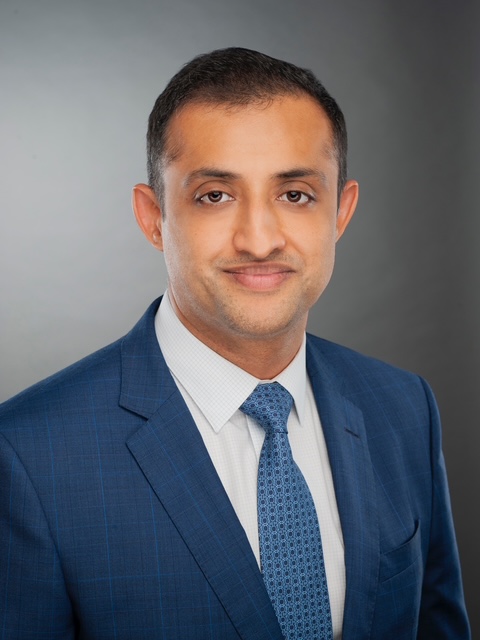
Adnan Khalid, MD – Interventional Cardiologist
Dr. Khalid reviews your symptoms, history and test results himself
Visits in Katy and Sugar Land
Catheter and device procedures at an affiliated hospital
Office follow-up on medicines and risk factors
Adnan Khalid, MD, is a fellowship-trained, board-certified cardiologist with more than 10 years of experience caring for patients with complex heart and vascular conditions. His work spans interventional cardiology, advanced heart failure, echocardiography and general cardiology, so patients can see one physician for prevention, diagnosis and long-term management.
Known for his compassionate, patient-centered approach, Dr. Khalid takes time to listen carefully, understand each patient’s concerns and build a treatment plan focused on long-term heart health and quality of life.
Dr. Khalid earned his medical degree at Nishtar Medical College and later completed residency and advanced fellowship training in:
He has also served as an Assistant Professor of Cardiology at McGovern Medical School, where he contributed to academic medicine, cardiovascular education and patient care.
Today, Dr. Khalid cares for patients from Katy, Sugar Land and across Greater Houston at Advanced Cardiology’s two offices, in Katy and in Sugar Land. The practice’s mission centers on preventive cardiology, early diagnosis, compassionate care and advanced cardiovascular treatment.
Dr. Khalid places strong emphasis on preventing cardiovascular disease before it leads to serious complications such as:
He has a special interest in atherosclerosis – the gradual buildup of cholesterol-rich plaque inside artery walls. Over time, plaque can narrow or block blood flow to the heart, brain, legs and other organs, often without symptoms until a problem develops.
He works closely with patients to identify and manage common cardiovascular risk factors, including:
A prevention plan may combine lifestyle guidance, medication when it is appropriate and regular follow-up to see how risk factors are responding. Learn more about our approach to preventive cardiology.
Heart failure management is one of Dr. Khalid’s main areas of focus, reflecting his training in advanced heart failure and transplant cardiology.
Heart failure does not mean the heart has stopped. It means the heart muscle has become weak or stiff and cannot pump or fill as well as the body needs. This may lead to symptoms such as:
Depending on the type and cause of heart failure, care may include:
Dr. Khalid believes many forms of heart failure can be prevented or slowed through early detection and good control of cardiovascular risk factors. Follow-up visits are used to review symptoms, adjust medications and check how the heart is responding to treatment. Read more about heart failure treatment.
Dr. Khalid is trained and experienced in minimally invasive, catheter-based procedures for blocked arteries and advanced heart conditions.
His interventional work includes:
Whenever appropriate, Dr. Khalid performs coronary angiograms through the right or left wrist artery. The access site is chosen for each patient based on anatomy and medical needs, and he will explain the options before the procedure.
These procedures are hospital-based. They are scheduled at an affiliated hospital, and our office will explain where your procedure will take place and how to prepare. Not every patient with chest discomfort needs catheterization; the decision depends on symptoms, examination and noninvasive test results. Learn more about cardiac catheterization and angiography.
Medical education: Nishtar Medical College (2002)
Residency and fellowship: Internal medicine residency and cardiology fellowship training at the University of Missouri–Kansas City School of Medicine, including advanced cardiology training at Mid America Heart Institute
Specialties: Interventional cardiology; advanced heart failure and transplant cardiology; cardiovascular disease
Hospital affiliations: Memorial Hermann Katy Hospital, Memorial Hermann Sugar Land Hospital and Memorial Hermann Southwest Hospital
Languages: English, Arabic, Hindi and Urdu
In addition to clinical care, Dr. Khalid has participated in cardiovascular research and has published peer-reviewed research papers in medical journals.
He continues to follow new research and updated guidelines in cardiovascular medicine and heart failure management so that recommendations reflect current evidence.
Dr. Khalid’s clinical interests reflect his three listed specialties:
Because the right decision depends on the full picture, he considers symptoms, test results, other health conditions and each patient’s preferences before recommending medication, a procedure or continued monitoring. Choosing between a stent and bypass surgery, for example, involves much more than the number of narrowed arteries.
Dr. Khalid believes medicine is built on trust, compassion, dignity and service.
He works closely with primary care physicians and other specialists so that each patient’s care is coordinated and everyone involved understands the plan.
At a first visit, Dr. Khalid reviews your symptoms, medical history, medications, family history and any prior test results, and performs a physical examination. An EKG may be done in the office when it is helpful. He then explains what may be causing your symptoms, which tests, if any, make sense and what each test can and cannot tell you.
Testing is chosen for the individual. An EKG, echocardiogram, heart rhythm monitor, stress test or imaging study each answers different questions, and no single test is right for everyone. Dr. Khalid reviews results with you in plain language, explains the options, including their benefits and limits, and revisits the plan at follow-up visits as your health changes.
Outside of medicine, Dr. Khalid enjoys reading, exercising, spending time outdoors, and creating meaningful memories with his wife Beenish and their three beautiful children.
Physician Quotes
“During my training my mentor advised me to treat my patients like my parents with respect and dignity, at Advanced Cardiology we have taken this advice to heart.”
“During my medical school and training, I realized, despite all the advances in the field of medicine, heart disease is still the number one killer in America and many preventable conditions due to delayed presentation resulted in great harm to patients. My goal is to provide outstanding timely care to my patients, if there is an issue let’s explore it rather than waiting on it.”
“At Advanced Cardiology we believe in service.”
Yes. Advanced Cardiology accepts new patients at both the Katy and Sugar Land offices. Some insurance plans require a referral from your primary care physician, so check your plan or ask our office.
Memorial Hermann lists Dr. Khalid as affiliated with Memorial Hermann Katy, Sugar Land and Southwest hospitals. If you need a hospital-based test or procedure, our office will tell you where it will take place.
English, Arabic, Hindi and Urdu.
Yes. Bring prior test results, imaging reports and a current medication list so he can review the full picture. Learn more about a cardiology second opinion.
Bring a photo ID, your insurance card, a list of all medications and supplements, any prior heart test results or hospital records, referral information if your plan requires it, and a short list of the symptoms and questions you want to discuss.
Ask our office whether a video visit is appropriate for your situation; the rules can depend on where you are located during the visit.
Dr. Khalid evaluates and treats:
Chest pain
Coronary artery disease
High blood pressure
Heart failure
Heart palpitations
Irregular heartbeat, including atrial fibrillation
Peripheral artery disease
Leg circulation problems
Shortness of breath
High cholesterol
Preventive cardiology
Vascular disease
Cardiac risk assessment
Echocardiography and cardiac imaging
Interventional cardiology procedures
Personalized Heart Care With Compassion and Excellence
At Advanced Cardiology, patients receive cardiovascular care focused on prevention, early diagnosis, appropriate treatment and long-term heart health. Dr. Khalid and his team are committed to compassionate, evidence-based and personalized care.
Office visits take place at two locations:
Office hours can differ by location, so please call to confirm office hours for each location. Procedures that require a hospital, such as cardiac catheterization or stent placement, are scheduled at an affiliated hospital, and our office will explain where.
Advanced Cardiology accepts new patients. Call (713) 258-6111 or use our secure appointment request form. You can complete registration forms ahead of time through the patient portal. Most major insurance plans are accepted, and coverage is verified individually. If you would like to know whether a video visit is appropriate for your concern, ask our office.
In an emergency, call 911. Call 911 for chest discomfort that lasts more than a few minutes or goes away and comes back; shortness of breath; discomfort in the arms, back, neck, jaw or stomach; a cold sweat, nausea or lightheadedness; or stroke warning signs such as face drooping, arm weakness or speech difficulty, even if the symptoms go away. Appointment requests and office messages are not for emergencies.
Sources: American Heart Association: Warning signs of a heart attack · American Stroke Association: Stroke symptoms · NHLBI: Heart failure · NHLBI: Cardiac catheterization
Katy & Sugar Land Cardiologist
Advanced Cardiology welcomes new patients at its offices in Katy and Sugar Land. Call our office or send an appointment request, and our staff will follow up.
Most major insurance plans accepted; coverage is verified individually.
For possible heart attack or stroke symptoms, call 911.
