Feeling short of breath can be frightening, especially when it happens unexpectedly or becomes more frequent. While breathlessness may result from something as simple as physical exertion or anxiety, it can also be an early warning sign of heart disease or another serious medical condition. Understanding what causes shortness of breath—and knowing when to seek medical attention—can make a significant difference in protecting your health.
Most people experience shortness of breath at some point in their lives. Climbing stairs, exercising, or walking uphill can naturally make you breathe harder. However, if breathing becomes difficult during everyday activities—or even while resting—it should never be ignored.
Many people assume breathlessness is always caused by lung problems. In reality, the heart and lungs work together to deliver oxygen throughout the body. When the heart cannot pump blood efficiently, oxygen delivery decreases, forcing the body to work harder with every breath. This is why persistent shortness of breath is often one of the earliest symptoms of cardiovascular disease.
Important Note
Shortness of breath is not a disease—it is a symptom. Sometimes it develops because of something temporary, such as intense exercise or a mild respiratory infection. In other cases, it may be the body’s first warning that the heart is under stress. Learning to recognize accompanying symptoms and seeking timely evaluation may help prevent serious complications such as heart failure, heart attacks, or dangerous heart rhythm disorders.
Table of Contents
Quick Answer
Shortness of breath occurs when you feel like you cannot get enough air or must work harder to breathe. It may be caused by heart disease, heart failure, coronary artery disease, irregular heart rhythms, asthma, lung disease, anemia, anxiety, infections, or other medical conditions. If breathlessness occurs suddenly, is severe, or is accompanied by chest pain, fainting, blue lips, or confusion, seek emergency medical care immediately.
What Is Shortness of Breath?
Shortness of breath, medically known as dyspnea, describes the uncomfortable sensation of not being able to breathe normally. Some people explain it as feeling unable to take a deep breath, while others describe chest tightness, air hunger, or becoming winded after minimal activity.
The experience varies from person to person. One individual may notice difficulty catching their breath while climbing stairs, whereas another may wake up in the middle of the night gasping for air. Because the symptom can present in many different ways, healthcare providers carefully evaluate the pattern, timing, severity, and associated symptoms before determining the underlying cause.
Acute shortness of breath develops suddenly and may require urgent medical evaluation. Chronic shortness of breath usually develops gradually over weeks or months and may indicate an ongoing medical condition affecting the heart, lungs, or both.
What Are the Most Common Reasons for Shortness of Breath?
Because breathing depends on multiple body systems working together, many different conditions can cause breathlessness. The lungs supply oxygen, the heart pumps oxygen-rich blood throughout the body, blood carries oxygen to tissues, and muscles use that oxygen to produce energy. A problem affecting any part of this process may leave you feeling short of breath.
Some causes are temporary and relatively harmless, while others require immediate medical attention. Determining whether the heart is involved is especially important because untreated cardiovascular disease can progress silently before causing more serious complications.
| Common Cause | How It Causes Shortness of Breath |
|---|---|
| Heart Failure | Reduced pumping ability causes fluid buildup in the lungs. |
| Coronary Artery Disease | Reduced blood flow prevents the heart from receiving enough oxygen. |
| Irregular Heartbeat | Abnormal rhythms reduce efficient blood circulation. |
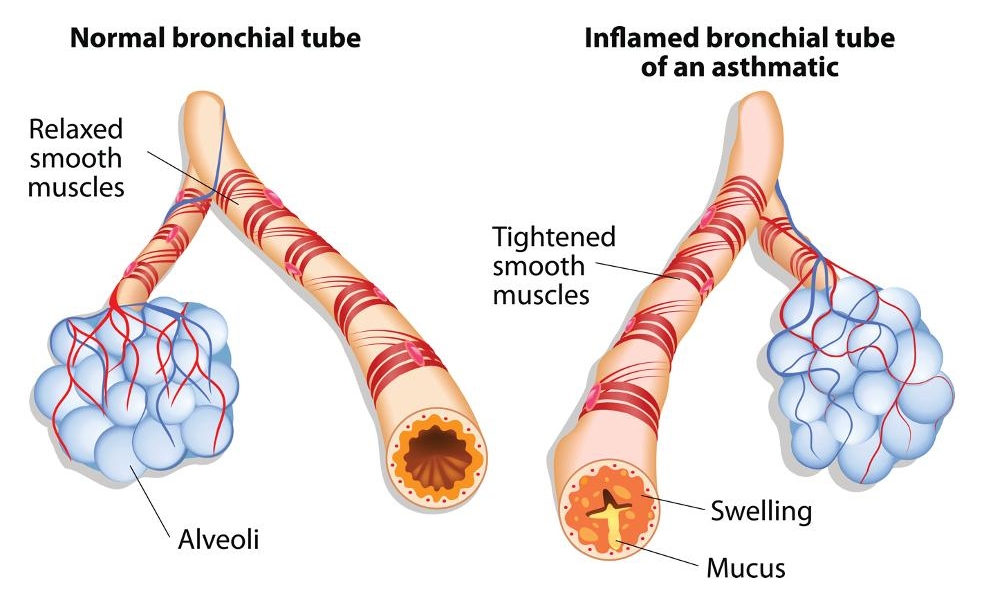
| Asthma | Inflamed airways narrow and restrict airflow. |
| Pneumonia | Infection reduces normal lung function. |
| Anemia | Low red blood cells reduce oxygen delivery. |
| Anxiety | Rapid breathing creates the sensation of breathlessness. |
Can Heart Problems Cause Shortness of Breath?
Absolutely. Many people are surprised to learn that breathing problems often begin with the heart rather than the lungs. The heart’s job is to pump oxygen-rich blood efficiently throughout the body. When it cannot keep up with the body’s demands, fluid may accumulate inside the lungs or tissues may receive less oxygen than they need.
As a result, your brain senses that the body isn’t getting enough oxygen and signals you to breathe faster or deeper. This creates the uncomfortable feeling of being unable to catch your breath.
Several cardiovascular conditions commonly cause this symptom, including cardiovascular disease, heart failure, high blood pressure, heart valve disease, cardiomyopathy, and abnormal heart rhythms. These conditions often develop gradually, making early recognition especially important.
Patients frequently notice breathlessness during walking, climbing stairs, carrying groceries, or exercising. As heart disease progresses, symptoms may begin occurring even while resting or lying flat in bed.
Heart-Related Causes of Shortness of Breath
Although many people associate breathing problems with lung disease, the heart is one of the most common causes of persistent shortness of breath. Your heart and lungs work together to deliver oxygen-rich blood throughout your body. If your heart cannot pump efficiently, your lungs may begin to fill with fluid or your tissues may not receive enough oxygen, making even simple daily activities feel exhausting.
Heart-related shortness of breath often develops gradually, although it can also appear suddenly during a heart attack or other cardiac emergency. Recognizing these warning signs early allows treatment to begin before permanent heart damage occurs.

1. Heart Failure
Heart failure is one of the leading cardiac causes of shortness of breath. Contrary to what its name suggests, heart failure does not mean the heart has stopped working. Instead, it means the heart muscle cannot pump blood efficiently enough to meet the body’s needs.
When this happens, blood backs up into the lungs, allowing fluid to accumulate inside the tiny air sacs where oxygen exchange normally occurs. This fluid makes breathing much more difficult.
Many patients first notice symptoms while climbing stairs, walking longer distances, or carrying groceries. As heart failure progresses, breathing difficulty may occur while lying flat or even during sleep.
Common symptoms include:
- Shortness of breath during activity
- Difficulty breathing while lying flat
- Waking suddenly at night gasping for air
- Swelling of the feet or ankles
- Persistent fatigue
- Rapid weight gain from fluid retention
If these symptoms sound familiar, an evaluation by a cardiologist is important. Advanced diagnostic testing such as an echocardiogram can determine how well the heart is pumping and whether treatment is needed.
2. Coronary Artery Disease
Coronary artery disease develops when cholesterol plaque narrows the arteries supplying blood to the heart muscle. Reduced blood flow forces the heart to work harder, especially during physical activity.
While chest pain is the classic symptom, many patients—particularly women, older adults, and people with diabetes—experience shortness of breath instead of chest discomfort.
Breathlessness caused by coronary artery disease often appears during exertion and improves with rest. As the blockage becomes more severe, symptoms may occur with less activity.
Did You Know?
For some patients, shortness of breath is the only warning sign of reduced blood flow to the heart. It should never be dismissed simply because chest pain is absent.
3. Heart Attack
A heart attack occurs when blood flow to part of the heart muscle becomes completely blocked. Although crushing chest pain is widely recognized as the classic symptom, many patients experience severe shortness of breath before or instead of chest discomfort.
Women, older adults, and individuals with diabetes are particularly likely to have “atypical” symptoms, making early recognition especially important.
Call 911 Immediately If You Have:
- Sudden severe shortness of breath
- Chest pain or pressure lasting more than a few minutes
- Pain spreading to the jaw, neck, shoulder, or arm
- Cold sweating
- Nausea or vomiting
- Sudden dizziness or fainting
- Blue lips or fingertips
These symptoms may indicate a heart attack and require emergency medical care.
4. Atrial Fibrillation and Other Irregular Heart Rhythms
Your heart relies on a carefully coordinated electrical system to pump blood efficiently. When this rhythm becomes abnormal, the heart may beat too fast, too slowly, or irregularly.
As a result, less blood reaches the body’s organs and muscles, leaving patients feeling breathless, tired, dizzy, or lightheaded.
Many people notice that shortness of breath comes and goes together with episodes of rapid heartbeat or heart palpitations.
| Heart Rhythm Disorder | Common Symptoms |
|---|---|
| Atrial Fibrillation (AFib) | Heart palpitations, fatigue, shortness of breath, dizziness, weakness, reduced exercise tolerance. |
| Atrial Flutter | Rapid heartbeat, breathlessness, dizziness, fatigue, occasional chest discomfort. |
| Bradycardia | Slow heart rate, fatigue, fainting, dizziness, exercise intolerance, shortness of breath. |
| Ventricular Arrhythmias | Chest pain, severe breathing difficulty, collapse, loss of consciousness, sudden cardiac arrest in severe cases. |
5. Heart Valve Disease
Your heart contains four valves that keep blood flowing in the correct direction. If one or more valves become narrowed or leaky, the heart must work significantly harder to circulate blood.
As valve disease worsens, patients often notice:
- Progressive shortness of breath
- Fatigue
- Reduced exercise capacity
- Swollen legs
- Chest discomfort
- Heart murmurs
Valve disease often progresses slowly, making regular cardiac evaluations important for early diagnosis.
Non-Heart Causes of Shortness of Breath
Although cardiologists carefully evaluate heart-related causes, not every breathing problem originates in the cardiovascular system. Lung conditions, blood disorders, metabolic diseases, infections, and even emotional stress can all contribute to dyspnea.
One of the most important parts of your evaluation is determining whether your symptoms are primarily related to the heart, lungs, or another underlying medical condition.
Asthma
Asthma causes inflammation and narrowing of the airways, making it difficult for air to move in and out of the lungs. Episodes are often triggered by allergies, cold air, exercise, respiratory infections, smoke, or environmental irritants.
Chronic Obstructive Pulmonary Disease (COPD)
COPD gradually damages the lungs and limits airflow. Patients usually develop chronic cough, wheezing, mucus production, and increasing shortness of breath over time.
Pulmonary Embolism
A blood clot traveling to the lungs can suddenly block blood flow and cause severe shortness of breath, chest pain, rapid heartbeat, and dizziness. This condition is a medical emergency requiring immediate treatment.
Anemia
When the body lacks enough healthy red blood cells, oxygen delivery decreases. Even though the lungs and heart may be functioning normally, patients often experience fatigue and breathlessness because tissues aren’t receiving adequate oxygen.
How Doctors Diagnose the Cause of Shortness of Breath
Because shortness of breath can result from many different medical conditions, diagnosing the underlying cause requires a thorough evaluation rather than relying on symptoms alone. Your cardiologist will begin by asking detailed questions about when your symptoms started, how often they occur, what activities trigger them, and whether they are associated with chest pain, dizziness, swelling, coughing, or heart palpitations.
A complete physical examination helps identify clues such as abnormal heart sounds, irregular heart rhythms, fluid retention, swollen legs, or signs of lung disease. Combining your medical history, physical findings, and diagnostic testing allows your physician to determine whether the problem originates from the heart, lungs, or another body system.
Why Early Diagnosis Matters
Many heart conditions progress gradually before noticeable symptoms develop. Identifying cardiovascular disease early often allows treatment to begin before permanent heart damage occurs, reducing the risk of heart attack, heart failure, stroke, and other serious complications.
Cardiac Tests Commonly Used to Evaluate Shortness of Breath
If your symptoms suggest a heart-related condition, your cardiologist may recommend one or more specialized tests to evaluate your heart’s structure, function, electrical activity, and blood flow.
| Diagnostic Test | Purpose |
|---|---|
| Electrocardiogram (ECG/EKG) | Measures the electrical activity of the heart and detects abnormal rhythms or signs of previous heart damage. |
| Echocardiogram | Uses ultrasound to evaluate heart valves, heart muscle function, and pumping efficiency. |
| Exercise Stress Test | Evaluates how the heart responds to physical activity and helps identify reduced blood flow. |
| Holter Monitor | Records heart rhythms continuously over 24–48 hours to detect intermittent arrhythmias. |
| Event Monitor | Monitors occasional symptoms that do not occur every day. |
| Nuclear Cardiac Stress Test | Assesses blood flow to different areas of the heart muscle. |
| Cardiac Catheterization | Provides detailed images of the coronary arteries to identify blockages requiring treatment. |
Additional testing may include chest X-rays, pulmonary function tests, blood work, CT imaging, or advanced cardiac imaging depending on your symptoms and medical history.
Treatment Depends on the Underlying Cause
There is no single treatment for shortness of breath because the symptom itself is not a disease. Effective treatment focuses on correcting the underlying medical condition responsible for the breathing difficulty.
Heart Failure Treatment
Patients with heart failure often benefit from medications that reduce fluid buildup, improve heart function, lower blood pressure, and decrease strain on the heart. Lifestyle modifications—including reducing sodium intake, maintaining a healthy weight, and participating in supervised cardiac rehabilitation—may also improve symptoms and quality of life.
Coronary Artery Disease Treatment
Treatment for blocked coronary arteries may include cholesterol-lowering medications, blood pressure management, aspirin therapy when appropriate, lifestyle changes, or minimally invasive procedures such as coronary angioplasty and stent placement to restore blood flow.
Treatment for Irregular Heart Rhythms
Patients diagnosed with atrial fibrillation or other arrhythmias may require medications to control heart rate or rhythm, blood thinners to reduce stroke risk, electrical cardioversion, catheter ablation, or implantable cardiac devices depending on the severity of the condition.
Treating Non-Cardiac Causes
If testing shows that your heart is functioning normally, treatment will focus on the underlying non-cardiac condition. This may include inhalers for asthma, antibiotics for bacterial pneumonia, iron supplementation for anemia, anticoagulants for pulmonary embolism, or specialized pulmonary care for chronic lung diseases.
Important Note
Many people delay seeking medical care because their symptoms come and go or seem mild at first. Unfortunately, heart disease often develops gradually, and waiting until breathing problems become severe may limit treatment options. If your shortness of breath is becoming more frequent, interfering with daily activities, or occurring alongside chest discomfort, dizziness, or swelling, scheduling a prompt medical evaluation is one of the most important steps you can take for your long-term heart health.
Can Shortness of Breath Be Prevented?
Although not every cause of shortness of breath can be prevented, many cardiovascular risk factors are highly manageable. Maintaining a heart-healthy lifestyle reduces the likelihood of developing coronary artery disease, heart failure, hypertension, and other conditions that commonly contribute to breathing difficulties.
- Keep blood pressure under control.
- Maintain healthy cholesterol levels.
- Control diabetes effectively.
- Exercise regularly with your physician’s approval.
- Avoid smoking and secondhand smoke.
- Maintain a healthy body weight.
- Eat a diet rich in vegetables, fruits, whole grains, and lean proteins.
- Limit sodium and processed foods.
- Attend routine medical checkups, especially if you have cardiovascular risk factors.
When Should You See a Cardiologist?
You should schedule an appointment with a cardiologist if shortness of breath is persistent, worsening, or interfering with your normal daily activities. Breathlessness accompanied by chest pain, swelling in the legs, rapid heartbeat, dizziness, fainting, or unexplained fatigue deserves prompt evaluation because these symptoms may indicate an underlying heart condition requiring specialized care.
Individuals with diabetes, high blood pressure, high cholesterol, obesity, a history of smoking, or a family history of heart disease should be particularly proactive about cardiovascular screening, even if symptoms appear mild.
Seek Emergency Medical Care Immediately If You Experience:
- Sudden severe shortness of breath at rest
- Chest pain lasting more than a few minutes
- Loss of consciousness
- Bluish lips or fingertips
- Confusion or inability to speak normally
- Difficulty breathing after a suspected heart attack or stroke
Advanced Cardiology Care in Katy, Sugar Land, and Greater Houston
If you’re experiencing persistent or unexplained shortness of breath, don’t ignore your symptoms or assume they’ll go away on their own. While many cases are caused by non-serious conditions, others may indicate coronary artery disease, heart failure, abnormal heart rhythms, or another cardiovascular condition that requires prompt diagnosis and treatment.
At Advanced Cardiology, Dr. Adnan Khalid and his experienced cardiovascular team provide comprehensive evaluations for patients experiencing breathing difficulties, chest pain, dizziness, heart palpitations, fatigue, and other symptoms that may be related to heart disease.
Our practice offers advanced cardiovascular testing and treatment options, including electrocardiograms (ECG/EKG), echocardiography, stress testing, Holter monitoring, cardiac catheterization, coronary angioplasty, heart failure management, and comprehensive cardiovascular care—all conveniently available for patients throughout Katy, Sugar Land, Houston, Richmond, Fulshear, Stafford, Rosenberg, and surrounding communities.
Our Goal
Our mission is simple: identify heart problems early, provide accurate diagnoses, and create personalized treatment plans that help patients breathe easier, stay active, and enjoy healthier lives.
Frequently Asked Questions
Can heart problems cause shortness of breath without chest pain?
Yes. Many heart conditions—including heart failure, coronary artery disease, atrial fibrillation, and heart valve disease—may cause shortness of breath before chest pain develops. Women, older adults, and people with diabetes are particularly likely to experience breathing difficulty as an early symptom of heart disease.
Why do I become short of breath while walking?
Becoming unusually short of breath during everyday activities may indicate reduced heart function, blocked coronary arteries, lung disease, anemia, or poor physical conditioning. If your symptoms are new, worsening, or limiting your daily routine, a medical evaluation is recommended.
Can anxiety cause shortness of breath?
Yes. Anxiety and panic attacks commonly cause rapid breathing and the sensation of not getting enough air. However, because heart disease and anxiety can produce similar symptoms, persistent or unexplained shortness of breath should always be evaluated by a healthcare professional.
What tests are used to determine the cause of shortness of breath?
Your physician may recommend an ECG, echocardiogram, stress test, Holter monitor, chest X-ray, blood tests, pulmonary function testing, or cardiac catheterization depending on your symptoms, medical history, and physical examination findings.
Should I go to the emergency room for shortness of breath?
You should seek immediate emergency care if your breathing difficulty develops suddenly, occurs at rest, is accompanied by chest pain, fainting, severe dizziness, blue lips, confusion, or symptoms of a heart attack or stroke.
Can high blood pressure cause shortness of breath?
Yes. Although high blood pressure often causes no symptoms initially, uncontrolled hypertension can eventually lead to heart enlargement, heart failure, and other cardiovascular complications that contribute to shortness of breath.
What is the difference between heart-related and lung-related shortness of breath?
Heart-related shortness of breath often worsens with physical activity or when lying flat and may be accompanied by fatigue, swollen legs, chest pressure, or heart palpitations. Lung-related shortness of breath is more commonly associated with wheezing, coughing, mucus production, or conditions such as asthma, COPD, or respiratory infections. Because the symptoms can overlap, a medical evaluation is important to determine the underlying cause and appropriate treatment.
Key Takeaways
- Shortness of breath is a symptom—not a diagnosis.
- Heart disease is one of the most common causes of persistent breathing difficulty.
- Heart failure, coronary artery disease, arrhythmias, and valve disease frequently cause breathlessness.
- Lung disease, anemia, infections, obesity, and anxiety can also contribute.
- Sudden or severe shortness of breath requires immediate medical attention.
- Early diagnosis often leads to better treatment outcomes and may prevent serious cardiovascular complications.
- If your symptoms are recurring or worsening, schedule an evaluation with an experienced cardiologist.
Medical Disclaimer
This article is intended for educational purposes only and should not replace professional medical advice, diagnosis, or treatment. If you experience severe shortness of breath, chest pain, fainting, or symptoms of a heart attack or stroke, call 911 or seek emergency medical care immediately. Always consult a qualified healthcare professional regarding any medical concerns or persistent symptoms.