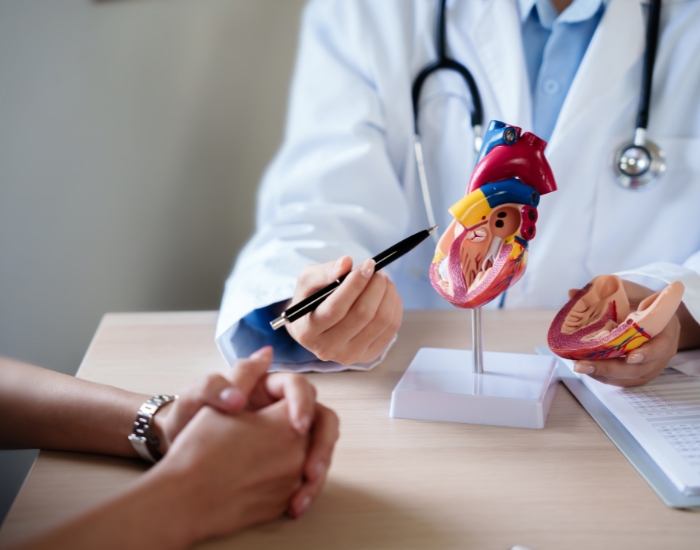
Blocked arteries in the heart are one of the most serious cardiovascular conditions affecting adults worldwide. This condition develops when fatty deposits called plaque build up inside the coronary arteries, gradually narrowing them and restricting blood flow to the heart muscle.
Over time, reduced blood flow can cause chest pain, fatigue, breathing difficulties, and even heart attacks if left untreated. The challenge is that symptoms often develop slowly and can be easily ignored.
Understanding the early and advanced signs of blocked arteries is essential for preventing life-threatening complications.
Notes:
In this blog, you will learn the full spectrum of blocked artery symptoms, how coronary artery disease develops, warning signs to never ignore, and advanced treatment options like angioplasty and stenting.
Table of Contents
- What Are Blocked Arteries?
- How Blocked Arteries Develop
- Early Symptoms
- Chest Pain and Angina
- Shortness of Breath
- Fatigue and Weakness
- Silent Heart Disease
- Advanced Symptoms
- Risk Factors
- When It Becomes Dangerous
- Diagnosis
- Treatment Options
- Lifestyle Changes
- FAQs
What Are Blocked Arteries?
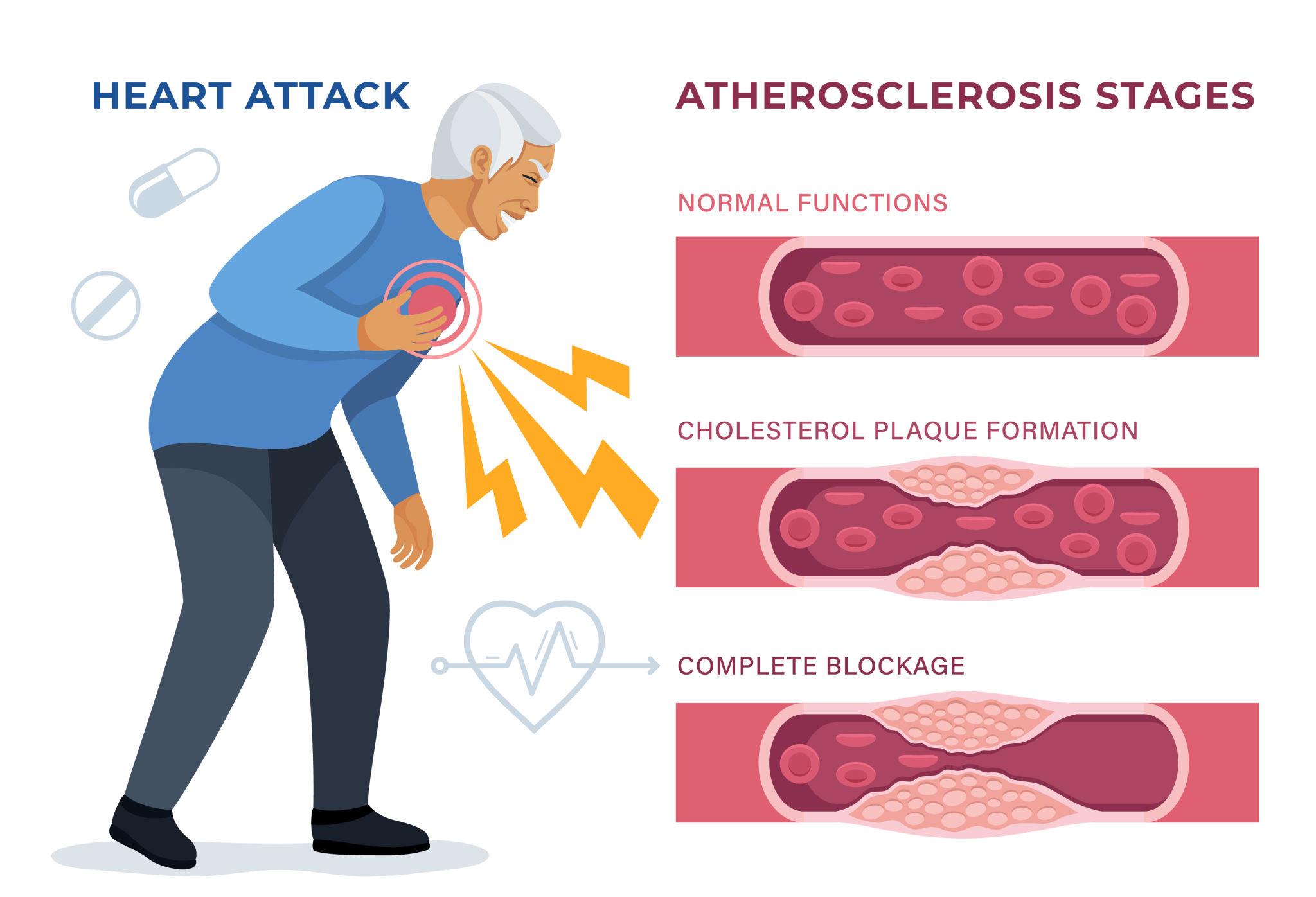
Blocked arteries, also known as coronary artery disease (CAD), occur when plaque made of cholesterol, fat, and other substances builds up inside the arteries supplying blood to the heart.
As plaque accumulates, the arteries become narrow and stiff, reducing oxygen-rich blood flow to the heart muscle.
This reduced blood flow can lead to angina, heart attacks, or long-term heart failure if untreated.
How Blocked Arteries Develop
The process of artery blockage happens gradually over many years. It begins with damage to the inner lining of the artery, followed by cholesterol buildup.
Stages of plaque buildup:
- Fatty streak formation
- Plaque development
- Artery narrowing
- Reduced blood flow
- Complete blockage (heart attack risk)
Inflammation plays a major role in accelerating this process.
Early Signs of Blocked Arteries
Symptoms are often mild and may appear only during physical activity or stress.
Early warning signs include:
- Chest tightness during walking or exercise
- Mild shortness of breath
- Unusual fatigue
- Decreased stamina
- Heaviness in chest after exertion
These symptoms often improve with rest, which makes them easy to ignore.
Chest Pain and Angina
Chest pain caused by blocked arteries is called angina. It occurs when the heart does not get enough oxygen during increased activity.
Angina characteristics:
- Pressure or squeezing sensation
- Pain triggered by exertion
- Relief with rest
- Radiation to arm, jaw, or back
Angina is an important warning sign of coronary artery disease and should never be ignored.
Learn more:
angina symptoms and treatment
Shortness of Breath
As arteries become more blocked, the heart struggles to pump enough oxygen-rich blood. This leads to breathlessness even during light activity.
Symptoms include:
- Breathlessness during walking
- Difficulty climbing stairs
- Waking up short of breath
- Feeling winded easily
Shortness of breath is often one of the earliest signs of heart disease progression.
Fatigue and Weakness
Fatigue is a very common but overlooked symptom of blocked arteries. When the heart receives less oxygen, the entire body becomes tired.
Common fatigue symptoms:
- Low energy even after rest
- Muscle weakness
- Difficulty performing daily tasks
- Constant exhaustion
This type of fatigue is not normal tiredness and should be evaluated.
Silent Heart Disease
Some people develop blocked arteries without noticeable symptoms. This is called silent ischemia.
It is more common in people with diabetes because nerve damage can reduce pain sensation.
Silent signs include:
- Mild fatigue
- Reduced stamina
- Occasional discomfort
- Subtle breathing difficulty
Advanced Symptoms
As blockage worsens, symptoms become more severe and frequent.
Advanced signs include:
- Chest pain at rest
- Severe shortness of breath
- Dizziness or fainting
- Irregular heartbeat
- Nausea or sweating during chest pain
These symptoms may indicate a heart attack in progress.
Risk Factors
Several factors increase the likelihood of developing blocked arteries.
- High cholesterol
- High blood pressure
- Smoking
- Diabetes
- Obesity
- Family history
- Sedentary lifestyle
- High-stress lifestyle
Controlling these risks significantly reduces heart disease progression.
When Blocked Arteries Become Dangerous
Blocked arteries become life-threatening when blood flow is severely restricted or completely blocked.
Emergency symptoms include:
- Severe chest pressure
- Pain radiating to arm or jaw
- Cold sweating
- Nausea and vomiting
- Sudden collapse
These may indicate an acute heart attack requiring emergency treatment.
Diagnosis of Blocked Arteries
Doctors use several advanced tests to detect coronary artery disease.
Diagnostic tools:
- Electrocardiogram (EKG)
- Stress testing
- Echocardiogram
- CT coronary angiography
- Cardiac catheterization
Learn more:
cardiac catheterization & angiography
Treatment Options
Medications:
- Statins
- Blood thinners
- Blood pressure medications
Procedures:
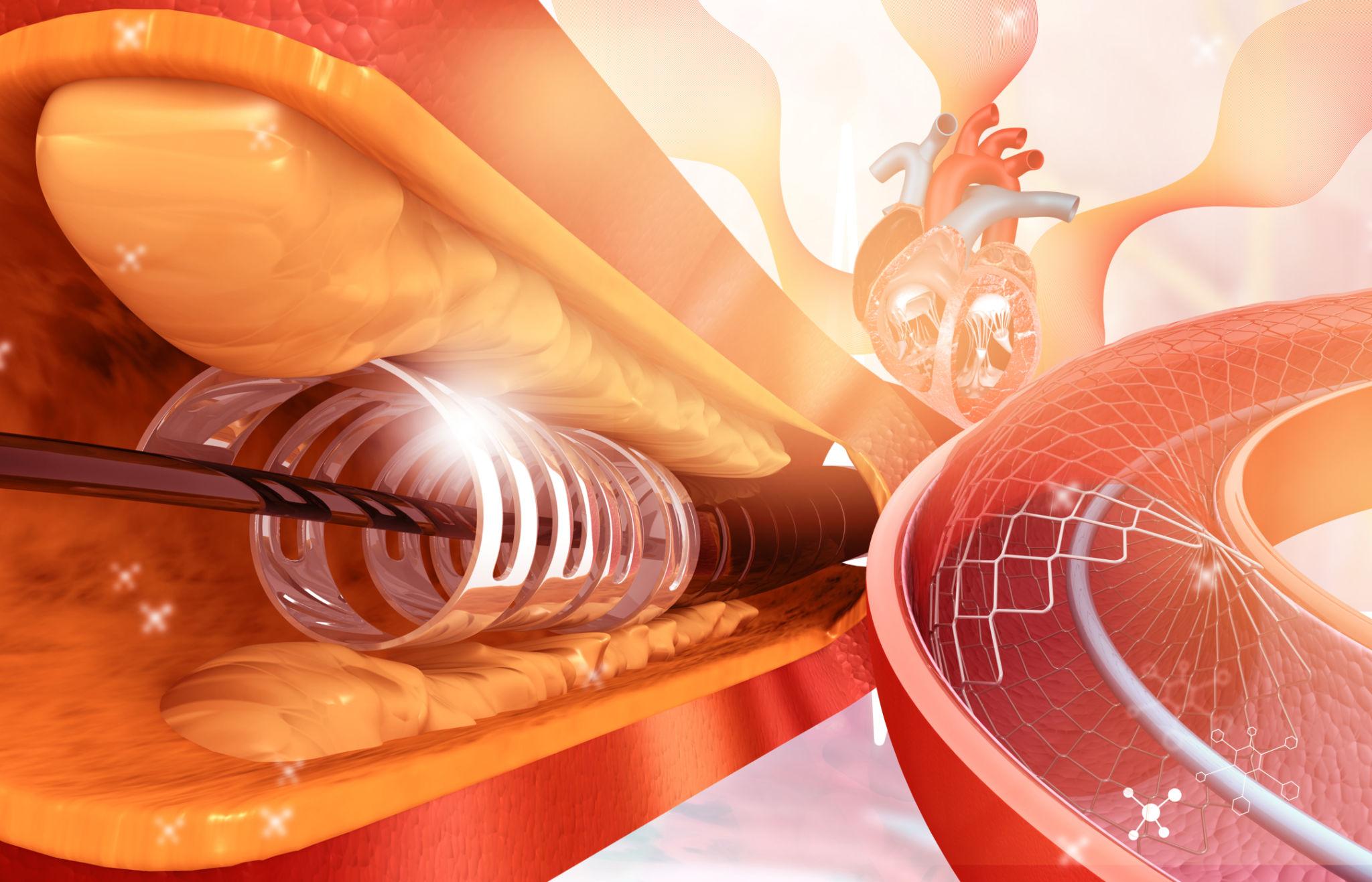
- Angioplasty
- Stent placement
Learn more:
angioplasty and stent procedures
Lifestyle Changes
Lifestyle changes play a key role in managing and preventing artery blockage progression.
- Heart-healthy diet (low fat, low salt)
- Regular exercise
- Weight control
- Smoking cessation
- Stress management
Why Early Detection Saves Lives
Early detection allows treatment before serious damage occurs. Many heart attacks can be prevented with timely diagnosis and care.
Frequently Asked Questions
What are the first signs of blocked arteries?
Chest discomfort, fatigue, and shortness of breath during activity.
Can blocked arteries be reversed?
They can be managed and slowed with treatment and lifestyle changes.
Is chest pain always present?
No, some patients have silent heart disease.
When should I see a doctor?
If you experience chest pain, breathlessness, or fatigue with activity.
Schedule a Heart Evaluation
Schedule a Blocked Artery Evaluation Today
Advanced Cardiology provides expert evaluation for coronary artery disease, chest pain, and heart blockage.
- Experienced cardiology specialists
- Advanced diagnostic testing
- Angiography & imaging
- Personalized treatment plans
- Convenient Houston-area care
Contact Advanced Cardiology today for early detection and prevention of heart disease.
Final Thoughts
Blocked arteries develop slowly but can have serious consequences if ignored. Recognizing early symptoms such as chest pain, fatigue, and shortness of breath is critical.
With proper diagnosis and treatment, patients can significantly reduce risk and improve heart health.
Disclaimer
This article is for educational purposes only and does not replace medical advice. Seek emergency care for severe symptoms.