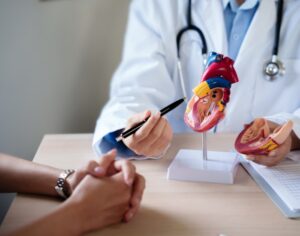
A cardiologist is a physician who specializes in diagnosing, treating and preventing diseases of the heart and blood vessels, such as coronary artery disease, heart failure, heart rhythm problems, valve disease and high blood pressure. Cardiology is the branch of medicine that studies the heart. Some cardiologists subspecialize further in procedures, rhythm disorders, imaging or advanced heart failure.
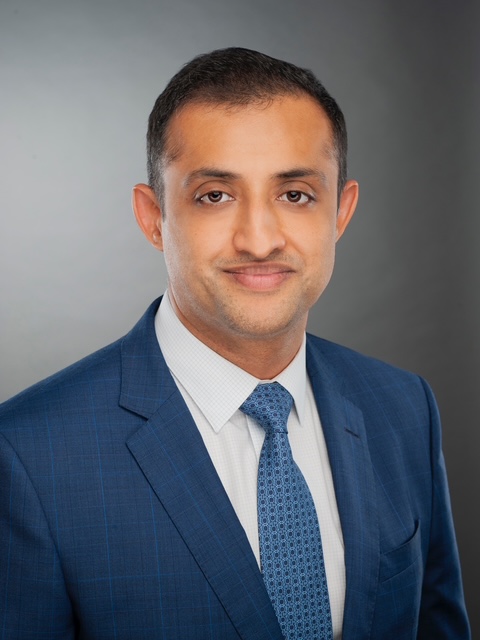
Medically reviewed by
Board-certified cardiologist · Katy & Sugar Land, TX
Fellowship-trained in cardiovascular disease, interventional cardiology, echocardiography and advanced heart failure and transplant cardiology. Former Assistant Professor of Cardiology at McGovern Medical School.
What is cardiology?
Cardiology is the medical specialty focused on the heart and the circulatory system. It covers everything from prevention, such as managing cholesterol and blood pressure, to diagnosis with tests like EKGs and echocardiograms, to treatment with medicines, catheter-based procedures and devices. Surgery on the heart itself, such as bypass or valve surgery, is performed by cardiothoracic surgeons, who work closely with cardiologists.
What conditions does a cardiologist treat?
- Coronary artery disease, angina and heart attacks.
- Heart failure and cardiomyopathy.
- Heart rhythm problems such as atrial fibrillation, SVT and bradycardia.
- Valve disease and heart murmurs.
- High blood pressure and high cholesterol.
- Peripheral artery disease and other vascular conditions.
- Congenital heart conditions in adults and conditions such as PFO.
- Pericarditis and other inflammatory heart conditions.
See the full list of cardiac conditions we treat.
Types of cardiologists
After general cardiology training, many cardiologists complete extra fellowships:
| Type | Focus |
|---|---|
| General cardiologist | Diagnosis, prevention and long-term management of heart conditions |
| Interventional cardiologist | Catheter procedures: angiography, angioplasty, stents and structural interventions |
| Electrophysiologist | Heart rhythm disorders, ablation, pacemakers and defibrillators |
| Advanced heart failure and transplant cardiologist | Complex heart failure, mechanical heart pumps and transplant care |
| Cardiac imaging specialist | Echocardiography, nuclear cardiology, cardiac CT and MRI |
| Preventive cardiologist | Risk reduction, cholesterol and lifestyle |
| Pediatric cardiologist | Heart conditions in children |
How cardiologists are trained
In the United States, a cardiologist typically completes four years of medical school, three years of internal medicine residency, and about three years of cardiovascular disease fellowship. Subspecialties such as interventional cardiology or advanced heart failure add one or more years. Board certification shows a physician has passed rigorous specialty exams. Dr. Adnan Khalid, for example, completed fellowship training in cardiovascular disease, interventional cardiology, echocardiography and advanced heart failure and transplant cardiology; read his full profile.
Tests and procedures cardiologists use
- EKG and echocardiogram.
- Stress testing and nuclear imaging.
- Heart rhythm monitors such as a Holter monitor.
- Coronary calcium scans and CT angiography.
- Cardiac catheterization, angioplasty and stents.
See common heart tests explained.
When to see one
See a cardiologist for chest discomfort, breathlessness, palpitations, fainting or swelling, or for significant risk factors. Read when should you see a cardiologist?
Cardiologist in Katy and Sugar Land
Advanced Cardiology is a physician-led practice with offices in Katy and Sugar Land. Dr. Adnan Khalid provides general, preventive, interventional and heart failure care, with EKG and echocardiogram testing in the office and procedures at affiliated hospitals. Learn more about us.
Katy office: 410 W Grand Pkwy S, Suite 4D, Katy, TX 77494
Sugar Land office: 7102 Tarrington Ave, Suite 505, Sugar Land, TX 77479
Phone: (713) 258-6111
We also see patients from Fulshear, Richmond, Rosenberg, Stafford, Missouri City and west Houston.
Meet your cardiologist
Request a visit with Dr. Khalid in Katy or Sugar Land.
Having symptoms right now? Call 911. Do not wait for an appointment.
Frequently asked questions
What does a cardiologist do?
A cardiologist diagnoses, treats and helps prevent diseases of the heart and blood vessels using exams, tests, medicines and catheter-based procedures.
What is the difference between cardiology and a cardiologist?
Cardiology is the medical specialty; a cardiologist is the physician who practices it.
Does a cardiologist perform heart surgery?
Cardiologists perform catheter-based procedures such as angioplasty and stenting. Open-heart surgery is performed by cardiothoracic surgeons.
What is an interventional cardiologist?
A cardiologist with extra training in catheter procedures, such as opening blocked arteries with balloons and stents.
How long does it take to become a cardiologist?
Typically about 10 years after college: medical school, internal medicine residency and cardiology fellowship, plus more for subspecialties.
What happens at a first cardiologist appointment?
A review of history and symptoms, a physical exam, often an EKG, and a plan for any further tests.
Trusted health resources
- Heart Diseases, MedlinePlus, U.S. National Library of Medicine
- Diagnostic Tests, MedlinePlus, U.S. National Library of Medicine
- Coronary Heart Disease, National Heart, Lung, and Blood Institute (NIH)
Medical disclaimer: This article is for general education and is not a diagnosis or a substitute for care from your own doctor. If you think you may be having a heart attack, stroke or another emergency, call 911 right away.