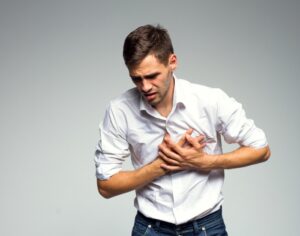
The most common reasons for shortness of breath are heart problems (heart failure, coronary disease, rhythm problems, valve disease), lung problems (asthma, COPD, pneumonia, blood clots), anemia, anxiety, obesity and low fitness. Sudden or severe breathlessness, or breathlessness with chest pain or fainting, needs 911. Breathlessness that builds over weeks should be checked by a doctor.

Medically reviewed by
Board-certified cardiologist · Katy & Sugar Land, TX
Fellowship-trained in cardiovascular disease, interventional cardiology, echocardiography and advanced heart failure and transplant cardiology. Former Assistant Professor of Cardiology at McGovern Medical School.
What causes shortness of breath?
Breathing feels effortless when the lungs move air well, the heart pumps oxygen-rich blood efficiently and the blood carries enough oxygen. A problem at any step can cause shortness of breath (dyspnea). Doctors usually group causes by system and by how quickly symptoms started.
| System | Common causes | Typical clues |
|---|---|---|
| Heart | Heart failure, coronary artery disease, arrhythmias, valve disease, cardiomyopathy, pericardial effusion | Worse with exertion or lying flat, leg swelling, chest pressure, palpitations |
| Lungs | Asthma, COPD, pneumonia, pulmonary embolism, interstitial lung disease, pulmonary hypertension | Wheezing, cough, fever, sudden onset with chest pain |
| Blood | Anemia | Fatigue, pale skin, fast heartbeat with activity |
| Metabolic and other | Obesity, deconditioning, thyroid disease, kidney disease, acid reflux | Gradual, linked to weight or inactivity |
| Mind-body | Anxiety and panic | Sudden air hunger with fear, tingling, fast breathing |
| Environment | Heat, humidity, high altitude, smoke or air pollution | Linked to conditions; improves when they change |
Sudden vs. gradual shortness of breath
Sudden breathlessness, over minutes to hours, suggests emergencies such as a heart attack, a blood clot in the lungs, a severe asthma attack, a collapsed lung, fluid on the lungs from heart failure or a severe allergic reaction. Read when shortness of breath is an emergency.
Gradual breathlessness, over weeks to months, is more often from heart failure, valve disease, COPD, anemia, weight gain or deconditioning. A classic early sign is getting winded on stairs; see shortness of breath walking upstairs.
- Sudden or severe difficulty breathing
- Chest pain or pressure
- Fainting, confusion or blue or gray lips
- Coughing up blood or pink frothy sputum
- Inability to speak in full sentences
Heart-related reasons for shortness of breath
- Heart failure: fluid backs up into the lungs. Breathlessness with activity, needing extra pillows, waking up gasping and swollen ankles are typical. See early signs of heart failure.
- Coronary artery disease: breathlessness can be an “angina equivalent,” especially in women, older adults and people with diabetes.
- Arrhythmias: atrial fibrillation and other rhythm problems reduce pumping efficiency.
- Valve disease: a narrowed or leaky valve, sometimes first noticed as a heart murmur.
- Enlarged or stiff heart: see heart enlargement.
Lung and other reasons
Asthma and COPD narrow the airways. Pneumonia fills air sacs with fluid. Pulmonary embolism blocks blood flow in the lungs. Pulmonary hypertension raises pressure in lung arteries and strains the right side of the heart. Anemia reduces the blood’s oxygen-carrying capacity. Obesity and deconditioning make the body work harder for the same activity. Anxiety causes a feeling of air hunger even when oxygen levels are normal.
Is it my heart or my lungs?
Clues can point one way, but heart and lung disease often coexist, particularly in smokers. Breathlessness that worsens lying flat, with leg swelling or chest pressure, leans toward the heart. Wheezing, mucus, a long smoking history or allergies lean toward the lungs. Testing usually includes an EKG, a BNP blood test, an echocardiogram, a chest X-ray and breathing tests. A stress test can show whether symptoms come from reduced blood flow to the heart.
What you can do
- Do not smoke or vape, and avoid secondhand smoke.
- Stay active with regular, gradually increasing exercise; cardiac rehabilitation helps heart patients do this safely.
- Work toward a healthy weight.
- Take inhalers and heart medicines as prescribed.
- Limit salt if you have heart failure or high blood pressure.
- Check air quality on high-pollution or very hot days.
Shortness of breath evaluation in Katy and Sugar Land
Advanced Cardiology evaluates unexplained shortness of breath at our Katy and Sugar Land offices. Dr. Khalid, fellowship-trained in advanced heart failure, looks for heart causes using EKG and echocardiogram testing in the office and coordinates with lung specialists when needed. See our shortness of breath heart doctor page.
Katy office: 410 W Grand Pkwy S, Suite 4D, Katy, TX 77494
Sugar Land office: 7102 Tarrington Ave, Suite 505, Sugar Land, TX 77479
Phone: (713) 258-6111
We also see patients from Fulshear, Richmond, Rosenberg, Stafford, Missouri City and west Houston.
Getting short of breath more easily?
Find out whether your heart is the cause. Request a cardiology visit in Katy or Sugar Land.
Having symptoms right now? Call 911. Do not wait for an appointment.
Frequently asked questions
What are the most common reasons for shortness of breath?
Heart failure, coronary artery disease, arrhythmias, asthma, COPD, pneumonia, blood clots in the lungs, anemia, obesity, deconditioning and anxiety.
How do I know if shortness of breath is from my heart?
Heart-related breathlessness often worsens with exertion or lying flat and may come with leg swelling, chest pressure or palpitations. An EKG, echocardiogram and BNP test help confirm it.
When is shortness of breath serious?
When it starts suddenly, is severe, or comes with chest pain, fainting, confusion, blue lips or coughing blood. Call 911.
Can anxiety cause shortness of breath?
Yes. Anxiety causes rapid breathing and air hunger. Heart and lung causes should be ruled out first, especially if symptoms are new.
Why am I short of breath when lying down?
Breathlessness lying flat, called orthopnea, is a classic sign of heart failure. It can also occur with obesity, reflux or lung disease.
Can anemia cause shortness of breath?
Yes. Low red blood cells reduce oxygen delivery, causing breathlessness and fatigue, especially with activity.
What doctor should I see for shortness of breath?
Start with your primary care doctor or a cardiologist if you have heart risk factors or symptoms such as leg swelling or chest pressure. A pulmonologist evaluates lung causes.
Trusted health resources
- Breathing Problems, MedlinePlus, U.S. National Library of Medicine
- Breathing difficulty, MedlinePlus Medical Encyclopedia
- Heart Failure, National Heart, Lung, and Blood Institute (NIH)
- COPD, MedlinePlus, U.S. National Library of Medicine
- Anemia, National Heart, Lung, and Blood Institute (NIH)
Medical disclaimer: This article is for general education and is not a diagnosis or a substitute for care from your own doctor. If you think you may be having a heart attack, stroke or another emergency, call 911 right away.