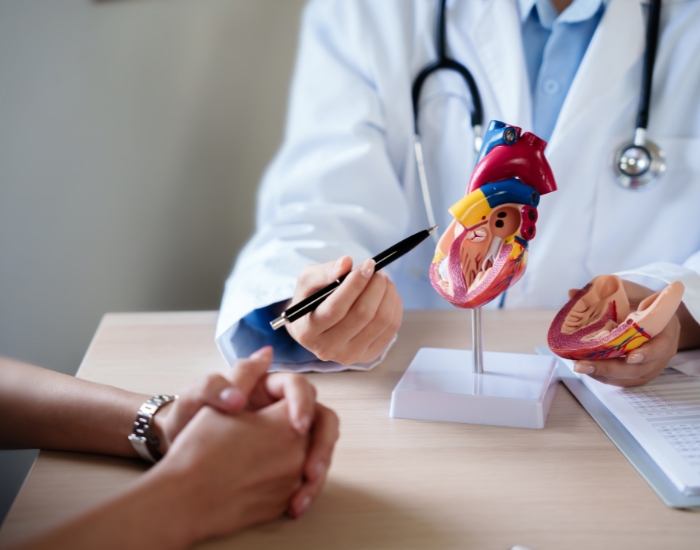
Heart disease remains one of the leading causes of death among women, yet many women do not recognize the early warning signs of a heart attack until symptoms become severe. One of the biggest dangers involving cardiovascular disease in women is that symptoms are often different from the “classic” crushing chest pain commonly associated with heart attacks. Many women experience mild, unusual, or less obvious symptoms that may initially appear unrelated to the heart.
Some women notice unusual fatigue, dizziness, nausea, shortness of breath, chest tightness, jaw pain, indigestion-like discomfort, upper back pressure, or pain spreading toward the neck or shoulders. Others experience only mild chest pressure or a feeling of heaviness rather than severe pain. Because symptoms may appear subtle or develop gradually over time, many women delay seeking emergency medical care, increasing the risk of serious complications.
Many people search online for terms such as “heart attack symptoms in women,” “female heart attack symptoms,” “early signs of heart attack in women,” or “silent heart attack symptoms” because they want to understand whether symptoms may involve cardiovascular disease. Recognizing warning signs early may help save lives by allowing faster diagnosis and treatment.
At Advanced Cardiology, patients throughout Katy, Sugar Land, Houston, and surrounding communities receive comprehensive cardiovascular evaluations focused on identifying heart disease early while helping reduce future risks of heart attack, heart failure, stroke, and long-term cardiovascular complications.
Table of Contents
- Why Heart Attack Symptoms Differ in Women
- Heart Attack Symptoms in Women
- Early Signs of Heart Attack in Women
- Female Heart Attack Symptoms
- Chest Pain in Women
- Shortness of Breath Heart Symptoms
- Silent Heart Attack Symptoms
- Mild Heart Attack Symptoms in Women
- Heart Attack Risk Factors for Women
- Warning Signs You Should Never Ignore
- When Should Women See a Cardiologist?
- How Cardiologists Diagnose Heart Problems
- Advanced Heart Testing and Evaluation
- Treatment Options After a Heart Attack
- Preventing Heart Disease in Women
- Lifestyle Changes for Better Heart Health
- Frequently Asked Questions
- Advanced Cardiology in Katy, Sugar Land, and Houston
- Final Discussion
Why Heart Attack Symptoms Differ in Women
Heart attack symptoms in women often differ from symptoms experienced by men. While severe crushing chest pain is still possible, many women experience milder or more unusual symptoms that may initially appear unrelated to heart disease.
Hormonal differences, blood vessel structure, circulation patterns, and underlying cardiovascular conditions may all influence how symptoms develop.
Women are more likely to experience:
- Fatigue
- Nausea
- Upper back pain
- Jaw discomfort
- Neck pressure
- Shortness of breath
- Indigestion-like symptoms
- Mild chest heaviness
- Dizziness or weakness
Because symptoms may appear subtle, many women delay seeking treatment or mistake symptoms for anxiety, acid reflux, stress, or exhaustion.
Important Note: Women should never ignore unexplained fatigue, chest discomfort, breathing difficulty, jaw pain, or dizziness because heart attack symptoms may appear gradually and without severe chest pain.
Heart Attack Symptoms in Women
Heart attack symptoms in women may range from mild discomfort to severe cardiovascular emergencies.
Common symptoms include:
- Chest pressure
- Tightness in chest
- Shortness of breath
- Fatigue
- Dizziness
- Nausea
- Sweating
- Jaw pain
- Neck pain
- Upper back pain
- Pain spreading toward shoulder or arm
- Weakness
- Lightheadedness
Symptoms may develop suddenly or gradually over several hours or days.
Some women experience symptoms only during physical activity, emotional stress, or exercise, while others notice symptoms during rest or sleep.
Early Signs of Heart Attack in Women
Signs of heart attack in women are often overlooked because symptoms may appear mild initially.
Possible early warning signs include:
- Unusual fatigue
- Chest heaviness
- Difficulty breathing
- Reduced exercise tolerance
- Sweating without exertion
- Nausea
- Dizziness
- Upper back pressure
- Jaw discomfort
- Tightness in chest
Some women describe symptoms as “not feeling right” days before a heart attack occurs.
Recognizing these early signs may allow earlier diagnosis and treatment before severe complications develop.

Female Heart Attack Symptoms
Female heart attack symptoms may vary greatly between individuals.
Some women experience:
- Severe chest pressure
- Burning chest discomfort
- Indigestion-like symptoms
- Pain while walking
- Sudden weakness
- Pain spreading toward neck or jaw
- Rapid heartbeat
- Difficulty breathing deeply
Others experience no chest pain at all.
Because symptoms may overlap with acid reflux, anxiety, or exhaustion, professional medical evaluation becomes extremely important.
Chest Pain in Women
Chest pain in women may appear differently than in men.
Women may describe symptoms as:
- Tightness
- Pressure
- Burning
- Heaviness
- Fullness
- Mild discomfort
- Sharp pain
- Squeezing sensation
Pain may spread toward:
- Left arm
- Both arms
- Jaw
- Neck
- Upper back
- Shoulders
Chest pain occurring during physical activity, emotional stress, or together with shortness of breath should always be evaluated carefully.
Shortness of Breath Heart Symptoms
Shortness of breath heart symptoms commonly occur during heart attacks or reduced blood circulation.
Women may notice:
- Difficulty breathing while walking
- Trouble climbing stairs
- Fatigue during normal activity
- Tightness while breathing
- Difficulty taking deep breaths
- Sudden breathing difficulty at rest
Breathing problems may occur with or without chest pain.
Persistent shortness of breath should never be ignored because it may indicate reduced heart function or blocked coronary arteries.
Silent Heart Attack Symptoms
Silent heart attack symptoms involve heart attacks that produce mild, vague, or unnoticed symptoms.
Some women experience:
- Mild fatigue
- Mild chest heaviness
- Weakness
- Indigestion-like discomfort
- Mild shortness of breath
- Upper back pain
- Nausea
Because symptoms may appear less dramatic, silent heart attacks sometimes remain undiagnosed until later heart testing identifies previous heart damage.
Short Medical Note: Silent heart attack symptoms may still cause permanent heart damage even when symptoms appear mild or temporary.
Mild Heart Attack Symptoms in Women
Mild heart attack symptoms in women should never be dismissed simply because pain appears tolerable.
Even mild symptoms may involve:
- Chest pressure
- Lightheadedness
- Jaw discomfort
- Fatigue
- Sweating
- Weakness
- Nausea
- Breathing difficulty
Women with diabetes may experience especially subtle symptoms because nerve damage sometimes reduces pain perception.
Heart Attack Risk Factors for Women
Several factors increase cardiovascular risk in women.
Common Risk Factors Include:
- High blood pressure
- Diabetes
- High cholesterol
- Smoking
- Obesity
- Family history of heart disease
- Sedentary lifestyle
- Stress
- Sleep apnea
- Menopause
- Chronic inflammatory disease
Women with multiple risk factors should receive routine cardiovascular evaluations and preventive care.
Warning Signs You Should Never Ignore
Certain symptoms strongly suggest the need for emergency medical evaluation.
Seek Immediate Emergency Care If You Experience:
- Severe chest pressure
- Sudden shortness of breath
- Sweating with chest discomfort
- Pain spreading toward arm or jaw
- Severe dizziness
- Fainting
- Sudden weakness
- Rapid worsening symptoms
- Difficulty breathing while resting
- Chest discomfort with nausea
Ignoring these warning signs may delay life-saving treatment.
When Should Women See a Cardiologist?
Women should seek cardiology evaluation if they experience:
- Recurring chest discomfort
- Fatigue without explanation
- Breathing difficulty
- Dizziness
- Reduced exercise tolerance
- High blood pressure
- Palpitations
- Family history of heart disease
- Chest pressure during activity
Early cardiology evaluation helps identify cardiovascular disease before severe complications develop.
For advanced cardiovascular evaluation and treatment, visit our main chest pain specialist page:
Chest Pain Specialist in Katy, Sugar Land, and Houston.
How Cardiologists Diagnose Heart Problems
Advanced Cardiology provides comprehensive cardiovascular evaluations focused on identifying heart disease early. Common Diagnostic Tests Include:
Electrocardiogram (EKG)
Measures electrical activity of the heart.
Echocardiogram
Uses ultrasound imaging to evaluate heart structure and function.
Stress Testing
Evaluates circulation and exercise tolerance.
Holter Monitoring
Records abnormal heart rhythms over time.
Coronary Calcium Scans
Detects plaque buildup within coronary arteries.
Cardiac Catheterization
Used when blocked arteries are suspected.
Blood Pressure and Cholesterol Evaluation
Helps identify cardiovascular risk factors.
Accurate diagnosis helps physicians create personalized treatment plans focused on long-term cardiovascular health.
Advanced Heart Testing and Evaluation
Advanced Cardiology provides modern diagnostic technology designed to identify heart disease early and accurately.
Patients may receive:
- Echocardiography
- Stress echocardiography
- Rhythm monitoring
- Mobile cardiac telemetry
- Holter monitoring
- Preventive cardiology evaluation
- Interventional cardiology consultation
- Coronary artery disease assessment
Early diagnosis significantly improves long-term outcomes.
Treatment Options After a Heart Attack
Treatment depends on the severity of heart disease and underlying cardiovascular damage:
- Emergency heart medications
- Blood pressure management
- Cholesterol reduction
- Coronary angioplasty and stenting
- Cardiac rehabilitation
- Lifestyle modification
- Diabetes management
- Long-term preventive care
Timely treatment may significantly reduce risks of future cardiovascular complications.
Preventing Heart Disease in Women
Preventive cardiology focuses on reducing future cardiovascular risks before severe disease develops. Preventive Strategies Include:
- Routine cardiovascular evaluations
- Blood pressure control
- Cholesterol management
- Diabetes management
- Smoking cessation
- Weight reduction
- Stress reduction
- Heart-healthy nutrition
- Regular physical activity
Women with family history of heart disease should remain especially proactive about preventive care.
Lifestyle Changes for Better Heart Health
Healthy daily habits may significantly improve cardiovascular health. Helpful Heart-Healthy Habits Include:
- Regular exercise
- Balanced nutrition
- Maintaining healthy weight
- Reducing sodium intake
- Managing stress
- Improving sleep quality
- Avoiding tobacco use
- Staying hydrated
- Routine medical checkups
Preventive care remains one of the most powerful tools for protecting long-term heart health.
Frequently Asked Questions
What are the early signs of heart attack in women?
Early signs may include fatigue, chest pressure, shortness of breath, dizziness, jaw pain, nausea, or upper back discomfort.
Do women always have chest pain during heart attacks?
No. Some women experience little or no chest pain during heart attacks.
Can women have silent heart attacks?
Yes. Silent heart attack symptoms may appear mild or vague while still causing serious heart damage.
What does chest pain in women feel like?
Women may describe chest pain as pressure, tightness, heaviness, burning, or fullness rather than severe crushing pain.
Why do women delay heart attack treatment?
Many women mistake symptoms for stress, anxiety, indigestion, or exhaustion because symptoms often appear less obvious.
When should women see a cardiologist?
Women should seek evaluation for chest discomfort, breathing difficulty, dizziness, palpitations, fatigue, or family history of heart disease.
Can shortness of breath indicate heart disease?
Yes. Breathing difficulty may indicate reduced heart function, blocked arteries, or heart failure.
Advanced Cardiology in Katy, Sugar Land, and Houston
Advanced Cardiology proudly serves patients throughout Katy, Sugar Land, Houston, Richmond, Rosenberg, Cypress, Stafford, Fulshear, and surrounding communities with comprehensive cardiovascular care focused on women’s heart health, chest pain evaluation, preventive cardiology, advanced heart testing, and long-term cardiovascular disease management. The clinic provides personalized cardiovascular care designed to identify heart disease early while helping reduce future risks of heart attack, stroke, heart failure, and vascular disease.
Patients searching for heart attack symptoms in women, chest pain evaluation, female heart disease symptoms, preventive cardiology, or cardiovascular testing in Katy, Sugar Land, and Houston can receive advanced cardiovascular care tailored to their individual symptoms and risk factors.
Final Discussion
Heart attack symptoms in women often appear differently than many people expect, making early recognition extremely important for protecting long-term cardiovascular health. While some women experience severe chest pain, others may notice only fatigue, nausea, dizziness, jaw discomfort, shortness of breath, upper back pressure, or mild chest heaviness before serious cardiovascular complications develop. Understanding female heart attack symptoms and recognizing early warning signs may help women seek treatment earlier and reduce risks of heart attack, stroke, heart failure, and permanent heart damage.
Preventive cardiology, early diagnosis, advanced heart testing, healthy lifestyle habits, and routine cardiovascular evaluations all play essential roles in reducing future heart disease risks. Women experiencing unexplained chest discomfort, fatigue, breathing problems, dizziness, or cardiovascular symptoms should seek professional medical evaluation to determine the exact underlying cause and receive appropriate treatment.
Disclaimer: This content is for educational purposes only and should not be considered medical advice, diagnosis, or treatment. Symptoms such as chest pain, shortness of breath, dizziness, weakness, or severe fatigue may indicate serious medical emergencies requiring immediate evaluation. If you experience possible heart attack symptoms, seek emergency medical care immediately.