
Cardiovascular Risk Assessment
Heart Disease Risk Assessment in Katy & Sugar Land, TX
A heart disease risk assessment answers a question most people carry around without an answer: how likely am I to have a heart attack or stroke in the next ten years, and what would change that number? It is a structured evaluation, not a single test. It combines your history, examination, blood work, a validated risk calculator, and, when the answer is uncertain, imaging that shows whether plaque is already present in your arteries. At Advanced Cardiology, Adnan Khalid, MD performs cardiovascular risk assessments for adults who want to know where they stand and what to do about it.
Assessments are completed at the Katy and Sugar Land offices, usually in one or two visits.
Board-Certified Cardiologist • Katy & Sugar Land • New Patients Welcome

Understanding Your Risk
What Is a Heart Disease Risk Assessment?
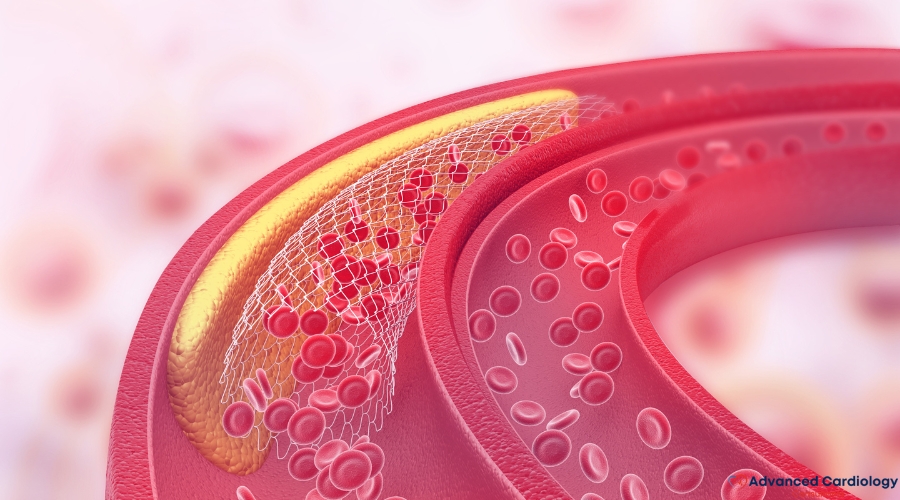
Heart attacks and strokes are rarely random. They are the late result of a process, atherosclerosis, that begins decades earlier and is driven by factors that can be measured. A risk assessment gathers those factors and converts them into an estimate: the probability of a cardiovascular event over the next ten years, and often over a lifetime.
The core of the estimate is a calculator validated in large populations, using age, sex, blood pressure, cholesterol, diabetes, and smoking status. Calculators are useful but blunt. They do not account for a father who had a heart attack at 48, for elevated lipoprotein(a), for an inflammatory disease, or for plaque that is already present. A cardiologist's job is to start from the calculator and then refine the estimate with the information it leaves out.
The result is a risk category, low, borderline, intermediate, or high, and that category determines how aggressively risk factors should be treated. The assessment is worth doing precisely because the answer is often not what people expect: some who assume they are fine carry substantial risk, and some who are worried turn out to have very little.
Who Should Be Assessed
When Should You Have a Heart Disease Risk Assessment?
Guidelines suggest that every adult have cardiovascular risk estimated starting around age 40, and earlier when risk factors are present. A formal assessment with a cardiologist is particularly valuable when:
- A parent, brother, or sister had a heart attack, stent, bypass, or stroke before 55 (men) or 65 (women)
- Your cholesterol is high, or a family member has been diagnosed with familial hypercholesterolemia or high lipoprotein(a)
- You have high blood pressure, diabetes, prediabetes, or chronic kidney disease
- You smoke, vape, or quit within the past several years
- You have an inflammatory condition such as rheumatoid arthritis, lupus, or psoriasis, or a history of preeclampsia or gestational diabetes
- A calcium score, CT scan, or carotid ultrasound has shown plaque
- Your primary care physician has suggested a statin and you are unsure whether to start
- You are from a South Asian, Hispanic, or Black background, where risk is often underestimated by standard calculators
An assessment is also appropriate before starting a vigorous new exercise program in middle age, particularly for people who have been inactive.
What Is Measured
What a Risk Assessment Measures
The assessment combines the standard risk factors with the “risk enhancers” that standard calculators miss.
Traditional Risk Factors
Age, sex, blood pressure, total and HDL cholesterol, diabetes, and smoking, entered into a validated ten-year risk calculator.
Family History
Early heart disease in close relatives, taken with ages and details, is one of the strongest predictors calculators leave out.
Advanced Lipids
ApoB and lipoprotein(a) identify inherited or particle-based risk that a standard cholesterol panel does not show.
Metabolic Markers
A1c, waist circumference, and triglycerides reveal insulin resistance and metabolic syndrome, which drive risk before diabetes is diagnosed.
Risk-Enhancing Conditions
Chronic kidney disease, inflammatory conditions, HIV, sleep apnea, and pregnancy complications each raise risk beyond the calculated number.
Evidence of Plaque
A coronary calcium score moves the estimate from probability to fact by showing whether plaque is already present, and how much.

Meet Your Cardiologist
Risk Assessment With Adnan Khalid, MD
Adnan Khalid, MD is a board-certified cardiologist with fellowship training in cardiovascular disease, interventional cardiology, and advanced heart failure and transplant cardiology. He has spent his career treating the consequences of unrecognized risk, which shapes how he approaches its assessment: thoroughly, without alarm, and with a clear line from the number to the plan.
Dr. Khalid uses the standard calculators as a starting point, then applies the family history, advanced lipid results, and imaging findings that move patients between categories. When the calculated risk falls in the uncertain middle, he uses coronary calcium scoring to settle the question rather than guessing. The assessment ends with a written summary of your risk category, what is driving it, and what would lower it, which becomes the basis for a preventive cardiology plan.
The Assessment
How a Heart Disease Risk Assessment Works
The assessment moves in four steps, from information gathering to a risk category you can act on.
History and Family History
Dr. Khalid reviews prior cholesterol, blood pressure, and blood sugar results; tobacco, alcohol, activity, and sleep; medications; and any prior cardiac testing. Family history is taken relative by relative, because a heart attack in a parent at 50 and one at 85 mean very different things.
Examination and Baseline Tests
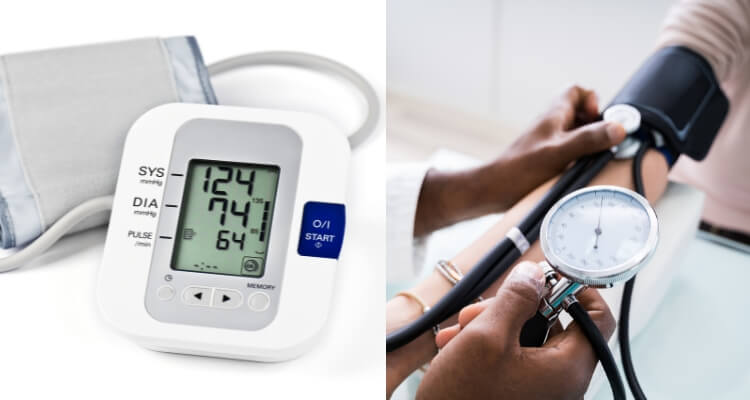
Blood pressure is measured carefully, along with weight, waist circumference, pulses, and heart and lung sounds. An EKG is obtained. Blood work fills in anything missing: a full lipid panel, ApoB, lipoprotein(a), A1c, kidney function, and inflammatory markers when relevant.
Risk Calculation and Adjustment
The ten-year and lifetime risk are calculated, then adjusted for the enhancers the calculator does not include. Many patients move up or down a category at this step.
Imaging When the Answer Is Uncertain
For patients in the borderline or intermediate range, or with a strong family history and a low calculated risk, a coronary calcium score is arranged. It converts a statistical estimate into a direct look at the arteries and is the single most decisive test in risk assessment.
Testing
Tests Used in a Cardiovascular Risk Assessment
Each test either sharpens the estimate or detects disease that is already present. Most patients need only a few of them.
Lipid Panel and Advanced Lipids
Total, LDL, HDL, triglycerides, ApoB, and lipoprotein(a). The last two are checked at least once in a lifetime because they change what a given LDL means.
Metabolic and Kidney Tests
A1c and fasting glucose for diabetes risk; kidney function, which independently raises cardiac risk; hs-CRP for inflammation when it will influence the decision.
Coronary Calcium Score
A non-contrast CT that scores calcified plaque. Zero is reassuring; 100 or more places a patient in a high-risk group regardless of the calculator.
EKG and Blood Pressure Monitoring
A baseline tracing, and home or 24-hour monitoring when office readings may not represent everyday blood pressure.
Carotid Ultrasound
An ultrasound of the neck arteries that detects plaque directly. Used in selected patients as an alternative or complement to calcium scoring.
Stress Testing or CT Angiography
Reserved for patients with symptoms or a high calcium score, where the question shifts from risk to whether a significant narrowing is present. Coordinated at an outside facility.
Your Results
What Your Risk Category Means for Treatment
The assessment produces one of four categories, and each has a different implication.
Low risk (under 5% over ten years). The plan is lifestyle: activity, diet, weight, no tobacco, and a repeat assessment in four to six years. Medication is rarely needed.
Borderline risk (5% to 7.5%). Lifestyle remains central. A statin is considered if risk enhancers are present, and a calcium score often decides the question.
Intermediate risk (7.5% to 20%). Most patients in this group benefit from a moderate-intensity statin along with blood pressure control. A calcium score of zero can justify holding off; a score above 100 makes treatment clear.
High risk (over 20%, or established disease, diabetes with risk factors, or very high LDL). High-intensity statin therapy with a defined LDL target, blood pressure control, and attention to every other factor. Additional lipid-lowering medication is added if the target is not reached.
Whatever the category, the plan is written down with specific targets and a follow-up interval. Details of how each factor is managed are on the preventive cardiology page.
Your Visit
What to Expect During Your Risk Assessment Visit
Before the visit, gather recent lab results, home blood pressure readings, a list of medications and supplements, and as much family history as you can find, including ages at which relatives developed heart disease or died. If you have had a calcium score or other imaging, bring the report.
The visit includes a detailed history, an examination, an EKG, and any blood work that is missing. Dr. Khalid calculates your risk during the visit and explains it in plain language, including how confident the estimate is and whether a calcium score would sharpen it.
You will leave with your risk category, a written summary of what is driving it, and the outline of a plan. If a calcium score or additional labs are ordered, a brief follow-up finalizes the recommendations.
Katy Cardiology Care
Heart Disease Risk Assessment in Katy, TX
Patients from Katy, Cinco Ranch, Fulshear, and West Houston come to the Grand Parkway office for a risk assessment after a family member's heart attack, a high cholesterol result, or simply a decision to take their heart health seriously at 40 or 50. Many arrive with a primary care recommendation to “consider a statin” and want a more definite answer before committing.
EKG and laboratory testing are performed or arranged on site, and coronary calcium scoring is coordinated nearby, so most assessments are complete within two visits. For other services at this location, see cardiology care in Katy.
Advanced Cardiology – Katy
410 W Grand Pkwy S Ste 4D
Katy, TX 77494
Phone: (713) 258-6111
Advanced Cardiology – Sugar Land
7102 Tarrington Ave Suite 505
Sugar Land, TX 77479
Phone: (713) 258-6111
Sugar Land Cardiology Care
Heart Disease Risk Assessment in Sugar Land, TX
At the Tarrington Avenue office, Dr. Khalid provides risk assessments for patients from Sugar Land, Richmond, Rosenberg, Missouri City, and Stafford, including many with diabetes, high blood pressure, or a family pattern of early heart disease. Patients from South Asian backgrounds, whose risk is often underestimated by standard calculators, are a significant part of this practice and are assessed with that in mind.
The office performs EKG and laboratory testing and coordinates calcium scoring and carotid ultrasound nearby. Learn more about cardiology care in Sugar Land.
Serving Greater Houston
Serving Patients Across Greater Houston
Patients come to the Katy and Sugar Land offices from across Greater Houston, including Cypress, Richmond, Rosenberg, Fulshear, and West Houston, for cardiovascular risk assessment. Both offices offer the same physician and the same approach; choose the one that is easier to reach, and the scheduling team can help if you are unsure.
Patient-Centered Cardiology
Why Patients Choose Advanced Cardiology
Board-Certified Cardiology Expertise
Care led by Adnan Khalid, MD, with fellowship training in cardiovascular disease, interventional cardiology, and advanced heart failure.
Beyond the Calculator
Family history, advanced lipids, and calcium scoring refine the estimate, not just a calculator score.
A Written Summary
You leave with a risk category, what is driving it, and what would lower it, in writing.
Clear Patient Communication
Your risk is explained in plain terms, including how confident the estimate is.
Two Convenient Locations
Offices in Katy and Sugar Land serving surrounding Greater Houston communities.
New Patients Welcome
New patients are welcome. Most major insurance plans are accepted, subject to eligibility and coverage verification.
Common Questions
Frequently Asked Questions About Heart Disease Risk Assessment
What is a heart disease risk assessment?
A structured evaluation that estimates your chance of a heart attack or stroke over the next ten years and over your lifetime. It combines your history, family history, examination, blood tests, and a validated risk calculator, and adds imaging such as a coronary calcium score when the estimate is uncertain. The result is a risk category that guides how aggressively risk factors should be treated.
At what age should I have my heart risk assessed?
Guidelines recommend estimating cardiovascular risk for all adults starting around age 40, and earlier for those with a family history of early heart disease, high cholesterol, high blood pressure, diabetes, or smoking. A first assessment at 40 establishes a baseline; repeat assessments every four to six years track how risk changes.
What tests are done to check heart attack risk?
A lipid panel with ApoB and lipoprotein(a), A1c, kidney function, an EKG, and careful blood pressure measurement form the core. A coronary calcium score is added when the calculated risk is borderline or intermediate, or when a strong family history conflicts with a low calculated score. Stress testing is reserved for patients with symptoms or a high calcium score.
Are online heart risk calculators accurate?
Online calculators use the same equations cardiologists use, so they are a reasonable first look. They do not account for family history, lipoprotein(a), inflammatory disease, or existing plaque, and they underestimate risk in some ethnic groups. A cardiologist starts from the calculator and adjusts for what it leaves out.
What does a coronary calcium score of zero mean?
A score of zero means no calcified plaque was detected and near-term risk is very low, which can justify holding off on medication even when a calculator suggests otherwise. A score of 1 to 99 indicates mild plaque; 100 to 399 moderate; and 400 or more extensive plaque, which places you in a high-risk group regardless of other numbers.
How much does family history affect my heart risk?
Substantially. A first-degree relative with heart disease before 55 (men) or 65 (women) roughly doubles your risk and is enough to move many patients into a higher treatment category. The details matter: how many relatives, at what ages, and what kind of event. Bring that information to your assessment.
If my cholesterol is high, does that mean I need medication?
Not automatically. High cholesterol raises risk, but whether medication is warranted depends on your overall risk category, which combines cholesterol with blood pressure, diabetes, smoking, age, family history, and, when needed, a calcium score. Some people with high cholesterol and no other risk factors are managed with lifestyle changes first.
Can I lower my heart disease risk once it has been assessed?
Yes. Lowering LDL cholesterol, controlling blood pressure, treating diabetes, stopping tobacco, and staying active each reduce risk measurably, and the effects add up. A risk assessment tells you which of these will make the biggest difference for you and sets targets so progress can be measured.
Keep Reading
Related Heart Health Resources
- Signs of a Silent Heart Attack You Should Never Ignore
- What's the Best Diet for Reducing Your Cholesterol?
- Why Is My Blood Pressure Suddenly High?
- What Are Signs of Blocked Arteries in the Heart?
Related services: Preventive Cardiology • Coronary Calcium Scan • Cholesterol Treatment • Hypertension • Cardiovascular Disease
Medical Review: Adnan Khalid, MD
Cardiology Appointments
Take the Next Step
Knowing your actual risk replaces worry with a plan. A heart disease risk assessment with Adnan Khalid, MD tells you where you stand and what would change it. New patients are welcome at Advanced Cardiology's Katy and Sugar Land offices.
Katy: 410 W Grand Pkwy S Ste 4D, Katy, TX 77494
Sugar Land: 7102 Tarrington Ave Suite 505, Sugar Land, TX 77479
If you have chest pain, shortness of breath, or other symptoms that may be a heart attack, call 911.