Heart attack symptoms in women often include chest pressure, but women are more likely than men to also have shortness of breath, nausea or vomiting, back, jaw or neck pain, lightheadedness and unusual fatigue, sometimes with little or no chest pain. Because these signs are easy to dismiss, women often wait longer for care. Call 911 for any of them.

Medically reviewed by
Board-certified cardiologist · Katy & Sugar Land, TX
Fellowship-trained in cardiovascular disease, interventional cardiology, echocardiography and advanced heart failure and transplant cardiology. Former Assistant Professor of Cardiology at McGovern Medical School.
Heart attack symptoms in women
Heart disease is the leading cause of death for women in the United States, yet many women do not recognize their own heart attack symptoms. According to the National Heart, Lung, and Blood Institute, chest pain or discomfort is still the most common symptom in women, but women are more likely to also have other symptoms. Watch for:
- Chest pain, pressure, squeezing or fullness that lasts more than a few minutes or comes and goes.
- Shortness of breath, with or without chest discomfort.
- Pain or discomfort in one or both arms, the back, neck, jaw or upper stomach.
- Nausea, vomiting or indigestion-like discomfort.
- Cold sweat, lightheadedness or dizziness.
- Unusual or extreme fatigue, sometimes for days before the event.
- Sleep problems, anxiety or a sense that something is very wrong.
- Chest pressure, squeezing, fullness or pain lasting more than a few minutes, or that comes back
- Shortness of breath, cold sweat, nausea or lightheadedness, even without chest pain
- Pain in the jaw, neck, back, one or both arms or upper stomach
- Sudden unusual fatigue with any of the above
Do not wait to see if it goes away. Treatment works best in the first hour.
How heart attack symptoms differ in women and men
Men and women share most symptoms, but the mix and emphasis often differ:
| Symptom | Women | Men |
|---|---|---|
| Chest pain or pressure | Common, but may be milder or described as tightness or discomfort | Most common, often described as crushing pressure |
| Shortness of breath, nausea, vomiting | More likely | Less likely as the main symptom |
| Back, jaw or neck pain | More likely | Arm and chest pain more typical |
| Fatigue, sleep disturbance | Often reported in the days or weeks before | Less often reported |
| Time to seek care | Women tend to wait longer | Tend to seek care sooner |
These differences are averages. Any person can have any symptom, so the best rule is the same for everyone: unexplained chest discomfort or the symptoms above deserve a 911 call.
Why heart attacks in women are often missed
- Symptoms seem minor. Nausea, fatigue or back pain are easily blamed on stress, flu, reflux or a long day.
- Women put others first and delay care for themselves.
- Different disease patterns. Women more often have conditions such as coronary microvascular disease (disease of the heart’s small arteries), spontaneous coronary artery dissection (a tear in a coronary artery, more common in younger women and around pregnancy) and stress-induced cardiomyopathy. These can cause heart attacks or symptoms even when the large arteries look fairly clear.
- Diabetes can blunt chest pain.
Some heart attacks are almost silent. Read signs of a silent heart attack.
Heart disease risk factors for women
Traditional risk factors apply to women: high blood pressure, high cholesterol, diabetes, smoking, obesity, inactivity and family history. Women also have some unique ones, according to MedlinePlus and cardiology guidelines:
- Pregnancy complications such as preeclampsia, gestational diabetes or high blood pressure in pregnancy.
- Early menopause.
- Autoimmune conditions such as lupus and rheumatoid arthritis.
- Polycystic ovary syndrome (PCOS).
- Depression and chronic stress.
If any of these apply to you, a heart disease risk assessment or preventive cardiology visit can help you understand and lower your risk. Family history matters too; learn about family history heart screening.
What to do if you think you are having a heart attack
- Call 911 right away. Do not drive yourself or have someone drive you unless there is truly no other option.
- Stop all activity and sit or lie down.
- Follow the dispatcher’s instructions, including any advice about chewing aspirin.
- Unlock your door and keep your phone with you.
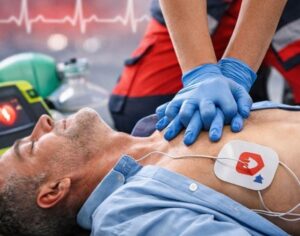
- If someone becomes unresponsive and is not breathing normally, start hands-only CPR.
How doctors diagnose heart disease in women
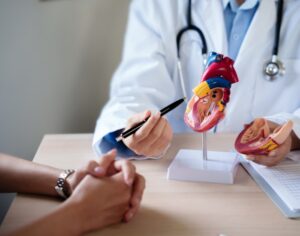
After an emergency, or when symptoms suggest heart disease, a cardiologist may use an EKG, an echocardiogram, a stress echo or nuclear stress test, a coronary calcium scan or CT angiography, and sometimes cardiac catheterization. Women with ongoing chest symptoms and “normal” arteries may need further evaluation for small-vessel disease.
Women’s heart care in Katy and Sugar Land
Advanced Cardiology cares for women at every stage of life, from prevention after a high-risk pregnancy to follow-up after a heart attack. Dr. Khalid sees patients at our Katy and Sugar Land offices, with EKG and echocardiogram testing in the office. Learn about our chest pain evaluation and cardiac rehabilitation.
Katy office: 410 W Grand Pkwy S, Suite 4D, Katy, TX 77494
Sugar Land office: 7102 Tarrington Ave, Suite 505, Sugar Land, TX 77479
Phone: (713) 258-6111
We also see patients from Fulshear, Richmond, Rosenberg, Stafford, Missouri City and west Houston.
Unexplained fatigue, breathlessness or chest discomfort?
Women’s heart symptoms deserve a careful look. Request a cardiology visit in Katy or Sugar Land.
Having symptoms right now? Call 911. Do not wait for an appointment.
Frequently asked questions
What are the first signs of a heart attack in a woman?
Early signs can include chest pressure or discomfort, shortness of breath, nausea, unusual fatigue, lightheadedness and pain in the back, jaw, neck or arms. Some women notice fatigue or poor sleep in the days before.
Do women always have chest pain during a heart attack?
No. Chest pain is the most common symptom, but some women have little or no chest pain and mainly feel breathlessness, nausea, fatigue or back or jaw pain.
Can a heart attack in a woman feel like indigestion?
Yes. Nausea, upper stomach discomfort and indigestion-like symptoms are more common in women. Do not assume it is indigestion if it comes with other warning signs.
Where does a woman feel heart attack pain?
In the chest, and often also in the upper back, jaw, neck, one or both arms, or upper stomach.
Can women have heart attacks with normal arteries?
Yes. Conditions such as coronary microvascular disease, spontaneous coronary artery dissection and coronary spasm can cause heart attacks or symptoms when the large arteries look mostly clear.
How can women lower their heart attack risk?
Control blood pressure, cholesterol and blood sugar, avoid tobacco, stay active, maintain a healthy weight and tell your doctor about pregnancy complications, early menopause or autoimmune disease.
When should a woman see a cardiologist?
See a cardiologist for chest discomfort or breathlessness with activity, a history of preeclampsia or gestational diabetes, a strong family history of heart disease, or ongoing symptoms after a normal ER workup.
Trusted health resources
- Heart Attacks in Women, National Heart, Lung, and Blood Institute (NIH)
- Heart Attack: Symptoms, National Heart, Lung, and Blood Institute (NIH)
- Heart Disease in Women, MedlinePlus, U.S. National Library of Medicine
- Heart Attack, MedlinePlus, U.S. National Library of Medicine
Medical disclaimer: This article is for general education and is not a diagnosis or a substitute for care from your own doctor. If you think you may be having a heart attack, stroke or another emergency, call 911 right away.