What to Expect in the Hospital
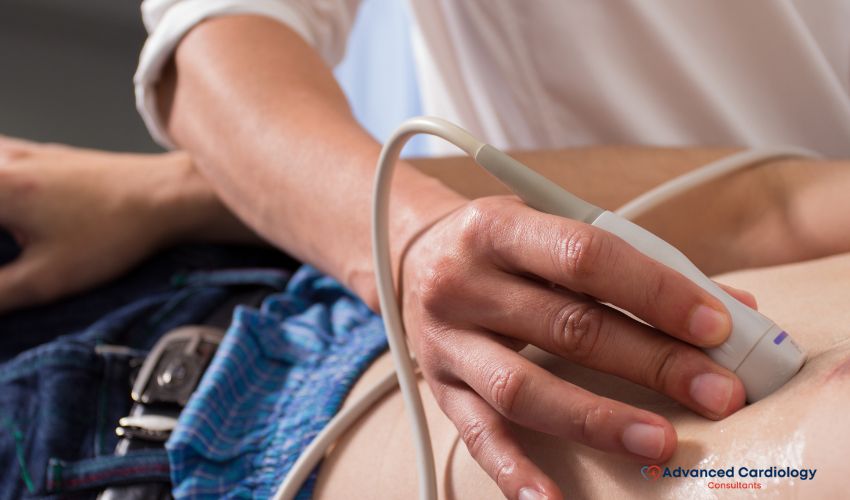
Device placement happens in a hospital catheterization laboratory or operating room, often during an emergency. When there is time, the team explains the plan to the patient or family. Using X-ray and sometimes ultrasound guidance, the physician guides the device through an artery, usually in the groin and occasionally in the arm, into position. The patient is then cared for in an intensive care or cardiac care unit, usually lying fairly flat with the leg kept still to protect the access site. Blood thinners are typically given to prevent clots on the device, and the team checks circulation in the leg, kidney function, and blood counts regularly.
Preparation for a Planned Procedure
If temporary support is planned ahead of a high-risk procedure, follow the specific instructions your care team and the hospital give you. Some medicines, including blood thinners and diabetes medicines, may need to be adjusted, but only as directed; do not stop any medication on your own. Imaging of the leg arteries may be done first to check that they can accommodate the device.
Risks
These devices are used in very ill patients and carry significant risks, including bleeding, injury to the artery, reduced blood flow to the leg, damage to red blood cells, blood clots, stroke, infection, and device malfunction. Impella devices can also affect the aortic valve. The heart team weighs these risks against the expected benefit for each patient.
Recovery
Recovery varies widely and depends mainly on the illness that required support. Some patients have the device removed within a day or two; others need longer support or further treatment. Hospital stays are often longer than for routine heart procedures, and cardiac rehabilitation is often part of recovery.
Questions Families Often Ask
Is this the same as an LVAD? No. Impella and balloon pumps are temporary. A durable LVAD is implanted surgically for long-term support at specialized centers.
Can my loved one move while the device is in? Movement is usually limited to protect the device and access site. The nursing team will explain what is safe.
Who decides when it comes out? The hospital heart team, based on blood pressure, heart function, and how the body is responding.
Sources: NHLBI: Heart Failure · NHLBI: Cardiac Catheterization · MedlinePlus: Heart Failure · AHA: Warning Signs of a Heart Attack