Cardiologist Serving Katy, Sugar Land, Greater Houston

Impella & Balloon Pump LV Support: Katy & Sugar Land, TX

Temporary left ventricular (LV) support devices, such as the Impella heart pump and the intra-aortic balloon pump, help the heart circulate blood during a crisis or a high-risk procedure. They are placed and managed only in a hospital. Consultations and follow-up care take place at our Katy and Sugar Land offices.

cardiologist houston

Physician-Led Care

Dr. Khalid reviews your symptoms, history and test results himself

Two Offices

Visits in Katy and Sugar Land

Hospital-Based Procedures

Catheter and device procedures at an affiliated hospital

Follow-Up Care

Office follow-up on medicines and risk factors

Impella & Balloon Pump for Critical Heart Support

LV support devices are used when the heart’s main pumping chamber, the left ventricle, cannot pump enough blood on its own, or when it may not be able to during a planned high-risk procedure. They provide temporary mechanical support, usually for hours to days, while the medical team treats the cause or plans the next step.

  • Intra-aortic balloon pump (IABP): a long, thin balloon placed in the main artery of the chest (aorta). It inflates and deflates in time with the heartbeat to reduce the heart’s workload and support blood flow to the heart muscle.
  • Impella: a small pump on a catheter that sits across the aortic valve and moves blood from the left ventricle into the aorta, directly assisting the heart’s output.

These devices are placed through an artery, usually in the groin, in a hospital catheterization laboratory or operating room, and patients are cared for in an intensive care or cardiac care unit while the device is in place. At Advanced Cardiology, Adnan Khalid, MD, whose listed specialties include interventional cardiology and advanced heart failure and transplant cardiology, evaluates patients, performs or coordinates device support at an affiliated hospital where appropriate, and provides follow-up care.

cardiologist houston

Meet the Cardiologist

Adnan Khalid, MD, Cardiologist

Education
2002 Medical School : Nishtar Medical College
2008 Residency:
University of Missouri – Kansas City
2012 Fellowship:
University of Missouri – Kansas City

Adnan Khalid, MD

Adnan Khalid, MD, specializes in treating coronary artery disease, peripheral artery disease, heart failure, hypertension, arrhythmias, and hyperlipidemia. He has over 10 years of experience in the field of cardiovascular medicine.

Dr. Khalid graduated from his medical school among the top 10 out of 250 medical students in his class. He is fellowship trained in cardiovascular diseases, interventional cardiology, advanced heart failure, and transplant cardiology. He is focused on providing personalized and compassionate care. Dr. Khalid believes in spending time with his patients and listening to their needs and is committed to offering excellent care.

Dr. Khalid is an avid reader. He is eager to learn new things; He likes to work out and spend time with his family. When off from work, he likes to travel and spend time in nature along with family and friends. He is married with three children. Dr. Adnan Khalid is now seeing patients at our Katy and Sugar Land offices and welcomes new patients from across the greater Houston area.

Board Certifications

American Board of Internal Medicine
Interventional Cardiology

Advanced Heart Failure and Transplant
Cardiology
Cardiovascular Disease
cardiologist houston

When Are LV Support Devices Used?

Mechanical circulatory support is not for everyone. It is considered in serious, usually hospital-based situations when the heart cannot maintain adequate circulation, and the decision is made by the hospital heart team based on each patient’s condition.

Cardiogenic Shock

Why it matters: In cardiogenic shock, the heart cannot pump enough blood to meet the body’s needs, often after a large heart attack.
How support may help: A device can support blood pressure and circulation while the team treats the cause, such as opening a blocked artery. Research on survival benefit varies by device and situation, and these devices carry real risks, so their use is individualized.

High-Risk Angioplasty or Stenting

Why it matters: Some patients with very weak heart function or complex coronary disease may become unstable during angioplasty and stenting.
How support may help: Temporary support may be used to help maintain blood flow during a complex procedure in selected patients.

Severe Heart Failure or After Heart Surgery

Why it matters: A severely weakened heart may struggle during a sudden worsening of heart failure or after heart surgery.
How support may help: Reducing the heart’s workload can provide time for medicines and other treatment to work, or for the heart to recover.

Bridge to Further Treatment

Why it matters: Some patients with advanced heart failure are being evaluated for a durable LV assist device or heart transplant.
How support may help: Temporary support may stabilize a patient while those decisions are made at an advanced heart failure center.

What LV Support Can and Cannot Do

It can:

  • Temporarily support blood pressure and blood flow to the body and the heart muscle
  • Reduce the workload of a weakened left ventricle
  • Provide time to treat the underlying cause or to plan further care

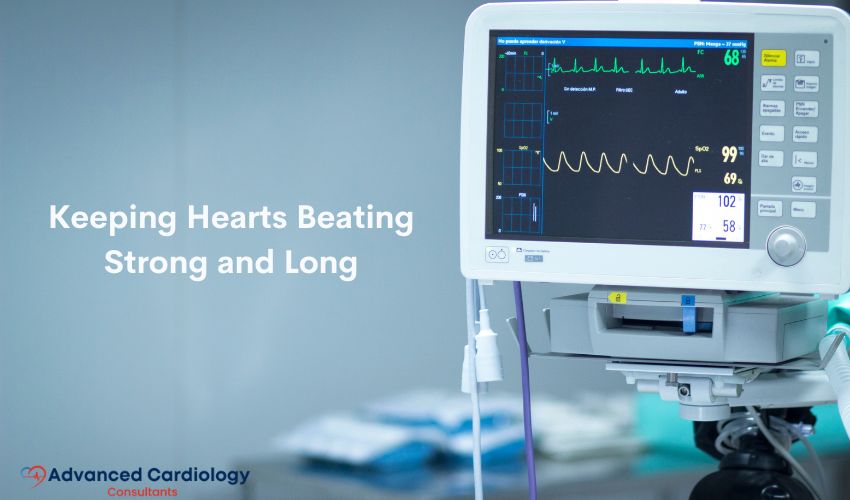
While a device is in place, the ICU team closely monitors blood pressure, heart function on echocardiograms, kidney function, blood counts, and the device’s position. These measurements help decide when support can be reduced and removed.

It cannot:

  • Repair the heart or treat the underlying cause by itself
  • Be used long term; these are temporary devices, different from a surgically implanted, durable LV assist device
  • Ensure that the heart will recover; outcomes depend on the cause and severity of illness

Balloon Pump vs. Impella

A balloon pump assists the heart indirectly by changing pressure in the aorta and generally provides less support. An Impella pumps blood directly and can provide more support but may carry a higher risk of bleeding and blood vessel complications. The choice depends on how much support is needed, the patient’s blood vessels, and other factors.

cardiologist near me

What to Expect in the Hospital

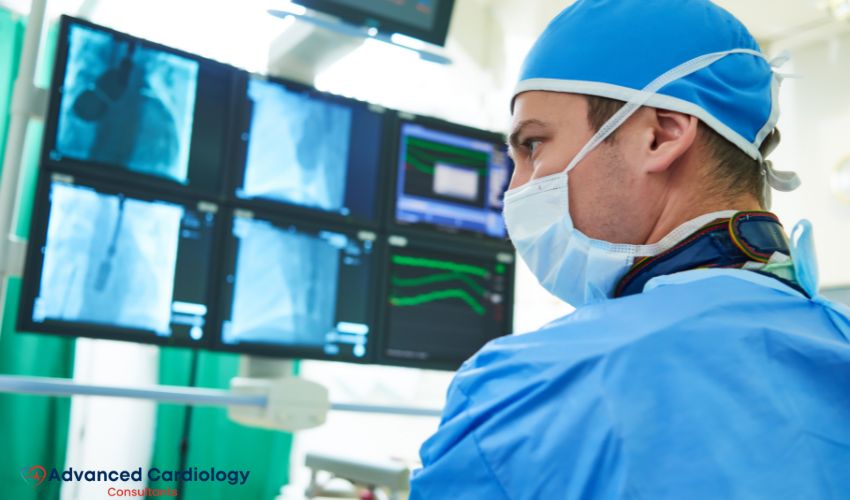
Device placement happens in a hospital catheterization laboratory or operating room, often during an emergency. When there is time, the team explains the plan to the patient or family. Using X-ray and sometimes ultrasound guidance, the physician guides the device through an artery, usually in the groin and occasionally in the arm, into position. The patient is then cared for in an intensive care or cardiac care unit, usually lying fairly flat with the leg kept still to protect the access site. Blood thinners are typically given to prevent clots on the device, and the team checks circulation in the leg, kidney function, and blood counts regularly.

Preparation for a Planned Procedure

If temporary support is planned ahead of a high-risk procedure, follow the specific instructions your care team and the hospital give you. Some medicines, including blood thinners and diabetes medicines, may need to be adjusted, but only as directed; do not stop any medication on your own. Imaging of the leg arteries may be done first to check that they can accommodate the device.

Risks

These devices are used in very ill patients and carry significant risks, including bleeding, injury to the artery, reduced blood flow to the leg, damage to red blood cells, blood clots, stroke, infection, and device malfunction. Impella devices can also affect the aortic valve. The heart team weighs these risks against the expected benefit for each patient.

Recovery

Recovery varies widely and depends mainly on the illness that required support. Some patients have the device removed within a day or two; others need longer support or further treatment. Hospital stays are often longer than for routine heart procedures, and cardiac rehabilitation is often part of recovery.

Questions Families Often Ask

Is this the same as an LVAD? No. Impella and balloon pumps are temporary. A durable LVAD is implanted surgically for long-term support at specialized centers.

Can my loved one move while the device is in? Movement is usually limited to protect the device and access site. The nursing team will explain what is safe.

Who decides when it comes out? The hospital heart team, based on blood pressure, heart function, and how the body is responding.

Sources: NHLBI: Heart Failure · NHLBI: Cardiac Catheterization · MedlinePlus: Heart Failure · AHA: Warning Signs of a Heart Attack


cardiologist houston

When Might LV Support Be Discussed?

Most decisions about temporary LV support are made in the hospital, often urgently. You or your family may discuss it with the heart team if:

  • You are in the hospital with cardiogenic shock after a heart attack or surgery
  • You have severe heart failure that is worsening despite hospital treatment
  • You are being planned for a complex, high-risk angioplasty and have very weak heart function
  • You are being evaluated for advanced therapies such as a durable LVAD or transplant

In the office, Dr. Khalid can review your heart function, discuss whether a planned procedure might involve temporary support, and explain the options for advanced heart failure care or a low ejection fraction.

Call 911 for chest discomfort that lasts more than a few minutes or comes and goes, severe shortness of breath, fainting, confusion, cold and clammy skin, or stroke signs such as face drooping, arm weakness, or speech difficulty. These need emergency care, not an office appointment.

Insurance and Coverage

Most major insurance plans are accepted, and coverage is verified individually. LV support devices are used during hospital care, so hospital charges are billed separately. Our staff can help with questions about office visits and authorizations for planned procedures.

houston cardiology consultants

Decisions After LV Support

Temporary support helps the hospital team plan the next steps. Depending on how the heart responds, these may include:

  • Gradually reducing and removing the device as the heart recovers
  • Completing a procedure, such as angioplasty, with support in place
  • Referral to an advanced heart failure center for evaluation for a durable LVAD or transplant
  • Starting or adjusting heart failure medicines and planning cardiac rehabilitation
  • Discussions about goals of care when recovery is unlikely

After discharge, Dr. Khalid can follow your care at the Katy or Sugar Land office.

New Patient Paperwork At Advanced Cardiology

Please print out your paperwork and bring it to your appointment at Advanced Cardiology. If your insurance requires authorization, please be sure to have that information sent to our office or bring it with you to your appointment, along with any medical records you may have. Please also make sure to bring your insurance cards, photo ID, and medication list.

Thank you, and we look forward to meeting you! Contact us today with any questions.

Call to Schedule Your Appointment!

Most insurance plans accepted
(713) 258-6111

Katy & Sugar Land Cardiologist

We evaluate and treat adult heart and vascular conditions, such as coronary artery disease, heart rhythm disorders, valve disease and heart failure.

About our Cardiologist: Comments from our Patients

# Cooperative & professional staff. Dr. Khalid is highly competent & experienced. Very kind & friendly too.

# He’s A Very Caring & Concerned Doctor. He Asks Important Questions, He Allows Me To Ask Questions & Fully Answers To My Satisfaction. He Diagnosis & Does Whatever It Takes To Fix My Health Issues. He’s A Wonderful Doctor…& Most Of All, I Trust Him & His Staff.

Read More…..

Why Is My Heart Racing Suddenly? Understanding Heart Palpitations, Fast Heartbeat Causes, Anxiety, Arrhythmias, and When to See a Cardiologist

Why Is My Heart Racing Suddenly? Understanding Heart Palpitations, Fast Heartbeat Causes, Anxiety, Arrhythmias, and When to See a Cardiologist

Heartbeat Causes, Anxiety, Arrhythmias, and When to See a Cardiologist A sudden racing heartbeat can feel alarming, uncomfortable, and sometimes frightening, especially when it happens unexpectedly while resting, sleeping, working, or walking. Many people describe the sensation as pounding in the chest, fluttering, skipped beats, rapid heartbeat, heart thumping, or a feeling that the heart […]

read more

Why Does My Back Hurt With Chest Pain?

Back pain together with chest pain can feel frightening, physically exhausting, and emotionally overwhelming, especially when symptoms appear suddenly or spread between the chest, shoulders, and upper back. Many individuals initially assume they are experiencing muscle strain, poor posture, or stress-related tension, only to later discover that chest and back pain may also indicate serious […]

read more
Why Does My Jaw Hurt With Chest Pain

Why Does My Jaw Hurt With Chest Pain?

Jaw pain together with chest pain can feel frightening and confusing, especially when symptoms appear suddenly or spread from the chest toward the neck, shoulders, or jaw. Many people do not immediately associate jaw discomfort with heart disease, which is why these symptoms are sometimes ignored until they become severe. However, jaw pain can be […]

read more
Weak and Shaky With Chest Pain

Why Do I Feel Weak and Shaky With Chest Pain?

Feeling weak and shaky together with chest pain can be frightening and emotionally overwhelming, especially when symptoms appear suddenly or worsen rapidly. Some individuals describe symptoms as trembling, chest tightness, weakness in the arms or legs, dizziness, chest pressure, rapid heartbeat, sweating, or feeling as though they may faint. Others experience nausea, blurred vision, shortness […]

read more
ER for Chest Pain

Should I Go to the ER for Chest Pain?

Chest pain is one of the most common reasons people visit emergency rooms, and for good reason. While some chest discomfort may result from mild conditions such as acid reflux, anxiety, or muscle strain, chest pain can also signal life-threatening emergencies involving the heart, lungs, blood vessels, or circulation system. In some situations, delaying treatment […]

read more
Appendix Burst

How Do I Know If My Appendix Burst?

Severe abdominal pain can feel frightening, exhausting, and overwhelming, especially when symptoms suddenly worsen or spread throughout the abdomen. Many people initially dismiss stomach pain as indigestion, food poisoning, gas, or minor illness, only to later discover they are experiencing appendicitis or even a ruptured appendix. A burst appendix, also called a ruptured appendix, is […]

read more

Katy & Sugar Land Cardiologist

Request a Cardiology Appointment

Advanced Cardiology welcomes new patients at its offices in Katy and Sugar Land. Call our office or send an appointment request, and our staff will follow up.

Call to Schedule Your Appointment

Most major insurance plans accepted; coverage is verified individually.

For possible heart attack or stroke symptoms, call 911.

Need Consultation / Appointment

Call Now Direction