
What Are the Signs of Blocked Arteries in the Heart?
Signs of blocked heart arteries include chest pressure with exertion, breathlessness and fatigue. Learn the warning signs, risk factors, tests and treatment.
Cardiologist Serving Katy, Sugar Land, Greater Houston
When fainting, palpitations or a suspected arrhythmia happens too rarely to catch with a wearable monitor, an implantable loop recorder can watch your heart rhythm for years. Our board-certified cardiologist evaluates whether this option fits your situation and follows the data it collects.

Dr. Khalid reviews your symptoms, history and test results himself
Visits in Katy and Sugar Land
Catheter and device procedures at an affiliated hospital
Office follow-up on medicines and risk factors
A long-term rhythm recorder, also called an implantable loop recorder (ILR) or insertable cardiac monitor, is a small device placed just beneath the skin of the chest. It monitors your heart’s electrical activity continuously for months or years, depending on the device. It automatically saves recordings when it detects certain abnormal rhythms, and you can also use a small handheld activator or phone app to save a recording when you feel symptoms such as palpitations or lightheadedness, or after a fainting episode. Many devices send data remotely so your care team can review it between visits.
A loop recorder is usually considered after shorter tests, such as an EKG, a Holter monitor or an event monitor, have not explained symptoms that happen only every few weeks or months. Insertion is a minor procedure performed in a hospital or procedural setting, typically with local numbing medicine through a small incision. Our office will explain where your procedure is scheduled.
Advanced Cardiology sees patients at our Katy and Sugar Land offices, including patients from Richmond and nearby communities. Your care is overseen by Dr. Adnan Khalid, a board-certified cardiologist, who assesses your symptoms, discusses whether a rhythm recorder is right for you and reviews the data the device collects to guide treatment.

Adnan Khalid, MD, Cardiologist
Adnan Khalid, MD, specializes in treating coronary artery disease, peripheral artery disease, heart failure, hypertension, arrhythmias, and hyperlipidemia. He has over 10 years of experience in the field of cardiovascular medicine.
Dr. Khalid graduated from his medical school among the top 10 out of 250 medical students in his class. He is fellowship trained in cardiovascular diseases, interventional cardiology, advanced heart failure, and transplant cardiology. He is focused on providing personalized and compassionate care. Dr. Khalid believes in spending time with his patients and listening to their needs and is committed to offering excellent care.
Dr. Khalid is an avid reader. He is eager to learn new things, and he likes to work out and spend time with his family. When off from work, he likes to travel and spend time in nature along with family and friends. He is married with three children. Dr. Adnan Khalid is now seeing patients at our Katy and Sugar Land clinics—accepting new patients from Houston and surrounding areas.
American Board of Internal Medicine
Interventional Cardiology
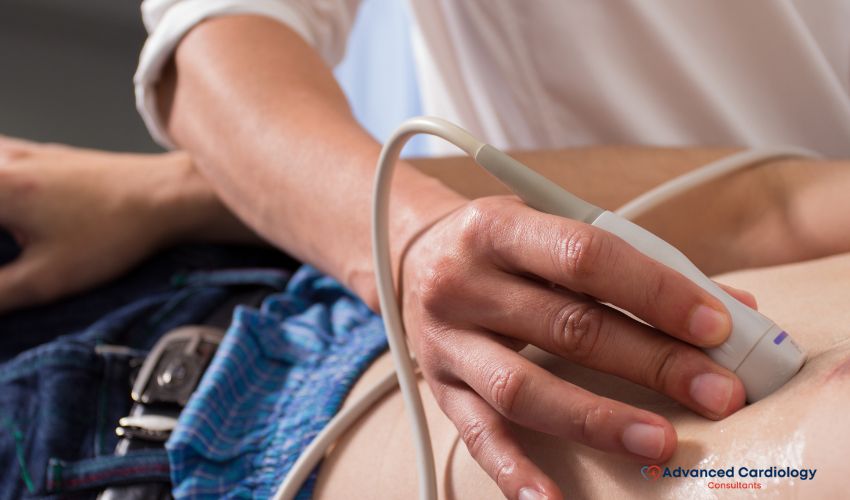
Your cardiologist may recommend a long-term rhythm recorder when symptoms are infrequent and standard EKGs, Holter monitors or event monitors have not captured them. Because the device stays in place for an extended time, it has a much better chance of recording your rhythm at the moment an uncommon symptom happens.
Unexplained Fainting (Syncope)
Why it matters: Sudden loss of consciousness can sometimes be caused by a heart rhythm disturbance.
How long-term monitoring helps: Records electrical activity at the time of an episode, even months apart, helping confirm or rule out an arrhythmia as the cause. Learn more about dizziness and fainting evaluation.
Infrequent Palpitations or Irregular Heartbeats
Why it matters: Occasional episodes can be hard to capture during a 24- to 48-hour Holter test or a few weeks of wearable monitoring.
How long-term monitoring helps: Can detect rare episodes of AFib, SVT or other arrhythmias that come and go unpredictably.
Suspected Silent Atrial Fibrillation
Why it matters: AFib without symptoms still raises stroke risk.
How long-term monitoring helps: Continuous monitoring can catch brief episodes that you may not notice. Read about atrial fibrillation care.
Stroke or TIA of Unknown Cause
Why it matters: Some strokes without a clear cause are related to AFib that has not been detected.
How long-term monitoring helps: Provides extended monitoring to look for rhythm disturbances that may affect prevention decisions. See our page on post-stroke cardiac care.
Follow-Up of a Known Arrhythmia
Why it matters: After treatment such as ablation, some patients need longer rhythm tracking.
How long-term monitoring helps: Helps assess whether an arrhythmia has returned.
Emergency symptoms: A loop recorder is not an emergency alert system. Call 911 for chest discomfort that lasts more than a few minutes or goes away and comes back; shortness of breath; discomfort in the arms, back, neck, jaw or stomach; a cold sweat, nausea or lightheadedness; or stroke signs such as face drooping, arm weakness or speech difficulty, even if they go away.
Long-term rhythm recorders provide insight into your heart’s electrical activity over months, capturing events that short-term tests might miss.
Common Findings from Long-Term Monitoring:
Atrial fibrillation (AFib):
Often silent or intermittent, AFib increases stroke risk. If AFib is found, your cardiologist will discuss stroke prevention, which may include blood-thinning medicine depending on your overall risk.
Bradycardia (slow heart rate) or pauses:
Significant pauses or slow rhythms linked to symptoms may lead to a discussion about a pacemaker.
Tachyarrhythmias (fast heart rhythms):
Includes supraventricular tachycardia (SVT) and ventricular tachycardia, which can cause palpitations, dizziness or more serious problems.
Heart block:
Interruptions in the heart’s electrical signals may be detected and may need further evaluation or treatment.
Symptom-rhythm correlation:
Links symptoms like dizziness, palpitations or fainting with what your heart was doing at the time. A normal rhythm during a symptom is also helpful, because it points toward other causes.
A loop recorder monitors rhythm only. It does not treat arrhythmias, pace the heart or deliver shocks, and it does not show blocked arteries, heart muscle strength or valve problems. It records selected episodes rather than every heartbeat, so very brief events may not always be captured.
Based on the results, your cardiologist may recommend medication changes, an ablation referral, device implantation or other treatment—or reassurance if no significant rhythm problem is found.

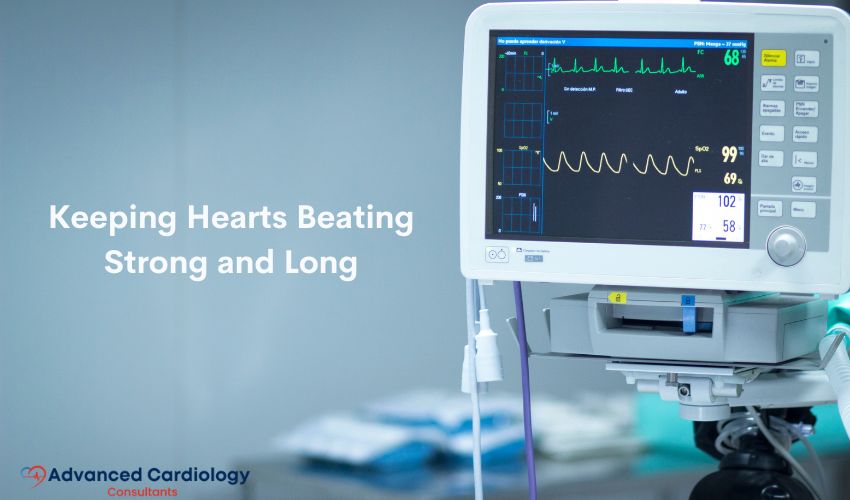
If you have unexplained heart symptoms or your cardiologist suspects an intermittent arrhythmia that has not shown up on short-term tests, a long-term rhythm recorder can provide answers.
Long-term rhythm monitoring may be considered if:
You have unexplained fainting, near-fainting or palpitations that happen infrequently
EKG, Holter or event monitor results were inconclusive, but symptoms continue
You have had a stroke or TIA without a clear cause
Your cardiologist wants to track a known arrhythmia or the effect of treatment over time
A rhythm strip records for minutes, a Holter monitor records every beat for about one to two days, an event monitor or mobile cardiac telemetry (MCT) covers several weeks, and an implantable loop recorder can monitor for years. A loop recorder involves a minor procedure, so it is usually chosen when symptoms are rare and wearable options have not provided an answer.
Finding an arrhythmia earlier can help your cardiologist recommend treatment that may lower the risk of related complications, such as stroke in people with AFib.
Advanced Cardiology accepts most major insurance plans, and coverage is verified individually. Coverage for the device, the implant procedure and remote monitoring depends on medical necessity and your plan, and prior authorization may be required, so please confirm with our office or your insurance provider before your procedure.
Whether you are dealing with unexplained fainting, irregular heartbeats or stroke risk, the recorded data helps your cardiologist make decisions such as:
Starting or adjusting heart medicines based on detected arrhythmias
Referring for additional treatment, such as ablation or pacemaker placement
Identifying the cause of fainting and planning steps to reduce future episodes
Tailoring stroke-prevention and lifestyle recommendations
The device is inserted in a hospital or procedural setting. The skin over the chest is cleaned and numbed, and the recorder is placed under the skin through a small incision, which is then closed. The procedure is usually brief. Your care team will give you specific instructions about eating, drinking and any medicines, including blood thinners, before the procedure; do not stop any medicine on your own.
Possible risks include bruising, bleeding, pain at the site, infection and, rarely, device movement. Most people return to usual activities soon, but recovery varies, so follow the wound-care and activity instructions you are given. Contact our office if you notice increasing redness, swelling, warmth, drainage or fever.
Recordings are reviewed through remote transmissions and follow-up visits. Dr. Khalid will explain any findings and next steps. When monitoring is no longer needed, or the battery runs low, the device can be removed in another minor procedure.
The device is small, and many people can see or feel a slight bump under the skin, especially early on. Ask your care team about any precautions for your specific device, such as before imaging tests or travel screening.
Sources: NHLBI: Heart Tests; NHLBI: Arrhythmias; MedlinePlus: Fainting; American Stroke Association: Stroke Symptoms.
Please print out your paperwork and bring it to your appointment at Advanced Cardiology. If your insurance requires authorization, please be sure to have that information sent to our office or bring it with you to your appointment, along with any medical records you may have. Please also make sure to bring your insurance cards, photo ID, and medication list.
Thank you, and we look forward to meeting you! Contact us with any questions.
Most insurance plans accepted
(713) 258-6111
Katy & Sugar Land Cardiologist
# Cooperative & professional staff. Dr. Khalid is highly competent & experienced. Very kind & friendly too.
# He’s A Very Caring & Concerned Doctor. He Asks Important Questions, He Allows Me To Ask Questions & Fully Answers To My Satisfaction. He Diagnosis & Does Whatever It Takes To Fix My Health Issues. He’s A Wonderful Doctor…& Most Of All, I Trust Him & His Staff.
Read More…..
Signs of blocked heart arteries include chest pressure with exertion, breathlessness and fatigue. Learn the warning signs, risk factors, tests and treatment.
Sudden high blood pressure can come from stress, pain, caffeine, missed pills or decongestants. Learn when 180/120 is an emergency and how to prevent spikes.
Skipped heartbeats are usually premature beats (PACs or PVCs) triggered by caffeine, stress or poor sleep. Learn when they are harmless and when to get checked.
Anxiety can cause chest pain and a pounding heart, but so can heart problems. Learn how they differ, how doctors rule out heart causes and when to call 911.
Early signs of heart failure include breathlessness, fatigue, ankle swelling and rapid weight gain. Learn the symptoms, risk factors and how it is diagnosed.
A suddenly racing heart is often stress, caffeine or dehydration, but can be SVT or atrial fibrillation. Learn the causes, warning signs and when to call 911.
Katy & Sugar Land Cardiologist
Advanced Cardiology welcomes new patients at its offices in Katy and Sugar Land. Call our office or send an appointment request, and our staff will follow up.
Most major insurance plans accepted; coverage is verified individually.
For possible heart attack or stroke symptoms, call 911.