
What Are the Signs of Blocked Arteries in the Heart?
Signs of blocked heart arteries include chest pressure with exertion, breathlessness and fatigue. Learn the warning signs, risk factors, tests and treatment.
Cardiologist Serving Katy, Sugar Land, Greater Houston

Dr. Khalid reviews your symptoms, history and test results himself
Visits in Katy and Sugar Land
Catheter and device procedures at an affiliated hospital
Office follow-up on medicines and risk factors
Advanced Cardiology has no office in Stafford. Patients from Stafford usually see Adnan Khalid, MD, at our nearby Sugar Land office, 7102 Tarrington Ave, Suite 505, and some choose our Katy office at 410 W Grand Pkwy S, Suite 4D. Dr. Khalid evaluates symptoms such as chest discomfort, palpitations and shortness of breath, and treats long-term heart and blood vessel conditions.
Most patients from Stafford find our Sugar Land office the more convenient choice, although you are welcome at the Katy office if that suits your schedule better. Both are part of one practice with one physician, so your history and results are available at either location.
Call (713) 258-6111 to schedule or ask a question. Hours can differ by location, so please call to confirm office hours for each office. If you have symptoms that could be an emergency, call 911 rather than leaving a message or sending an online request.
Not sure whether a symptom needs a cardiologist? That is a common question. Many symptoms that feel like they come from the heart turn out to have other causes, such as acid reflux, a strained muscle, anxiety, anemia, dehydration or a thyroid problem. Others do point to a heart condition that benefits from early treatment. A careful history, exam and, when useful, targeted testing help sort out which is which. Your primary care doctor can also help you decide whether a cardiology visit is the right next step.
These are some of the symptoms that bring people to our Sugar Land office. Each links to a page with more detail:
Sudden or severe symptoms are different: see the 911 guidance at the end of this page.
If your primary care doctor, an urgent care clinic or a hospital has already done tests, ask them to send the results to our office before your visit. Repeating tests is not always necessary, and earlier results help show whether anything has changed. Some insurance plans require a referral to see a specialist, and our staff can help you check.

Adnan Khalid, MD, Cardiologist
Adnan Khalid, MD, specializes in treating coronary artery disease, peripheral artery disease, heart failure, hypertension, arrhythmias, and hyperlipidemia. He has over 10 years of experience in the field of cardiovascular medicine.
Dr. Khalid graduated from his medical school among the top 10 out of 250 medical students in his class. He is fellowship trained in cardiovascular diseases, interventional cardiology, advanced heart failure, and transplant cardiology. He is focused on providing personalized and compassionate care. Dr. Khalid believes in spending time with his patients and listening to their needs and is committed to offering excellent care.
Dr. Khalid is an avid reader. He is eager to learn new things; he likes to work out and spend time with his family. When off from work, he likes to travel and spend time in nature along with family and friends. He is married with three children.
American Board of Internal Medicine
Interventional Cardiology
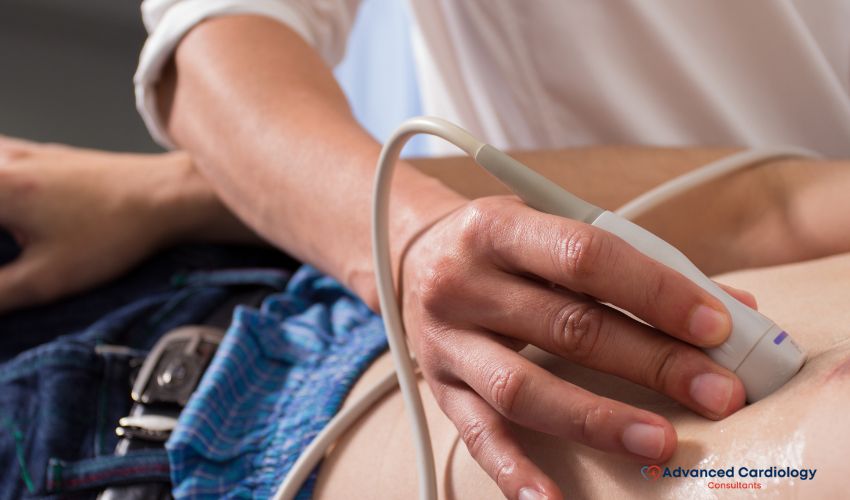
Sometimes they are, and sometimes they are not. Here is how a cardiologist thinks about three of the most common symptoms:
Dr. Khalid looks at the pattern of your symptoms, your risk factors and your exam together. Testing is chosen to answer specific questions rather than ordered as a routine package.
What about dizziness or fainting? Lightheadedness is often related to dehydration, medicines or standing up quickly. Fainting during exercise, fainting without warning, or fainting with palpitations or chest pain deserves prompt medical attention, because it can occasionally signal a rhythm or structural heart problem.
Expect plenty of questions. Dr. Khalid will ask you to describe your symptoms in your own words: what they feel like, how long they last, what brings them on and whether anything relieves them. He reviews your medical and family history, current medicines and lifestyle, then examines your heart, lungs, blood pressure and pulses. An EKG may be done in the office.
By the end of the visit, you should know his initial impression, whether tests are recommended and what to do if symptoms change before your next appointment.
The practice accepts new patients. To request an appointment, call (713) 258-6111 or submit our secure appointment request form. Advanced Cardiology accepts most major insurance plans; coverage is verified individually, so our staff will confirm your benefits and any referral requirements before your visit.
Bring your insurance card, a photo ID, your medicines or a complete list, and any recent EKGs, lab work or hospital records.
For some follow-up visits, you can ask our office whether a video visit is appropriate; telehealth rules depend on where you are located during the visit.
Diagnoses
An evaluation may confirm that your heart is healthy, or it may identify a condition that needs treatment or monitoring. Dr. Khalid evaluates and manages a range of heart and blood vessel problems.
Arrhythmias: rhythm problems such as atrial fibrillation, supraventricular tachycardia (SVT), frequent premature beats or a slow heart rate.
Coronary artery disease: narrowed heart arteries that can cause chest discomfort or breathlessness with exertion.
Heart failure: reduced pumping or filling of the heart, often with fatigue, breathlessness or swelling.
Heart valve disease: a leaking or narrowed valve, sometimes first heard as a murmur.
High blood pressure: a common, often silent condition that strains the heart and blood vessels over time.
Just as important, an evaluation can show that your heart is not the cause of your symptoms. In that case, Dr. Khalid shares what he found with your primary care doctor so the search for the cause can continue in the right direction.
Testing
Heart tests are not interchangeable. Dr. Khalid recommends the ones most likely to answer your question. EKGs are done in the office; the other tests below are performed or arranged by our office, and our team tells you where each will take place.
Follow the preparation instructions your care team gives you, and do not stop any medicine unless they tell you to.
Dr. Khalid reviews your results and discusses them with you, usually at a follow-up visit or by phone. Wearable monitors often work best when you write down what you felt and when, so the recording can be matched to your symptoms. Results are one part of the picture and are always interpreted alongside your history and exam.
Treatment
If your evaluation finds a heart condition, Dr. Khalid explains the options and the reasons for each recommendation. Depending on the diagnosis, treatment may include:
Follow-up visits track how you are doing and whether the plan needs adjustment. Use our prescription request page for refills.
An office visit is not the right place for a possible heart attack or stroke. Call 911 for chest discomfort lasting more than a few minutes or that goes away and returns; shortness of breath; discomfort in the arms, back, neck, jaw or stomach; or a cold sweat, nausea or lightheadedness. Call 911 for sudden face drooping, arm weakness or slurred speech, even if it goes away. Fainting with chest pain or a racing heartbeat also needs emergency care.
Sources: American Heart Association: Warning Signs of a Heart Attack · MedlinePlus: Chest Pain · MedlinePlus: Arrhythmia · NHLBI: Heart Tests
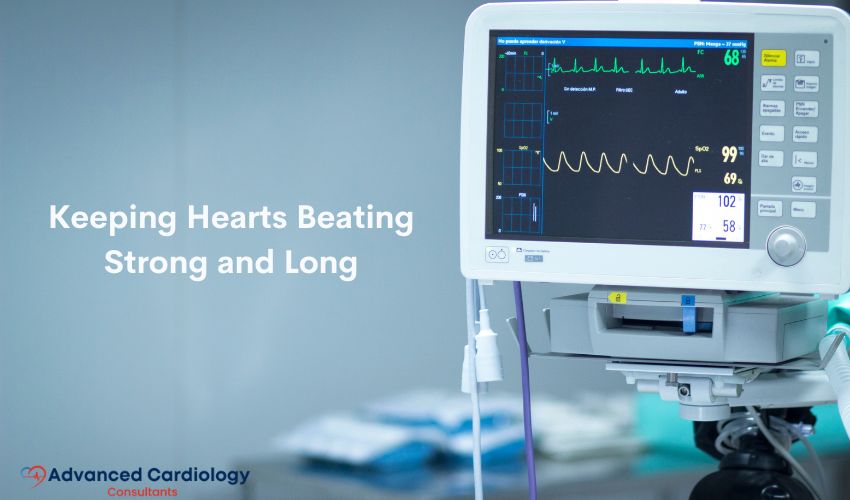

Please print out your paperwork and bring it to your appointment at Advanced Cardiology. If your insurance requires authorization, please be sure to have that information sent to our office or bring it with you to your appointment, along with any medical records you may have. Please also make sure to bring your insurance cards, photo ID, and medication list.
Thank you, and we look forward to meeting you! Contact us today with any questions.
Most insurance plans accepted
(713) 258-6111
Katy & Sugar Land Cardiologist
# Cooperative & professional staff. Dr. Khalid is highly competent & experienced. Very kind & friendly too.
# He’s A Very Caring & Concerned Doctor. He Asks Important Questions, He Allows Me To Ask Questions & Fully Answers To My Satisfaction. He Diagnosis & Does Whatever It Takes To Fix My Health Issues. He’s A Wonderful Doctor…& Most Of All, I Trust Him & His Staff.
Read More…..
Signs of blocked heart arteries include chest pressure with exertion, breathlessness and fatigue. Learn the warning signs, risk factors, tests and treatment.
Sudden high blood pressure can come from stress, pain, caffeine, missed pills or decongestants. Learn when 180/120 is an emergency and how to prevent spikes.
Skipped heartbeats are usually premature beats (PACs or PVCs) triggered by caffeine, stress or poor sleep. Learn when they are harmless and when to get checked.
Anxiety can cause chest pain and a pounding heart, but so can heart problems. Learn how they differ, how doctors rule out heart causes and when to call 911.
Early signs of heart failure include breathlessness, fatigue, ankle swelling and rapid weight gain. Learn the symptoms, risk factors and how it is diagnosed.
A suddenly racing heart is often stress, caffeine or dehydration, but can be SVT or atrial fibrillation. Learn the causes, warning signs and when to call 911.
Katy & Sugar Land Cardiologist
Advanced Cardiology welcomes new patients at its offices in Katy and Sugar Land. Call our office or send an appointment request, and our staff will follow up.
Most major insurance plans accepted; coverage is verified individually.
For possible heart attack or stroke symptoms, call 911.