
Cardiologist Serving Katy, Sugar Land, Greater Houston
Heart Rhythm Care
A heart that races when you are sitting still, wakes you at night, or takes off without warning is hard to ignore. A resting heart rate above 100 beats per minute is called tachycardia. It is often a normal response to stress, caffeine, fever, or dehydration, but it can also be a sign of an arrhythmia, a thyroid problem, anemia, or a heart that is working too hard. At Advanced Cardiology, Adnan Khalid, MD evaluates rapid heart rate to identify what kind of fast rhythm it is, what is driving it, and whether it needs treatment.
Patients are seen at our Katy and Sugar Land offices, and rhythm monitoring is performed or arranged by our office when it is needed.
Board-Certified Cardiologist • Katy & Sugar Land • New Patients Welcome
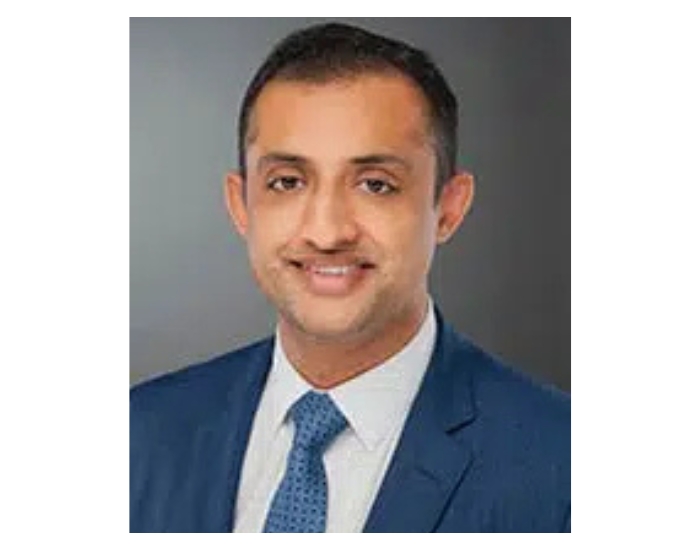
Dr. Khalid reviews your symptoms, history and test results himself
Visits in Katy and Sugar Land
Catheter and device procedures at an affiliated hospital
Office follow-up on medicines and risk factors
Important Safety Information
Call 911 if a fast heartbeat comes with chest pain, pressure, or discomfort that lasts more than a few minutes or goes away and comes back; shortness of breath; discomfort in the arms, back, neck, jaw, or stomach; a cold sweat, nausea, or lightheadedness; fainting or near-fainting; or confusion. Also call 911 for possible stroke signs such as face drooping, arm weakness, or speech difficulty, even if they go away. A pulse that stays very fast at rest (for example, well above 150) and will not settle is another reason to get emergency care.
A very fast rhythm can reduce blood flow to the brain and heart, and some rhythms are dangerous in themselves, so do not wait to see whether symptoms become severe, and do not drive yourself. If you are unsure, call 911. Office phone messages and online appointment requests are not for emergencies. This page is for patients whose fast heart rate is recurring, unexplained, or persistent but not currently an emergency.
Understanding Your Symptoms
Tachycardia is a heart rate over 100 beats per minute at rest. The number alone says little; what matters is where the fast rhythm starts and why. The heart’s normal pacemaker, the sinus node, speeds up on purpose in response to exercise, anxiety, pain, fever, dehydration, anemia, an overactive thyroid, caffeine, or stimulants. That is sinus tachycardia, and it is a symptom of something else rather than a heart problem in its own right.
Arrhythmias are different. In supraventricular tachycardia (SVT), an extra electrical pathway lets the rhythm take off suddenly to 150 to 250 beats per minute and stop just as abruptly. In atrial fibrillation, the upper chambers quiver chaotically and the pulse becomes fast and irregular. Ventricular tachycardia arises in the lower chambers and can be dangerous, particularly in someone with a weakened heart.
Patients describe these differently: a pounding they can feel in the throat, a fluttering, a sense that the heart is trying to escape, or simply a smartwatch alert. What you notice, how the episodes begin and end, and what else is happening in your body all help a cardiologist tell one fast rhythm from another.
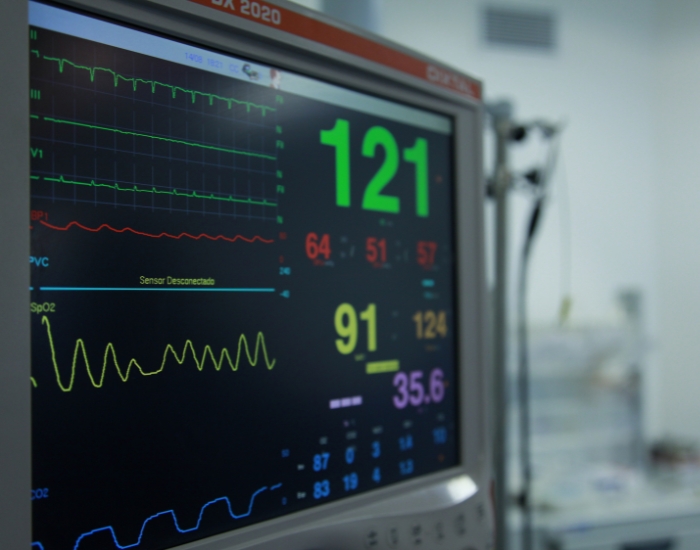
When to Seek Evaluation
A brief racing heart during a stressful meeting or after a third cup of coffee does not need a cardiologist. Evaluation is worthwhile when:
Atrial fibrillation in particular can be present without obvious symptoms and raises stroke risk, so an irregular fast pulse should be evaluated even if it does not feel dramatic.
Symptoms & Findings
The details around an episode help sort a benign fast rate from an arrhythmia that needs treatment.
An awareness of a pounding, fluttering, or racing heartbeat is the most common complaint. A steady pounding can suggest sinus rhythm and a chaotic flutter can suggest atrial fibrillation, but only a recording during an episode confirms the rhythm.
Episodes that begin and end within a single heartbeat are characteristic of SVT and other re-entrant rhythms.
Feeling faint during a fast rhythm can mean blood pressure is dropping. Fainting or near-fainting during an episode needs emergency care; call 911.
Breathlessness or pressure during a fast heartbeat can mean the heart is not filling or pumping efficiently at that rate.
Feeling drained after an episode, or exhausted for no reason, can accompany atrial fibrillation or a persistently high rate.
Weight loss, heat intolerance, tremor, anxiety, or trouble sleeping alongside a fast pulse point toward a thyroid or other systemic cause.

Meet Your Cardiologist
Adnan Khalid, MD is a board-certified cardiologist who completed his cardiology fellowship at the University of Missouri–Kansas City School of Medicine; his listed specialties include cardiovascular disease, interventional cardiology, and advanced heart failure and transplant cardiology. A fast heart rate sits at the intersection of those fields: it may be a primary rhythm disorder, a response to a weakened or strained heart, or a signal from somewhere else in the body entirely.
Dr. Khalid’s first goal is to capture the rhythm during an episode, because an EKG taken when the heart is beating normally usually cannot identify an arrhythmia that comes and goes. From there he looks for the driver, whether that is the thyroid, anemia, a stimulant, sleep apnea, or the heart itself, and recommends treatment accordingly. When a patient may be a candidate for catheter ablation or an implanted device, he coordinates that care with an electrophysiologist; those procedures are performed in a hospital, not in our office. He continues to manage the overall cardiovascular picture.
Possible Causes
Tachycardia has two broad sources: the heart responding to something else, and the heart’s electrical system misfiring on its own.
Fever, dehydration, anemia, pain, anxiety, an overactive thyroid, low blood sugar, pregnancy, and deconditioning all push the normal pacemaker faster. So do caffeine, nicotine, alcohol, decongestants, asthma inhalers, ADHD medications, and some antidepressants. In these cases the heart is doing its job; the cause is the thing to fix.
Atrial fibrillation and atrial flutter are the most common sustained fast rhythms in adults and become more frequent with age, high blood pressure, sleep apnea, and alcohol use. SVT typically begins in younger adults and causes abrupt episodes. Frequent premature beats can also feel like a racing heart.
Fast rhythms from the lower chambers are less common and more serious, and usually occur in hearts weakened by a prior heart attack, cardiomyopathy, or an inherited electrical condition. Fainting during a fast rhythm is a warning sign that needs emergency care.
In postural orthostatic tachycardia syndrome (POTS) and inappropriate sinus tachycardia, the nervous system’s control of heart rate is disturbed, most often in younger women. These are real conditions with specific treatments.
Your Evaluation
The evaluation has one central aim: to see what the rhythm looks like during an episode. Everything else is built around that.
Dr. Khalid asks how episodes begin and end, how long they last, how fast the pulse gets, what you were doing, and whether anything stops them, such as holding your breath or bearing down. Smartwatch recordings, especially single-lead EKG captures, are useful and worth bringing.
Thyroid disease, anemia, sleep apnea, lung disease, prior heart problems, and family history of arrhythmia are reviewed, along with caffeine, alcohol, stimulant, and supplement use and every prescribed medication.
The exam includes resting and standing heart rate and blood pressure, heart and lung sounds, and signs of thyroid overactivity or anemia. A 12-lead EKG is performed in the office. If you happen to be in an episode at the time, the diagnosis may be made on the spot.
Because most episodes will not occur in the office, the next decision is which monitor fits the pattern of your symptoms, and which blood tests and imaging are needed to find the driver and assess the heart’s structure.
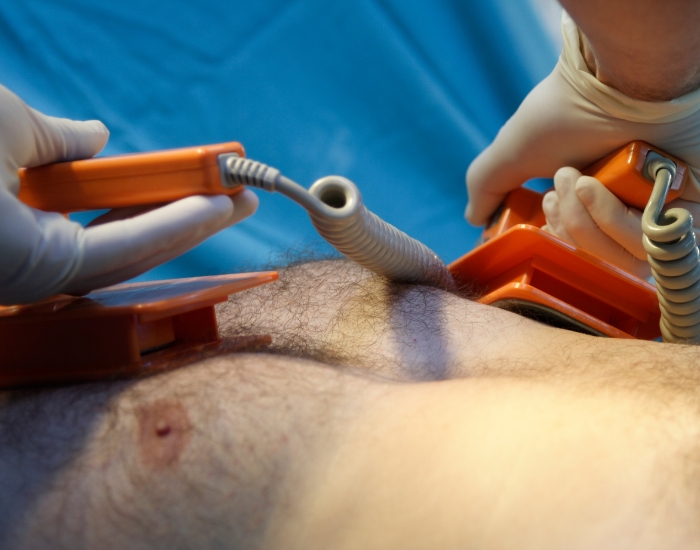
Cardiac Testing
The right monitor depends on how often your episodes occur. The other tests look for a cause and check the heart’s structure. EKGs are performed in our office; other tests are performed or arranged by our office, and no single test answers every question.
The starting point. It documents the resting rhythm and can show signs of an extra pathway, prior heart damage, or thickening that raises arrhythmia risk. A normal resting EKG does not rule out a rhythm that comes and goes.
A wearable recorder for 24 hours to two weeks, best for episodes that happen daily or several times a week.
Worn for up to 30 days and records when you press a button or when it detects an abnormal rate, for episodes that occur weekly or less often.
Thyroid function, blood count, electrolytes, and kidney function identify the most common non-cardiac drivers of a fast rate.
Checks for structural causes and consequences: valve disease, an enlarged atrium that predisposes to atrial fibrillation, or weakened pumping from a persistently fast rate.
Stress testing when episodes occur with exertion, a sleep study when apnea is suspected, or an electrophysiology study coordinated at the hospital when ablation is being considered.
Management
A fast heart rate is treated according to what is producing it. When the rhythm is normal sinus tachycardia, the answer is usually not a heart medication; it is treating the thyroid, correcting anemia, addressing sleep apnea, cutting back on stimulants, or managing anxiety.
For atrial fibrillation, treatment has two parts: controlling the rate or restoring normal rhythm, and reducing stroke risk with an anticoagulant (blood thinner) when your individual stroke risk calls for it. Some patients are candidates for cardioversion or catheter ablation; both are hospital-based procedures, and ablation is coordinated with an electrophysiologist. SVT can often be stopped with simple maneuvers your doctor teaches you; patients with frequent episodes may take a daily medication or choose ablation, which is effective for many forms of SVT.
Ventricular arrhythmias need closer evaluation and are sometimes treated with an implantable defibrillator, alongside treatment of the underlying heart condition. POTS and inappropriate sinus tachycardia may respond to fluid and salt strategies, graded exercise, compression garments, and in some cases medication. Do not start, stop, or change any heart-rhythm medicine or blood thinner on your own; follow the specific instructions from your care team.
Your Visit
Keep a simple log before your visit: the date and time of each episode, how it started and stopped, the pulse rate if you measured it, and what you were doing. Export any smartwatch EKG strips or heart rate graphs. Bring your medication and supplement list, and be open about caffeine, energy drinks, alcohol, and stimulant use; these are common and fixable causes, not judgments.
The visit includes your history, an examination with lying and standing vital signs, and a 12-lead EKG. If monitoring or blood tests are needed, our office will explain how they are arranged and what each result could mean.
If an episode occurs while you are wearing a monitor, that recording often identifies the rhythm, and a follow-up visit sets the treatment plan. Results are reviewed with you at follow-up or as our office arranges.
Katy Cardiology Care
Patients from Katy, Cinco Ranch, Fulshear, and West Houston visit Dr. Khalid at our Katy office for racing or pounding heartbeats, smartwatch alerts, or a persistently fast pulse noticed at a physical. Some are younger adults with sudden episodes that may turn out to be SVT; others are older adults whose irregular fast pulse turns out to be atrial fibrillation.
EKGs are performed in the office, and Holter, event, or mobile cardiac telemetry monitoring is performed or arranged by our office when needed so that an episode can be captured. Echocardiography and lab work are coordinated the same way. For other services at this location, see cardiology care in Katy.
Advanced Cardiology – Katy
410 W Grand Pkwy S Ste 4D
Katy, TX 77494
Phone: (713) 258-6111
Advanced Cardiology – Sugar Land
7102 Tarrington Ave Suite 505
Sugar Land, TX 77479
Phone: (713) 258-6111
Sugar Land Cardiology Care
At our Sugar Land office, Dr. Khalid sees patients from Sugar Land, Richmond, Rosenberg, Missouri City, and Stafford with a fast or irregular heartbeat, including patients referred after a primary care visit or an emergency room evaluation that documented a rapid rate but did not identify the rhythm. High blood pressure, diabetes, and sleep apnea all raise the risk of atrial fibrillation, so these conditions are reviewed at every evaluation.
EKGs are performed in the office; Holter and event monitoring, echocardiography, and laboratory testing are performed or arranged by our office. If an emergency room gave you a copy of an EKG taken during your episode, bring it; it may help identify the rhythm. Learn more about cardiology care in Sugar Land.
Serving Greater Houston
Patients come to the Katy and Sugar Land offices from across Greater Houston, including Cypress, Richmond, Rosenberg, Fulshear, and West Houston, for evaluation of a rapid heart rate. Both offices offer the same physician and the same approach; choose the one that is easier to reach, and the scheduling team can help if you are unsure.
Patient-Centered Cardiology
Care led by Adnan Khalid, MD, whose listed specialties include cardiovascular disease, interventional cardiology, and advanced heart failure.
The right monitor is matched to how often your episodes occur, so the rhythm is caught rather than missed.
Thyroid, anemia, sleep apnea, and stimulants are checked before a fast rate is labeled a heart problem.
You learn what your rhythm is called, why it happens, and what to do when it starts.
Offices in Katy and Sugar Land serving surrounding Greater Houston communities.
New patients are welcome. Most major insurance plans are accepted, subject to eligibility and coverage verification.
Common Questions
Call our office and our staff will help with appointments, referrals and insurance.
A resting heart rate above 100 beats per minute is considered tachycardia. Normal resting rates run from about 60 to 100, and well-conditioned people are often lower. A rate that is persistently above 100 at rest, or that reaches 150 or more without exertion, warrants evaluation.
The most common causes are not heart disease: anxiety, caffeine and other stimulants, dehydration, fever, anemia, an overactive thyroid, and poor sleep. Arrhythmias such as SVT and atrial fibrillation cause sudden or irregular racing. Which one applies depends on how episodes start and stop and what else is going on; testing sorts it out.
It can. Anxiety speeds up the normal pacemaker and is one of the most common causes of a fast heartbeat. But anxiety is a diagnosis made after other causes are excluded, and some arrhythmias produce anxiety as a symptom rather than the other way around. A monitor that captures an episode settles the question.
Sinus tachycardia builds gradually and settles gradually, tracks with activity or stress, and stays regular. SVT starts and stops abruptly, often at rest, and reaches 150 to 250 beats per minute. Atrial fibrillation feels irregular and chaotic. Only an EKG or monitor recording during an episode can confirm which rhythm it is.
See a cardiologist if episodes start and stop suddenly, feel irregular, occur with dizziness, chest discomfort, or breathlessness, are becoming more frequent, or if your resting pulse stays above 100 for days without an obvious reason. A smartwatch alert for an irregular rhythm should also be evaluated.
Testing usually includes an EKG, blood tests for thyroid function and anemia, and a wearable heart monitor for one to four weeks to record the rhythm during an episode. An echocardiogram checks the heart’s structure. Stress testing, a sleep study, or an electrophysiology study may be added depending on the findings.
Yes. A prolonged fast rate can raise blood pressure, cause fatigue and breathlessness, and, if sustained for weeks or months, weaken the heart muscle (tachycardia-induced cardiomyopathy). Atrial fibrillation also raises stroke risk. Both are reasons a persistently fast rate is investigated rather than watched.
Yes, for many patients. SVT can often be interrupted with vagal maneuvers such as bearing down or splashing cold water on the face, if your doctor has shown you how, and catheter ablation, a hospital-based procedure, is effective for many forms. Sinus tachycardia resolves when the cause is treated. Atrial fibrillation is managed rather than cured, but rate control, rhythm control, and stroke prevention can be very helpful.
Call 911 if a fast heartbeat comes with chest discomfort that lasts more than a few minutes or comes and goes, shortness of breath, discomfort in the arms, back, neck, jaw, or stomach, a cold sweat, nausea, lightheadedness, fainting, confusion, or a pulse well above 150 that does not settle with rest. Do not wait for symptoms to become severe; if you are unsure, call 911. Office messages and appointment requests are not for emergencies.
Keep Reading
Related services: Palpitations & Irregular Heartbeat • Atrial Fibrillation & Flutter • Holter Monitor • Event Monitor • Dizziness & Fainting • Abnormal EKG
Sources: NHLBI: Arrhythmias • MedlinePlus: Arrhythmia • MedlinePlus: Holter heart monitor • American Heart Association: Heart attack warning signs
Your cardiologist: Adnan Khalid, MD
Cardiology Appointments
If your heart races without a clear reason, or a fast or irregular pulse keeps coming back, a cardiology evaluation can identify the rhythm, find the cause, and set a plan. Adnan Khalid, MD welcomes new patients at Advanced Cardiology’s Katy and Sugar Land offices.
Katy: 410 W Grand Pkwy S Ste 4D, Katy, TX 77494
Sugar Land: 7102 Tarrington Ave Suite 505, Sugar Land, TX 77479
A fast heartbeat with chest discomfort, shortness of breath, fainting, or confusion can be an emergency. Call 911.
Katy & Sugar Land Cardiologist
Advanced Cardiology welcomes new patients at its offices in Katy and Sugar Land. Call our office or send an appointment request, and our staff will follow up.
Most major insurance plans accepted; coverage is verified individually.
For possible heart attack or stroke symptoms, call 911.
Need Consultation or Appointment?
(If emergency, call 911)