
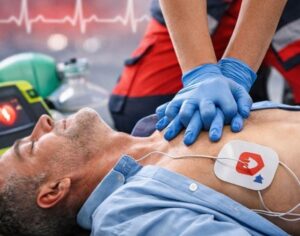
How to Perform CPR on an Adult: Step-by-Step Guide
How to perform CPR on an adult: call 911, push hard and fast 2 inches deep at 100 to 120 per minute, and use an AED. Step-by-step hands-only CPR guide.
Cardiologist Serving Katy, Sugar Land, Greater Houston
Your cardiologist: Adnan Khalid, MD – Interventional Cardiologist
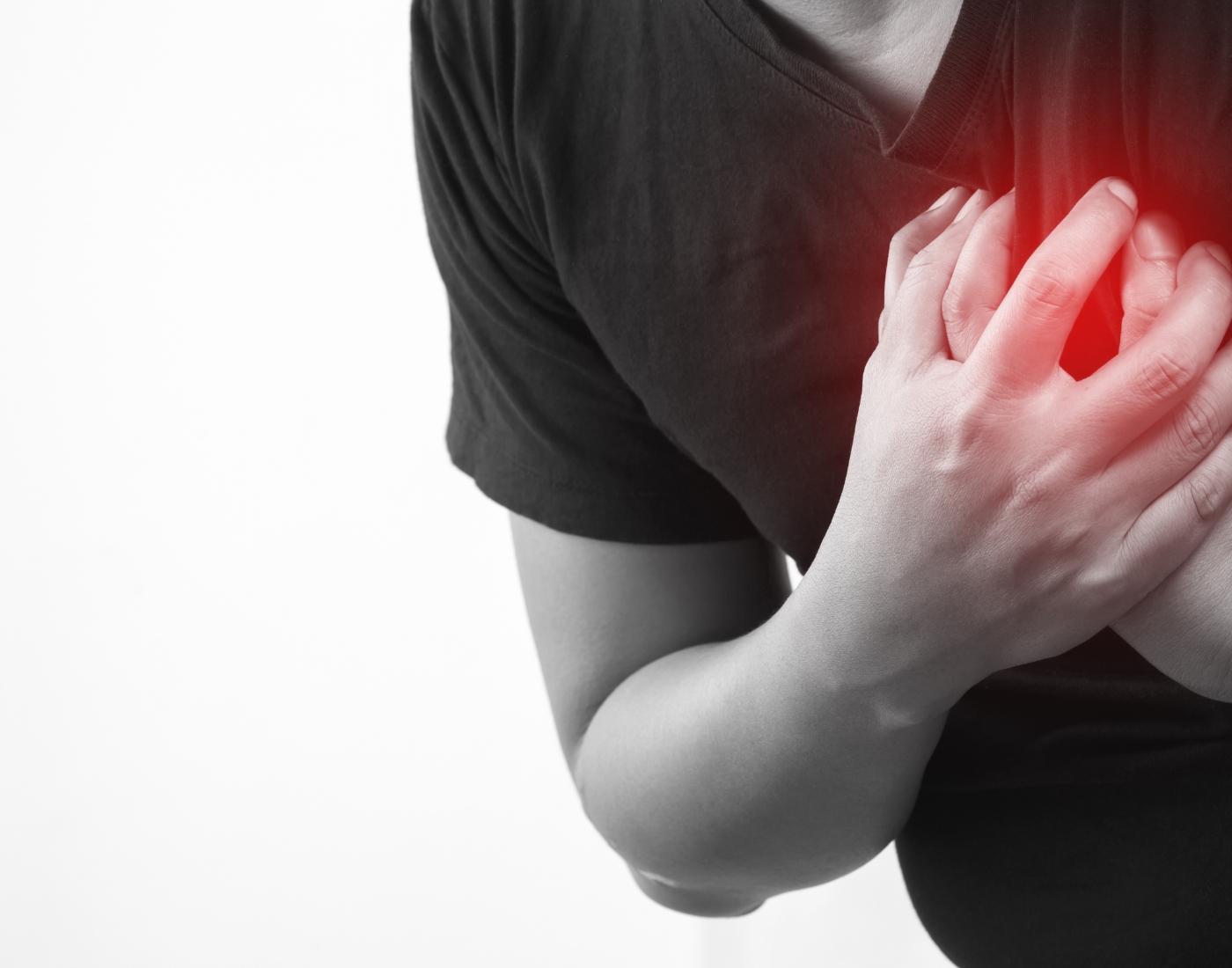
Chest pain can feel alarming, and for good reason. It may come from a simple muscle strain or from something more serious, such as a heart condition. Understanding what your chest pain may mean, and knowing when to seek care, can help you act quickly and protect your health.
If you have chest discomfort that lasts more than a few minutes or goes away and comes back, especially with shortness of breath, sweating, nausea, lightheadedness or discomfort in the arms, back, neck, jaw or stomach, call 911 now. Do not drive yourself and do not wait for an office appointment.
For chest pain that is not an emergency, Dr. Khalid evaluates patients at our Katy and Sugar Land offices to help find the cause and plan the next steps. Learn more about our chest pain evaluation.
Dr. Khalid reviews your symptoms, history and test results himself
Visits in Katy and Sugar Land
Catheter and device procedures at an affiliated hospital
Office follow-up on medicines and risk factors
Chest pain can come from different systems in the body. Although many people think of the heart first, several other structures can produce similar symptoms, which is why proper evaluation matters.
Heart-related causes are often the most serious and should always be considered first. These include a heart attack, angina (chest discomfort caused by reduced blood flow to the heart muscle) and coronary artery disease. These conditions affect blood flow to the heart and can lead to serious complications if not treated.
Chest pain may also come from non-cardiac causes, including:
Lung-related problems such as infections, inflammation or blood clots (a blood clot in the lungs is an emergency)
Musculoskeletal issues such as muscle strain, rib irritation or inflammation
Digestive conditions such as acid reflux or esophageal spasms
Stress and anxiety, which can cause real physical symptoms
Because these causes can feel alike, the cause of chest pain should not be guessed at home.
Heart-related chest pain is often described differently from other types of discomfort. It is less likely to feel like a sharp, pinpoint pain and more likely to feel like a deep pressure.
Patients commonly describe:
A squeezing, tight or heavy feeling in the center of the chest
Discomfort that spreads to one or both arms, the jaw, neck, back or stomach
Shortness of breath during or after the discomfort
A cold sweat, nausea or lightheadedness
This type of discomfort may last for several minutes, go away and come back, or worsen with physical activity. It usually does not change with movement or position. Some people, particularly women, older adults and people with diabetes, may have milder or less typical symptoms, such as unusual tiredness, shortness of breath or nausea without obvious chest pain.
Not every episode of chest pain is dangerous, but telling the difference can be hard. Many people delay care because they are unsure whether their symptoms matter. How strong the pain feels is not a reliable guide: even mild discomfort can be a heart attack.
Pain that is less likely to come from the heart often has a clear trigger, such as a recent strain or injury. It may change when you move, twist or take a deep breath, or hurt when you press on one specific spot.
Chest discomfort that is more concerning for the heart may include:
Pressure or tightness rather than a sharp pain
Discomfort lasting more than a few minutes, or that goes away and comes back
Discomfort that spreads beyond the chest
Symptoms combined with shortness of breath, sweating, nausea or lightheadedness
If you have these symptoms now, call 911.

How long chest pain lasts can provide clues, although it is not the only factor that matters.
Pain that lasts only a second or two is often related to nerves or muscles. Discomfort that continues for more than a few minutes, especially with other symptoms, raises more concern for a heart-related cause and needs emergency care. Chest discomfort that keeps coming back, even if mild, should be evaluated by a clinician.
Heart-related discomfort does not always follow a predictable pattern. Some people have symptoms that come and go before a more serious event occurs.
Advanced Cardiology offers a wide range of outpatient cardiovascular services at our Katy and Sugar Land offices, from preventive heart care to the management of complex heart conditions.
Chest pain becomes more concerning when it starts suddenly or feels different from anything you have had before. Many patients describe a sense that something is “not right,” even when the pain is not severe.
Situations that need attention include:
Pain that begins unexpectedly without a clear cause
Discomfort that comes on with activity or stress
Symptoms that include shortness of breath or unusual tiredness
Episodes with dizziness, sweating or weakness
If these symptoms are happening now or last more than a few minutes, call 911. If they have passed, call our office or your primary care clinician promptly to arrange an evaluation rather than waiting to see if they return.
We diagnose and treat heart and blood vessel conditions, including coronary artery disease, heart rhythm disorders, heart failure, and high blood pressure.
An accurate diagnosis is the foundation of effective treatment. Dr. Khalid uses your history, exam and selected tests to evaluate heart function and look for problems early.
Each test answers a different question about heart rhythm, blood flow or structure, and no single test rules out every problem. Dr. Khalid recommends tests based on your symptoms and history.
Advanced Cardiology is accepting new patients, and most major insurance plans are accepted; coverage is verified individually. Heart-related symptoms should not be ignored, especially when they begin to affect daily life. If you have chest pain that is not an emergency, palpitations, shortness of breath or another heart concern, call (713) 258-6111 to ask about current availability at our Katy or Sugar Land office.
Chest pain caused by anxiety is more common than many people realize. Emotional stress can trigger physical responses that closely resemble heart-related symptoms.
People with anxiety-related chest discomfort often describe:
A sharp or stabbing sensation rather than pressure
A rapid or pounding heartbeat
Tightness that appears during stress or panic episodes
This type of pain may ease with relaxation, slow breathing or time. However, because symptoms can overlap with heart conditions, evaluation is still recommended, especially if the pain is new. Anxiety should not be assumed to be the cause until heart causes have been considered.
One of the most common sources of confusion is the difference between digestive pain and heart-related pain. Both can affect the chest and may feel similar at first.
Heartburn is usually related to acid reflux and often appears after eating. It causes a burning feeling that may move up toward the throat and may improve with antacids. Relief after an antacid does not prove that the heart is not involved.
Heart-related pain is more likely to feel like pressure or heaviness. It may spread to other areas of the body and often comes with symptoms such as shortness of breath or nausea. When the cause is unclear, it is safer to treat the situation as potentially serious and call 911.
Not all chest pain needs emergency care, but ongoing or unexplained symptoms should be evaluated. Early assessment can help find underlying heart conditions before they progress.
Consider a cardiology evaluation if you have:
Recurrent chest discomfort that has already been checked for an emergency
Symptoms that come on with exertion
High blood pressure, high cholesterol or diabetes
A family history of early heart disease
At Advanced Cardiology, an evaluation may include an EKG, heart rhythm monitoring, imaging and a risk assessment, depending on your symptoms.
Chest pain should not be ignored, especially when it is new, recurring or unexplained. Patients from across the Houston area visit our Katy and Sugar Land offices. From the first consultation through any testing, the focus is on finding the cause and explaining the next steps clearly. You can request an appointment for an evaluation based on your symptoms and risk factors.
During your first visit, Dr. Khalid focuses on understanding your health history, current symptoms and lifestyle. The appointment typically includes a medical history review, a discussion of your concerns, a physical examination and diagnostic testing if it is needed. Based on these findings, he will recommend a plan for your situation.
Please bring a list of your medicines and any recent test results. Ask questions so you understand your condition and the recommended next steps.
If you have symptoms that are not an emergency, or want to take charge of your heart health, scheduling an evaluation is a good first step. Addressing heart problems early can help lower the risk of complications.
Many people search for answers before deciding to seek care. General information can be helpful, but it should not replace a professional evaluation.
Common questions include whether sudden chest pain is heart-related, how long discomfort should last and whether anxiety can mimic a heart problem. These are all valid concerns, and each needs proper medical assessment.
Chest pain is not a symptom to overlook. Many causes are not life-threatening, but some are. If you are unsure, call 911 for emergency symptoms, or contact our office for an evaluation if your symptoms have passed.
A cardiologist diagnoses and treats heart and blood vessel conditions such as high blood pressure, coronary artery disease, arrhythmias, heart failure and circulation problems. Early evaluation can help prevent complications.
It depends on your insurance plan. Some plans require a referral from your primary care clinician; please check with your plan or call our office.
Availability varies. Call (713) 258-6111 to ask about current availability and tell our staff about your symptoms.
Tests may include an electrocardiogram (EKG) in our office, and an echocardiogram or stress test performed or arranged by our office. Additional testing may be recommended based on your symptoms and history.
Call 911 for chest discomfort that lasts more than a few minutes or comes and goes; shortness of breath; discomfort in the arms, back, neck, jaw or stomach; a cold sweat, nausea or lightheadedness; or stroke signs such as face drooping, arm weakness or trouble speaking. Call even if symptoms go away.
NOTE: This content is for general information and does not replace professional medical advice.
Sources: American Heart Association: Warning Signs of a Heart Attack · MedlinePlus: Chest Pain · NHLBI: Coronary Heart Disease · American Stroke Association: Stroke Symptoms
Please complete your new patient registration through our patient portal using the button below, and bring your insurance card(s), photo ID and medication list to your appointment at our Katy or Sugar Land office. If your insurance requires authorization, please have it sent to our office or bring it with you, along with any medical records you have.
Thank you, and we look forward to meeting you! Call us with any questions.
Emergency: For possible heart attack or stroke symptoms, call 911.
Most major insurance plans accepted.
Katy: 410 W Grand Pkwy S, Suite 4D, Katy, TX 77494
Sugar Land: 7102 Tarrington Ave, Suite 505, Sugar Land, TX 77479
Call: (713) 258-6111
How to perform CPR on an adult: call 911, push hard and fast 2 inches deep at 100 to 120 per minute, and use an AED. Step-by-step hands-only CPR guide.
Cardiac failure and heart failure mean the same thing. Learn the types (HFrEF, HFpEF, left vs right), how it differs from cardiac arrest and how it is treated.

Reasons for shortness of breath include heart failure, coronary disease, asthma, COPD, anemia and anxiety. Learn the clues, when to worry and when to call 911.
When should you see a cardiologist? Learn the symptoms, risk factors and test results that call for a heart specialist, and what to expect at a first visit.
What doctor should you see for chest pain? Learn when to call 911, when to see a cardiologist and which tests to expect in Katy and Sugar Land, TX.
Short of breath walking upstairs? Learn what is normal, when it may signal heart disease or heart failure, the tests a cardiologist uses and when to call 911.
Katy & Sugar Land Cardiologist
Advanced Cardiology welcomes new patients at its offices in Katy and Sugar Land. Call our office or send an appointment request, and our staff will follow up.
Most major insurance plans accepted; coverage is verified individually.
For possible heart attack or stroke symptoms, call 911.