

Chest Tightness and Shortness of Breath: Causes and When to Worry
Chest tightness with shortness of breath may be asthma or anxiety, or a heart attack, angina or lung clot. Learn causes, red flags and when to call 911.
Cardiologist Serving Katy, Sugar Land, Greater Houston
Pericardiocentesis is a hospital-based procedure that uses a needle and a thin drainage tube, guided by imaging, to remove fluid from the sac around the heart. It may be needed to relieve pressure on the heart or to find the cause of the fluid. Evaluation and follow-up take place at our Katy and Sugar Land offices.

Dr. Khalid reviews your symptoms, history and test results himself
Visits in Katy and Sugar Land
Catheter and device procedures at an affiliated hospital
Office follow-up on medicines and risk factors
The heart sits inside a thin, two-layered sac called the pericardium. A small amount of fluid between the layers is normal. When too much fluid collects, a condition called pericardial effusion, it can press on the heart and keep it from filling properly. When that pressure becomes dangerous, it is called cardiac tamponade, which is a medical emergency.
Pericardiocentesis can be therapeutic, relieving pressure on the heart, and diagnostic, providing fluid that can be tested for infection, inflammation, cancer, or other causes. Many small effusions never need drainage and are monitored with echocardiograms while the cause is treated.
The procedure is performed in a hospital, typically in a catheterization laboratory, intensive care unit, or emergency setting, not in our office. At Advanced Cardiology, Adnan Khalid, MD evaluates patients with pericardial effusion, performs or coordinates pericardiocentesis at an affiliated hospital where appropriate, and provides follow-up care in Katy and Sugar Land.

Adnan Khalid, MD, Cardiologist
Adnan Khalid, MD, specializes in treating coronary artery disease, peripheral artery disease, heart failure, hypertension, arrhythmias, and hyperlipidemia. He has over 10 years of experience in the field of cardiovascular medicine.
Dr. Khalid graduated from his medical school among the top 10 out of 250 medical students in his class. He is fellowship trained in cardiovascular diseases, interventional cardiology, advanced heart failure, and transplant cardiology. He is focused on providing personalized and compassionate care. Dr. Khalid believes in spending time with his patients and listening to their needs and is committed to offering excellent care.
Dr. Khalid is an avid reader. He is eager to learn new things; He likes to work out and spend time with his family. When off from work, he likes to travel and spend time in nature along with family and friends. He is married with three children. Dr. Adnan Khalid is now seeing patients at our Katy and Sugar Land offices and welcomes new patients from across the greater Houston area.
American Board of Internal Medicine
Interventional Cardiology
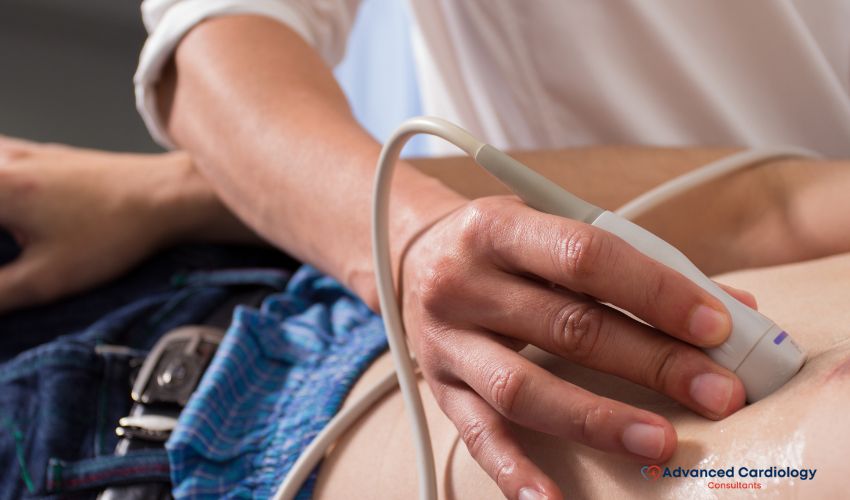
Pericardiocentesis is used when fluid around the heart is causing, or threatens to cause, cardiac tamponade, or when testing the fluid is needed to find its cause. Fluid can build up for many reasons, including:
Not every effusion needs a needle. The decision depends on the amount of fluid, how quickly it collected, whether it is affecting heart filling on an echocardiogram, and whether the fluid needs to be tested.
When fluid is removed, it is usually sent to the laboratory. Results can help point to the cause:
Fluid analysis does not always identify a cause. Some infections and cancers are hard to detect in fluid alone, and results may take days. Additional blood tests, imaging, or, in some cases, a pericardial biopsy may be needed. Dr. Khalid reviews the results with you and with your other physicians.
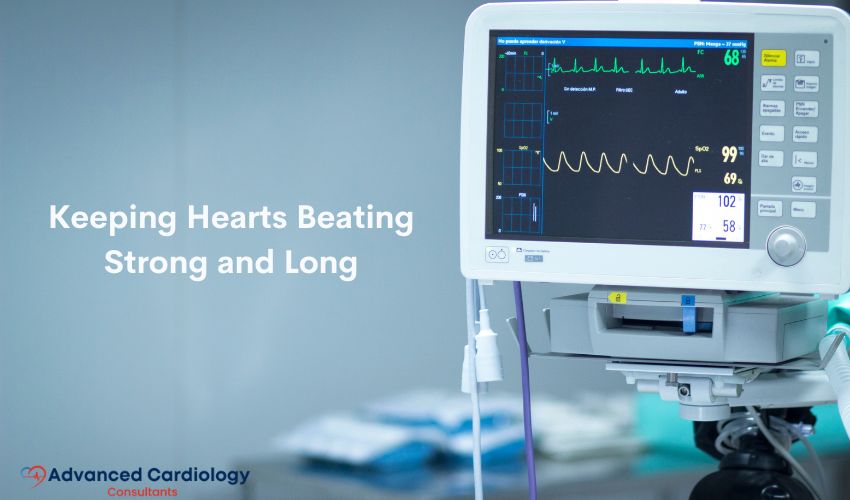
Echocardiogram: the main test for finding fluid around the heart and judging whether it is affecting heart filling. It is also used to guide the needle during the procedure and to check that fluid has not come back.
EKG and chest X-ray: can suggest an effusion or pericarditis, but cannot measure the fluid or show its effect on the heart the way an echo can.
CT or MRI: may be used to look at the pericardium in more detail, for example when it is thickened or the fluid is in an unusual location.
Blood tests: look for infection, inflammation, kidney or thyroid problems, and other causes.
Small or stable effusions are often treated by addressing the cause, with anti-inflammatory medicines when appropriate, and followed with repeat echocardiograms. Fluid that keeps returning or is in a hard-to-reach location may need surgical drainage, sometimes with a small window made in the pericardium, performed by a surgeon.
Do not wait for an office appointment if you have severe or worsening shortness of breath, chest discomfort that lasts more than a few minutes or comes and goes, lightheadedness, fainting, a cold sweat, or a racing heartbeat. Call 911. Emergency teams can perform an echocardiogram and drain fluid urgently if needed. Office messages and appointment requests are not for emergencies.
Most major insurance plans are accepted, and coverage is verified individually. Pericardiocentesis is a hospital procedure, so hospital charges are billed separately. Contact our office or your insurance provider with coverage questions.
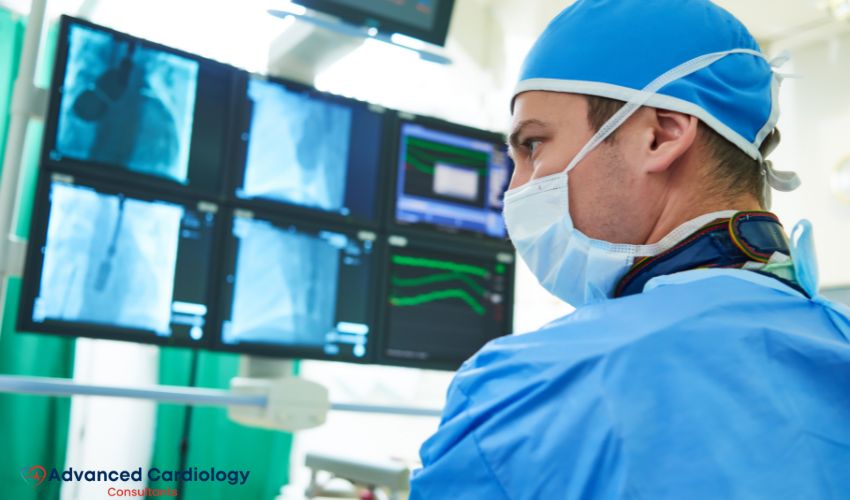
Pericardiocentesis may be recommended when fluid around the heart is large, growing, or affecting heart filling, or when the fluid must be tested to find the cause. Signs that an effusion may be affecting the heart include:
Sudden or severe symptoms need emergency care: call 911. For stable, smaller effusions found on testing, Dr. Khalid can evaluate the cause and plan monitoring at our Katy or Sugar Land office.
When the procedure is planned rather than urgent, follow the specific instructions your care team and the hospital give you. You will usually be asked not to eat or drink for several hours beforehand. Blood thinners and some other medicines may need to be adjusted, but only as directed; do not stop any medication on your own. Blood tests and an echocardiogram are usually done first so the team can plan the safest approach. Tell the team about allergies, bleeding problems, and any recent chest surgery, and bring a current medication list.
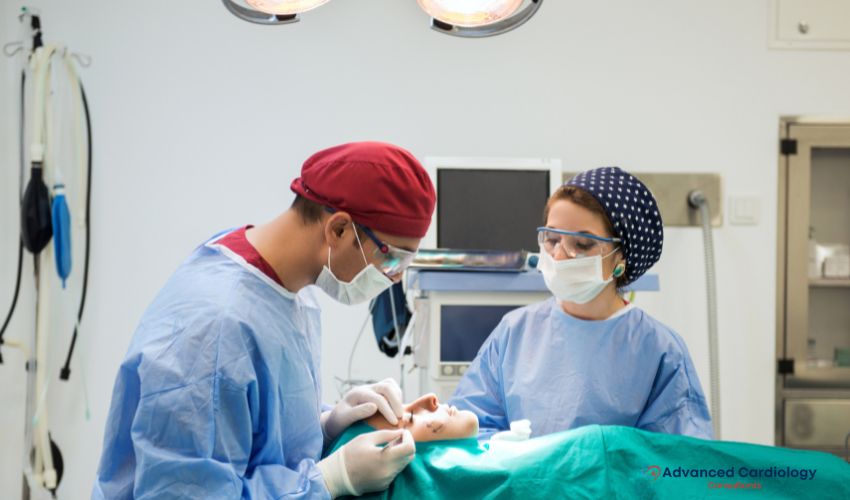
You lie on your back with your upper body slightly raised. You may receive medicine to help you relax, and the skin below the breastbone or on the chest is numbed. Using echocardiogram or X-ray guidance, the physician guides a needle into the sac around the heart and then exchanges it for a thin, soft tube (catheter) to drain the fluid. You may feel pressure. Heart rhythm, blood pressure, and oxygen levels are monitored throughout. The drain is often left in place for a day or more to let remaining fluid drain, and you stay in the hospital while it is in.
Possible risks include bleeding, irregular heart rhythms, puncture of the heart or a blood vessel, injury to the lung causing a collapsed lung, infection, and fluid returning later. Using imaging guidance helps lower these risks. The hospital team reviews your individual risks with you.
Recovery varies with the cause of the effusion. Many people feel relief in breathing soon after drainage. Before you go home, you will receive instructions about the drain site and activity. Follow-up usually includes repeat echocardiograms to check for returning fluid and treatment of the underlying cause. Dr. Khalid follows your care at the Katy or Sugar Land office and coordinates with your other physicians. Call 911 for chest discomfort, worsening shortness of breath, or fainting after you go home.
Is pericardiocentesis the same as treating pericarditis? No. Pericarditis is inflammation of the sac around the heart and is usually treated with medicine. Pericardiocentesis drains fluid and is needed only for some people with pericarditis.
Can the fluid come back? Yes, depending on the cause. That is why follow-up echocardiograms and treatment of the underlying condition matter. Fluid that returns repeatedly may need a surgical procedure.
How do I know if my breathlessness is from fluid around the heart? You cannot tell from symptoms alone. Breathlessness has many causes; an echocardiogram is the key test. Learn more about shortness of breath evaluation and dizziness and fainting.
Will I be awake? Usually yes, with medicine to help you relax and numbing medicine at the needle site. In emergencies, care is adjusted to the situation.
Who else is involved in my care? Depending on the cause, your care may involve hospital physicians, an infectious disease specialist, a rheumatologist, an oncologist, or a kidney specialist. Dr. Khalid coordinates the cardiology side of your care.
Sources: NHLBI: Heart Inflammation · NHLBI: Heart Tests · NHLBI: Cardiac Catheterization · AHA: Warning Signs of a Heart Attack
Please print out your paperwork and bring it to your appointment at Advanced Cardiology. If your insurance requires authorization, please be sure to have that information sent to our office or bring it with you to your appointment, along with any medical records you may have. Please also make sure to bring your insurance cards, photo ID, and medication list.
Thank you, and we look forward to meeting you! Contact us today with any questions.
Most insurance plans accepted
(713) 258-6111
Katy & Sugar Land Cardiologist
# Cooperative & professional staff. Dr. Khalid is highly competent & experienced. Very kind & friendly too.
# He’s A Very Caring & Concerned Doctor. He Asks Important Questions, He Allows Me To Ask Questions & Fully Answers To My Satisfaction. He Diagnosis & Does Whatever It Takes To Fix My Health Issues. He’s A Wonderful Doctor…& Most Of All, I Trust Him & His Staff.
Read More…..
Chest tightness with shortness of breath may be asthma or anxiety, or a heart attack, angina or lung clot. Learn causes, red flags and when to call 911.

Chest pain after eating is often acid reflux, but it can also be angina. Learn the causes, warning signs, how doctors tell them apart, and when to call 911.

Practical heart health tips for Katy and Fort Bend residents: know your numbers, exercise safely in the heat, eat for your heart and prepare for storm season.

Heart failure can cause chest pain from angina, fluid buildup, rhythm or valve problems. Learn the causes, warning signs, tests and treatment options.
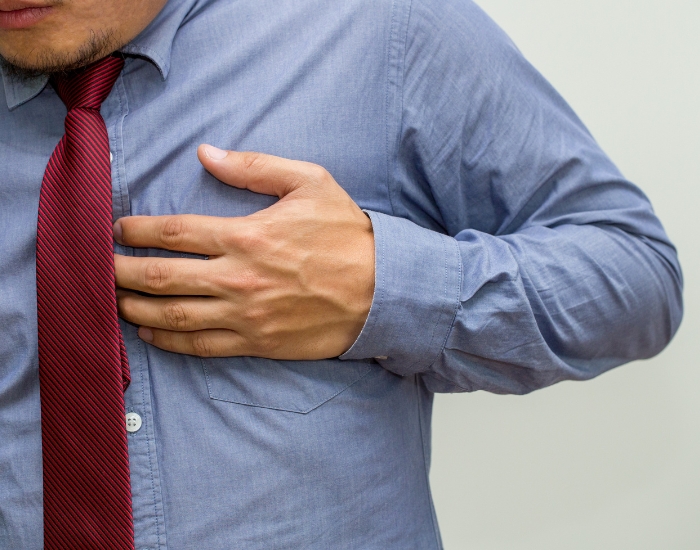
Advanced (stage D) heart failure: warning signs, IV support, heart pumps, LVAD, transplant evaluation and palliative care, explained by a cardiologist.
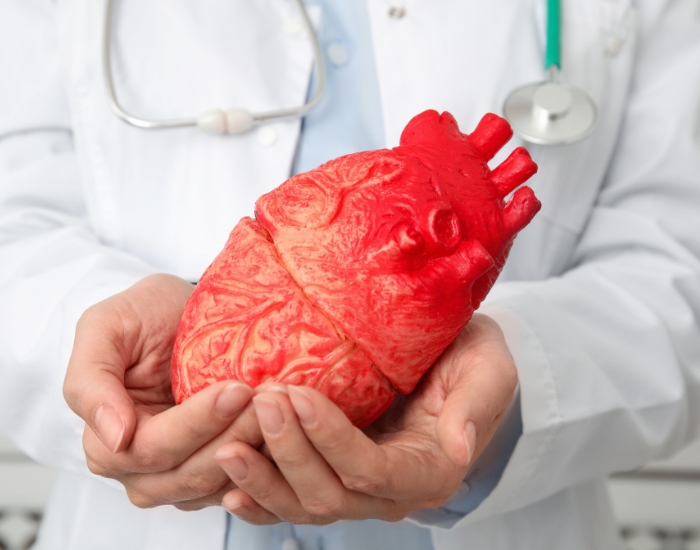
Living with heart failure: daily weights, salt and fluid tips, warning-sign zones, safe exercise and medicine tips from a heart failure-trained cardiologist.
Katy & Sugar Land Cardiologist
Advanced Cardiology welcomes new patients at its offices in Katy and Sugar Land. Call our office or send an appointment request, and our staff will follow up.
Most major insurance plans accepted; coverage is verified individually.
For possible heart attack or stroke symptoms, call 911.