

Chest Tightness and Shortness of Breath: Causes and When to Worry
Chest tightness with shortness of breath may be asthma or anxiety, or a heart attack, angina or lung clot. Learn causes, red flags and when to call 911.
Cardiologist Serving Katy, Sugar Land, Greater Houston
Evaluation for Racing Heart, Fluttering, Skipped Beats & Heart Rhythm Concerns
A heartbeat that suddenly feels fast, pounding, fluttering, forceful, or irregular can be unsettling. You may feel as though your heart has skipped a beat, paused, flipped in your chest, or started racing without warning.
Some palpitations result from temporary triggers and do not represent a dangerous heart-rhythm problem. Others may be associated with an arrhythmia, medication effect, thyroid disorder, electrolyte problem, or another condition that requires evaluation.
At Advanced Cardiology, Adnan Khalid, MD, evaluates adults with recurring heart palpitations, skipped beats, sudden racing-heart episodes, irregular pulse readings, and other possible heart-rhythm symptoms. Non-emergency appointments are available at our Katy and Sugar Land cardiology offices.
Your evaluation is designed to determine:
Heart palpitations are a symptom rather than a diagnosis. They can occur while the heartbeat is normal or abnormal, which is why recording the rhythm during an episode can be important.
Dr. Khalid reviews your symptoms, history and test results himself
Visits in Katy and Sugar Land
Catheter and device procedures at an affiliated hospital
Office follow-up on medicines and risk factors
Evaluation for Racing Heart, Fluttering, Skipped Beats & Heart Rhythm Concerns
Many palpitations are not caused by a dangerous condition. An isolated extra beat without other symptoms may not require urgent care.
However, palpitations should not automatically be ignored or attributed to stress. An evaluation becomes more important when symptoms:
A change from your usual symptom pattern deserves medical attention. Confirmed rhythm conditions such as atrial fibrillation may also increase the risk of complications, including stroke.

Adnan Khalid, MD – Interventional Cardiologist
Adnan Khalid, MD is a board-certified cardiologist with over 10 years of experience in diagnosing and treating heart conditions such as coronary artery disease, peripheral artery disease, heart failure, hypertension, arrhythmias, and hyperlipidemia. He is fellowship-trained in Cardiovascular Disease, Interventional Cardiology, Advanced Heart Failure, and Transplant Cardiology.
Dr. Khalid graduated from Nishtar Medical College among the top students in his class and completed his residency and fellowship at the University of Missouri–Kansas City. He is known for providing personalized, compassionate care and takes time to understand each patient’s concerns.
Outside of work, Dr. Khalid enjoys reading, traveling, exercising, and spending time with his wife and three children.
Board Certifications:
American Board of Internal Medicine
Cardiovascular Disease | Interventional Cardiology | Advanced Heart Failure & Transplant Cardiology
Call 911 when palpitations occur with any of the following, even if the symptoms ease or go away:
Do not use an online form for possible heart-attack or stroke symptoms.
An outpatient evaluation may be appropriate when:
Palpitations accompanied by significant new symptoms should receive timely medical attention. Call 911 when emergency warning signs are present.
Heart palpitations are an increased or unusual awareness of your heartbeat. They may be felt in the chest, neck, or throat.
Patients may describe the sensation as:
An episode may last a few seconds, several minutes, or longer. Palpitations can happen during physical activity, emotional stress, rest, or sleep.
The sensation alone does not reveal the cause. A person may feel palpitations while the heart is beating normally but more forcefully, or while an abnormal rhythm is occurring. Some people with arrhythmias do not feel any symptoms at all.
No.
A palpitation is what you feel. It is a symptom.
An arrhythmia is a problem with the rate or rhythm of the heartbeat. During an arrhythmia, the heart may beat:
Palpitations can occur without a clinically significant arrhythmia. An arrhythmia can also occur without noticeable palpitations.
An EKG or heart monitor may be needed to determine what the heart is doing during the sensation.
Heart palpitations have many possible causes. It is important not to assume that every episode is caused by anxiety, caffeine, dehydration, or atrial fibrillation without an appropriate evaluation.
Possible triggers include:
One trigger may affect one patient but not another. Keeping a symptom record can help identify whether your episodes follow a consistent pattern.
Some palpitations may be associated with:
Do not stop a prescribed medication without speaking to the clinician who manages it. Bring a complete list of prescriptions, over-the-counter medicines, vitamins, supplements, and energy products to your appointment.
Possible medical contributors include:
Palpitations may also be associated with:
Stress, exercise, excessive caffeine, electrolyte disturbances, certain medications, stimulant drugs, premature beats and arrhythmias are all recognized causes of palpitations. Thyroid abnormalities and anemia may also contribute.
Premature atrial contractions, or PACs, begin in the heart’s upper chambers. Premature ventricular contractions, or PVCs, begin in the lower chambers.
A premature contraction occurs earlier than expected. A short pause may follow, causing the next normal heartbeat to feel stronger. Patients may interpret this as a skipped beat, even though an early beat occurred.
Occasional premature contractions are common. More frequent premature beats, significant symptoms, an abnormal EKG, or underlying structural heart disease may require further evaluation.
Sinus tachycardia is a faster heartbeat that begins in the heart’s natural pacemaker. It may be a normal response to:
When sinus tachycardia is caused by another condition, treatment generally focuses on that underlying cause.
Supraventricular tachycardia, or SVT, is a rapid rhythm that begins above the heart’s lower chambers. Episodes may begin and end suddenly.
Possible symptoms include:
An EKG recorded during an episode or an ambulatory heart monitor may be needed to identify the rhythm. Some patients may need medication or referral to a cardiac electrophysiologist to discuss catheter ablation.
Atrial fibrillation, or AFib, is a common irregular rhythm that begins in the heart’s upper chambers. It may cause:
Some people with AFib have no symptoms and are diagnosed during an examination or heart test.
AFib is important because it can increase the risk of blood clots and stroke. Treatment may involve controlling the heart rate, restoring or maintaining rhythm, assessing stroke risk, and prescribing a blood thinner for selected patients. A clinician should confirm the rhythm and evaluate the benefits and risks before treatment begins.
Learn About Atrial Fibrillation and Atrial Flutter Care
A slow heartbeat does not always cause palpitations, but pauses or alternating slow and fast rhythms may create unusual heartbeat awareness, fatigue, dizziness, or fainting.
A lower heart rate can be normal in some physically active people. It can also be related to medication or a problem with the heart’s electrical conduction system. Symptoms and the clinical context determine whether testing or treatment is needed.
Certain rhythms beginning in the heart’s lower chambers can be serious. A rapid heartbeat associated with chest pain, fainting, severe weakness, breathing difficulty, or collapse requires emergency evaluation.
A cardiologist can evaluate whether palpitations may be associated with an abnormal rhythm, structural heart disease, another cardiovascular condition, or a noncardiac trigger.
A cardiology consultation may be especially appropriate when:
Call 911 rather than waiting for an office appointment when emergency symptoms are present.
The cardiologist may ask:
A description helps guide the evaluation, but an electrical recording is generally needed to identify an intermittent arrhythmia.
Your consultation may include a review of:
The visit may include:
An electrocardiogram, also called an EKG or ECG, records the heart’s electrical activity at that moment.
An EKG may identify:
An EKG can be normal when an intermittent rhythm is not occurring during the test. Longer monitoring may then be appropriate. The NHLBI identifies the EKG as the most common test used to diagnose an arrhythmia.
Depending on your symptoms and medical history, laboratory testing may evaluate:
Blood testing does not identify every arrhythmia, but it may find a condition that is causing or worsening palpitations.
A short office EKG records only a brief period. When symptoms occur intermittently, an ambulatory monitor may provide a better opportunity to record the heartbeat during an episode.
The appropriate monitor depends on how frequently symptoms occur, how long they last, and whether they are associated with concerning symptoms. Ambulatory ECG monitoring is commonly used for palpitations, dizziness, fainting, chest discomfort, and shortness of breath when an intermittent arrhythmia is suspected.
A Holter monitor continuously records heart-rhythm information for a limited period, usually a day or two.
It may be useful when symptoms occur:
A wearable patch monitor may record continuously for several days or longer. It may improve the chance of capturing symptoms that do not occur every day.
An event monitor may be worn for a longer period. Depending on the device, the patient may activate a recording when symptoms begin, or the monitor may automatically detect selected rhythm abnormalities.
Mobile cardiac telemetry continuously analyzes rhythm information and may transmit selected events for review. It may be considered when the symptom pattern and clinical risk call for this type of monitoring.
An implantable loop recorder is a small device placed beneath the skin during a minor procedure. It can monitor the rhythm over a much longer period than an external device.
It may be considered for rare but concerning symptoms, particularly unexplained fainting or episodes that shorter monitoring has not captured.
Not every patient needs every test.
An echocardiogram, performed or arranged by our office, uses ultrasound to evaluate:
An echocardiogram does not directly record every intermittent rhythm episode. It may be useful when the clinical evaluation suggests an underlying structural heart condition.
A stress test may be considered when palpitations:
Sleep-apnea screening or testing may be considered when palpitations or an arrhythmia occur with:
An electrophysiology study, or EP study, is an invasive test that uses specialized catheters to measure electrical activity inside the heart and identify where an arrhythmia begins.
It is not a routine first test for every patient with palpitations. It may be recommended when noninvasive testing identifies or strongly suggests an arrhythmia requiring specialized evaluation or treatment. EP studies are performed by physicians with specialized electrophysiology training.
A smartwatch or portable consumer ECG may capture useful information, especially when symptoms occur unpredictably.
Bring the following to your appointment:
Consumer devices can help detect possible atrial fibrillation, but they have limitations:
A smartwatch notification is not a complete diagnosis. Do not begin or stop a heart medication, aspirin, or blood thinner solely because of a wearable-device alert. A clinician may need to review the tracing and obtain a medical-grade EKG or ambulatory monitor.
Treatment depends on:
When testing shows infrequent premature beats or no clinically important arrhythmia, active treatment may not be needed.
The cardiologist may recommend:
Care may focus on:
Do not discontinue a prescribed medication without professional guidance.
Depending on the diagnosis, recommendations may include:
Lifestyle recommendations should be individualized rather than automatically imposing the same restrictions on every patient.
Depending on the diagnosed rhythm, medication may be used to:
Heart-rhythm medications can have significant interactions and side effects. Do not change a dose or stop treatment without instructions from your healthcare professional.
Electrical cardioversion may be used for selected patients with atrial fibrillation, atrial flutter, or another sustained rhythm for which cardioversion is appropriate.
It is performed in a hospital setting and is not a treatment for every palpitation or occasional skipped beat. Preparation and blood-clot precautions depend on the diagnosed rhythm and how long it has been present.
Catheter ablation targets a small area or electrical pathway responsible for certain abnormal rhythms. It may be considered for selected patients with:
Ablation is generally performed by a cardiologist with specialized electrophysiology training. Advanced Cardiology may coordinate referral or shared care with an electrophysiologist when appropriate.
A pacemaker may be recommended for selected patients with clinically important slow rhythms or conduction disease.
An implantable cardioverter-defibrillator, or ICD, may be recommended for selected patients at risk of dangerous ventricular rhythms.
Device implantation is performed in a hospital, and these devices are not routine treatments for occasional palpitations. The diagnosis, symptoms, heart function, and individual risk determine whether a device is appropriate.
Keep a brief symptom record that includes:
Do not repeatedly check your pulse to the point that it increases anxiety. Record enough information to help identify a pattern.
Do not:
Advanced Cardiology in Sugar Land evaluates and manages a broad range of heart and blood vessel conditions, following current evidence-based guidelines.
Led by Adnan Khalid, MD, our team is committed to delivering personalized treatment plans, advanced diagnostic services, and patient-centered care. We take time to understand each patient’s health concerns and work closely with them to improve their heart health and overall well-being.
We diagnose and treat heart and blood vessel conditions, including coronary artery disease, heart rhythm disorders, heart failure, and high blood pressure.
Adil Ahmed- Reviewed in Google
Yenifer is an exceptional nurse who provides compassionate and personalized care to all patients. Her kindness, empathy, and professionalism make a significant difference in the clinic. I highly recommend Yenifer and Dr Adnan Khalid for their outstanding heart health care and support.
Dr. Khalid helped my dad, Harvey, immediately without question. My dad had to have a procedure done immediately after arriving to the ER and he was there without right away to pretty much save his life. We are forever grateful for him.
Very excellent dr. Definitely recommend him for any heart issues. Compassionate and you can tell he really loves his job and cares about the patient. Very glad we found him. Staff is very friendly and the know who you are as soon as you walk in.
Our goal is to help patients live healthier lives through expert cardiovascular care, modern treatment options, and a supportive healthcare environment.
Please print out your paperwork and bring it to your appointment at Advanced Cardiology, Sugar Land. If your insurance requires authorization, please be sure to have that information sent to our office or bring it with you to your appointment, along with any medical records you may have. Please also make sure to bring your insurance cards, photo ID, and medication list.
Thank you, and we look forward to meeting you! Contact us today with any questions.
Please note: chest pain or pressure, shortness of breath, or sudden numbness or weakness can be signs of a heart attack or stroke. Call 911 right away. Appointment requests are not for emergencies.
Most insurance plans accepted
(713) 258-6111
Palpitations may feel like racing, pounding, fluttering, thumping, quivering, pausing, or skipping beats. They may be felt in the chest, neck, or throat and may last for seconds, minutes, or longer.
Many palpitations are not caused by a dangerous heart condition. However, the sensation alone cannot identify the cause.
Palpitations deserve evaluation when they are new, prolonged, becoming more frequent, changing from your usual pattern, associated with known heart disease, or accompanied by lightheadedness, breathlessness, chest discomfort, or near-fainting.
Call 911 when palpitations occur with chest pain or pressure, shortness of breath, discomfort in the arms, back, neck, jaw or stomach, a cold sweat or nausea, lightheadedness or fainting, collapse, facial drooping, one-sided weakness, or difficulty speaking. Call even if the symptoms go away.
Do not use an appointment form for possible heart-attack or stroke symptoms.
A primary-care clinician can evaluate many common triggers. A cardiologist may be appropriate when symptoms recur, an abnormal rhythm is suspected, heart disease is present, or heart monitoring is needed.
A cardiac electrophysiologist is a cardiologist with additional training in the heart’s electrical system. Referral may be appropriate when an EP study, catheter ablation, or specialized rhythm treatment is being considered.
A racing heartbeat at rest can be associated with stress, fever, dehydration, thyroid disease, anemia, stimulant exposure, medication effects, sinus tachycardia, SVT, atrial fibrillation, or another rhythm disturbance.
The heart rate and sensation alone cannot identify the cause. Record the timing and associated symptoms and request an evaluation when episodes recur.
Palpitations may be more noticeable at night because the environment is quiet and there are fewer distractions.
Nighttime episodes may also be associated with alcohol, caffeine, poor sleep, emotional stress, medication timing, sleep apnea, or an intermittent arrhythmia. Recurring episodes should not automatically be attributed to anxiety or sleeping position.
Yes. Anxiety, stress, and panic can increase heart rate and make the heartbeat more noticeable.
However, anxiety and arrhythmias can produce similar sensations. New, recurring, or changing symptoms should not automatically be attributed to anxiety before other relevant causes are considered.
Dehydration can increase the heart rate and may contribute to palpitations, especially during illness, heat exposure, or exercise.
Persistent or severe symptoms should not be assumed to result from dehydration without appropriate evaluation.
Excessive caffeine can trigger palpitations in some people, but sensitivity varies.
Record whether symptoms consistently occur after coffee, tea, energy drinks, pre-workout products, or other stimulants. Discuss appropriate limits with your healthcare professional rather than assuming that every patient must completely avoid caffeine.
The sensation may be caused by a premature atrial or ventricular contraction. An early beat can be followed by a brief pause, making the next heartbeat feel unusually strong.
Occasional premature contractions are common. Frequent symptoms, known heart disease, dizziness, fainting, or abnormal test results may warrant heart monitoring.
No. Atrial fibrillation is one type of arrhythmia.
Other possible rhythms include premature beats, atrial flutter, SVT, sinus tachycardia, slow rhythms, conduction disorders, and ventricular arrhythmias. An EKG or monitor is generally needed to identify the specific rhythm.
Yes. A routine EKG records only a short period. An intermittent rhythm may not occur during the test.
Depending on how frequently symptoms occur, a Holter monitor, patch monitor, event monitor, mobile telemetry device, or implantable loop recorder may be considered.
The most appropriate monitor depends largely on how often symptoms occur and whether they are associated with concerning symptoms.
Frequent symptoms may be captured with shorter continuous monitoring. Less frequent episodes may require a longer external monitor. Rare but concerning events may require an implantable loop recorder.
Some consumer devices can detect patterns that may be consistent with atrial fibrillation, and a saved tracing can be useful to your clinician.
A watch alert is not a complete diagnosis. False-positive alerts and missed rhythms can occur, and consumer devices do not reliably classify every type of fast or irregular heartbeat.
Long-term high blood pressure can contribute to changes in the heart that increase the risk of atrial fibrillation and other cardiovascular conditions.
It should not automatically be assumed to be the immediate cause of every palpitation. Both the blood pressure and rhythm should be evaluated when symptoms recur.
Yes, when treatment is needed. The treatment depends on the cause.
Options may include addressing a trigger or underlying condition, medication, electrical cardioversion, catheter ablation, a pacemaker, an ICD, or observation without active treatment. Not every patient needs medication or a procedure.
Most major insurance plans are accepted, and coverage is verified individually. Insurance networks, referral requirements, and benefits can change. Call (713) 258-6111 before your appointment to verify current participation, authorization requirements, and expected patient responsibility.
410 W Grand Pkwy S, Suite 4D
Katy, TX 77494
Phone: (713) 258-6111
At the Katy office, Dr. Khalid evaluates adults with recurring heart palpitations, skipped beats, rapid-heart episodes, irregular pulse readings, dizziness associated with possible rhythm conditions, and previously identified arrhythmias.
Patients from Katy and surrounding west Houston communities can request a non-emergency cardiology appointment.
7102 Tarrington Ave, Suite 505
Sugar Land, TX 77479
Phone: (713) 258-6111
At the Sugar Land office, Dr. Khalid provides outpatient evaluation and follow-up for heart palpitations, racing-heart episodes, premature beats, atrial fibrillation, and other possible heart-rhythm concerns.
The office serves patients from Sugar Land and surrounding Fort Bend County communities.
For a shorter overview of what a palpitations visit at either office involves, see our palpitations doctor page for Sugar Land and Katy.
Please bring:
Also tell the cardiologist whether a close family member has experienced:
Recurring palpitations, skipped beats, racing-heart episodes, or an irregular pulse should be evaluated according to your symptom pattern, medical history, cardiovascular risk, and available rhythm recordings.
Request a non-emergency consultation with Dr. Adnan Khalid at the Katy or Sugar Land office.
Emergency reminder: Call 911 when palpitations occur with chest pain or pressure, shortness of breath, fainting, collapse, facial drooping, one-sided weakness, or difficulty speaking, even if the symptoms go away. Do not wait for an online response.
Sources: NHLBI: Arrhythmias · MedlinePlus: Arrhythmia · MedlinePlus: Atrial Fibrillation · American Heart Association: Warning Signs of a Heart Attack
Chest tightness with shortness of breath may be asthma or anxiety, or a heart attack, angina or lung clot. Learn causes, red flags and when to call 911.
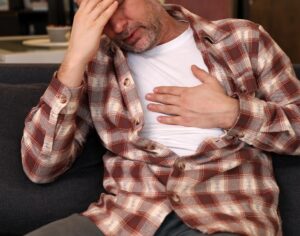
Chest pain after eating is often acid reflux, but it can also be angina. Learn the causes, warning signs, how doctors tell them apart, and when to call 911.

Practical heart health tips for Katy and Fort Bend residents: know your numbers, exercise safely in the heat, eat for your heart and prepare for storm season.

Heart failure can cause chest pain from angina, fluid buildup, rhythm or valve problems. Learn the causes, warning signs, tests and treatment options.

Advanced (stage D) heart failure: warning signs, IV support, heart pumps, LVAD, transplant evaluation and palliative care, explained by a cardiologist.
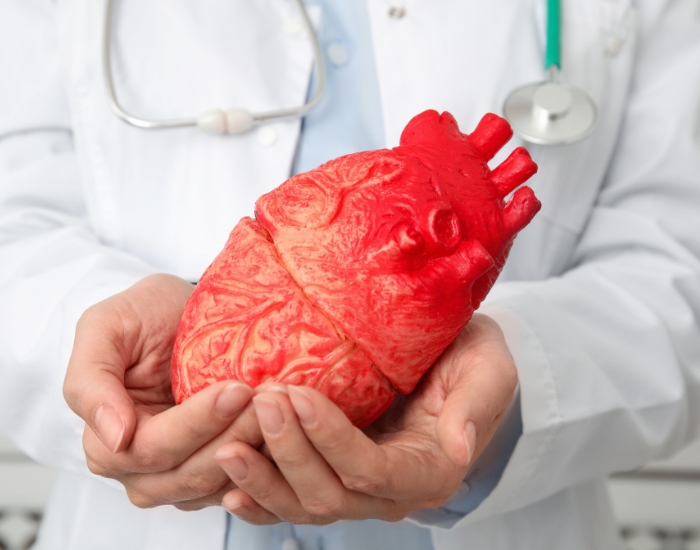
Living with heart failure: daily weights, salt and fluid tips, warning-sign zones, safe exercise and medicine tips from a heart failure-trained cardiologist.
Katy & Sugar Land Cardiologist
Advanced Cardiology welcomes new patients at its offices in Katy and Sugar Land. Call our office or send an appointment request, and our staff will follow up.
Most major insurance plans accepted; coverage is verified individually.
For possible heart attack or stroke symptoms, call 911.