Yes, acid reflux can sometimes feel very similar to a heart attack. Many people experience chest pain, burning sensations, tightness, and discomfort that can easily be mistaken for a cardiac emergency.
This overlap in symptoms is one of the most common reasons patients visit emergency rooms for chest pain. Understanding the difference between acid reflux and heart-related pain is essential for safety and peace of mind.

Notes:
In this blog, you will learn how acid reflux can mimic heart attack symptoms, how to tell the difference, warning signs to watch for, and when to seek urgent cardiac evaluation.
Table of Contents
- What Is Acid Reflux Chest Pain?
- Why Acid Reflux Feels Like a Heart Attack
- Common Symptoms of Acid Reflux Chest Pain
- Heart Attack vs Acid Reflux Symptoms
- Chest Burning Sensation Explained
- Common Triggers of Acid Reflux
- When Chest Pain Is NOT Acid Reflux
- How Doctors Differentiate the Two
- Treatment Options
- How to Prevent Acid Reflux Chest Pain
- FAQs
What Is Acid Reflux Chest Pain?
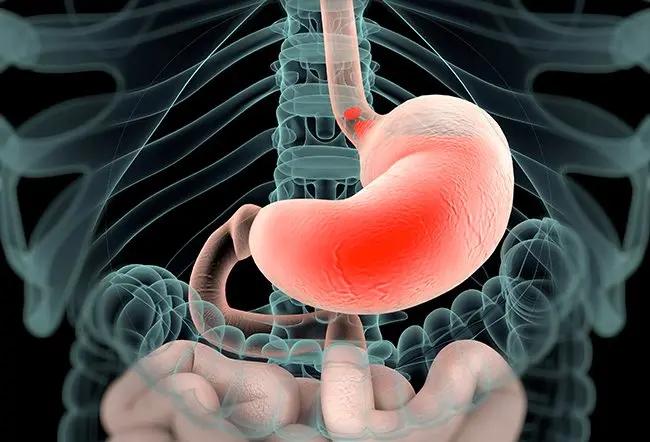
Acid reflux occurs when stomach acid flows back into the esophagus, irritating its lining. This can cause a burning sensation in the chest, commonly known as heartburn.
Because the esophagus is located close to the heart, the pain can feel very similar to cardiac chest pain.
Typical acid reflux chest pain feels like:
- Burning sensation behind the breastbone
- Tightness or pressure in the chest
- Pain after eating
- Worsening symptoms when lying down
- Sour taste in mouth
Why Acid Reflux Feels Like a Heart Attack
The main reason acid reflux mimics a heart attack is due to nerve overlap. The esophagus and heart share similar nerve pathways, so the brain can misinterpret signals.
This leads to chest pain that feels deep, pressure-like, or even radiating—similar to cardiac pain.
Additionally, acid reflux often occurs after heavy meals, which can also increase heart workload, further confusing symptoms.
Common Symptoms of Acid Reflux Chest Pain
Acid reflux symptoms can vary from mild discomfort to severe chest pain.
Common symptoms include:
- Burning chest pain (heartburn)
- Regurgitation of food or sour liquid
- Difficulty swallowing
- Chronic cough
- Throat irritation
- Chest tightness after meals
Symptoms often worsen at night or when lying flat.
Heart Attack vs Acid Reflux Symptoms
It is important to distinguish between acid reflux and heart attack symptoms because both can be life-threatening in different ways.
| Feature | Acid Reflux | Heart Attack |
|---|---|---|
| Pain Type | Burning sensation | Pressure or squeezing |
| Trigger | After meals, lying down | Physical activity or stress |
| Relief | Antacids help | No relief with antacids |
| Radiation | Rare | Arm, jaw, back |
Chest Burning Sensation Explained
The burning sensation in acid reflux occurs when stomach acid irritates the lining of the esophagus.
This irritation creates inflammation and triggers nerve endings that send pain signals to the chest.
Why it feels severe:
- Esophagus is sensitive to acid
- Inflammation increases nerve response
- Chest location makes pain feel heart-related
Persistent burning chest pain should always be evaluated to rule out cardiac causes.
If chest pain is frequent, consider
chest pain treatment in Katy and Sugar Land.
Common Triggers of Acid Reflux
Certain foods and habits can increase acid reflux symptoms.
- Spicy or fatty foods
- Large meals
- Caffeine and alcohol
- Smoking
- Lying down after eating
- Stress
Managing these triggers can significantly reduce symptoms.
When Chest Pain Is NOT Acid Reflux
While acid reflux is common, chest pain should never be assumed to be harmless.
Seek immediate medical attention if you experience:
- Severe chest pressure
- Pain radiating to arm or jaw
- Shortness of breath
- Cold sweats
- Dizziness or fainting
- Unexplained fatigue
These may indicate a heart attack rather than acid reflux.
How Doctors Differentiate Acid Reflux and Heart Issues
Doctors use a combination of tests and clinical evaluation to determine the cause of chest pain.
Heart-related tests include:
- Electrocardiogram (EKG)
- Blood tests (cardiac enzymes)
- Stress testing
- Echocardiogram
Acid reflux testing includes:
- Endoscopy
- pH monitoring
- Esophageal function tests
If heart disease is suspected, patients may be referred for
advanced heart testing.
A cardiology consultation can help rule out serious conditions:
cardiology consultation.
Patients experiencing unexplained chest pain may also be evaluated by a
Houston cardiologist.
Treatment Options
For Acid Reflux:
- Antacids
- Proton pump inhibitors (PPIs)
- Diet modification
- Weight management
For Heart Conditions:
- Medications
- Lifestyle changes
- Procedures if needed
How to Prevent Acid Reflux Chest Pain
Simple lifestyle changes can significantly reduce symptoms.
- Eat smaller meals
- Avoid late-night eating
- Elevate head while sleeping
- Reduce trigger foods
- Maintain healthy weight
Frequently Asked Questions
Can acid reflux feel like a heart attack?
Yes, acid reflux can closely mimic heart attack symptoms, including chest pain and pressure.
How do I know if chest pain is heart or acid reflux?
Heart pain is usually pressure-like and radiates, while acid reflux feels like burning.
Can antacids help chest pain?
If pain is due to acid reflux, antacids may help. Heart-related pain will not improve.
Should I go to the ER for chest pain?
Yes, if chest pain is severe, new, or accompanied by shortness of breath or dizziness.
Schedule a Chest Pain Evaluation
Schedule a Chest Pain Evaluation Today
Advanced Cardiology provides expert evaluation for chest pain, heartburn-like symptoms, and cardiac conditions.
- Experienced cardiology specialists
- Advanced heart testing
- Accurate diagnosis
- Personalized treatment plans
- Convenient Houston-area care
Contact Advanced Cardiology today for accurate evaluation and peace of mind.
Final Thoughts
Acid reflux can closely mimic heart attack symptoms, making it difficult to distinguish without proper medical evaluation.
Because chest pain can be serious, it is always better to rule out heart problems first.
Disclaimer
This article is for educational purposes only and should not replace professional medical advice. Seek emergency care for severe or persistent chest pain.