Cardiologist Serving Katy, Sugar Land, Greater Houston
Cardiologist Serving Katy, Sugar Land, Greater Houston
Dizziness & Fainting Evaluation
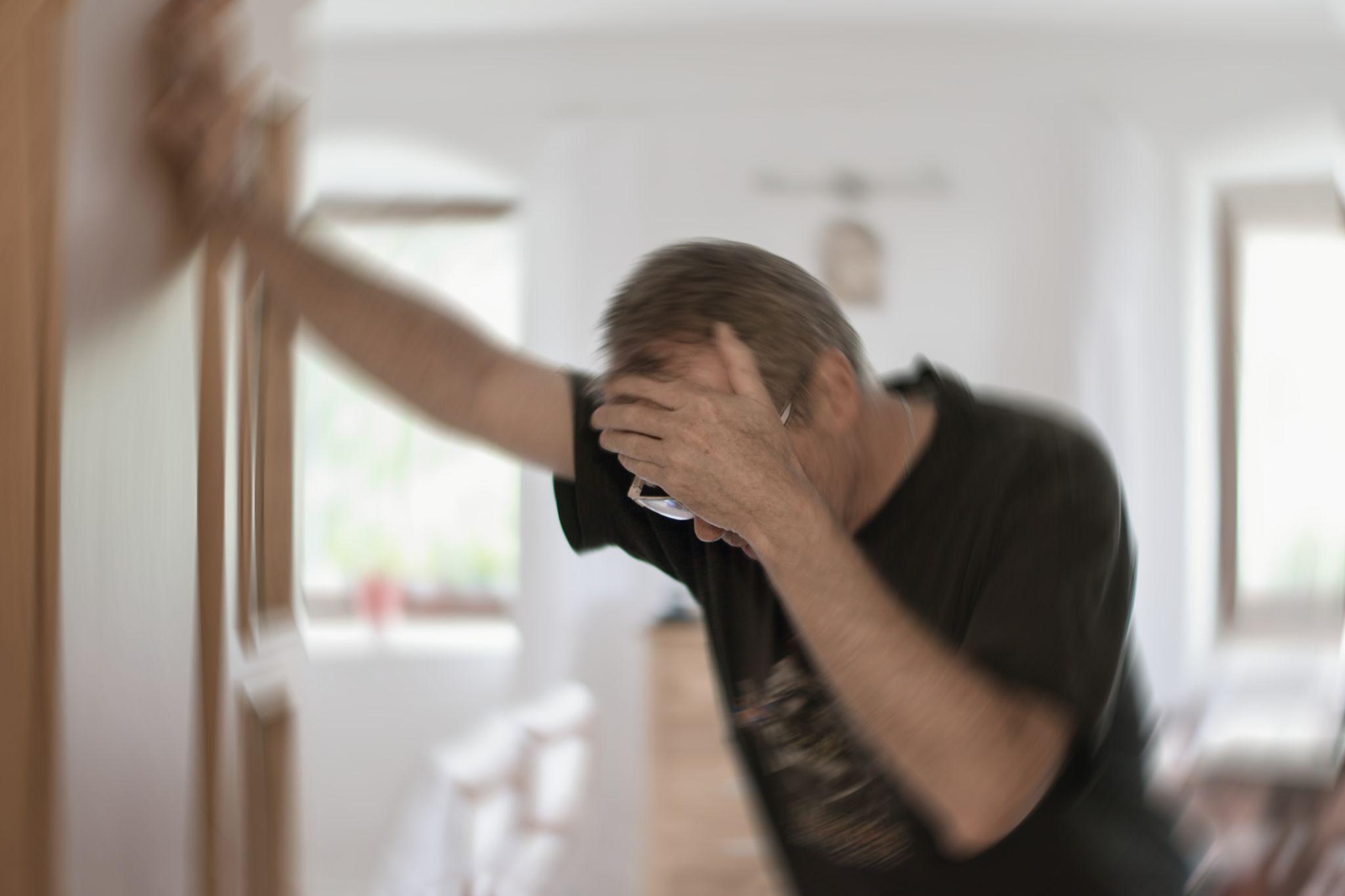
Dizziness, lightheadedness, and fainting spells are unsettling, and they do not always come from the heart. But when the heart’s rhythm, pumping function, or blood pressure control is involved, these symptoms can be an early warning that deserves attention. At Advanced Cardiology, Adnan Khalid, MD evaluates patients with recurring or unexplained dizziness and fainting (syncope) to determine whether a cardiovascular cause should be considered and what testing, if any, makes sense next.
Patients are seen in Katy and Sugar Land, with the evaluation built around your symptoms, medical history, medications, and risk factors.
Board-Certified Cardiologist • Katy & Sugar Land • New Patients Welcome
Dr. Khalid reviews your symptoms, history and test results himself
Visits in Katy and Sugar Land
Catheter and device procedures at an affiliated hospital
Office follow-up on medicines and risk factors
Important Safety Information
Call 911 for a loss of consciousness that occurs during exercise; fainting or dizziness with chest pain, pressure or discomfort (especially if it lasts more than a few minutes or comes and goes); discomfort in the arms, back, neck, jaw or stomach; a cold sweat or nausea; a very rapid or very slow heartbeat; shortness of breath; a seizure; an injury from a fall, or sudden weakness, facial drooping, trouble speaking, or vision loss. These can represent a heart rhythm emergency, a heart attack, or a stroke. Call even if the symptoms go away. Do not wait for an outpatient appointment if you believe you are experiencing a medical emergency. This page is for stable, recurring, or unexplained symptoms.
Understanding Your Symptoms
“Dizziness” covers several different sensations. Lightheadedness is the feeling that you might pass out. Vertigo is a spinning sensation that usually comes from the inner ear. Fainting, or syncope, is a brief loss of consciousness caused by a temporary drop in blood flow to the brain, with full recovery within a minute or two.
The heart becomes relevant when it cannot keep enough blood moving to the brain: when the rate is too slow, too fast, or irregular; when a valve narrows and limits output; when the pumping muscle is weakened; or when blood pressure drops suddenly on standing. Most fainting episodes are benign “reflex” faints triggered by heat, dehydration, pain, or prolonged standing. A smaller share are cardiac, and those carry real risk.
From the inside, the two can feel similar. Evaluation is about sorting out which pattern fits your episodes so that a serious cause is not missed and a harmless one is not over-treated.

When to Seek Evaluation
A single episode of lightheadedness after standing up quickly on a hot day rarely needs a cardiologist. Repeated episodes, episodes without an obvious trigger, or episodes in someone with known heart disease are a different matter. Outpatient cardiology evaluation is generally appropriate when:
Age matters too. Fainting that begins for the first time after 60 is more likely to have a cardiac or blood pressure cause than fainting in a teenager.
Symptoms & Findings
What happens around an episode is often more revealing than the episode itself. These are the features a cardiologist listens for.
A racing, pounding, or irregular heartbeat just before you feel faint points toward a rhythm disturbance and usually warrants monitoring.
Fainting during exertion, rather than after it, is a red flag for a structural or electrical heart problem and should be evaluated promptly.
Lightheadedness within a minute or two of standing suggests a blood pressure regulation problem (orthostatic hypotension), which can be medication-related.
Fainting with no nausea, sweating, or tunnel vision beforehand is more concerning than a faint that gives you time to sit down.
Dizziness paired with chest tightness, breathlessness, or unusual fatigue raises the possibility of reduced blood flow or a weakened heart muscle.
A resting pulse that is persistently very slow or very fast, or that pauses, can reduce blood flow to the brain and cause near-fainting.

Meet Your Cardiologist
Adnan Khalid, MD is a board-certified cardiologist with fellowship training in cardiovascular disease, interventional cardiology, and advanced heart failure and transplant cardiology. That range matters here, because the cardiac causes of dizziness and fainting span three territories: the heart’s electrical system, its valves and structure, and its pumping strength.
His evaluation starts with a detailed account of your episodes and a careful medication review, since blood pressure drugs, diuretics, and some rhythm medications are frequent contributors. Testing is then chosen to answer a specific question rather than ordered as a package. When a rhythm problem, valve disease, or reduced heart function is found, he manages it directly or coordinates the next step with the appropriate specialist.
Possible Causes
No single cause explains every episode, and more than one factor is often at work. These are the categories a cardiologist weighs first.
A heart rate that is too slow (bradycardia), pauses in the heartbeat, or a rate that is suddenly very fast (tachycardia, including arrhythmias such as atrial fibrillation or SVT) can all reduce blood flow to the brain. Rhythm problems tend to cause abrupt symptoms with little warning, and they are easy to miss on a single visit because the rhythm may be normal by the time you arrive.
A narrowed aortic valve, a thickened heart muscle (hypertrophic cardiomyopathy), or weak pumping function from a prior heart attack or heart failure can limit output during activity. Fainting with exertion is the classic clue.
Orthostatic hypotension, a drop in blood pressure on standing, is one of the most common causes in adults over 60. Dehydration and prolonged bed rest contribute, and blood pressure medications are a frequent, correctable factor.
Pain, emotional stress, heat, or prolonged standing can trigger a reflex that briefly slows the heart and dilates blood vessels. This is the most common cause of fainting overall, usually preceded by warmth, nausea, and sweating, and it is generally benign once cardiac causes are excluded.
Inner-ear disorders (vertigo), low blood sugar, anemia, anxiety, migraine, and neurological conditions can all cause dizziness. When the history points that way, evaluation is coordinated with your primary care physician or the appropriate specialist.
Your Evaluation
The history is the most powerful diagnostic tool for fainting, and it is where the visit begins. Dr. Khalid will ask what you were doing when the episode started, whether you had any warning, how long you were out, how quickly you recovered, and what any witnesses noticed. If you have a smartwatch or blood pressure reading from around the time of an episode, bring it.
Prior heart disease, diabetes, kidney disease, and a family history of sudden death or inherited heart conditions change the level of concern. Every medication and supplement is reviewed, with particular attention to blood pressure drugs, diuretics, and anything that affects heart rhythm.
The exam includes heart rate and rhythm, blood pressure measured lying and standing, heart and lung sounds, and listening for murmurs that might suggest a valve problem.
Based on the history and exam, Dr. Khalid sorts your episodes into a likely category and decides whether testing is needed, and which test is most likely to give a useful answer. Some patients need only reassurance and a medication adjustment; others need rhythm monitoring or imaging first.
Cardiac Testing
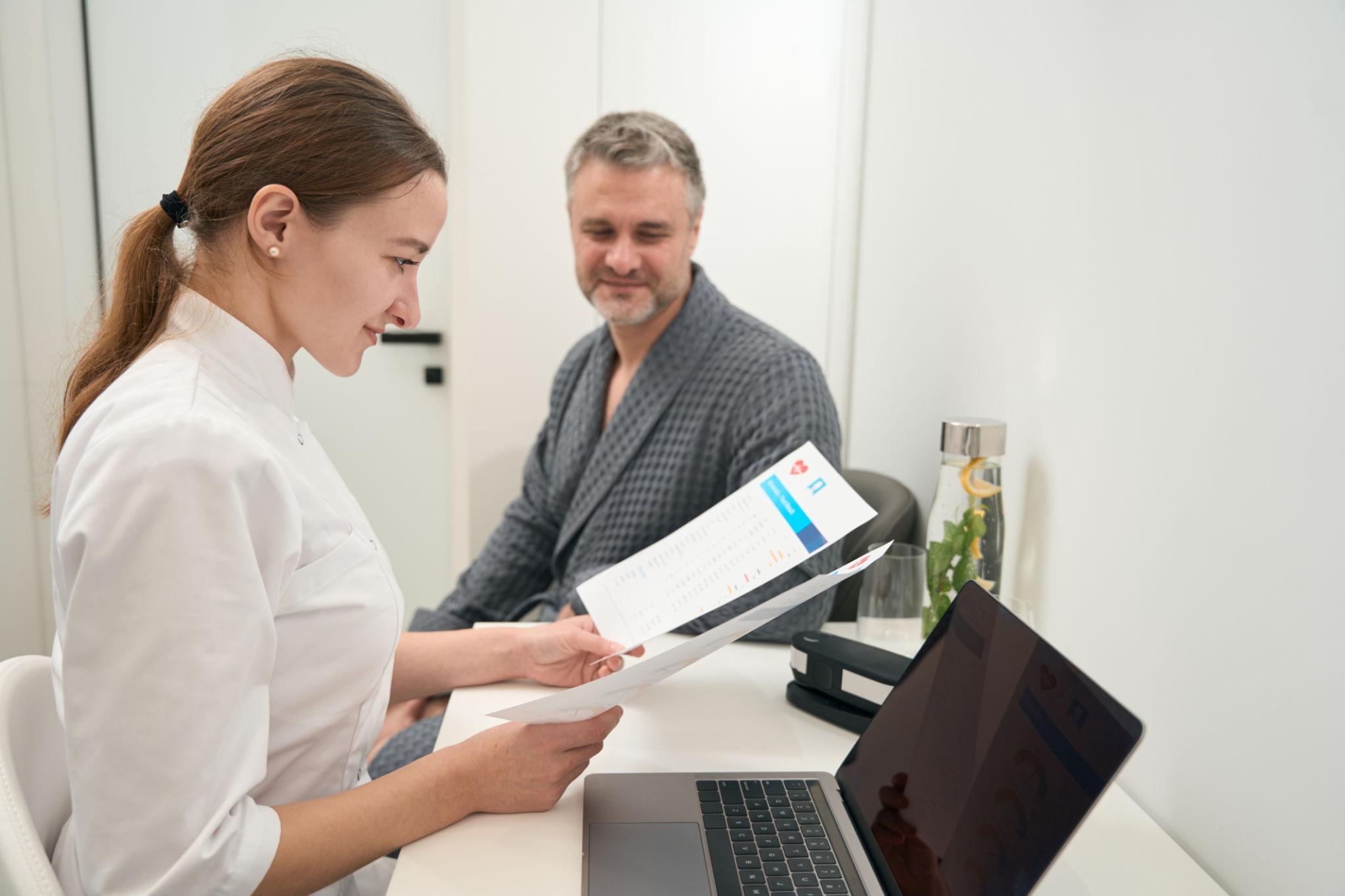
Testing is matched to the pattern of your symptoms. Not every patient needs every test, and a normal result on one test does not always settle the question.
A baseline recording of the heart's electrical activity. It can reveal a slow rate, conduction block, or patterns associated with inherited rhythm conditions, but it captures only a few seconds.
Because episodes are intermittent, a wearable Holter or event monitor records the rhythm for days to weeks so that a spell can be matched to what the heart was doing at that moment.
An ultrasound of the heart that assesses pumping strength, valve function, and wall thickness. It is the main test for structural causes such as aortic stenosis or cardiomyopathy.
When symptoms occur with activity, a monitored stress test shows how the heart rate, rhythm, and blood pressure respond to exertion and whether reduced blood flow may be contributing.
Lying-to-standing measurements in the office, or a home blood pressure log, help confirm orthostatic hypotension and guide medication changes.
For unexplained recurrent fainting, Dr. Khalid may coordinate tilt-table testing, an implantable loop recorder, or electrophysiology evaluation at an appropriate hospital facility.
Management
There is no single treatment for dizziness or fainting, because the symptom is the end result of several different problems. Once the likely cause is identified, management is directed at that cause.
For orthostatic hypotension and medication-related lightheadedness, the fix is often simple: adjusting a blood pressure medication, increasing fluid and salt intake only when your care team advises it, and standing up in stages. For reflex (vasovagal) fainting, recognizing warning signs, lying down promptly, and using counter-pressure maneuvers can reduce episodes for many patients.
Rhythm-related causes are treated according to the specific arrhythmia. A slow rate or heart block may call for a pacemaker, implanted in a hospital; fast rhythms may be managed with medication, and some are candidates for catheter ablation, a hospital-based procedure. Structural causes, such as significant aortic valve narrowing, are managed with medication and, when indicated, valve or interventional treatment coordinated with the hospital team.
Dr. Khalid explains the findings and the reasoning behind each recommendation so patients understand both the diagnosis and the plan.
Your Visit
It helps to write down each episode you can remember: the date, what you were doing, any warning signs, and how long recovery took. Bring a complete list of medications and supplements, any prior EKGs or heart test reports, and any blood pressure or smartwatch readings from around the time of an episode.
After the history, Dr. Khalid performs a cardiovascular examination, including lying and standing blood pressures, and an EKG may be obtained during the visit. He will then explain which category your symptoms most likely fall into, whether testing is recommended and why, and what happens if testing is normal.
Before you leave, you should know your next step, which symptoms mean you should call the office, and which mean you should call 911.
Katy Cardiology Care
The Katy office of Advanced Cardiology, off the Grand Parkway, sees patients from Katy, Cinco Ranch, Fulshear, and West Houston who are dealing with recurring lightheadedness, near-fainting, or fainting spells. Some come after a primary care visit or an emergency room visit; others come on their own after a repeat episode.
EKG and orthostatic blood pressure measurement are performed in the office, and rhythm monitors are performed or arranged by our office when needed. If an episode happened while driving or at work, mention it, as that affects both urgency and advice. For general services at this office, see cardiology care in Katy.
Advanced Cardiology – Katy
410 W Grand Pkwy S Ste 4D
Katy, TX 77494
Phone: (713) 258-6111
Advanced Cardiology – Sugar Land
7102 Tarrington Ave Suite 505
Sugar Land, TX 77479
Phone: (713) 258-6111
Sugar Land Cardiology Care
At the Sugar Land office on Tarrington Avenue, Dr. Khalid evaluates patients from Sugar Land, Richmond, Rosenberg, Missouri City, and Stafford with fainting spells, near-fainting, or persistent lightheadedness that has not been explained. For patients who take several blood pressure or heart medications, a careful medication review is an important part of the visit.
The office performs EKGs and orthostatic blood pressure checks; Holter and event monitoring, echocardiography and stress testing are performed or arranged by our office when needed. If you were recently seen in an emergency room for fainting, bring your discharge records; a follow-up cardiology visit is frequently recommended. Learn more about cardiology care in Sugar Land.
Serving Greater Houston
Advanced Cardiology’s two offices draw patients from across Greater Houston, including Cypress, Richmond, Rosenberg, Fulshear, and West Houston, for evaluation of dizziness and fainting. Both locations offer the same physician and the same approach; choose whichever is easier to reach, and the scheduling team can help if you are unsure.
Patient-Centered Cardiology
Care led by Adnan Khalid, MD, with fellowship training in cardiovascular disease, interventional cardiology, and advanced heart failure.
Testing is chosen to answer the question your history raises, not ordered as a standard bundle for everyone with dizziness.
You leave each visit knowing what was found, what the plan is, and which symptoms should prompt a call or a 911 response.
EKG and orthostatic testing in the office, with rhythm monitors and imaging performed or arranged by our office when needed.
Offices in Katy and Sugar Land serving surrounding Greater Houston communities.
New patients are welcome. Most major insurance plans are accepted, subject to eligibility and coverage verification.
Common Questions
Call our office and our staff will help with appointments, referrals and insurance.
Sometimes. Persistent lightheadedness can come from a slow or irregular rhythm, a weakened heart muscle, a narrowed valve, or low blood pressure, but it is just as often caused by dehydration, medications, inner-ear problems, or anxiety. Dizziness with palpitations, with exertion, or with a very slow or fast pulse points toward the heart and is worth a cardiology evaluation.
See a cardiologist if you have fainted more than once, fainted without warning, fainted during exercise, or fainted with palpitations or chest discomfort. A single faint with an obvious trigger, such as heat or the sight of blood, in an otherwise healthy young person usually does not require cardiology evaluation, but any first fainting episode after age 60 should be assessed.
Cardiac syncope is fainting caused by the heart itself: a rhythm that is too slow, too fast, or pauses, or a structural problem such as a narrowed aortic valve that limits blood flow to the brain. It often occurs suddenly, without warning, and sometimes during activity, and it carries higher risk than reflex fainting.
Yes. A heart rate that is too slow, a rapid rhythm such as SVT or atrial fibrillation, or brief pauses in the heartbeat can all reduce blood flow to the brain enough to cause lightheadedness or fainting. Because these rhythms come and go, a standard EKG may look normal, which is why a wearable monitor is often used.
Common causes include orthostatic hypotension (a blood pressure drop on standing), dehydration, blood pressure or diuretic medications, and reflex (vasovagal) responses. Less commonly, an abnormal heart rhythm or reduced heart function is responsible. If it happens repeatedly, or you have heart disease or take several cardiovascular medications, an evaluation can usually identify the cause.
It depends on your history. Testing may include an EKG, lying and standing blood pressures, a Holter or event monitor to capture the rhythm during an episode, an echocardiogram to check heart structure and function, and stress testing if symptoms occur with exertion. Tilt-table testing or an implantable loop recorder is sometimes coordinated for recurrent unexplained fainting.
Yes. Blood pressure medications, diuretics, some rhythm drugs, prostate medications, and certain antidepressants can lower blood pressure or slow the heart enough to cause lightheadedness, especially on standing. A dose that was fine last year may become too much with age or weight loss. Do not stop a prescribed medication on your own; bring the list to your visit for review.
Not necessarily. A normal EKG captures only about ten seconds of heart activity, so intermittent rhythm problems are frequently missed, and structural or blood pressure causes are not evaluated by an EKG at all. If symptoms continue, further evaluation is reasonable.
Call 911 if fainting occurs during exercise, with chest pain or shortness of breath, with a very rapid or very slow pulse, if the person does not wake up within a minute or has a seizure, or if there are stroke symptoms such as weakness, facial drooping, or trouble speaking. Injury from a fall also warrants emergency evaluation.
Yes. Fainting after a rapid or pounding heartbeat is one of the patterns most suggestive of an arrhythmia, and it should be evaluated. A cardiologist will typically arrange rhythm monitoring to determine which rhythm is occurring and whether treatment is needed. Read more about palpitations and irregular heartbeat evaluation.
Keep Reading
Related services: Heart Palpitations & Irregular Heartbeat • Hypertension • Heart Failure • Chest Pain Evaluation
Sources: MedlinePlus: Fainting · MedlinePlus: Dizziness and Vertigo · NHLBI: Arrhythmias · American Heart Association: Warning Signs of a Heart Attack
Your cardiologist: Adnan Khalid, MD
Cardiology Appointments
If you have recurring dizziness, fainting, or unexplained lightheadedness, a cardiology evaluation can determine whether a heart rhythm, structural, or blood pressure cause should be considered, and what to do about it. Adnan Khalid, MD welcomes new patients at Advanced Cardiology’s Katy and Sugar Land offices.
Katy: 410 W Grand Pkwy S Ste 4D, Katy, TX 77494
Sugar Land: 7102 Tarrington Ave Suite 505, Sugar Land, TX 77479
If you lose consciousness during exercise, faint with chest pain or shortness of breath, or have stroke-like symptoms, call 911, even if the symptoms go away.
Katy & Sugar Land Cardiologist
Advanced Cardiology welcomes new patients at its offices in Katy and Sugar Land. Call our office or send an appointment request, and our staff will follow up.
Most major insurance plans accepted; coverage is verified individually.
For possible heart attack or stroke symptoms, call 911.
