
Why Does My Back Hurt With Chest Pain?
Back pain with chest pain may be a muscle strain or reflux, but also a heart attack or aortic dissection. Learn the causes, warning signs and when to call 911.
Cardiologist Serving Katy, Sugar Land, Greater Houston
Heart disease symptoms can appear gradually or suddenly and should never be ignored.
Heart disease is one of the most common health conditions affecting adults, and it can develop silently before noticeable symptoms appear. While some people experience chest pain or shortness of breath, others notice fatigue, dizziness, an irregular heartbeat, swelling or reduced exercise tolerance. At Advanced Cardiology, Dr. Khalid evaluates these symptoms and recommends testing when it is likely to help find the cause.
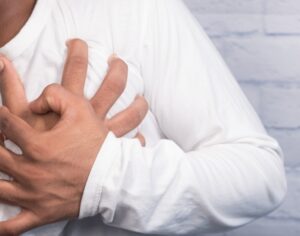
Call 911 for chest discomfort that lasts more than a few minutes or goes away and comes back; shortness of breath; discomfort in the arms, back, neck, jaw or stomach; a cold sweat, nausea or lightheadedness; fainting; or stroke signs such as face drooping, arm weakness or speech difficulty, even if they go away. Our offices are not emergency departments, and office messages and appointment requests are not for emergencies.
Many heart-related symptoms overlap with stress, aging, digestive problems or lung conditions, which is why a careful evaluation matters. Dr. Khalid combines your history, a physical examination and selected tests to determine whether symptoms are related to coronary artery disease, heart rhythm disorders, heart failure, circulation problems or another cause, including causes outside the heart.
Our focus is on timely diagnosis and preventive heart care, with individualized treatment plans designed to lower future risk and support long-term heart health.
Dr. Khalid reviews your symptoms, history and test results himself
Visits in Katy and Sugar Land
Catheter and device procedures at an affiliated hospital
Office follow-up on medicines and risk factors
Common Warning Signs of Heart Disease
Heart disease can affect blood flow, heart rhythm, circulation, and the heart’s ability to pump efficiently throughout the body. Symptoms may develop slowly over time or appear suddenly depending on the underlying condition. Some individuals experience obvious chest discomfort, while others may only notice subtle changes in breathing, energy levels, or physical endurance.
Common symptoms of heart disease may include:
Symptoms vary from person to person. Women, older adults and people with diabetes are more likely to have less typical symptoms such as fatigue, nausea or breathlessness. If any of these symptoms are sudden, severe, or occur with chest discomfort, fainting or trouble breathing, call 911. For symptoms that are mild, recurring or already checked for an emergency, schedule an evaluation.

Adnan Khalid, MD – Interventional Cardiologist
Adnan Khalid, MD is a board-certified cardiologist with over 10 years of experience in diagnosing and treating heart conditions such as coronary artery disease, peripheral artery disease, heart failure, hypertension, arrhythmias, and hyperlipidemia. He is fellowship-trained in Cardiovascular Disease, Interventional Cardiology, Advanced Heart Failure, and Transplant Cardiology.
Dr. Khalid graduated from Nishtar Medical College among the top students in his class and completed his residency and fellowship at the University of Missouri–Kansas City. He is known for providing personalized, compassionate care and takes time to understand each patient’s concerns.
Outside of work, Dr. Khalid enjoys reading, traveling, exercising, and spending time with his wife and three children.
Board Certifications:
American Board of Internal Medicine
Cardiovascular Disease | Interventional Cardiology | Advanced Heart Failure & Transplant Cardiology
Chest pain is one of the most recognized symptoms of heart disease, although not everyone experiences the same type of discomfort. People describe it as pressure, squeezing, heaviness, tightness, burning or aching.
Heart-related chest pain may:
Reduced blood flow to the heart muscle, called angina, is a common cause of chest discomfort linked to coronary artery disease. Chest discomfort that lasts more than a few minutes, comes and goes, occurs at rest, or is new or getting worse needs a 911 call rather than an office appointment, even if it does not feel severe.
Shortness of breath can occur when the heart cannot pump blood effectively or when fluid backs up into the lungs. Some people notice breathing difficulty during exercise, while others become short of breath when lying flat, wake up at night needing to sit up, or feel breathless at rest.
Fatigue and weakness may develop because the heart cannot deliver enough oxygen-rich blood to muscles and organs. These symptoms are associated with heart failure, coronary artery disease, arrhythmias, valve disease and weakened heart muscle, but lung disease, anemia and other conditions can cause them too. Learn more about shortness of breath evaluation. Sudden or severe breathlessness, or breathlessness with chest discomfort, needs a 911 call.
Abnormal heart rhythms, also called arrhythmias, may cause:
Some rhythm problems, such as atrial fibrillation, can increase the risk of stroke, while others are harmless. Because a brief office EKG may not capture symptoms that come and go, a wearable heart monitor is often used to record the rhythm during symptoms. Persistent or recurring symptoms should be evaluated by a cardiologist; see palpitations and irregular heartbeat care. Fainting, or palpitations with chest pain or shortness of breath, needs a 911 call.
Evaluation begins with a conversation about your symptoms, history, medicines and risk factors, followed by a physical examination. An EKG may be done in our office. Depending on your symptoms, Dr. Khalid may recommend an echocardiogram, a stress test, a wearable heart monitor, blood tests or cardiac imaging, which are performed or arranged by our office. Each test answers a different question, and none shows everything: an EKG captures only a few seconds of rhythm, an echocardiogram does not show the coronary arteries, and a stress test can miss some blockages. If a hospital procedure such as cardiac catheterization is needed, it is scheduled at an affiliated hospital. Dr. Khalid explains your results and the next steps in plain language.
Advanced Cardiology in Katy and Sugar Land evaluates and manages a broad range of heart and blood vessel conditions, following current evidence-based guidelines.
Led by Adnan Khalid, MD, our practice is committed to personalized treatment plans, careful diagnostic evaluation and patient-centered care. We take time to understand each patient’s health concerns and work closely with them to improve their heart health and overall well-being.
We diagnose and treat heart and blood vessel conditions, including coronary artery disease, heart rhythm disorders, heart failure, and high blood pressure.
Adil Ahmed- Reviewed in Google
Yenifer is an exceptional nurse who provides compassionate and personalized care to all patients. Her kindness, empathy, and professionalism make a significant difference in the clinic. I highly recommend Yenifer and Dr Adnan Khalid for their outstanding heart health care and support.
Dr. Khalid helped my dad, Harvey, immediately without question. My dad had to have a procedure done immediately after arriving to the ER and he was there without right away to pretty much save his life. We are forever grateful for him.
Very excellent dr. Definitely recommend him for any heart issues. Compassionate and you can tell he really loves his job and cares about the patient. Very glad we found him. Staff is very friendly and the know who you are as soon as you walk in.
Our goal is to help patients live healthier lives through attentive cardiovascular care, evidence-based treatment and a supportive environment.
Please print out your paperwork and bring it to your appointment at Advanced Cardiology. If your insurance requires authorization, please be sure to have that information sent to our office or bring it with you to your appointment, along with any medical records you may have. Please also make sure to bring your insurance cards, photo ID, and medication list.
Thank you, and we look forward to meeting you! Contact us today with any questions.
Please note: chest discomfort lasting more than a few minutes or that comes and goes, shortness of breath, fainting, or sudden numbness, face drooping or trouble speaking can signal a heart attack or stroke, even if symptoms seem mild or go away. Call 911 rather than contacting the office.
Most insurance plans accepted
(713) 258-6111
Common symptoms include chest pain, shortness of breath, fatigue, irregular heartbeat, dizziness, and swelling in the legs or feet.
Yes. Reduced blood flow and weakened heart function may cause persistent fatigue and weakness.
No. Chest discomfort may also come from muscles, lungs, digestive issues, or anxiety, but cardiac causes should always be ruled out.
Yes. Conditions such as heart failure and coronary artery disease can reduce circulation and oxygen delivery.
EKG, echocardiogram, stress testing, Holter monitoring, and cardiac imaging are commonly used.
Yes. Arrhythmias and abnormal heart rhythms may indicate underlying cardiovascular problems.
Schedule a cardiology visit if symptoms are recurring, gradually worsening or interfering with daily activities, or if your doctor or a test result suggests a heart problem. Call 911 instead for chest discomfort lasting more than a few minutes or that comes and goes, fainting, sudden shortness of breath or stroke signs.
Yes. Swelling can occur when the heart does not pump effectively and fluid builds up, but it can also come from vein problems, kidney or liver disease, or some medicines. Swelling in one leg that is painful, warm or red should be checked promptly because it can signal a blood clot.
Yes. Some patients have silent heart disease that is only discovered during testing or after complications occur. That is why managing blood pressure, cholesterol, blood sugar and smoking matters even without symptoms.
Sources: American Heart Association: Warning Signs of a Heart Attack; American Stroke Association: Stroke Symptoms; MedlinePlus: Heart Diseases; NHLBI: Heart Tests.
Back pain with chest pain may be a muscle strain or reflux, but also a heart attack or aortic dissection. Learn the causes, warning signs and when to call 911.

Jaw pain with chest pain can warn of a heart attack or angina, especially in women. Learn how it differs from dental or TMJ pain and when to call 911.

Feeling weak and shaky with chest pain can be low blood sugar, anxiety or dehydration, but also a heart attack or rhythm problem. Know when to call 911.
Should you go to the ER for chest pain? Learn which symptoms need 911, ER vs urgent care, what happens in the ER, and when to follow up with a cardiologist.

Severe abdominal pain can feel frightening, exhausting, and overwhelming, especially when symptoms suddenly worsen or spread throughout the abdomen. Many people initially dismiss stomach pain as indigestion, food poisoning, gas, or minor illness, only to later discover they are experiencing appendicitis or even a ruptured appendix. A burst appendix, also called a ruptured appendix, is […]

Severe headache and nausea is often migraine, but sudden pain, very high blood pressure, weakness or confusion need the ER. Learn red flags and where to go.
Katy & Sugar Land Cardiologist
Advanced Cardiology welcomes new patients at its offices in Katy and Sugar Land. Call our office or send an appointment request, and our staff will follow up.
Most major insurance plans accepted; coverage is verified individually.
For possible heart attack or stroke symptoms, call 911.