Preparing for PFO Closure
Follow the specific instructions your care team and the hospital give you. You will usually be asked not to eat or drink for several hours beforehand. Blood thinners, diabetes medicines, and other drugs may need to be adjusted, but only as directed; do not stop any medication on your own. Tell the team about allergies, especially to nickel or contrast dye, and arrange for someone to drive you home.
What to Expect
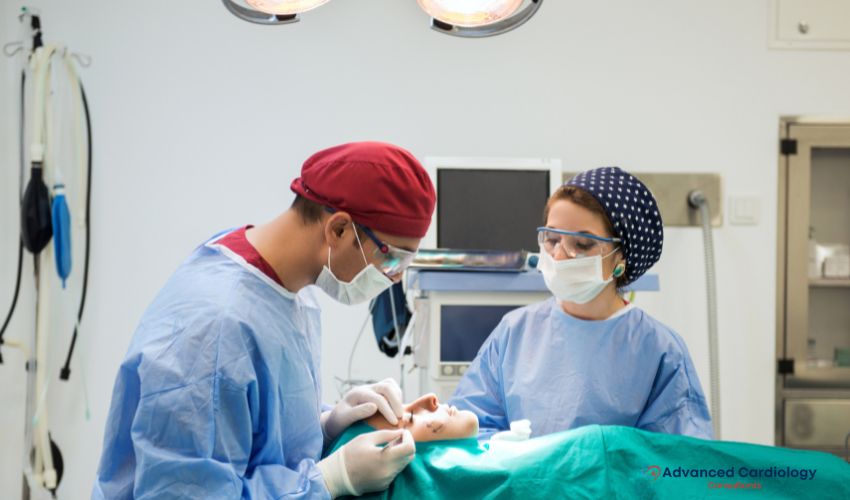
The procedure is done in a hospital catheterization laboratory, usually with sedation or anesthesia. A catheter is placed in a vein in the groin and guided to the heart. Using X-ray and ultrasound guidance, often TEE or a small ultrasound probe inside the heart, the physician places a folding closure device that sits on both sides of the opening. Over the following months, heart tissue grows over the device. The procedure often takes about an hour, and many people go home the same day or the next day.
Risks
Possible risks include bleeding or bruising at the groin, a new irregular heart rhythm such as atrial fibrillation, device problems, and, rarely, injury to the heart, a clot on the device, stroke, or the need for surgery. Your care team reviews your individual risks with you.
Recovery and Follow-Up
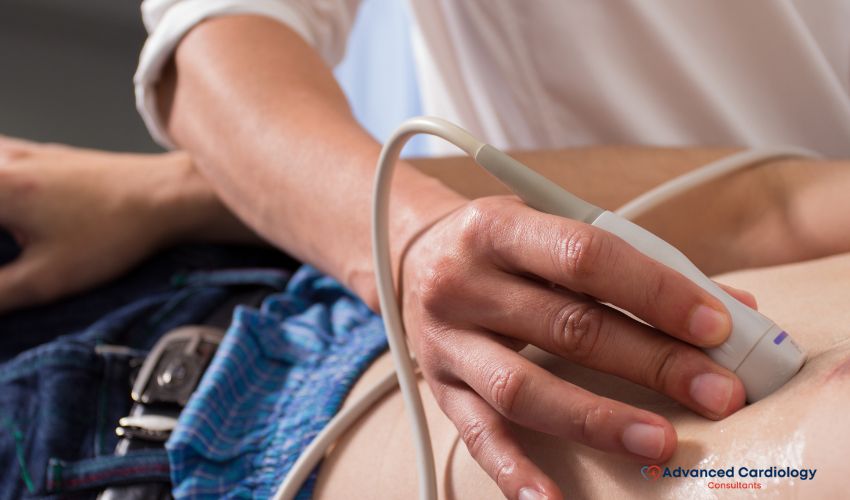
Recovery varies. Many people resume light activity within a few days, with limits on heavy lifting for a short period. You will usually take an antiplatelet medicine for a period after closure, and you may be asked to take antibiotics before certain dental procedures for a time. A follow-up echocardiogram checks the device position and seal. Dr. Khalid follows your care at the Katy or Sugar Land office.
Common Questions
Can a PFO close on its own in adulthood? It is unlikely. A PFO that is present in adulthood usually stays, but most cause no problems.
Will I feel the device? No. A few people notice palpitations in the first weeks; report these to your care team.
Can I stop my blood thinner after closure? Not on your own. The type and length of medicine after closure is set by your care team based on your history.
Is a PFO the same as a hole in the heart from birth that needs surgery? No. A PFO is a flap-like opening, different from larger defects such as an atrial septal defect, which are evaluated and treated differently.
Call 911 for stroke signs (face drooping, arm weakness, speech difficulty), chest discomfort lasting more than a few minutes or coming and going, or sudden shortness of breath, even if symptoms go away.