

Chest Tightness and Shortness of Breath: Causes and When to Worry
Chest tightness with shortness of breath may be asthma or anxiety, or a heart attack, angina or lung clot. Learn causes, red flags and when to call 911.
Cardiologist Serving Katy, Sugar Land, Greater Houston
If you have a pacemaker or implantable cardioverter-defibrillator (ICD), regular device checks help confirm that it is working as intended. Whether you are due for a routine follow-up or have new symptoms, our board-certified cardiologist reviews your device’s function, battery status, leads and stored heart rhythm data. Device checks may be done in the office or by remote monitoring, depending on your device and care plan.

Dr. Khalid reviews your symptoms, history and test results himself
Visits in Katy and Sugar Land
Catheter and device procedures at an affiliated hospital
Office follow-up on medicines and risk factors
A pacemaker is a small device that helps prevent the heart from beating too slowly. An ICD monitors for dangerous fast rhythms from the lower chambers and can treat them with pacing or a shock; many ICDs also work as pacemakers. Both connect to the heart through thin wires called leads (some newer devices are leadless or placed under the skin). Regular checks help make sure the device is set correctly for your needs and that the battery and leads are working properly.
During a check, a specialized programmer communicates wirelessly with your device, a process called interrogation. Most people feel little or nothing, although some brief tests may make you feel your heartbeat change for a moment. Device checks may be done in the office or by remote monitoring, depending on your device and care plan. Many modern devices can send data from home through a bedside monitor or smartphone app.
Advanced Cardiology sees patients at our Katy and Sugar Land offices, including patients from Richmond and nearby communities. Care is led by our board-certified cardiologist, Dr. Adnan Khalid, who reviews your device report together with your symptoms, medicines and other test results.

Adnan Khalid, MD, Cardiologist
Adnan Khalid, MD, specializes in treating coronary artery disease, peripheral artery disease, heart failure, hypertension, arrhythmias, and hyperlipidemia. He has over 10 years of experience in the field of cardiovascular medicine.
Dr. Khalid graduated from his medical school among the top 10 out of 250 medical students in his class. He is fellowship trained in cardiovascular diseases, interventional cardiology, advanced heart failure, and transplant cardiology. He is focused on providing personalized and compassionate care. Dr. Khalid believes in spending time with his patients and listening to their needs and is committed to offering excellent care.
Dr. Khalid is an avid reader. He is eager to learn new things, and he likes to work out and spend time with his family. When off from work, he likes to travel and spend time in nature along with family and friends. He is married with three children. Dr. Adnan Khalid is now seeing patients at our Katy and Sugar Land clinics—accepting new patients from Houston and surrounding areas.
American Board of Internal Medicine
Interventional Cardiology
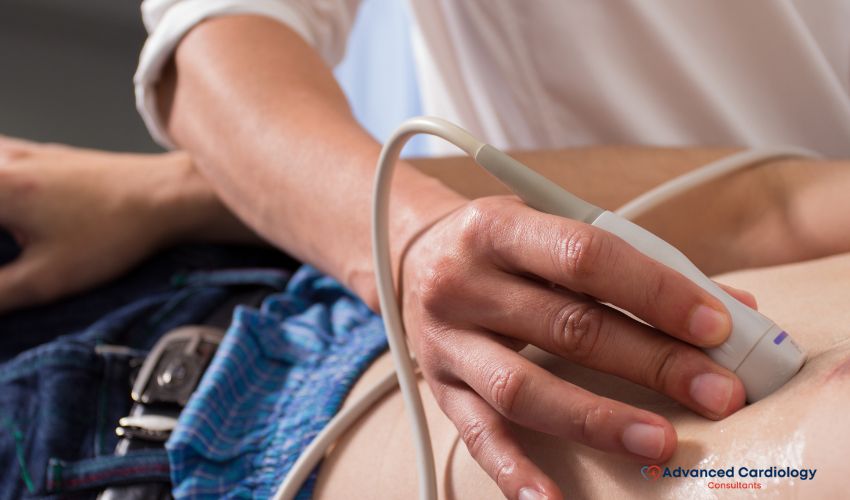
Regular checkups help make sure your device is functioning properly. Even if you feel fine, devices may need programming adjustments, and batteries and leads need periodic evaluation.
Battery Life & Device Longevity
Why it matters: All implanted devices have a limited battery life, which varies with the type of device and how often it works.
How it is checked: The device reports its remaining battery capacity, so a generator replacement can be planned in advance.
Lead Function
Why it matters: Leads carry signals between the device and your heart. A lead problem can affect sensing, pacing or shock delivery.
How it is checked: Measurements such as lead impedance and sensing and pacing thresholds help assess lead integrity.
Heart Rhythm Tracking
Why it matters: Pacemakers and ICDs continuously monitor your rhythm and may record episodes you did not notice, such as atrial fibrillation.
How it is checked: Stored data is reviewed for arrhythmias, which may lead to treatment changes. Learn more about atrial fibrillation care.
Device Settings
Why it matters: As your heart health changes, device settings may need fine-tuning.
How it is checked: Settings can be adjusted during an in-person check when needed.
Signs of Infection or Other Complications
Why it matters: Although uncommon, redness, swelling, warmth, drainage or fever near the implant site need prompt attention.
How it is checked: In-person visits include a look at the device site along with the interrogation.
If your ICD delivers a shock: Follow the instructions your care team gave you for your device. Call 911 if you receive more than one shock, or if a shock is followed by chest discomfort, shortness of breath, confusion or fainting, or if you feel unwell. Also call 911 for possible heart attack or stroke symptoms, such as chest discomfort that lasts more than a few minutes or comes and goes, or sudden face drooping, arm weakness or speech difficulty.
Battery status & device longevity:
Why it matters: A depleted battery can affect your device’s ability to pace or deliver therapy.
What is checked: Battery voltage and estimated longevity, so a replacement can be planned before the battery runs low.
Lead function & signal transmission:
Why it matters: Damaged or dislodged leads may not deliver impulses properly.
What is checked: Lead impedance and sensing and pacing thresholds.
Device programming & rhythm tracking:
Why it matters: Your heart’s needs may change over time.
What is checked: Stored data for arrhythmias such as AFib, fast rhythms or pauses, and whether settings should be adjusted.
Treated or untreated rhythm events:
Why it matters: Some rhythm problems occur without noticeable symptoms. An ICD also records any pacing or shocks it delivered.
What is checked: These records help your cardiologist decide whether medicines or other treatment should change.
Alerts & device integrity issues:
Why it matters: Some devices generate alerts for battery, lead or system issues.
What is checked: Device alerts and, when relevant, any manufacturer advisories for your model.
A device check focuses on the device and the heart rhythm it records. It does not show blockages in the heart arteries or fully assess heart pumping function or valves. If those questions come up, your cardiologist may recommend an echocardiogram or other tests.
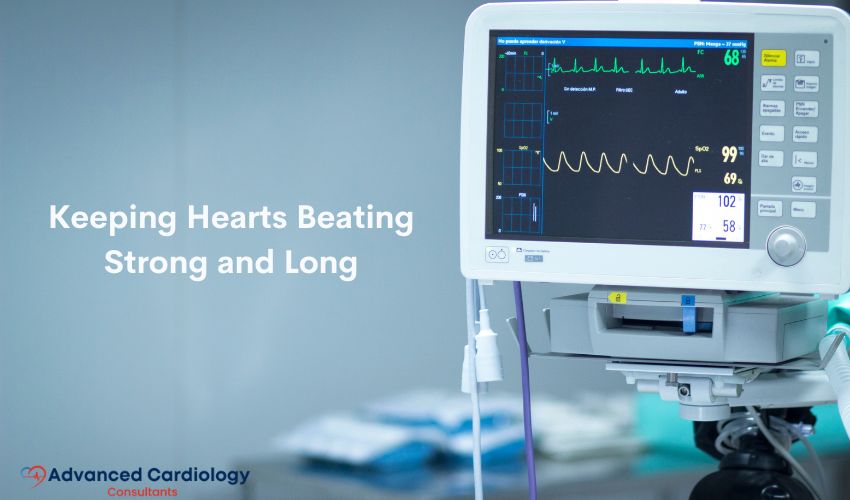
If you have an implanted pacemaker or ICD, follow the device-check schedule your care team recommends. The interval depends on your device, whether you use remote monitoring and your health. Contact our office to schedule a check if:
You are due or overdue for a routine device check
You have new dizziness, unusual tiredness, palpitations or swelling
You recently had a procedure, a new diagnosis or a medication change that may affect your heart
You received a single ICD shock and feel well afterward, or your home monitor shows an alert
You are new to our practice and need your device follow-up established
Fainting, multiple shocks or symptoms of a possible heart attack or stroke need a 911 call, not an office appointment. If your device was recently implanted, see our page on ICD and pacemaker implants for recovery information. Patients with slow heart rates or heart failure often have devices that need ongoing follow-up.
Advanced Cardiology accepts most major insurance plans, and coverage is verified individually. Device checks and remote monitoring are often covered when medically necessary, but benefits vary. If you are unsure, our front desk team will be happy to help verify coverage and any pre-authorization requirements.
Your ICD or pacemaker check can guide care decisions for your heart rhythm and overall health. Depending on the results, your cardiologist may recommend:
Adjusting device settings
Planning a generator (battery) replacement or lead evaluation when needed; these procedures take place at a hospital
Additional heart testing, such as an echocardiogram or stress test
Medication changes to better manage underlying heart conditions
Prompt treatment planning if a serious rhythm problem is detected
Bring your device identification card, a list of your medicines and any notes about symptoms or shocks. Wear clothing that allows easy access to the device site. Keep taking your medicines unless your care team gives you specific instructions. A typical check is brief, and Dr. Khalid will explain the results and any setting or treatment changes with you.
If your device uses home monitoring, keep the monitor plugged in near where you sleep or keep the app connected, and send manual transmissions when asked. Remote monitoring is not an emergency service; transmissions may not be reviewed right away, so call 911 for emergency symptoms rather than waiting for a call back.
Can I use my cell phone and household appliances?
Most household appliances are safe to use. Keep cell phones and magnets a few inches from your device, and ask your care team for the specific precautions for your model.
Can I have an MRI with a pacemaker or ICD?
Some devices are approved for MRI under specific conditions. Tell any imaging facility that you have a device, and contact our office so the necessary planning can be done.
Sources: NHLBI: Pacemakers; NHLBI: Implantable Cardioverter Defibrillators; MedlinePlus: Pacemakers and Implantable Defibrillators; American Heart Association: Warning Signs of a Heart Attack.
Please print out your paperwork and bring it to your appointment at Advanced Cardiology. If your insurance requires authorization, please be sure to have that information sent to our office or bring it with you to your appointment, along with any medical records you may have. Please also make sure to bring your insurance cards, photo ID, and medication list.
Thank you, and we look forward to meeting you! Contact us with any questions.
Most insurance plans accepted
(713) 258-6111
Katy & Sugar Land Cardiologist
# Cooperative & professional staff. Dr. Khalid is highly competent & experienced. Very kind & friendly too.
# He’s A Very Caring & Concerned Doctor. He Asks Important Questions, He Allows Me To Ask Questions & Fully Answers To My Satisfaction. He Diagnosis & Does Whatever It Takes To Fix My Health Issues. He’s A Wonderful Doctor…& Most Of All, I Trust Him & His Staff.
Read More…..
Chest tightness with shortness of breath may be asthma or anxiety, or a heart attack, angina or lung clot. Learn causes, red flags and when to call 911.

Chest pain after eating is often acid reflux, but it can also be angina. Learn the causes, warning signs, how doctors tell them apart, and when to call 911.

Practical heart health tips for Katy and Fort Bend residents: know your numbers, exercise safely in the heat, eat for your heart and prepare for storm season.

Heart failure can cause chest pain from angina, fluid buildup, rhythm or valve problems. Learn the causes, warning signs, tests and treatment options.

Advanced (stage D) heart failure: warning signs, IV support, heart pumps, LVAD, transplant evaluation and palliative care, explained by a cardiologist.

Living with heart failure: daily weights, salt and fluid tips, warning-sign zones, safe exercise and medicine tips from a heart failure-trained cardiologist.
Katy & Sugar Land Cardiologist
Advanced Cardiology welcomes new patients at its offices in Katy and Sugar Land. Call our office or send an appointment request, and our staff will follow up.
Most major insurance plans accepted; coverage is verified individually.
For possible heart attack or stroke symptoms, call 911.