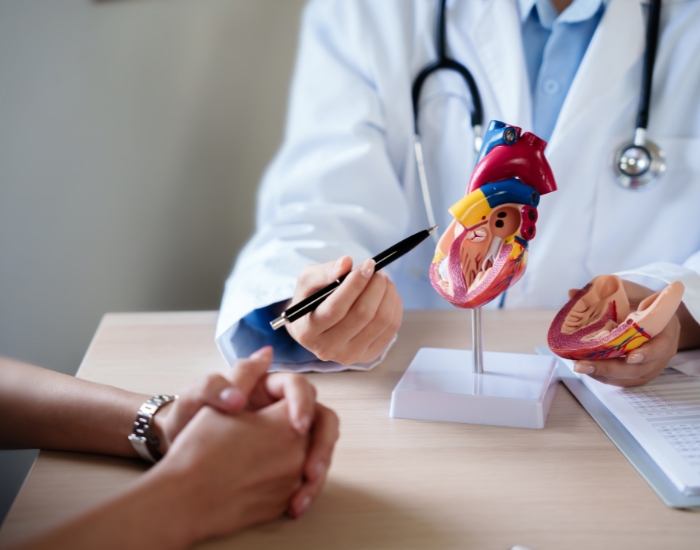
Chest tightness and shortness of breath are symptoms that should always be taken seriously. They may be caused by heart conditions, lung issues, anxiety, infections, or even high blood pressure.
In some cases, these symptoms can signal a medical emergency requiring immediate attention.
If you feel pressure in your chest along with difficulty breathing, it is important not to ignore it—especially if symptoms appear suddenly or worsen with activity.
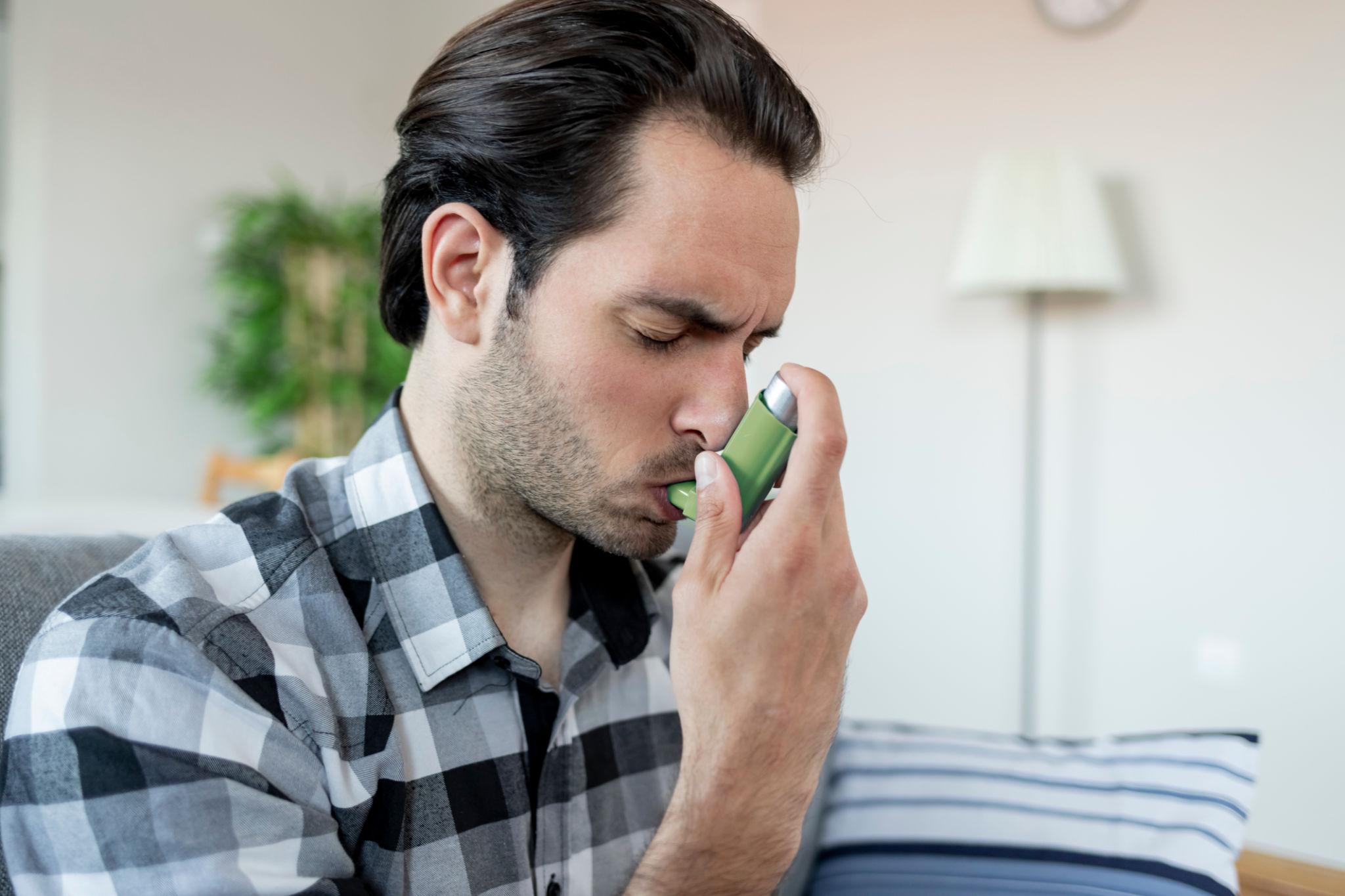
Notes:
In this blog, you will learn the most common causes of chest tightness and shortness of breath, how to recognize dangerous symptoms, and when to seek emergency or cardiology care.
Table of Contents
- What Does Chest Tightness Feel Like?
- Common Causes
- Heart-Related Causes
- Lung-Related Causes
- High Blood Pressure and Breathing Issues
- Anxiety and Panic Attacks
- When Symptoms Become Dangerous
- Diagnosis and Tests
- Treatment Options
- FAQs
What Does Chest Tightness and Shortness of Breath Feel Like?
Chest tightness is often described as pressure, squeezing, heaviness, or a band-like sensation around the chest. Shortness of breath feels like not being able to get enough air, even at rest.
These symptoms may appear:
- Suddenly or gradually
- During physical activity or at rest
- Together or separately
- Worsening when lying down
Some people also describe chest discomfort along with fatigue, dizziness, or a rapid heartbeat.
What Causes Chest Tightness and Shortness of Breath?
There are many possible causes, ranging from mild to life-threatening conditions. Understanding the difference is important for timely care.
Common causes include:
- Heart disease
- Asthma or lung conditions
- Anxiety or panic attacks
- High blood pressure
- Infections like pneumonia
- Blood clots in the lungs
- Heart failure
- Obesity or physical deconditioning

Heart-Related Causes of Chest Tightness
Heart conditions are one of the most serious causes of chest tightness and shortness of breath.
1. Coronary Artery Disease
Blocked arteries reduce blood flow to the heart, leading to chest pressure and breathing difficulty, especially during activity.
2. Heart Failure
When the heart cannot pump effectively, fluid builds up in the lungs, causing shortness of breath and chest discomfort.
Patients experiencing persistent symptoms may benefit from
heart failure treatment in Katy and Sugar Land.
3. Heart Attack
A heart attack often causes severe chest pressure and difficulty breathing. Symptoms may include sweating, nausea, and pain radiating to the arm or jaw.
4. Arrhythmias
Irregular heart rhythms can reduce oxygen flow, causing chest tightness and breathlessness.
Lung-Related Causes
The lungs play a key role in breathing, so lung conditions commonly cause these symptoms.
Asthma
Asthma causes airway narrowing, leading to wheezing, chest tightness, and difficulty breathing.
Pneumonia
Infection in the lungs causes inflammation, fever, chest pain, and shortness of breath.
Pulmonary Embolism
A blood clot in the lungs is a medical emergency that can cause sudden chest pain and severe breathing difficulty.
High Blood Pressure and Breathing Problems
High blood pressure can silently damage the heart over time, leading to breathing difficulty and chest discomfort.
When the heart becomes strained, fluid may build up in the lungs, making breathing harder.
Patients may require long-term management through
hypertension treatment in Katy and Sugar Land.
Can Anxiety Cause Chest Tightness and Shortness of Breath?
Yes. Anxiety and panic attacks are common causes of chest tightness and breathing difficulty.
During anxiety episodes, the body releases stress hormones that cause:
- Fast heartbeat
- Chest pressure
- Rapid breathing
- Dizziness
- Trembling
Although anxiety symptoms can feel intense, they are not usually life-threatening. However, heart conditions should always be ruled out first.
When Are Chest Tightness and Shortness of Breath Dangerous?
Seek immediate medical care if symptoms are severe, sudden, or worsening.
Warning signs include:
- Severe chest pressure
- Shortness of breath at rest
- Pain spreading to arms or jaw
- Fainting or dizziness
- Blue lips or skin
- Rapid worsening symptoms
- Cold sweating
These may indicate a heart attack, heart failure, or lung emergency.
If you are unsure, it is always safer to seek emergency evaluation.
Notes:
In this blog, you are learning that chest tightness and shortness of breath can be caused by heart, lung, or anxiety-related conditions. Because symptoms overlap, medical evaluation is essential for accurate diagnosis.
How Doctors Diagnose These Symptoms
Doctors use several tests to determine the cause of chest tightness and breathing difficulty.
- Electrocardiogram (EKG)
- Echocardiogram
- Chest X-ray
- CT scan
- Blood tests
- Pulmonary function tests
- Stress tests
A full evaluation helps identify whether the cause is cardiac, pulmonary, or other systemic conditions.
Treatment Options
Treatment depends on the underlying cause of symptoms.
Heart-Related Treatments
- Medications for heart failure
- Blood pressure control
- Cholesterol management
- Procedures for blocked arteries
Lung Treatments
- Inhalers for asthma
- Antibiotics for infections
- Oxygen therapy
Lifestyle Changes
- Regular exercise
- Healthy diet
- Weight management
- Stress reduction
Patients experiencing ongoing symptoms should consult a
Houston cardiologist for expert evaluation.
Why Early Evaluation Matters
Ignoring chest tightness or shortness of breath can allow serious conditions to progress silently.
Early diagnosis helps prevent:
- Heart failure complications
- Heart attacks
- Stroke risk
- Severe lung damage
Advanced Cardiology provides comprehensive diagnostic testing and personalized treatment plans for patients experiencing these symptoms.
Frequently Asked Questions
Why do I feel chest tightness when breathing deeply?
It may be caused by lung inflammation, anxiety, muscle strain, or heart-related conditions requiring evaluation.
Can stress cause shortness of breath?
Yes. Stress and anxiety can trigger rapid breathing and chest tightness.
Is chest tightness always serious?
Not always, but it should never be ignored without medical evaluation.
When should I go to the ER?
If symptoms are severe, sudden, or include chest pain, fainting, or breathing difficulty at rest, seek emergency care immediately.
Schedule Your Cardiac Evaluation
Schedule a Chest & Breathing Evaluation
Advanced Cardiology provides advanced evaluation and treatment for chest tightness, shortness of breath, and cardiovascular conditions.
- Experienced cardiology specialists
- Advanced heart and lung diagnostic testing
- Personalized treatment plans
- Fast and accurate diagnosis
- Convenient Houston-area care
Contact Advanced Cardiology today to protect your heart and lung health.