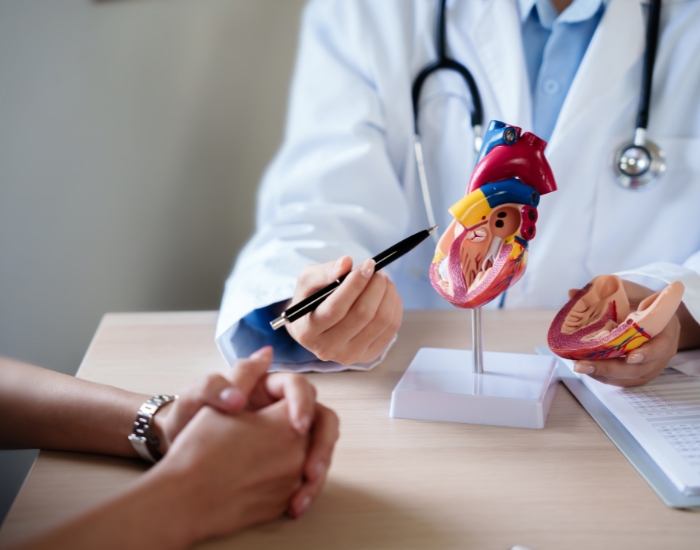
You should see a cardiologist when you experience symptoms like chest pain, shortness of breath, dizziness, palpitations, or fatigue that may indicate an underlying heart condition. A cardiologist is a heart specialist trained to diagnose and treat conditions affecting your heart and blood vessels.
In areas like Sugar Land and Katy, early evaluation is especially important because conditions like hypertension, coronary artery disease, and heart failure often develop silently before symptoms become severe.
Notes:
In this blog, you will learn the key symptoms that indicate when to see a cardiologist, warning signs of heart disease, and when chest pain or other symptoms require urgent evaluation.
What Does a Cardiologist Do?
A cardiologist is a medical doctor who specializes in diagnosing, treating, and preventing diseases of the heart and blood vessels. They manage conditions such as heart attacks, high blood pressure, heart rhythm disorders, and heart failure.
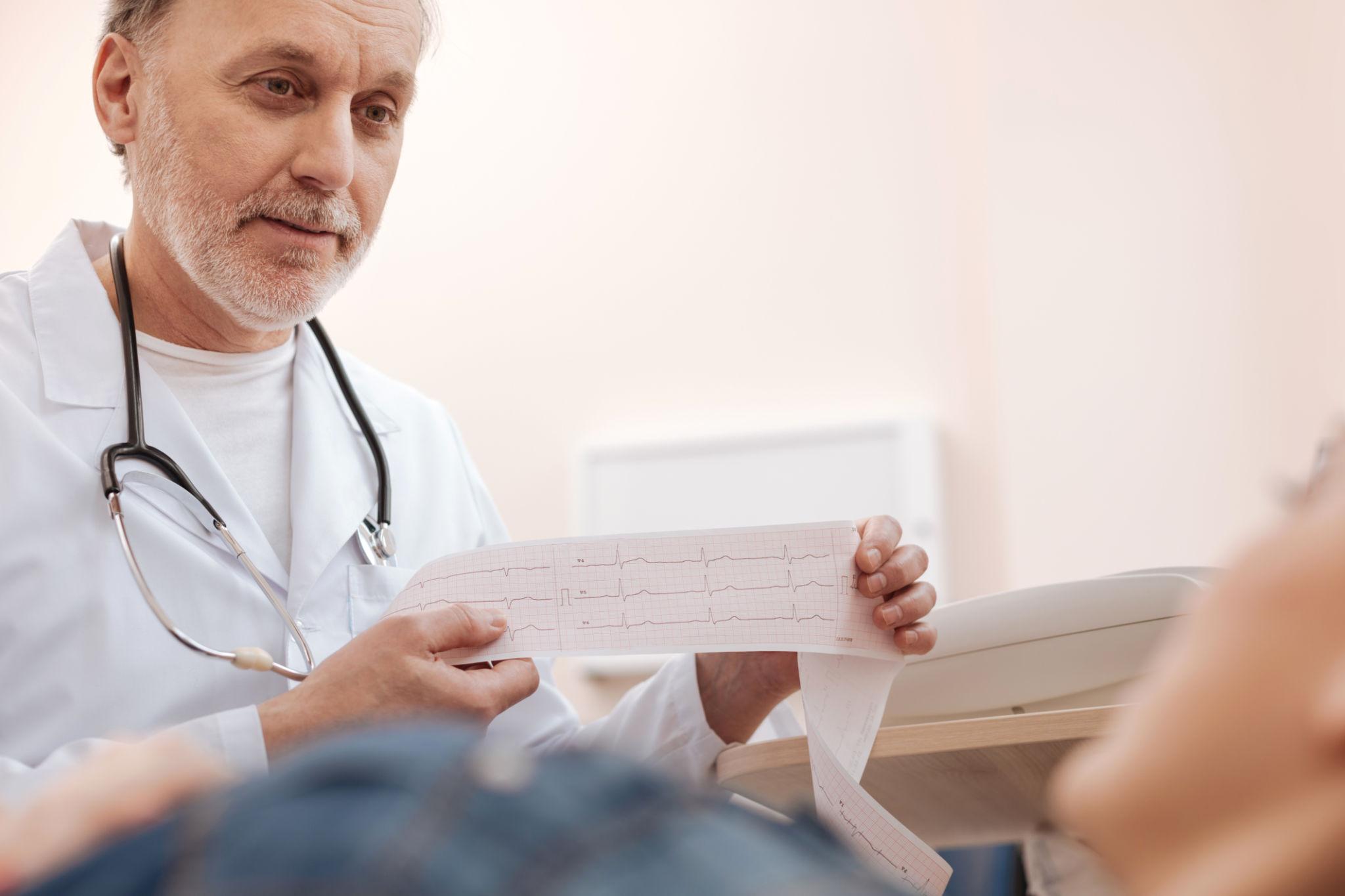
They also perform diagnostic tests like ECG, echocardiograms, stress tests, and advanced heart imaging to detect early signs of heart disease.
When Should You See a Cardiologist?
You should consider seeing a cardiologist if you experience symptoms that may suggest heart problems, especially if they are recurring, worsening, or unexplained.
Common warning symptoms include:
- Chest pain or pressure during activity or rest
- Shortness of breath while walking or climbing stairs
- Unexplained fatigue or weakness
- Heart palpitations or irregular heartbeat
- Dizziness or fainting episodes
These symptoms may indicate early heart disease and should not be ignored.
Chest Pain and Heart Warning Signs
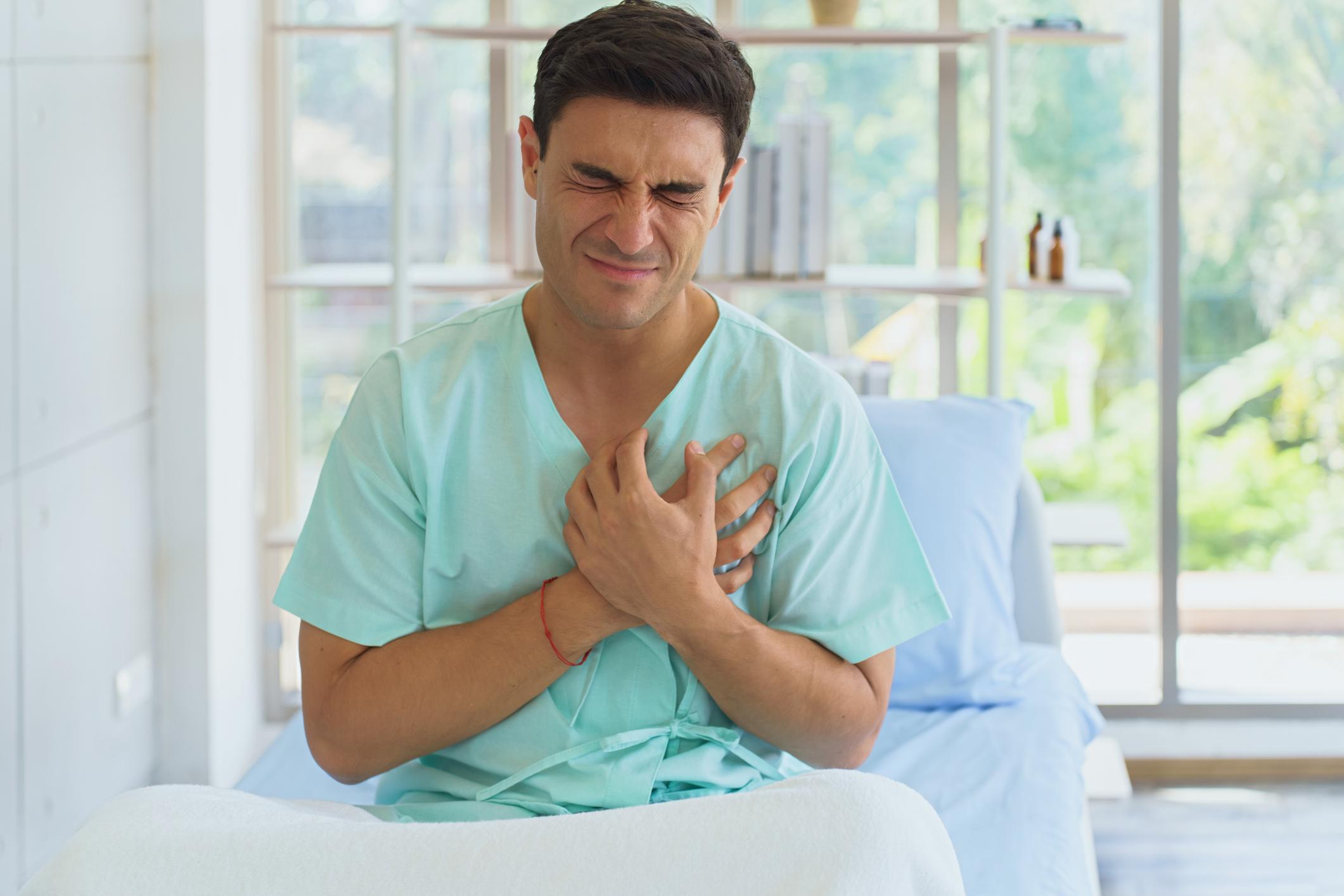
Chest pain is one of the most important reasons to see a cardiologist. Heart-related chest pain often feels like pressure, squeezing, or heaviness rather than sharp pain.
If chest pain occurs during physical activity or stress, it may indicate reduced blood flow to the heart, also known as angina.
Heart Doctor Symptoms You Should Not Ignore
Some symptoms may seem mild at first but can indicate serious heart conditions.
- Fatigue during normal daily activities
- Swelling in feet, ankles, or legs
- Rapid or irregular heartbeat
- Chest discomfort after walking or climbing stairs
- Difficulty breathing while lying down
Comparison: Normal Symptoms vs Heart-Related Symptoms
| Symptom | Normal Cause | Possible Heart Issue |
|---|---|---|
| Fatigue | Lack of sleep or stress | Heart failure or poor circulation |
| Chest discomfort | Muscle strain or acidity | Angina or blocked arteries |
| Breathing difficulty | Fitness or anxiety | Heart or lung disease |
| Palpitations | Caffeine or stress | Arrhythmia |
Notes:
In this blog, we compare normal symptoms with potential heart-related warning signs to help you understand when medical evaluation is necessary.
Who Is at Higher Risk of Heart Disease?
Some people are more likely to need a cardiologist due to risk factors that affect heart health over time.
- High blood pressure
- High cholesterol levels
- Diabetes
- Smoking history
- Obesity or sedentary lifestyle
- Family history of heart disease
When Should Chest Pain Be Taken Seriously?
Chest pain should always be taken seriously if it is new, recurring, or associated with other symptoms like dizziness or shortness of breath.
Even if the pain is mild, persistent discomfort should be evaluated to rule out heart-related causes.
Types of Heart Tests a Cardiologist May Recommend
A cardiologist may suggest several tests to understand your heart health better.
- Electrocardiogram (ECG)
- Echocardiogram
- Stress test
- Blood tests for heart markers
- CT or coronary angiography
These tests help detect blocked arteries, weak heart function, or rhythm problems.
When to See a Cardiologist Near You
If you are searching for a “heart specialist near me,” it usually means your symptoms require timely evaluation rather than waiting.
Patients in Sugar Land and Katy often benefit from early consultation to prevent complications from hypertension, heart disease, or undiagnosed circulation issues.
Early diagnosis allows better treatment outcomes and reduces the risk of serious cardiac events.
When to Visit a Walk-In Cardiology Clinic
A walk-in cardiology clinic is useful when symptoms are not life-threatening but still require prompt evaluation.
This includes mild chest discomfort, ongoing fatigue, or occasional palpitations that need same-day assessment.
Frequently Asked Questions
When should I see a cardiologist?
You should see a cardiologist if you experience chest pain, shortness of breath, or irregular heartbeat.
Do I need a referral to see a cardiologist?
Not always. Many clinics allow direct appointments with a heart specialist.
Can stress cause heart-like symptoms?
Yes, stress can cause palpitations and chest tightness, but it should still be evaluated if persistent.
Is chest pain always heart-related?
No, it can also be caused by muscles, acid reflux, or anxiety.
What tests will a cardiologist do?
Common tests include ECG, echocardiogram, and stress testing.
Final Thoughts
Knowing when to see a cardiologist is important for early detection of heart disease. Symptoms like chest pain, shortness of breath, and palpitations should never be ignored, especially if they occur repeatedly or worsen over time.
For patients in Sugar Land and Katy, early cardiology evaluation can help prevent serious complications and ensure long-term heart health.
Disclaimer
This article is for educational purposes only and does not replace professional medical advice. Always consult a qualified healthcare provider for diagnosis and treatment.