Symptoms, Low Fluid Levels, Fast Heartbeat, and When to Seek Medical Care
Dehydration can affect nearly every organ system in the body, including the cardiovascular system, circulation, blood pressure, muscles, brain, and lungs. Many people think dehydration only causes thirst or dry mouth, but low fluid levels may also contribute to dizziness, weakness, chest tightness, fatigue, rapid heartbeat, confusion, shortness of breath, and even chest pain-like symptoms in some individuals.
When the body loses more fluids than it receives, blood volume may decrease, causing the heart to work harder to circulate oxygen and nutrients throughout the body. This increased cardiovascular strain may sometimes create symptoms that resemble heart-related conditions, especially in older adults or individuals with underlying cardiovascular disease.
Many individuals search online for terms such as “can dehydration cause chest pain and dizziness,” “dehydration chest pain,” “fast heartbeat dehydration,” or “feeling dizzy and weak suddenly” because they want to determine whether symptoms are temporary or potentially dangerous. Understanding how dehydration affects the body may help patients recognize when symptoms require emergency medical evaluation.
At Advanced Cardiology, patients throughout Katy, Sugar Land, Houston, and surrounding communities receive comprehensive cardiovascular evaluations focused on identifying the true cause of chest discomfort, dizziness, heart palpitations, weakness, and circulation-related symptoms while helping reduce future cardiovascular risks.
Table of Contents
- What Is Dehydration?
- Can Dehydration Cause Chest Pain and Dizziness?
- How Dehydration Affects the Heart
- Dehydration Chest Pain Symptoms
- Dizziness and Chest Pain Causes
- Fast Heartbeat Dehydration Symptoms
- Can Dehydration Cause Heart Palpitations?
- Low Blood Pressure Dehydration Symptoms
- Feeling Dizzy and Weak Suddenly
- Warning Signs You Should Never Ignore
- When Should You See a Cardiologist?
- How Cardiologists Diagnose Chest Pain and Dizziness
- Advanced Heart Testing and Evaluation
- Treatment Options for Dehydration and Heart Symptoms
- Lifestyle Changes That May Help
- Preventing Dehydration and Cardiovascular Problems
- Frequently Asked Questions
- Advanced Cardiology in Katy, Sugar Land, and Houston
- Final Discussion
What Is Dehydration?
Dehydration occurs when the body loses more fluids than it takes in. Water is essential for blood circulation, oxygen delivery, temperature regulation, organ function, and electrolyte balance.
The body may lose fluids through:
- Sweating
- Fever
- Vomiting
- Diarrhea
- Excessive urination
- Heat exposure
- Intense exercise
- Poor fluid intake
When fluid levels decrease significantly, blood pressure and circulation may become unstable, placing extra strain on the cardiovascular system.
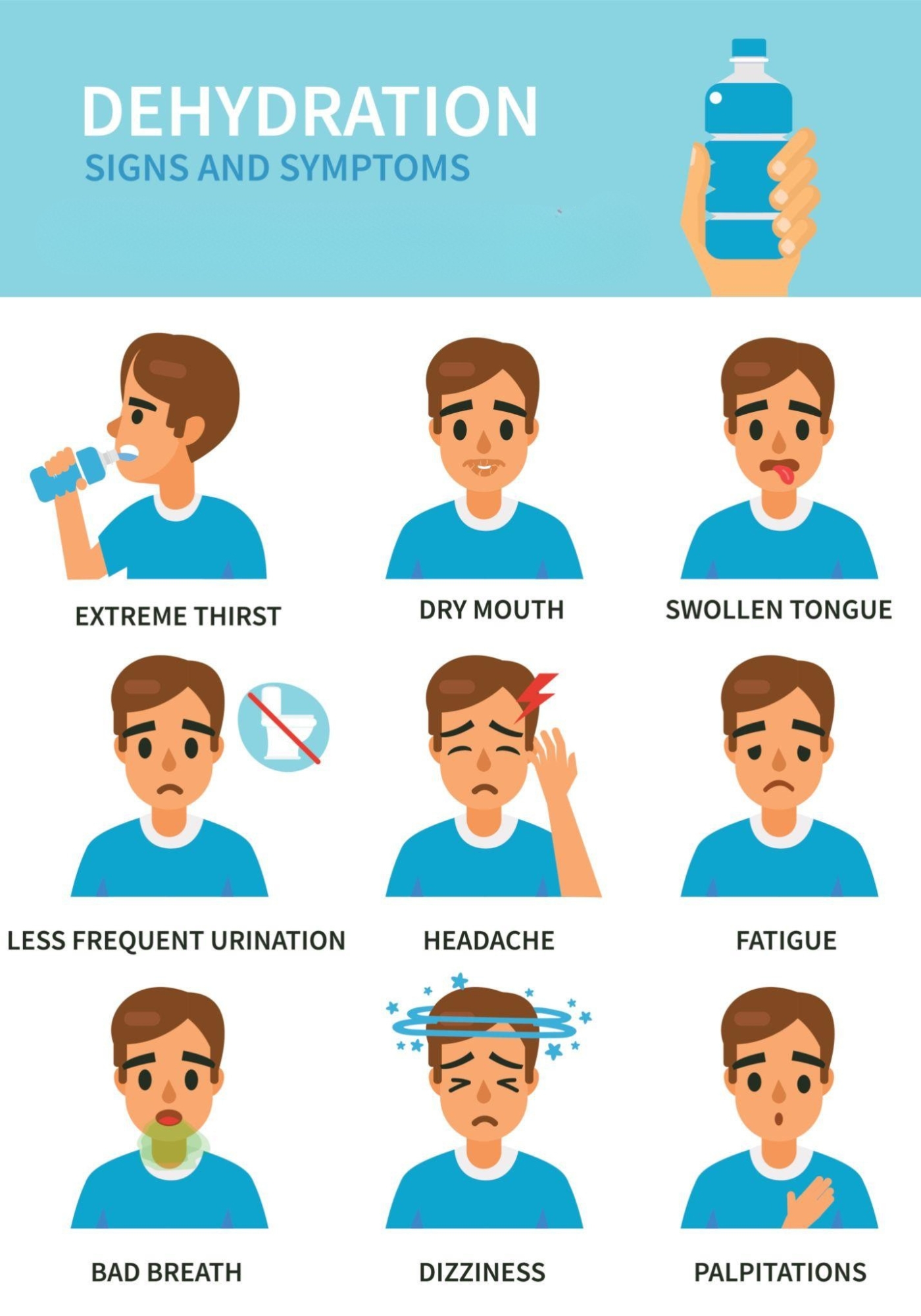
Common dehydration symptoms include:
- Thirst
- Dry mouth
- Weakness
- Fatigue
- Dizziness
- Headache
- Fast heartbeat
- Muscle cramps
- Confusion
- Dark urine
Severe dehydration may become dangerous and require urgent medical treatment.
Important Note: Chest pain, dizziness, rapid heartbeat, or breathing difficulty should never automatically be assumed to be caused only by dehydration because serious cardiovascular disease may produce similar symptoms.
Can Dehydration Cause Chest Pain and Dizziness?
Yes. Dehydration can contribute to chest discomfort and dizziness, especially when blood volume decreases significantly and circulation becomes less efficient.
When the body lacks adequate fluids:
- Blood pressure may drop
- Heart rate may increase
- Oxygen circulation may become less effective
- Electrolyte levels may become imbalanced
- Muscles may receive less oxygen
These changes may produce:
- Chest tightness
- Chest discomfort
- Rapid heartbeat
- Weakness
- Dizziness
- Lightheadedness
- Shortness of breath
- Fatigue
However, chest pain and dizziness may also indicate heart attack, arrhythmias, coronary artery disease, pulmonary embolism, or stroke. Medical evaluation remains important, especially when symptoms become severe or persistent.
How Dehydration Affects the Heart
The heart depends on stable blood volume and electrolyte balance to pump efficiently throughout the body.
When dehydration develops:
- Blood becomes more concentrated
- Blood pressure may fall
- Heart rate may increase
- Circulation efficiency may decrease
- Electrolyte imbalances may affect heart rhythm stability
As a result, the heart may need to work harder to maintain adequate circulation.
This increased workload may trigger:
- Fast heartbeat
- Heart palpitations
- Chest tightness
- Dizziness
- Weakness
- Fatigue
- Shortness of breath
Patients with underlying cardiovascular disease may be especially sensitive to dehydration-related circulation changes.
Dehydration Chest Pain Symptoms
Dehydration chest pain symptoms may feel different depending on severity and underlying cardiovascular health.
Patients may describe:
- Tightness in chest
- Pressure sensations
- Burning chest discomfort
- Sharp chest pain
- Heaviness in chest
- Muscle tightness
- Chest soreness
- Chest discomfort during activity
Symptoms may worsen:
- During exercise
- In hot weather
- During illness
- While standing suddenly
- During prolonged activity without hydration
Chest pain should always be medically evaluated when symptoms occur repeatedly or involve shortness of breath, sweating, dizziness, or weakness.

Dizziness and Chest Pain Causes
Dizziness and chest pain causes may involve both cardiovascular and non-cardiovascular conditions.
Possible causes include:
- Dehydration
- Low blood pressure
- Arrhythmias
- Anxiety
- Heart attack
- Coronary artery disease
- Pulmonary embolism
- Heat exhaustion
- Electrolyte imbalance
- Severe anemia
Some patients experience dizziness because reduced blood volume limits blood flow to the brain.
Persistent dizziness and chest discomfort should never be ignored.
Fast Heartbeat Dehydration Symptoms
Fast heartbeat dehydration symptoms commonly occur because the heart attempts to compensate for lower blood volume.
Patients may notice:
- Racing heartbeat
- Fluttering sensations
- Palpitations
- Chest tightness
- Fatigue
- Sweating
- Weakness
- Lightheadedness
Rapid heartbeat may become more noticeable:
- During standing
- During exercise
- During stress
- In hot environments
- After vomiting or diarrhea
Persistent rapid heartbeat symptoms require professional medical evaluation.
Can Dehydration Cause Heart Palpitations?
Yes. Dehydration may trigger heart palpitations because low fluid levels and electrolyte imbalance may interfere with the heart’s normal electrical activity.
Patients may feel:
- Skipped beats
- Fluttering
- Pounding heartbeat
- Racing heart
- Irregular heartbeat sensations
Electrolytes such as potassium, sodium, magnesium, and calcium play important roles in heart rhythm stability. Significant imbalances may increase risks of arrhythmias.
Short Medical Note: Heart palpitations associated with fainting, severe dizziness, chest pressure, or shortness of breath should always be medically evaluated urgently.
Low Blood Pressure Dehydration Symptoms
Low blood pressure dehydration symptoms commonly occur when blood volume decreases significantly.
Symptoms may include:
- Dizziness while standing
- Weakness
- Blurry vision
- Fainting
- Fatigue
- Nausea
- Rapid heartbeat
- Lightheadedness
Older adults may face increased risks because aging may reduce the body’s ability to regulate fluids effectively.
Feeling Dizzy and Weak Suddenly
Feeling dizzy and weak suddenly may indicate dehydration, low blood sugar, cardiovascular disease, arrhythmias, stroke, or severe blood pressure changes.
Patients should seek immediate medical attention if symptoms involve:
- Chest pain
- Fainting
- Difficulty speaking
- Confusion
- Severe shortness of breath
- Weakness on one side of body
Sudden dizziness should never be ignored because symptoms may indicate serious medical emergencies.
Warning Signs You Should Never Ignore
Certain symptoms require urgent medical evaluation. Seek Emergency Medical Attention If You Experience:
- Severe chest pain
- Fainting
- Severe dizziness
- Difficulty breathing
- Blue lips or fingertips
- Rapid worsening symptoms
- Confusion
- Chest pressure with sweating
- Weakness on one side of body
- Rapid irregular heartbeat
Ignoring these symptoms may delay treatment for heart attack, stroke, arrhythmias, or severe dehydration complications.
When Should You See a Cardiologist?
Patients should seek cardiology evaluation if symptoms:
- Occur repeatedly
- Develop during exercise
- Cause dizziness or weakness
- Include chest discomfort
- Involve rapid heartbeat
- Interfere with activity
- Cause fainting
- Worsen over time
Early cardiology evaluation helps identify cardiovascular disease before severe complications develop.
For advanced cardiovascular evaluation and chest pain care, visit:
Chest Pain Specialist in Katy, Sugar Land, and Houston.
How Cardiologists Diagnose Chest Pain and Dizziness
Advanced Cardiology provides comprehensive cardiovascular evaluations designed to identify the underlying cause of symptoms. Common Diagnostic Tests Include:
Electrocardiogram (EKG)
Measures electrical activity of the heart.
Echocardiogram
Uses ultrasound imaging to evaluate heart structure and pumping function.
Holter Monitoring
Records abnormal heart rhythms over time.
Stress Testing
Evaluates circulation and exercise tolerance.
Blood Pressure Evaluation
Helps identify circulation abnormalities.
Blood Testing
Checks electrolyte levels and cardiovascular markers.
Accurate diagnosis helps physicians create personalized treatment plans.
Advanced Heart Testing and Evaluation
Advanced Cardiology provides advanced cardiovascular testing focused on identifying heart disease early.
Patients may receive:
- EKG testing
- Holter monitoring
- Echocardiography
- Stress echocardiography
- Mobile cardiac telemetry
- Preventive cardiology evaluation
- Interventional cardiology consultation
Early diagnosis significantly improves long-term cardiovascular outcomes.
Treatment Options for Dehydration and Heart Symptoms
Treatment depends entirely on the underlying cause identified during evaluation.
- Increased hydration
- Electrolyte replacement
- Blood pressure management
- Heart rhythm treatment
- Stress reduction
- Medication adjustments
- Lifestyle modification
- Cardiovascular treatment when necessary
Severe dehydration may require intravenous fluids and emergency medical treatment.
Lifestyle Changes That May Help
Healthy habits may reduce dehydration-related symptoms and support long-term cardiovascular health. Helpful Lifestyle Habits Include:
- Drinking adequate water daily
- Limiting excessive caffeine
- Avoiding excessive alcohol
- Monitoring blood pressure
- Staying cool during hot weather
- Replacing fluids during exercise
- Eating balanced meals
- Improving sleep quality
- Managing stress
Preventive care plays an important role in protecting long-term heart health.
Preventing Dehydration and Cardiovascular Problems
Preventive strategies may help reduce risks of dehydration and cardiovascular complications. Preventive Strategies Include:
- Routine medical evaluations
- Blood pressure monitoring
- Diabetes management
- Healthy hydration habits
- Balanced nutrition
- Stress reduction
- Heart-healthy exercise
- Avoiding smoking
Patients with underlying cardiovascular disease should remain especially proactive about hydration and preventive care.
Frequently Asked Questions
Can dehydration cause chest pain and dizziness?
Yes. Dehydration may reduce blood volume and circulation efficiency, potentially causing dizziness, weakness, chest discomfort, and rapid heartbeat.
Can dehydration cause heart palpitations?
Yes. Low fluid levels and electrolyte imbalance may trigger palpitations and irregular heartbeat sensations.
What are dehydration chest pain symptoms?
Symptoms may include chest tightness, chest discomfort, weakness, rapid heartbeat, and dizziness.
Why do I feel dizzy and weak suddenly?
Sudden dizziness and weakness may result from dehydration, low blood pressure, arrhythmias, heart disease, or other medical conditions.
Can dehydration cause shortness of breath?
Yes. Severe dehydration may reduce circulation efficiency and contribute to breathing difficulty.
When should I see a cardiologist for dizziness and chest pain?
You should seek evaluation if symptoms occur repeatedly, worsen, or develop together with chest discomfort, rapid heartbeat, or fainting.
Is fast heartbeat from dehydration dangerous?
It can be, especially if symptoms involve dizziness, chest pressure, fainting, or severe weakness.
Advanced Cardiology in Katy, Sugar Land, and Houston
Advanced Cardiology proudly serves patients throughout Katy, Sugar Land, Houston, Richmond, Rosenberg, Cypress, Stafford, Fulshear, and surrounding communities with comprehensive cardiovascular care focused on chest pain, dizziness, heart palpitations, rapid heartbeat, weakness, and preventive cardiology. The clinic provides advanced cardiovascular testing, rhythm monitoring, echocardiography, stress testing, interventional cardiology, and long-term cardiovascular disease management designed to improve heart health while reducing future risks of heart attack, stroke, heart failure, and vascular disease.
Patients searching for dehydration chest pain evaluation, fast heartbeat treatment, dizziness causes, heart palpitations testing, or chest discomfort evaluation in Katy, Sugar Land, and Houston can receive personalized cardiovascular care tailored to their symptoms and risk factors.
Final Discussion
Dehydration can contribute to chest discomfort, dizziness, rapid heartbeat, weakness, and circulation-related symptoms because low fluid levels may affect blood pressure, oxygen delivery, and heart rhythm stability. While mild dehydration symptoms may improve with hydration and rest, chest pain, severe dizziness, rapid heartbeat, or breathing difficulty should never automatically be assumed to be harmless because serious cardiovascular disease may produce similar symptoms. Understanding whether dehydration may be causing chest pain and dizziness can help patients recognize warning signs early and seek appropriate medical evaluation before severe complications develop.
Preventive cardiology, proper hydration, healthy lifestyle habits, early diagnosis, and advanced cardiovascular testing all play important roles in protecting long-term heart health. Patients experiencing recurring dizziness, chest discomfort, rapid heartbeat, or weakness should seek professional medical evaluation to determine the exact underlying cause and receive appropriate treatment.
Disclaimer: This content is for educational purposes only and should not be considered medical advice, diagnosis, or treatment. Chest pain, severe dizziness, fainting, rapid heartbeat, or breathing difficulty may indicate serious medical emergencies requiring immediate evaluation. If you experience severe symptoms or possible heart attack symptoms, seek emergency medical care immediately.