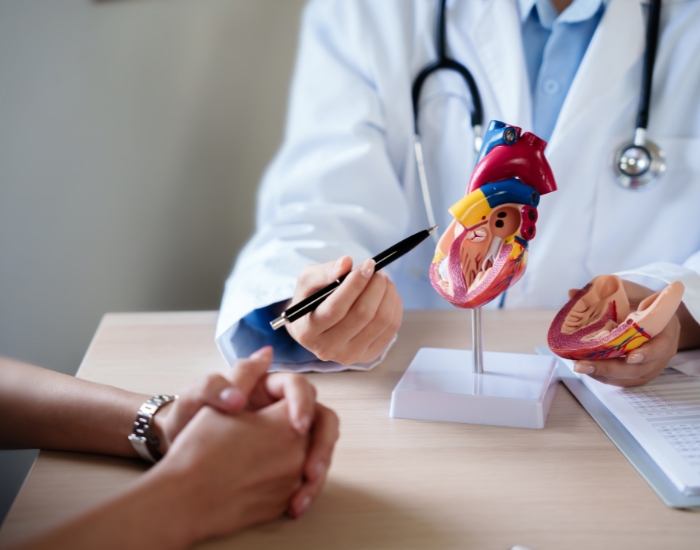
Sudden high blood pressure can feel alarming, especially if you were previously healthy or your readings were normal. Blood pressure can spike temporarily due to stress, lifestyle triggers, or underlying cardiovascular conditions.
While occasional increases may not always be dangerous, repeated or very high spikes should never be ignored.
Notes:
In this blog, you will learn why blood pressure suddenly rises, common causes of BP spikes, warning symptoms, and when to seek urgent cardiovascular evaluation.
Table of Contents
- What Is Sudden High Blood Pressure?
- Common Causes of BP Spikes
- Stress and Temporary Hypertension
- Symptoms of High Blood Pressure
- When High BP Becomes Dangerous
- Heart-Related Causes
- Lifestyle Triggers
- How Doctors Diagnose Hypertension
- Treatment Options
- FAQs
What Is Sudden High Blood Pressure?
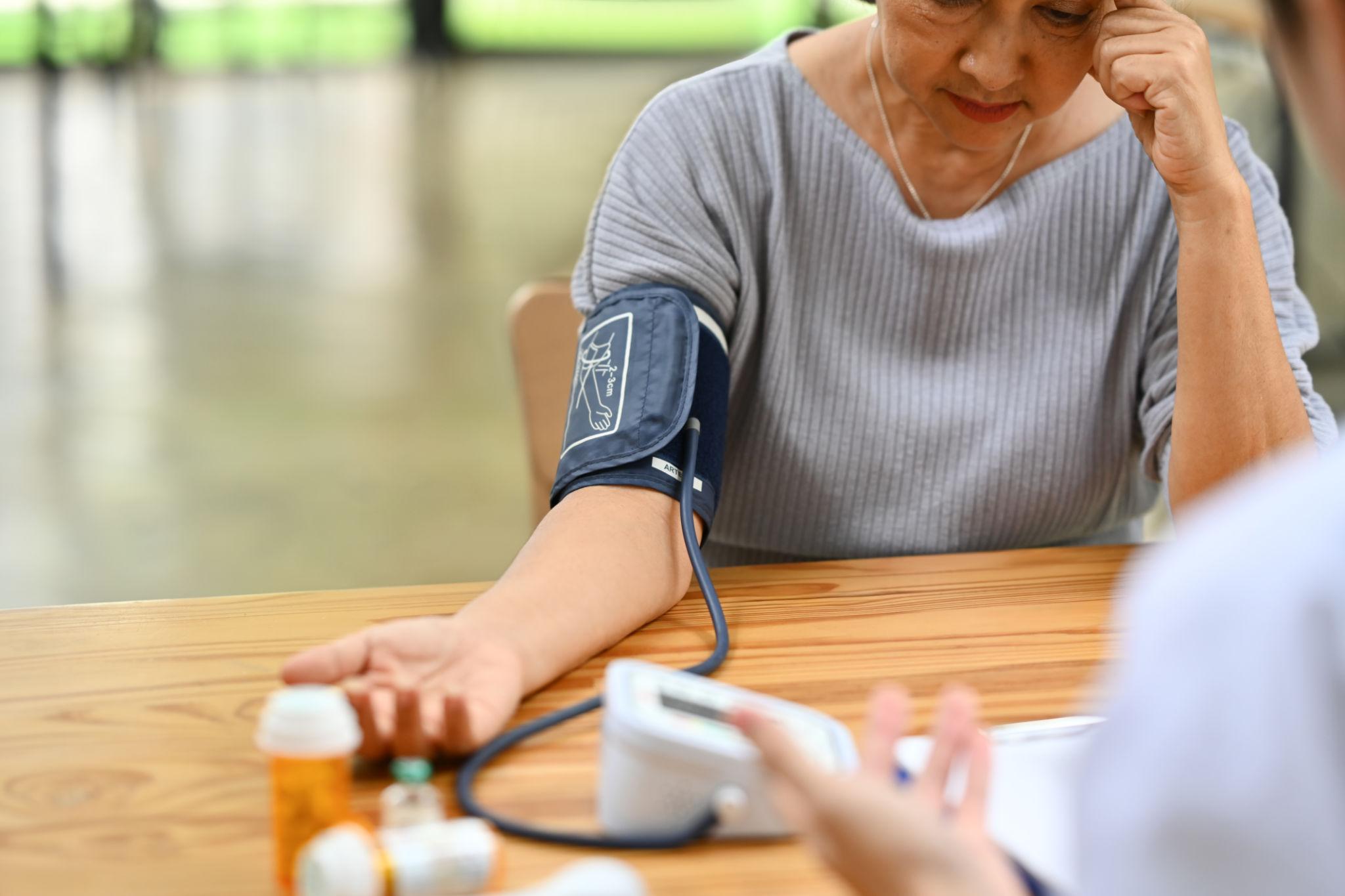
Sudden high blood pressure refers to a rapid increase in blood pressure readings, often above normal levels (typically above 140/90 mmHg). These spikes may happen without warning and can last minutes, hours, or longer.
In some cases, this may be a temporary response to stress or activity. In other cases, it may signal underlying hypertension or cardiovascular disease.
Common Causes of Sudden Blood Pressure Spikes
Blood pressure can rise suddenly due to many physical and emotional factors.
Common causes include:
- Stress and anxiety
- High salt intake
- Caffeine or energy drinks
- Pain or illness
- Physical exertion
- Medications (decongestants, stimulants)
- Dehydration

Stress and Temporary Hypertension
Stress is one of the most common causes of temporary blood pressure spikes. When you are stressed, your body releases hormones like adrenaline and cortisol.
These hormones cause your heart to beat faster and blood vessels to narrow, leading to increased blood pressure.
Stress-related symptoms include:
- Racing heart
- Headache
- Chest tightness
- Restlessness
- Feeling anxious or overwhelmed
While stress-induced spikes may resolve on their own, frequent episodes should be evaluated.
Symptoms of High Blood Pressure
High blood pressure is often called a “silent condition” because many people do not experience obvious symptoms.
When symptoms do occur, they may include:
- Headaches
- Dizziness
- Blurred vision
- Chest discomfort
- Shortness of breath
- Nosebleeds (in severe cases)
These symptoms usually appear when blood pressure is significantly elevated.
When High Blood Pressure Becomes Dangerous
Very high blood pressure can become a medical emergency, especially if it rises above 180/120 mmHg.
Seek immediate care if you experience:
- Severe chest pain
- Shortness of breath
- Severe headache
- Confusion or difficulty speaking
- Vision changes
- Weakness or numbness
These may indicate hypertensive crisis or risk of stroke or heart attack.
If symptoms persist, evaluation for
hypertension treatment in Katy and Sugar Land is recommended.
Heart-Related Causes of BP Spikes
Sometimes sudden high blood pressure is linked to underlying heart or vascular conditions.
Possible heart-related causes include:
- Arterial stiffness
- Blocked arteries
- Heart failure
- Kidney disease affecting circulation
- Hormonal disorders
Chronic uncontrolled blood pressure can lead to serious complications such as
cardiovascular disease.
Lifestyle Triggers That Increase BP
Daily habits play a major role in blood pressure control.
- High-sodium diet
- Lack of exercise
- Smoking
- Excess alcohol intake
- Poor sleep quality
- Chronic stress
Small lifestyle changes can significantly reduce BP spikes over time.
How Doctors Diagnose High Blood Pressure
Doctors confirm hypertension using repeated measurements and diagnostic tests.
Common evaluations include:
- Blood pressure monitoring
- Ambulatory BP monitoring (24-hour)
- Blood tests
- EKG (heart rhythm check)
- Echocardiogram
- Kidney function tests
In some cases, advanced cardiac evaluation is required through
heart testing.
Patients may also be referred to a
Houston cardiologist for detailed assessment.
Treatment Options for High Blood Pressure
Lifestyle Management:
- Low-sodium diet (DASH diet)
- Regular exercise
- Weight management
- Stress reduction
- Limiting caffeine and alcohol
Medications:
- Diuretics
- ACE inhibitors
- Beta-blockers
- Calcium channel blockers
Treatment is tailored based on severity and underlying causes.
Why Monitoring Blood Pressure Matters
Regular monitoring helps detect hypertension early and prevents complications such as heart attack, stroke, and kidney disease.
Even temporary spikes can indicate an underlying issue that needs attention.
Frequently Asked Questions
Why did my blood pressure suddenly go high?
It may be due to stress, diet, medications, or underlying cardiovascular conditions.
Is sudden high blood pressure dangerous?
It can be if levels are extremely high or symptoms like chest pain or dizziness occur.
Can anxiety cause BP spikes?
Yes, anxiety can temporarily raise blood pressure due to adrenaline release.
How do I lower BP quickly?
Relaxation, deep breathing, hydration, and medical care if severe.
Schedule a Blood Pressure Evaluation
Schedule a Hypertension Evaluation Today
Advanced Cardiology provides expert diagnosis and treatment for high blood pressure and cardiovascular risk conditions.
- Experienced cardiology specialists
- Advanced blood pressure monitoring
- Personalized treatment plans
- Preventive heart care
- Convenient Houston-area care
Contact Advanced Cardiology today to control your blood pressure and protect your heart health.
Final Thoughts
Sudden high blood pressure should never be ignored, especially if it happens frequently or with symptoms. Early diagnosis and lifestyle changes can significantly reduce long-term risks.
Understanding your triggers is the first step toward better heart health.
Disclaimer
This article is for educational purposes only and should not replace professional medical advice. Seek emergency care for severe symptoms.