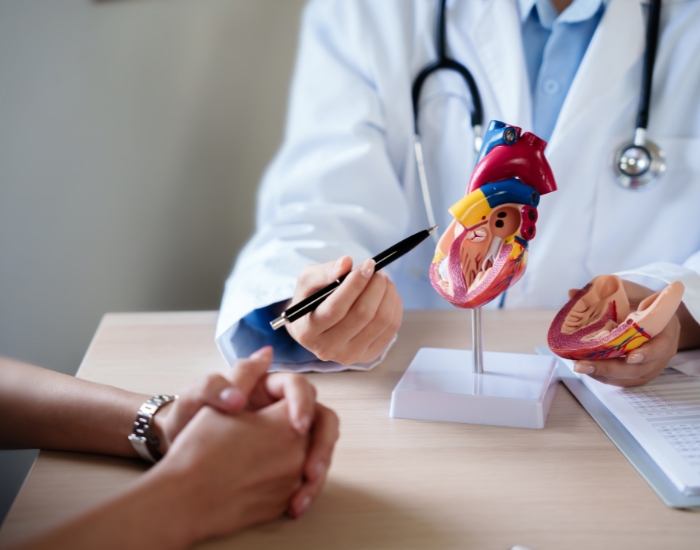
Early signs of heart failure often develop slowly and may be mistaken for normal aging, stress, or fatigue. However, heart failure is a serious condition where the heart cannot pump blood effectively, leading to fluid buildup and reduced oxygen delivery to the body.
Recognizing symptoms early can help prevent complications and improve long-term heart health. Common warning signs include fatigue, swelling in the legs, breathing difficulty, and reduced exercise tolerance.

Notes:
In this blog, you will learn the early warning signs of heart failure, how symptoms progress, and when to seek immediate cardiology care for diagnosis and treatment.
Table of Contents
- What Is Heart Failure?
- Early Signs of Heart Failure
- Breathing Problems in Heart Failure
- Swelling in Legs and Feet
- Why Fatigue Happens
- Types of Heart Failure
- Warning Signs You Should Not Ignore
- How Doctors Diagnose Heart Failure
- Treatment Options
- FAQs
What Is Heart Failure?
Heart failure does not mean the heart has stopped working. Instead, it means the heart is too weak or stiff to pump blood efficiently throughout the body.
When this happens, blood and fluid can back up into the lungs, legs, and other tissues, causing noticeable symptoms.
Heart failure can develop gradually over time or appear after a heart attack, uncontrolled high blood pressure, or other cardiovascular conditions.
What Are the Early Signs of Heart Failure?
Early symptoms are often subtle and easy to overlook. However, they usually worsen over time if untreated.
Common early signs include:
- Persistent fatigue or weakness
- Shortness of breath during activity
- Swollen ankles, legs, or feet
- Rapid or irregular heartbeat
- Difficulty lying flat due to breathing issues
- Unexplained weight gain
- Reduced exercise tolerance
These symptoms may come and go at first, making them easy to ignore.

Breathing Difficulty in Heart Failure
Shortness of breath is one of the most common early signs of heart failure.
It happens because fluid may accumulate in the lungs when the heart cannot pump efficiently.
Patients may notice:
- Breathlessness during walking or climbing stairs
- Waking up at night gasping for air
- Difficulty breathing when lying flat
- Needing extra pillows to sleep comfortably
If breathing issues become frequent or severe, it may indicate worsening heart function.
Why Do Legs and Feet Swell?
Swelling in the lower legs, ankles, or feet (edema) is a classic sign of heart failure.
When blood circulation slows, fluid leaks into surrounding tissues and causes visible swelling.
Signs of fluid retention include:
- Tight shoes or socks
- Swollen ankles by evening
- Indentation after pressing the skin
- Rapid weight gain
Patients experiencing swelling along with breathing difficulty should seek evaluation promptly.
Treatment may be needed through specialized
heart failure treatment in Katy and Sugar Land.
Why Does Heart Failure Cause Fatigue?
Fatigue is one of the earliest and most overlooked symptoms of heart failure.
When the heart cannot pump enough oxygen-rich blood, muscles and organs receive less energy, leading to constant tiredness.
Patients often describe:
- Feeling exhausted after mild activity
- Low energy throughout the day
- Difficulty completing normal tasks
- Slower recovery after exertion
Types of Heart Failure
Heart failure can affect different parts of the heart in different ways.
Left-Sided Heart Failure
The most common type. Causes fluid buildup in the lungs leading to shortness of breath.
Right-Sided Heart Failure
Causes fluid retention in the abdomen, legs, and feet.
Congestive Heart Failure
A combination of symptoms involving both lungs and body fluid retention.
Advanced cases may require specialized care such as
advanced heart failure and transplant cardiology.
Warning Signs You Should Never Ignore
Some symptoms indicate worsening heart failure and require urgent care.
- Severe shortness of breath at rest
- Chest pain or pressure
- Confusion or dizziness
- Rapid weight gain over a few days
- Persistent coughing or wheezing
- Swelling that worsens quickly
If these symptoms occur, immediate medical evaluation is necessary.
How Doctors Diagnose Heart Failure
Doctors use several tests to confirm heart failure and determine severity.
- Echocardiogram (heart ultrasound)
- EKG (electrical activity of the heart)
- Chest X-ray
- Blood tests (BNP levels)
- Stress testing
- CT or MRI scans
These tests help determine how well the heart is functioning and guide treatment decisions.
Treatment Options for Heart Failure
Treatment depends on severity and underlying causes.
Medications
- Diuretics to reduce fluid buildup
- Blood pressure medications
- Beta-blockers
- ACE inhibitors
Lifestyle Changes
- Low-sodium diet
- Regular light exercise
- Weight monitoring
- Fluid management
If heart failure is linked to structural issues like enlargement, patients may need
heart enlargement treatment in Katy and Sugar Land.
Chest discomfort or worsening symptoms should be evaluated promptly through
chest pain treatment in Katy and Sugar Land.
Why Early Detection Matters
Heart failure is a progressive condition, meaning symptoms worsen over time if untreated.
Early diagnosis helps:
- Prevent hospitalization
- Improve quality of life
- Slow disease progression
- Reduce complications
Regular checkups with a cardiologist can detect changes before symptoms become severe.
Frequently Asked Questions
What is the earliest symptom of heart failure?
Fatigue and shortness of breath during activity are often the earliest signs.
Can heart failure symptoms come and go?
Yes, early symptoms may be mild and intermittent before becoming more persistent.
Is swelling always a sign of heart failure?
Not always, but swelling in legs and ankles combined with other symptoms should be evaluated.
Can heart failure be treated?
Yes. While it cannot always be cured, treatment can significantly improve symptoms and quality of life.
Schedule a Heart Health Evaluation
Schedule a Heart Failure Evaluation Today
Advanced Cardiology provides expert diagnosis and treatment for early and advanced heart failure patients.
- Experienced heart failure specialists
- Advanced diagnostic testing
- Personalized treatment plans
- Comprehensive cardiac care
- Convenient Houston-area locations
Contact Advanced Cardiology today to protect your heart health and prevent disease progression.
Final Thoughts
Early signs of heart failure are often subtle but should never be ignored. Symptoms like fatigue, swelling, and breathing difficulty can indicate serious heart problems that require timely care.
Early evaluation and treatment can significantly improve outcomes and quality of life.
Disclaimer
This article is for educational purposes only and should not replace professional medical advice. Seek immediate medical attention for severe or worsening symptoms.