Cardiologist Serving Katy, Sugar Land, Greater Houston
Cardiologist Serving Katy, Sugar Land, Greater Houston
Diabetes & Heart Health
Diabetes is a cardiovascular condition as much as a metabolic one. Adults with diabetes are much more likely to develop coronary artery disease, heart failure, and stroke, and heart disease is a leading cause of death in people with diabetes. The arteries can be damaged quietly, symptoms are often muted or absent, and the first sign can be a heart attack. At Advanced Cardiology, Adnan Khalid, MD provides cardiology care built around the specific ways diabetes affects the heart: thoughtful risk assessment, looking for silent disease when appropriate, and treatment choices that protect the heart as well as control blood sugar.
Patients are seen at our Katy and Sugar Land offices, in coordination with their primary care physician or endocrinologist.
Board-Certified Cardiologist • Katy & Sugar Land • New Patients Welcome

Dr. Khalid reviews your symptoms, history and test results himself
Visits in Katy and Sugar Land
Catheter and device procedures at an affiliated hospital
Office follow-up on medicines and risk factors
Important Safety Information
Nerve damage from diabetes can blunt chest pain, so a heart attack may show up as sudden unexplained breathlessness, a cold sweat, nausea, lightheadedness, unusual fatigue, discomfort in the jaw, neck, back, arms, or stomach, or simply feeling unwell in a way that is hard to describe. Call 911 for these symptoms, or for chest discomfort that lasts more than a few minutes or goes away and comes back, even if the symptoms seem mild and even without chest pain. Also call 911 for possible stroke signs such as face drooping, arm weakness, or speech difficulty, even if they go away.
Do not wait to see whether symptoms pass; if you are unsure, call 911. Office messages and appointment requests are not for emergencies. This page is for stable patients seeking cardiology care for the long-term heart risks of diabetes.
Understanding the Connection
High blood sugar injures the lining of blood vessels, accelerates plaque formation, and makes plaque more likely to rupture. Diabetes also travels with high blood pressure, abnormal cholesterol, excess weight, and inflammation, each of which compounds the damage. The result is coronary artery disease that starts earlier, involves more vessels, and progresses faster than in people without diabetes.
The heart muscle itself is affected as well. Diabetic cardiomyopathy stiffens the heart and can lead to heart failure even without blocked arteries, and diabetes is an important risk factor for atrial fibrillation. Small-vessel disease reduces blood flow to the heart, kidneys, eyes, and nerves at the same time.
The most dangerous feature is silence. Diabetic nerve damage can mask the chest pain that would otherwise warn of a blockage, so significant coronary disease, and even heart attacks, can go unnoticed. That is why cardiology guidelines give diabetes special weight in cardiovascular risk assessment, and why the newer diabetes medications that reduce heart attacks and heart failure have changed how cardiologists and diabetes physicians work together.

When to Seek Evaluation
Not every person with diabetes needs a cardiologist, but the threshold for a visit is lower than for the general population. A cardiology evaluation may be worthwhile when:
Patients with prediabetes or metabolic syndrome may also benefit from evaluation, since arterial damage can begin before blood sugar reaches the diabetic range.
Heart Conditions Linked to Diabetes
Each of these is more common, develops earlier, and is often quieter in people with diabetes.
Plaque in the heart's arteries, often diffuse and involving multiple vessels, and frequently without the warning chest pain seen in others.
Both the weak-pumping and stiff-heart forms are more common with diabetes, and certain newer diabetes medications have been shown to reduce heart failure hospitalizations.
Narrowed leg arteries cause pain with walking and slow wound healing, and may signal that the coronary arteries are affected too.
Diabetes raises the risk of atrial fibrillation and the stroke risk that comes with it, which affects the decision about blood thinners.
Present in most people with type 2 diabetes and a major driver of both heart and kidney damage. Targets are set individually, commonly below 130/80.
Diabetes and chronic kidney disease reinforce each other and both multiply cardiovascular risk. Kidney function shapes medication choices.

Meet Your Cardiologist
Adnan Khalid, MD is a board-certified cardiologist who completed his cardiology fellowship at the University of Missouri–Kansas City School of Medicine; his listed specialties include cardiovascular disease, interventional cardiology, and advanced heart failure and transplant cardiology. Diabetes touches all three: it drives the coronary disease that interventional cardiologists treat, the heart failure that the advanced heart failure field manages, and the risk-factor work that helps prevent both.
Dr. Khalid’s approach for patients with diabetes is to look for heart disease before it declares itself, using tests such as calcium scoring and echocardiography where appropriate, and to make sure treatment addresses the whole picture: cholesterol goals set for your risk level, blood pressure controlled to an individual target, and diabetes medications chosen, in coordination with your primary care physician or endocrinologist, with their heart benefits in mind. Diabetes and early heart disease are especially common in some communities, including people of South Asian and Hispanic backgrounds, which is one more reason to discuss family history and ancestry at your visit.
Your Evaluation
Because symptoms are unreliable in diabetes, the evaluation leans more on measurement and, when appropriate, imaging than it does for many other patients.
Dr. Khalid reviews how long you have had diabetes, how well it has been controlled, which medications you take, and whether you have kidney, eye, or nerve complications, which track closely with heart risk. He asks about exercise tolerance, breathlessness, and leg symptoms, since these often replace chest pain as the presenting signs.
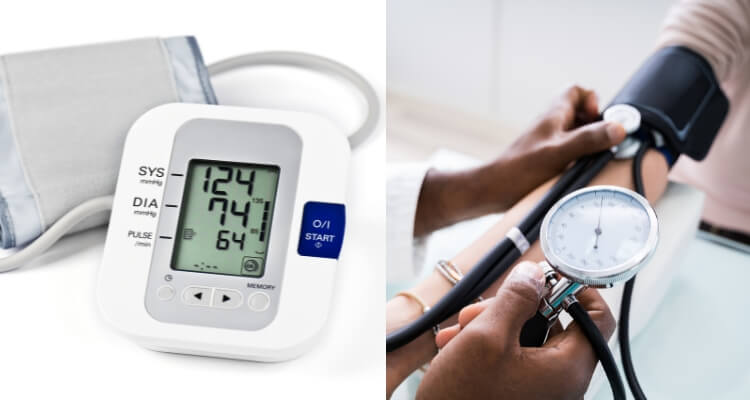
Blood pressure, heart sounds, lung sounds, leg swelling, and pulses in the feet. Weak foot pulses or skin changes can point to peripheral artery disease.
A1c, a full lipid panel (often with ApoB), lipoprotein(a) if it has never been measured, kidney function and urine protein, and a resting EKG performed in the office. These show where you stand against the goals that apply to your level of risk.
For some patients with long-standing diabetes or additional risk factors, a coronary calcium score or an echocardiogram may be used to look for plaque or early heart muscle changes before symptoms appear. A calcium score shows calcified plaque, not how narrowed an artery is, and a score of zero does not rule out all plaque. Stress testing is generally reserved for those with symptoms, an abnormal EKG, or a high calcium score; not every stress test uses a radiotracer.
Cardiac Testing
Testing in diabetes is aimed at finding disease that is not causing symptoms yet.
Can help refine risk and treatment decisions in selected patients before any symptoms occur. It shows calcified plaque, not how narrowed an artery is. Arranged by our office.
Can detect early stiffening or weakening of the heart muscle and thickening from blood pressure. Performed or arranged by our office.
Performed in the office. Can show signs of a prior silent heart attack, conduction changes, or atrial fibrillation, but a normal EKG does not rule out coronary disease.
A1c, ApoB and lipoprotein(a), kidney function, and urine protein help set targets and can reveal vascular damage.
A simple blood pressure comparison between the ankle and arm that detects peripheral artery disease before it causes wounds.
For patients with symptoms, an abnormal EKG, or a high calcium score, an imaging stress test (which looks at blood flow to the heart) or CT angiography (which images the arteries) may be recommended. Coordinated at an outside facility.
Management
Treatment in diabetes is often more intensive than in the general population because the risk is higher and the potential benefit is larger.
Cholesterol. Most adults with diabetes aged 40 to 75 benefit from a statin, and those with established heart disease or additional risk factors are treated to lower LDL targets, with ezetimibe or a PCSK9 inhibitor added if needed. The 2026 ACC/AHA dyslipidemia guideline sets LDL cholesterol goals of below 100, 70, or 55 mg/dL depending on overall risk; your own goal is set individually. See cholesterol treatment.
Blood pressure. Targets are typically below 130/80, and medications that also protect the kidneys are often preferred. See hypertension treatment.
Heart-protective diabetes medications. In large trials, certain SGLT2 inhibitors and GLP-1 receptor agonists have reduced cardiovascular events, heart failure hospitalizations (particularly SGLT2 inhibitors), or kidney decline, depending on the medicine, beyond their effect on blood sugar. For patients with heart disease or heart failure, Dr. Khalid may recommend these in coordination with the physician managing your diabetes.
Aspirin. Generally recommended for patients with established heart disease unless their doctor advises otherwise; considered case by case for others, weighing bleeding risk.
Lifestyle. Weight reduction, activity, a dietary pattern that improves both glucose and lipids, and complete tobacco cessation each carry meaningful benefit in diabetes.
When coronary disease, heart failure, or atrial fibrillation is found, it is treated according to the same standards as in any patient, with the diabetes context shaping medication choices. Do not start, stop, or change insulin, SGLT2 inhibitors, GLP-1 medicines, aspirin, or any other medicine on your own; follow the specific instructions from your care team.
Your Visit
Bring recent A1c and lipid results, kidney function and urine protein results if you have them, home blood pressure readings, and a complete list of medications including diabetes drugs and insulin doses. Note any symptoms with activity, however minor, and any leg pain with walking.
The visit includes a detailed history, an examination with attention to the feet and pulses, an EKG, and any blood work that is missing. Dr. Khalid will explain your cardiovascular risk in the context of your diabetes, whether a calcium score or echocardiogram is warranted, and what changes to cholesterol, blood pressure, or diabetes medications would protect your heart. Recommendations are shared with your primary care physician or endocrinologist so that care is coordinated rather than duplicated.
Follow-up is typically every six to twelve months, more often while targets are being reached.
Katy Cardiology Care
Patients from Katy, Cinco Ranch, Fulshear, and West Houston visit Dr. Khalid at our Katy office for cardiology care alongside their diabetes, often referred by a primary care physician or endocrinologist who wants the heart evaluated before a problem surfaces. Some have had diabetes for years without a cardiac evaluation.
EKGs are performed in the office; echocardiography and laboratory testing are performed or arranged by our office, calcium scoring is arranged when appropriate, and recommendations are communicated back to the physician managing your diabetes. For other services at this location, see cardiology care in Katy.
Advanced Cardiology – Katy
410 W Grand Pkwy S Ste 4D
Katy, TX 77494
Phone: (713) 258-6111
Advanced Cardiology – Sugar Land
7102 Tarrington Ave Suite 505
Sugar Land, TX 77479
Phone: (713) 258-6111
Sugar Land Cardiology Care
At our Sugar Land office, Dr. Khalid sees patients with diabetes from Sugar Land, Richmond, Rosenberg, Missouri City, and Stafford. Diabetes and early coronary disease are especially common in some communities, including South Asian and Hispanic communities, so family history and ancestry are part of every risk review. The emphasis is on finding silent disease and bringing cholesterol, blood pressure, and diabetes therapy toward the targets that protect the heart.
EKGs are performed in the office; echocardiography and laboratory testing are performed or arranged by our office, and calcium scoring and stress testing are arranged when indicated. Learn more about cardiology care in Sugar Land.
Serving Greater Houston
Patients come to the Katy and Sugar Land offices from across Greater Houston, including Cypress, Richmond, Rosenberg, Fulshear, and West Houston, for cardiology care alongside diabetes. Both offices offer the same physician and the same approach; choose the one that is easier to reach, and the scheduling team can help if you are unsure.
Patient-Centered Cardiology
Care led by Adnan Khalid, MD, whose listed specialties include cardiovascular disease, interventional cardiology, and advanced heart failure.
Calcium scoring and echocardiography, when appropriate, can help find heart disease before it causes symptoms that diabetes can mask.
Recommendations are shared with your primary care physician or endocrinologist so diabetes and heart care work together.
You understand how diabetes affects your heart, what your numbers should be, and why each medication is recommended.
Offices in Katy and Sugar Land serving surrounding Greater Houston communities.
New patients are welcome. Most major insurance plans are accepted, subject to eligibility and coverage verification.
Common Questions
Call our office and our staff will help with appointments, referrals and insurance.
High blood sugar damages the lining of blood vessels and accelerates plaque buildup, and diabetes usually comes with high blood pressure, abnormal cholesterol, and inflammation that compound the damage. The result is coronary artery disease that develops earlier and progresses faster. Diabetes also stiffens the heart muscle and raises the risk of heart failure and atrial fibrillation.
Not everyone, but the threshold is lower than for other adults. A cardiology evaluation may be worthwhile after ten or more years of type 2 diabetes, when additional risk factors or kidney disease are present, when symptoms such as reduced stamina or breathlessness appear, or when any cardiac test is abnormal. For some patients, a calcium score can help refine risk.
Yes. Nerve damage from diabetes can blunt the chest pain that normally signals a blocked artery, so heart attacks may cause only breathlessness, sweating, nausea, fatigue, or a vague sense of being unwell. Silent heart attacks, found later on an EKG, are more common in diabetes. Call 911 for these symptoms, even without chest pain and even if they seem mild.
Guidelines recommend a statin for most adults with diabetes aged 40 to 75, and for younger patients with additional risk factors. Those with established heart disease or several risk factors are treated to lower LDL targets. The absolute benefit of statins tends to be larger in diabetes because the underlying risk is higher.
Certain SGLT2 inhibitors and GLP-1 receptor agonists have been shown to reduce cardiovascular events, heart failure hospitalizations, or kidney decline, depending on the medicine, beyond their effect on blood sugar. Do not start or stop these medicines on your own. For patients with diabetes and heart disease or heart failure, cardiologists often recommend one of these in coordination with the physician managing diabetes.
Below 130/80 is the usual target for adults with diabetes, because the combination of diabetes and high blood pressure multiplies the risk of heart attack, stroke, and kidney damage. Medications that also protect the kidneys are preferred, and home monitoring helps confirm the target is being met.
Testing typically includes an EKG, a lipid panel (often with ApoB and a one-time lipoprotein(a)), A1c, kidney function and urine protein, and, for patients with long-standing diabetes or added risk factors, a coronary calcium score and echocardiogram. Stress testing or CT angiography is used when symptoms, an abnormal EKG, or a high calcium score raise concern about a blockage.
Yes. Controlling blood sugar, cholesterol, and blood pressure together, using heart-protective diabetes medications, staying active, and not smoking can substantially reduce the risk of heart attack, stroke, and heart failure. Because the baseline risk is higher, each of these steps may prevent more events in diabetes than in the general population.
Keep Reading
Related services: Preventive Cardiology • Heart Disease Risk Assessment • Cholesterol Treatment • Hypertension • Peripheral Arterial Disease • Coronary Calcium Scan
Sources: ACC: 2026 ACC/AHA dyslipidemia guideline summary • NHLBI: Coronary heart disease • NHLBI: Blood cholesterol • American Heart Association: Heart attack warning signs
Your cardiologist: Adnan Khalid, MD
Cardiology Appointments
If you have diabetes and have never had your heart evaluated, or want your diabetes and heart care to work together, Adnan Khalid, MD welcomes new patients at Advanced Cardiology’s Katy and Sugar Land offices.
Katy: 410 W Grand Pkwy S Ste 4D, Katy, TX 77494
Sugar Land: 7102 Tarrington Ave Suite 505, Sugar Land, TX 77479
With diabetes, a heart attack may cause breathlessness, sweating, nausea, or severe fatigue rather than chest pain. Call 911 for these symptoms, even without chest pain.
Katy & Sugar Land Cardiologist
Advanced Cardiology welcomes new patients at its offices in Katy and Sugar Land. Call our office or send an appointment request, and our staff will follow up.
Most major insurance plans accepted; coverage is verified individually.
For possible heart attack or stroke symptoms, call 911.
