Cardiologist Serving Katy, Sugar Land, Greater Houston
Cardiologist Serving Katy, Sugar Land, Greater Houston
Heart Rhythm Care
A resting heart rate below 60 beats per minute is called bradycardia. In a fit adult it is often a sign of a well-conditioned heart and needs no attention at all. In someone who is tired, lightheaded, short of breath, or fainting, the same number can mean the heart’s electrical system is failing to keep up, and that is a problem that deserves evaluation. At Advanced Cardiology, Adnan Khalid, MD determines whether a slow heart rate is a harmless finding or a condition that needs treatment, and whether a medication, a thyroid problem, or the heart’s own wiring is responsible.
Patients are seen at our Katy and Sugar Land offices. EKGs are performed in the office, and rhythm monitoring is performed or arranged by our office when it is needed.
Board-Certified Cardiologist • Katy & Sugar Land • New Patients Welcome
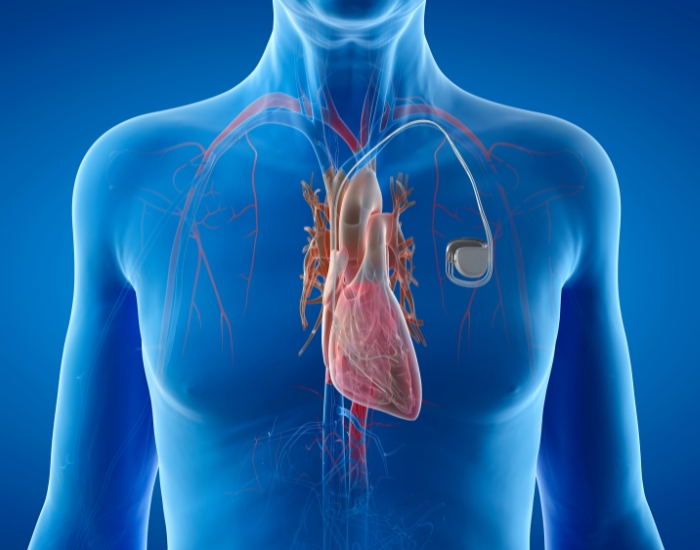
Dr. Khalid reviews your symptoms, history and test results himself
Visits in Katy and Sugar Land
Catheter and device procedures at an affiliated hospital
Office follow-up on medicines and risk factors
Important Safety Information
Call 911 if a slow pulse comes with fainting or near-fainting, confusion, chest pain, pressure, or discomfort that lasts more than a few minutes or comes and goes, shortness of breath, discomfort in the arms, back, neck, jaw, or stomach, a cold sweat, nausea, or lightheadedness. Call 911 for possible stroke signs such as face drooping, arm weakness, or speech difficulty, even if they go away. A pulse below 40 that will not rise with activity is another reason to get emergency care.
A heart rate too slow to supply the brain can cause sudden loss of consciousness, and some forms of heart block need urgent pacing, so do not wait for symptoms to become severe; if you are unsure, call 911. Office messages and appointment requests are not for emergencies. This page is for patients whose slow heart rate is stable, has been noticed on an exam or a fitness tracker, or is causing gradual symptoms such as fatigue.
Understanding Your Symptoms
Bradycardia simply means a slow heart rate, conventionally under 60 beats per minute at rest. Whether it matters depends entirely on two things: whether the slow rate is producing symptoms, and where in the heart’s electrical system the slowing comes from.
The heartbeat starts in the sinus node, travels through the atrioventricular (AV) node, and spreads through the ventricles. Bradycardia can arise because the sinus node fires too slowly or pauses (sinus bradycardia, sinus node dysfunction), or because the signal is delayed or blocked at the AV node (heart block). Sinus bradycardia in a healthy person is usually benign. Higher degrees of heart block are not, because the ventricles may be left to beat at their own very slow backup rate.
The practical question is whether your heart can speed up when it needs to. A slow resting rate that rises appropriately with a walk up the stairs is one thing; a rate that stays slow no matter what you do, or that drops out for several seconds at a time, is another. Fatigue, exercise intolerance, lightheadedness, and fainting are the clues that the heart is not keeping up.
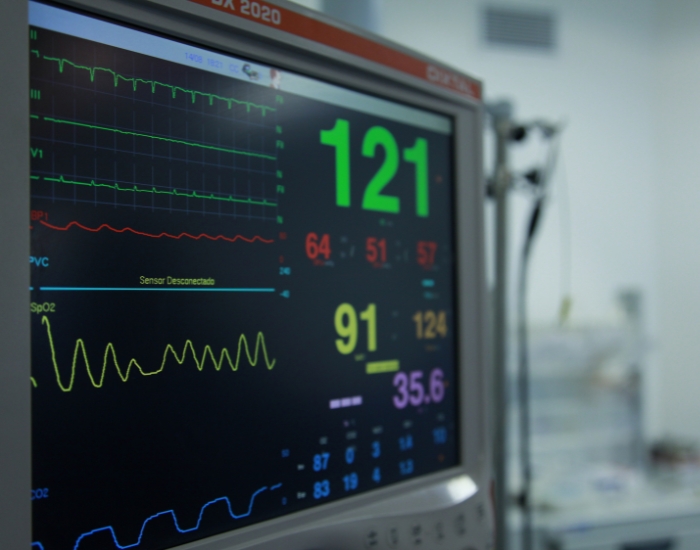
When to Seek Evaluation
A resting pulse in the 50s in an active person who feels fine does not need a cardiologist. Evaluation is worthwhile when a slow heart rate comes with any of the following:
Confusion, memory problems, or a decline in function in an older adult can also be a sign of a heart rate too slow to supply the brain, and it is worth checking.
Symptoms & Findings
Bradycardia symptoms are often gradual and easy to attribute to age or being out of shape. These are the ones that should prompt a closer look.
Persistent tiredness or a loss of stamina can reflect a heart that cannot raise its output enough to meet daily demands.
A heart rate that fails to climb with activity (chronotropic incompetence) leaves you breathless on stairs or hills.
Brief drops in blood flow to the brain from a slow rate or a pause cause lightheadedness and, in more serious cases, sudden fainting.
Reduced blood flow can show up as trouble concentrating, memory lapses, or confusion, particularly in older adults.
A sensation of the heart pausing, thudding, or beating slowly and forcefully can accompany sinus pauses or heart block.
Pressure or tightness with a slow rate can mean the heart muscle is not receiving enough blood at that rate, especially in patients with coronary disease.

Meet Your Cardiologist
Adnan Khalid, MD is a board-certified cardiologist who completed his cardiology fellowship at the University of Missouri–Kansas City School of Medicine; his listed specialties include cardiovascular disease, interventional cardiology, and advanced heart failure and transplant cardiology. Slow heart rate evaluation draws on all three: conduction disease often accompanies coronary disease and heart failure, and the medications used to treat those conditions are among the most common causes of bradycardia.
Dr. Khalid’s first question is whether the slow rate explains your symptoms, because a pacemaker for a slow rate that is not causing the problem is unlikely to help. He separates medication effects and reversible causes from true conduction disease and uses monitoring to document pauses and the heart’s response to activity. When a pacemaker is recommended, he coordinates implantation, which is performed at a hospital rather than in our office, and provides ongoing device follow-up in the office.
Possible Causes
Bradycardia has a short list of common causes, and the first three are reversible. Working through them in order avoids unnecessary treatment.
Beta blockers, non-dihydropyridine calcium-channel blockers (diltiazem, verapamil), digoxin, and antiarrhythmic drugs such as amiodarone all slow the heart by design. Some eye drops for glaucoma, clonidine, and certain psychiatric medications do the same. A dose that was appropriate years ago can become too much as the conduction system ages, and combining two rate-slowing drugs is a frequent cause of symptomatic bradycardia.
Endurance training strengthens the heart so it needs fewer beats at rest. Resting rates in the 40s are common in well-trained athletes and require no treatment if the rate rises normally with exercise. Heart rate also falls during sleep in everyone.
An underactive thyroid, high potassium, low body temperature, sleep apnea, and infections such as Lyme disease can slow the heart. Treating the underlying condition usually restores the rate.
With age, the sinus node and the AV node can develop scar tissue and lose reliability, producing sinus node dysfunction or degrees of heart block. A prior heart attack, heart surgery, inflammation of the heart, and infiltrative diseases such as sarcoidosis can damage the conduction system directly. This is the group most likely to need a pacemaker.
Pain, nausea, straining, and emotional stress can trigger a reflex that briefly slows the heart, which is the mechanism behind many fainting episodes. These are usually benign once other causes are excluded.
Your Evaluation
Two questions guide the evaluation: is the slow rate causing your symptoms, and is the cause reversible? Both are usually answered with a careful history, an EKG, and a period of monitoring.
Dr. Khalid asks when the fatigue or lightheadedness began, whether it tracks with a medication change, whether you have fainted, and how your stamina compares with a year ago. Fitness tracker data showing resting rates, pauses, or a flat response to exercise is useful.
Every prescription, eye drop, and supplement is reviewed. Thyroid disease, sleep apnea, prior heart attack, heart surgery, atrial fibrillation, and family history of pacemakers or conduction disease are noted.
The exam includes resting and standing heart rate and blood pressure and a check for signs of thyroid underactivity or heart failure. A 12-lead EKG can identify the type of bradycardia present at the time of the recording: sinus, junctional, or a specific degree of heart block.
A reversible cause is addressed first. If symptoms persist, or the EKG shows advanced block, monitoring and imaging are arranged to document the rhythm during symptoms and to assess the heart’s structure before any decision about a pacemaker.
Cardiac Testing
Testing documents how slow the heart goes, whether it pauses, whether it can speed up, and whether the heart’s structure is contributing.
Identifies the type of bradycardia and the degree of any heart block. Some findings on a single EKG may be enough to recommend a pacemaker, but a normal EKG does not rule out pauses that come and go.
Records the rhythm over one to fourteen days, capturing the lowest rates, any pauses, and whether symptoms line up with slow rhythm.
Shows whether the heart rate rises appropriately with activity. A blunted response can point to sinus node dysfunction, although medications and other factors also affect it.
Thyroid function, potassium and other electrolytes, and kidney function identify reversible causes and help gauge medication effects.
Assesses pumping function and structure, since conduction disease often accompanies a prior heart attack, valve disease, or cardiomyopathy.
For infrequent fainting with a suspected slow rhythm, an implantable loop recorder or an electrophysiology study may be coordinated at the hospital.
Management
Many patients with a slow heart rate need no treatment at all. When the rate is a normal variant, or the patient has no symptoms and no advanced block, the plan is usually periodic follow-up and reassurance.
When a medication is responsible, the dose may be reduced or the drug changed, in coordination with the physician who prescribed it. This is often all that is needed. Do not stop or change a heart or blood pressure medicine on your own; follow the specific instructions from your care team. Thyroid, electrolyte, and sleep apnea causes are treated directly.
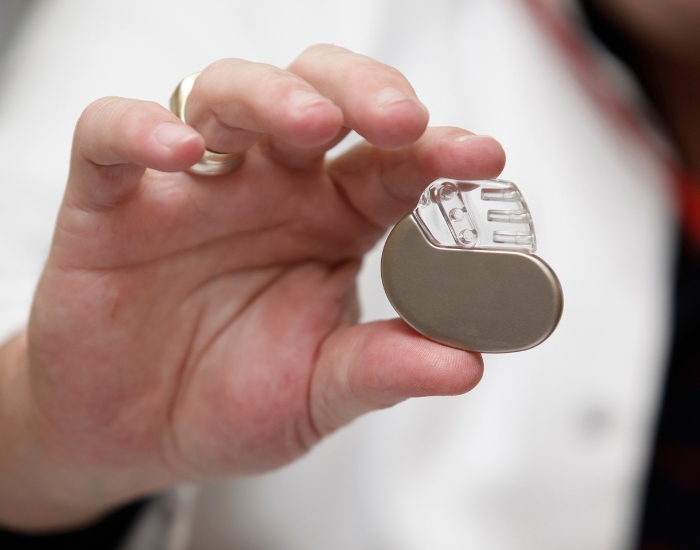
When symptoms are clearly caused by sinus node dysfunction or advanced heart block and no reversible cause is found, a permanent pacemaker is usually recommended. Modern pacemakers are small, are implanted under the skin near the collarbone during a hospital procedure, and can adjust the heart rate with activity. Dr. Khalid coordinates implantation at an affiliated hospital (our office will explain where) and then manages routine pacemaker checks in the office. Patients with a weakened heart and conduction disease may be candidates for a device that also resynchronizes the heart’s contraction; see pacemaker and ICD implants.
Whatever the plan, you will know why it was chosen, what symptoms should prompt a call, and when the rhythm should be rechecked.
Your Visit
Bring a complete list of medications, including eye drops and supplements, with doses and the dates any were started or changed. Export resting heart rate and any “low heart rate” alerts from your fitness tracker. Bring prior EKGs if you have them, and note any fainting episodes with dates.
The visit includes your history, an examination with lying and standing vital signs, and a 12-lead EKG. Dr. Khalid will explain what the EKG shows and whether a slow rhythm is likely to be the cause of your symptoms. If a medication change is the first step, you will leave with clear instructions. If monitoring is needed, our office will explain how and when it is arranged.
If the findings already meet criteria for a pacemaker, he will explain what that involves and coordinate the next steps, and you will have the chance to ask your questions before anything is scheduled.
Katy Cardiology Care
Patients from Katy, Cinco Ranch, Fulshear, and West Houston visit Dr. Khalid at our Katy office for a slow heart rate found at a physical, flagged by a fitness tracker, or suspected because of fatigue and lightheadedness. Some are older adults on several cardiovascular medications, where a dose adjustment may be the answer; others are younger, active people whose low rate turns out to reflect fitness.
EKGs are performed in the office, Holter and other rhythm monitoring is performed or arranged by our office, and patients with pacemakers can have routine device checks at this location. For other services here, see cardiology care in Katy.
Advanced Cardiology – Katy
410 W Grand Pkwy S Ste 4D
Katy, TX 77494
Phone: (713) 258-6111
Advanced Cardiology – Sugar Land
7102 Tarrington Ave Suite 505
Sugar Land, TX 77479
Phone: (713) 258-6111
Sugar Land Cardiology Care
At our Sugar Land office, Dr. Khalid sees patients from Sugar Land, Richmond, Rosenberg, Missouri City, and Stafford with a slow or pausing heartbeat, including patients referred by primary care after an EKG showed heart block or a low rate. A history of heart attack, atrial fibrillation, or heart failure raises the risk of conduction disease, so these are reviewed carefully.
EKGs are performed in the office; Holter and extended monitoring and echocardiography are performed or arranged by our office, and ongoing pacemaker follow-up is provided for patients who need a device. Learn more about cardiology care in Sugar Land.
Serving Greater Houston
Patients come to the Katy and Sugar Land offices from across Greater Houston, including Cypress, Richmond, Rosenberg, Fulshear, and West Houston, for evaluation of a slow heart rate. Both offices offer the same physician and the same approach; choose the one that is easier to reach, and the scheduling team can help if you are unsure.
Patient-Centered Cardiology
Care led by Adnan Khalid, MD, whose listed specialties include cardiovascular disease, interventional cardiology, and advanced heart failure.
Medications, thyroid, and other reversible causes are addressed before a pacemaker is ever discussed.
Routine pacemaker and ICD checks are provided in the office for patients who need a device.
You learn what kind of slow rhythm you have, whether it explains your symptoms, and what the options are.
Offices in Katy and Sugar Land serving surrounding Greater Houston communities.
New patients are welcome. Most major insurance plans are accepted, subject to eligibility and coverage verification.
Common Questions
Call our office and our staff will help with appointments, referrals and insurance.
Not necessarily. A resting rate below 60 is common in active people and during sleep, and it is harmless if the heart speeds up normally with activity and there are no symptoms. It becomes a concern when it is accompanied by fatigue, lightheadedness, breathlessness, or fainting, or when an EKG shows heart block.
There is no single number, because the answer depends on symptoms and the type of bradycardia. Rates in the 40s are common in athletes. In someone who is not conditioned, a rate persistently below 50, or below 40 at any time, warrants evaluation, and any slow rate with fainting or confusion needs emergency care; call 911.
The most common causes are rate-slowing medications such as beta blockers and certain calcium-channel blockers, athletic conditioning, an underactive thyroid, sleep apnea, and age-related wear in the heart’s conduction system. A prior heart attack or heart surgery can also damage the electrical pathways.
Yes. Beta blockers, diltiazem, verapamil, digoxin, amiodarone, clonidine, and some glaucoma eye drops all slow the heart. Combining two of them, or continuing a full dose as the conduction system ages, is a frequent cause of symptomatic bradycardia. Do not stop or change these medications on your own; follow the specific instructions from your care team, since a dose adjustment is usually straightforward with your physician’s guidance.
Heart block means the electrical signal is delayed or interrupted between the upper and lower chambers. First-degree block is a delay and is usually harmless. Second-degree block drops some beats. Third-degree (complete) block means no signals get through, leaving the ventricles to beat at a slow backup rate, and it generally requires a pacemaker.
Only some. A pacemaker is recommended when a slow rate or heart block is clearly causing symptoms and no reversible cause is found, or when the EKG shows advanced block that is likely to progress. Many patients are managed by adjusting medications or treating a thyroid or sleep problem instead.
Evaluation usually includes a 12-lead EKG, blood tests for thyroid and electrolytes, and a Holter or extended monitor to capture the lowest rates and any pauses. Exercise testing shows whether the rate rises with activity, and an echocardiogram checks the heart’s structure. A loop recorder or electrophysiology study is occasionally needed.
It can, if the rate is too slow to deliver enough blood to the muscles and brain. Fatigue, low stamina, and breathlessness with exertion are classic symptoms of a heart rate that does not rise appropriately with activity. Whether your slow rate is responsible can be confirmed with monitoring and exercise testing.
Keep Reading
Related services: Pacemaker & ICD Checks • Pacemaker & ICD Implants • Holter Monitor • Dizziness & Fainting • Rapid Heart Rate • Abnormal EKG
Sources: NHLBI: Arrhythmias • NHLBI: Pacemakers • MedlinePlus: Arrhythmia • American Heart Association: Heart attack warning signs
Your cardiologist: Adnan Khalid, MD
Cardiology Appointments
If your heart rate is slow and you are tired, lightheaded, or short of breath, or an EKG has shown heart block, a cardiology evaluation can tell you whether the rate is the problem and what to do about it. Adnan Khalid, MD welcomes new patients at Advanced Cardiology’s Katy and Sugar Land offices.
Katy: 410 W Grand Pkwy S Ste 4D, Katy, TX 77494
Sugar Land: 7102 Tarrington Ave Suite 505, Sugar Land, TX 77479
A slow pulse with fainting, confusion, chest discomfort, or shortness of breath can be an emergency. Call 911.
Katy & Sugar Land Cardiologist
Advanced Cardiology welcomes new patients at its offices in Katy and Sugar Land. Call our office or send an appointment request, and our staff will follow up.
Most major insurance plans accepted; coverage is verified individually.
For possible heart attack or stroke symptoms, call 911.
