Cardiologist Serving Katy, Sugar Land, Greater Houston
Cardiologist Serving Katy, Sugar Land, Greater Houston
Interventional Cardiology · Katy & Sugar Land
Adnan Khalid, MD is a board-certified cardiologist with fellowship training in interventional cardiology. At Advanced Cardiology, he evaluates and manages coronary artery disease, chest pain, and other cardiovascular conditions, and coordinates minimally invasive, catheter-based treatment when it is clinically appropriate.
Physician-led care | Offices in Katy & Sugar Land | Procedures at affiliated hospitals | Most major insurance plans accepted

Dr. Khalid reviews your symptoms, history and test results himself
Visits in Katy and Sugar Land
Catheter procedures at an affiliated hospital
Office follow-up on medicines and risk factors
Understanding the Specialty
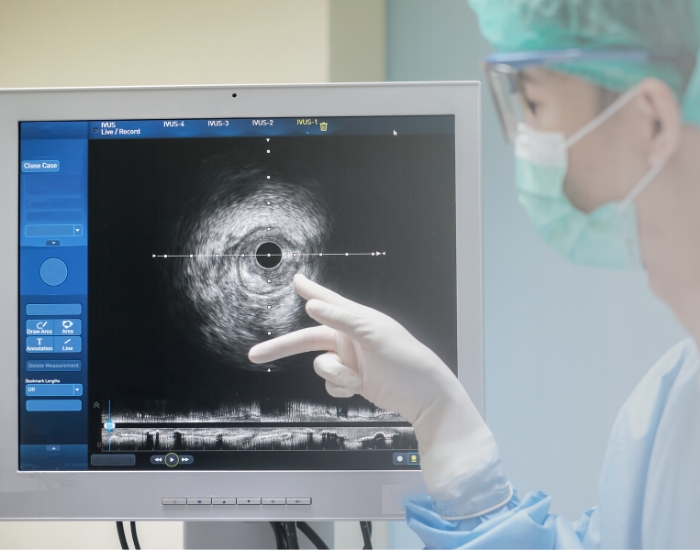
Interventional cardiology is a subspecialty of cardiology that focuses on diagnosing and treating heart and blood vessel conditions using minimally invasive, catheter-based procedures. Rather than open surgery, these procedures use thin, flexible tubes (catheters) inserted through a small access point, most often in the wrist or groin.
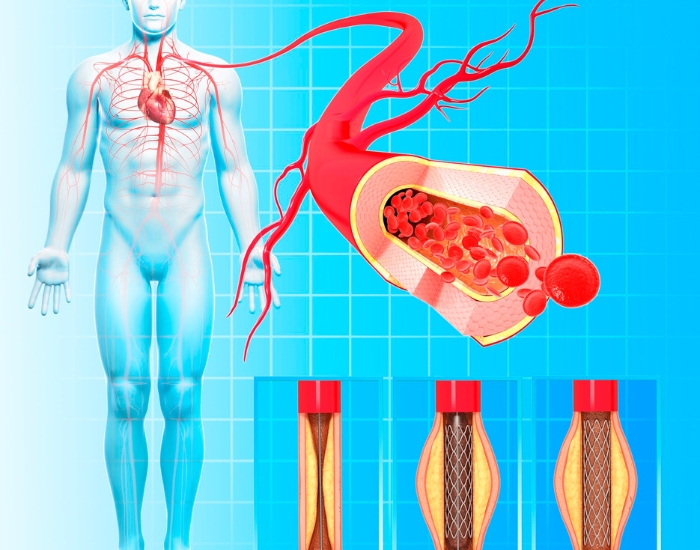
Common examples include coronary angiography to evaluate the heart’s arteries, and angioplasty with stent placement to open narrowed or blocked arteries. Catheter-based procedures are performed in a hospital cardiac catheterization laboratory, not in our office. Compared with open surgery, they usually involve a smaller incision and a shorter recovery, although they are not the right choice for every patient.
Evaluation Comes First
Not every patient with a heart condition needs a procedure. Evaluation at Advanced Cardiology begins with your symptoms, medical history, cardiovascular risk factors, and a physical examination. When appropriate, Dr. Khalid may recommend cardiac testing such as an EKG, echocardiogram, stress testing, or heart rhythm monitoring.
If testing suggests significant coronary artery disease or another condition that may benefit from catheter-based treatment, Dr. Khalid may recommend or coordinate coronary angiography, angioplasty, or stent placement at an appropriate hospital facility. Many patients are managed with medication and cardiovascular risk-factor control alone.
Important: Call 911 for chest discomfort that lasts more than a few minutes or goes away and comes back, even if it feels mild; shortness of breath; discomfort in the arm, back, neck, jaw or stomach; a cold sweat, nausea or lightheadedness; or fainting. Do not wait for an office appointment, and do not use office messages for emergencies. For stable or recurring symptoms, read about chest pain evaluation.
Interventional cardiology covers several hospital-based procedures. Dr. Khalid explains which, if any, may apply to you and why.
All of these take place in a hospital. When a procedure is recommended, it is scheduled at an affiliated hospital, and our office explains where to go and what to expect.
Possible heart attack or stroke symptoms need emergency care. For stable symptoms, request an evaluation with Dr. Khalid.
Most major insurance plans accepted; coverage is verified individually.
Your Care Pathway
Every patient follows the same careful sequence, and a procedure is only one possible step. Use the steps below to see what happens at each stage.
Step 1 of 5
Your visit begins with your symptoms, medical history, cardiovascular risk factors and a physical examination. An EKG can be done in the office.
Step 2 of 5
When appropriate, Dr. Khalid may recommend an echocardiogram, stress testing or heart rhythm monitoring. These tests are performed or arranged by our office.
Step 3 of 5
Finding a narrowed artery does not automatically mean a stent is needed. Many patients are managed with medication and risk-factor control alone. Dr. Khalid explains the options and the reasoning so you can decide together.
Step 4 of 5
If angiography, angioplasty or another catheter-based procedure is recommended, it is scheduled at an affiliated hospital. Our office explains where to go and how to prepare.
Step 5 of 5
After discharge, Dr. Khalid follows you in the Katy or Sugar Land office to review medicines, symptoms and risk factors. Many patients also benefit from cardiac rehabilitation.
Choosing the Right Treatment
Finding a narrowed artery does not automatically mean a stent is needed. For many people with stable symptoms, medicines and risk-factor control work well, and a procedure is considered when symptoms persist or tests show higher-risk disease. After a heart attack, opening the blocked artery quickly is often lifesaving.
When an artery does need treatment, the choice between angioplasty with stents and coronary bypass surgery is not decided by the number of narrowed vessels alone. It depends on which arteries are involved and where, how complex the blockages are, how well the heart pumps, whether you have diabetes or kidney disease, your overall health and your preferences. When bypass surgery may be the better option, Dr. Khalid discusses it with you and arranges a consultation with a cardiac surgeon. If you were sent for evaluation after an abnormal stress test, that result is one piece of this decision.
Benefits, Limits and Risks
For the right patient, catheter-based treatment can relieve chest discomfort, improve the ability to exercise and, during a heart attack, limit damage to the heart muscle. For stable coronary artery disease, a stent mainly helps symptoms; medicines and lifestyle changes remain essential afterward because plaque can develop in other areas of the arteries.
Like any invasive procedure, these procedures carry risks. Possible problems include bleeding or bruising where the catheter was inserted, reactions to contrast dye, effects on kidney function and, less commonly, damage to a blood vessel, heart rhythm problems, heart attack, stroke or the need for emergency surgery. A stent can also narrow again or form a clot, which is why antiplatelet medicines are usually prescribed after stenting. Dr. Khalid reviews your individual risks and alternatives with you before any procedure, so you can make an informed decision.

Before and After
Before a procedure, you may need blood tests and a review of your medicines. Your care team will give you specific instructions about eating and drinking and about blood thinners, diabetes medicines or other drugs; do not stop or change any medicine on your own. Tell the team about allergies, especially to contrast dye, and about kidney problems. Plan for someone to drive you home.
Recovery varies. Many people go home the same day or the next day after angiography or stenting, while more complex procedures may need a longer hospital stay. You will receive instructions about caring for the access site, activity, driving and when to return to work. After discharge, Dr. Khalid follows you in the office to review medicines, symptoms and risk factors, and many patients benefit from cardiac rehabilitation. Call 911 for chest pain, sudden shortness of breath or heavy bleeding from the access site that does not stop with firm pressure.
Your Cardiologist
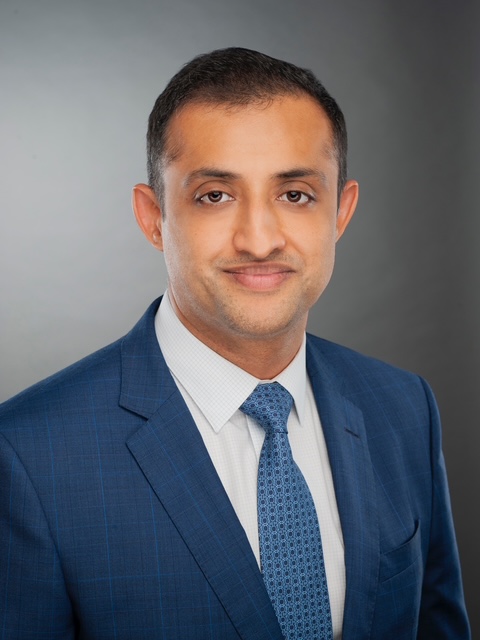
Adnan Khalid, MD is a board-certified cardiologist who cares for patients with coronary artery disease, peripheral artery disease, heart failure, hypertension, heart rhythm disorders, and high cholesterol. He has more than 10 years of experience in cardiovascular medicine.
Dr. Khalid completed fellowship training in cardiovascular disease, interventional cardiology, and advanced heart failure and transplant cardiology. He also serves as an assistant professor of cardiology at McGovern Medical School at UTHealth Houston.
He is known for taking time to listen, explaining findings clearly, and developing an individualized plan for each patient. Outside the office, Dr. Khalid enjoys reading, exercise, travel, and time outdoors with his family. He is married with three children.
American Board of Internal Medicine
Why Patients Choose Us
Interventional cardiology care at Advanced Cardiology is physician-led and individualized. Dr. Khalid reviews each patient’s symptoms, history, and test results before recommending treatment, and he explains the options in plain language so patients understand the reasoning behind every decision.
When a catheter-based procedure is appropriate, Dr. Khalid coordinates care with the hospital team and continues to follow patients afterward, with attention to medications, cardiovascular risk factors, and long-term heart health. Patients with hypertension, heart failure, or rhythm disorders receive care tailored to their specific diagnosis, in coordination with their primary care physician and other specialists when needed.
Advanced Cardiology welcomes new patients at its two offices in Katy and Sugar Land. Patients from nearby communities such as Richmond, Rosenberg, Fulshear, Missouri City, Stafford, Cypress and West Houston visit our Katy and Sugar Land offices.
“Cooperative and professional staff. Dr. Khalid is highly competent and experienced, and very kind and friendly too.”
“He’s a very caring and concerned doctor. He asks important questions, lets me ask questions, and answers them fully. He does whatever it takes to address my health issues. Most of all, I trust him and his staff.”
Katy & Sugar Land Locations
Advanced Cardiology sees patients at two offices. Choose the location that is most convenient for you when requesting an appointment.
Advanced Cardiology
410 W Grand Pkwy S Ste 4D
Katy, TX 77494
Phone: (713) 258-6111
Advanced Cardiology
7102 Tarrington Ave Suite 505
Sugar Land, TX 77479
Phone: (713) 258-6111
Please print and complete your new patient paperwork and bring it with you to your appointment at Advanced Cardiology. If your insurance plan requires a referral or prior authorization, please have that information sent to our office ahead of time or bring it with you, along with any relevant medical records.
Please also bring your insurance card(s), a photo ID, and a current list of your medications.
Thank you — we look forward to meeting you. If you have any questions before your visit, please contact our office or call (713) 258-6111.
FAQ
Call our office and our staff will help with appointments, referrals and insurance.
No. Office visits, examinations and EKGs take place in our offices. Echocardiograms, stress tests and heart monitors are performed or arranged by our office. Catheter-based procedures are performed in a hospital, and our office tells you which affiliated hospital and how to prepare.
Some insurance plans require a referral or prior authorization. Our office accepts most major insurance plans and verifies coverage individually, so please call with your plan details.
Yes. Bring your records and imaging, and Dr. Khalid will review the findings and discuss the options, including whether medical therapy alone is reasonable.
Call our office if stable symptoms become more frequent, last longer or start with less effort than before, because your plan may need to change sooner. Call 911 for chest discomfort at rest, discomfort lasting more than a few minutes, or fainting.
Yes. Follow-up visits in the Katy or Sugar Land office focus on your recovery, medicines, cholesterol, blood pressure and other risk factors.
Katy & Sugar Land Cardiologist
If you have been told you may have coronary artery disease, have stable or recurring chest discomfort, or have been referred for interventional cardiology evaluation, Advanced Cardiology welcomes new patients in Katy and Sugar Land.
We diagnose and treat adult heart disease, including coronary artery disease, heart rhythm disorders and heart failure.
Most major insurance plans accepted; coverage is verified individually.
For possible heart attack or stroke symptoms, call 911.
