
Preventive Heart Care
Preventive Cardiologist in Katy & Sugar Land, TX
Most heart attacks and strokes are preceded by years of silent, measurable risk: cholesterol that is too high, blood pressure that has crept up, blood sugar drifting toward diabetes, plaque quietly building in the arteries. Preventive cardiology is the specialty of finding that risk before it becomes an event and lowering it with a plan matched to the individual. At Advanced Cardiology, Adnan Khalid, MD provides preventive cardiology consultations for adults who want to understand their heart risk, for patients with a family history that worries them, and for those who already have risk factors and want them managed properly.
Patients are seen in Katy and Sugar Land, and most preventive evaluations are completed in a single visit.
Board-Certified Cardiologist • Katy & Sugar Land • New Patients Welcome

Understanding Prevention
What Is Preventive Cardiology?
Preventive cardiology focuses on stopping cardiovascular disease before it causes a heart attack, stroke, or heart failure, and on stopping it from progressing in people who already have it. It rests on a simple observation: atherosclerosis, the plaque that narrows arteries, develops over decades and is driven by a handful of measurable factors. Change those factors early enough and the disease slows, stalls, or never becomes clinically significant.
Primary prevention applies to people who have never had a cardiac event. The work is estimating their true risk, which often differs from what age and a cholesterol number alone suggest, and treating according to that estimate. Secondary prevention applies to people who have had a heart attack, a stent, bypass surgery, or a stroke, where the goal is to prevent the next event with more aggressive targets.
The tools are familiar: blood pressure control, cholesterol lowering, blood sugar management, tobacco cessation, weight, activity, and diet. What a preventive cardiologist adds is precision about who needs how much of which, informed by advanced lipid testing, coronary calcium scoring, and a careful reading of family history. The difference between a generic recommendation and a plan built for you is often the difference between prevention that works and prevention that is abandoned.
Who Benefits
When Should You See a Preventive Cardiologist?
You do not need symptoms or a diagnosis to benefit. A preventive consultation is worthwhile when:
- A parent or sibling had a heart attack, stent, bypass, or stroke before age 55 (men) or 65 (women)
- Your LDL cholesterol is high, or you have been told you have high lipoprotein(a) or familial hypercholesterolemia
- You have high blood pressure, prediabetes, diabetes, or metabolic syndrome
- You are unsure whether you should be on a statin, or you stopped one because of side effects
- A coronary calcium score, CT scan, or carotid ultrasound has shown plaque
- You have had a heart attack, stent, or bypass and want a second look at whether your prevention is optimized
- You have a condition that raises cardiac risk: chronic kidney disease, an inflammatory disease such as rheumatoid arthritis or lupus, HIV, prior chest radiation, or a history of preeclampsia or gestational diabetes
- You are approaching or past 40 and have never had a structured assessment of your heart risk
Patients from South Asian backgrounds, who carry a higher risk of early coronary disease, often benefit from an evaluation that begins earlier than standard guidelines suggest.
Risk Factors
The Risk Factors Preventive Cardiology Addresses
Each of these is measurable, and each is modifiable. Together they account for the large majority of heart attacks.
Cholesterol
LDL cholesterol is the main driver of plaque. Targets depend on your overall risk, and lipoprotein(a) and ApoB add information a standard panel misses.
Blood Pressure
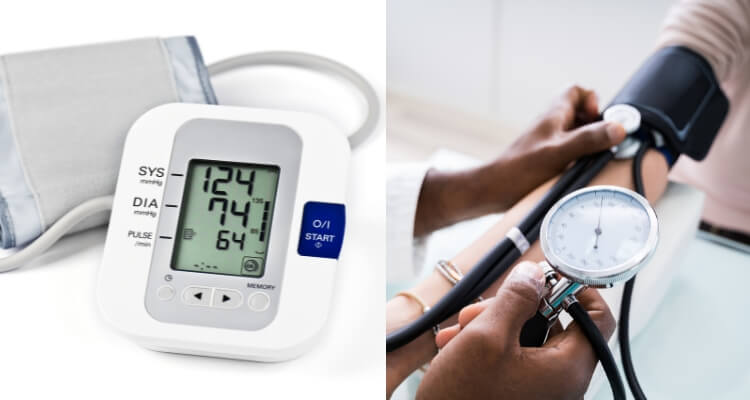
The most common risk factor and one of the most under-treated. Home readings matter more than a single office number.
Blood Sugar
Prediabetes and diabetes accelerate artery disease years before blood sugar causes symptoms. An A1c is part of every assessment.
Tobacco
Smoking and vaping remain the most powerful single risk factor a person can remove. Support for quitting is part of the plan.
Family History
Early heart disease in a parent or sibling roughly doubles risk and can justify treatment that standard calculators would not.
Lifestyle Factors
Weight, waist circumference, physical activity, diet, sleep, and alcohol all move the other numbers and are addressed with practical, specific guidance.

Meet Your Cardiologist
Preventive Care With Adnan Khalid, MD
Adnan Khalid, MD is a board-certified cardiologist with fellowship training in cardiovascular disease, interventional cardiology, and advanced heart failure and transplant cardiology. Prevention is where that experience pays forward: having treated the heart attacks, stents, and heart failure that result from untreated risk, he is direct about what matters and practical about what patients can actually sustain.
His preventive consultations begin with a thorough risk assessment, including advanced lipid testing and coronary calcium scoring when it will change the decision, and end with a written plan: which numbers to reach, which medications are worth taking and why, and which lifestyle changes will move the needle most. Patients who have had an event receive the more aggressive secondary-prevention targets that the evidence supports.
Your Evaluation
How a Preventive Cardiology Evaluation Works
The evaluation produces a single, honest estimate of your cardiovascular risk and a plan proportionate to it.
Personal and Family History
Dr. Khalid reviews prior blood pressure and cholesterol readings, blood sugar, tobacco and alcohol use, activity, sleep, and any prior cardiac testing. Family history is taken in detail, including the age at which relatives developed heart disease, since early events in close relatives carry the most weight.
Examination
Blood pressure is measured properly, seated and rested, and compared with home readings. The exam includes weight and waist circumference, heart and lung sounds, pulses, and a check for signs of high cholesterol or vascular disease.
Risk Calculation
A validated risk calculator estimates your ten-year and lifetime chance of a heart attack or stroke. That estimate is the starting point, not the conclusion; family history, inflammatory conditions, lipoprotein(a), and calcium scoring can move a patient from one risk category to another.
Refining the Estimate
When the calculated risk sits in the middle range, where the decision about medication is genuinely uncertain, a coronary calcium score usually settles it. A score of zero argues for conservative management; a high score argues for treatment regardless of what the calculator says.

Testing
Testing Used in Preventive Cardiology
Testing is chosen to sharpen the risk estimate or to detect disease that is already present. Not everyone needs every test.
Advanced Lipid Testing
Beyond the standard panel: ApoB, lipoprotein(a), and particle testing identify risk that LDL alone can miss, and guide the choice of therapy.
Coronary Calcium Score
A quick CT scan that measures calcified plaque in the coronary arteries. The single most useful test for deciding whether a middle-risk patient needs a statin.
Metabolic and Inflammatory Markers
A1c, fasting glucose, kidney function, thyroid, and inflammatory markers such as hs-CRP round out the metabolic picture.
EKG and Blood Pressure Monitoring
A baseline EKG, and blood pressure monitoring over 24 hours or at home, to confirm whether office readings reflect real life.
Echocardiogram
Checks heart structure and function, and the thickness of the heart wall, which reflects the cumulative effect of blood pressure.
Stress Testing or CT Angiography
Stress testing or CT angiography when symptoms or a high calcium score raise the question of significant narrowing. Coordinated at an outside facility.
Your Plan
Building a Prevention Plan That Fits
Prevention fails when it is generic. The plan Dr. Khalid builds is proportionate to your risk and specific about what to do.
Cholesterol. For most patients at meaningful risk, a statin is the foundation, chosen and dosed to reach an LDL target set by your risk category. Patients who cannot tolerate statins have alternatives, including ezetimibe, bempedoic acid, and PCSK9 inhibitors. Elevated lipoprotein(a) changes how aggressively the other lipids are treated.
Blood pressure. Treatment targets are set, home monitoring is taught, and medications are chosen with attention to side effects and other conditions. See hypertension treatment.
Blood sugar and weight. Prediabetes and diabetes are managed in coordination with primary care, and newer medications that reduce cardiovascular events are used when appropriate.
Lifestyle. Guidance is concrete: a specific activity target, a dietary pattern with evidence behind it, sleep and alcohol limits, and a structured path to quitting tobacco. Aspirin is recommended only for those in whom the benefit clearly outweighs bleeding risk.
Follow-up at defined intervals checks whether targets have been reached and adjusts the plan. Patients with established disease are managed to the tighter secondary-prevention targets. See also cholesterol treatment.
Your Visit
What to Expect During Your Preventive Cardiology Visit
Bring recent lab results, a list of medications and supplements, any home blood pressure readings, and as much detail as you can gather about heart disease in your family, including the ages at which relatives were affected. If you have had a calcium score, carotid ultrasound, or other imaging, bring the reports.
The visit includes a detailed history, an examination, an EKG, and blood work if recent results are not available. Dr. Khalid will explain your estimated risk in plain terms, whether additional testing such as a calcium score would change the recommendation, and what the plan should be. You will leave with written targets and a clear rationale for each element of the plan.
A follow-up visit reviews test results and progress toward targets, and the interval after that depends on how much needs to change.
Katy Cardiology Care
Preventive Cardiologist in Katy, TX
Patients from Katy, Cinco Ranch, Fulshear, and West Houston see Dr. Khalid at the Grand Parkway office for preventive consultations, often prompted by a parent's heart attack, a high cholesterol result at a physical, or a calcium score that came back higher than expected. Many are in their forties and fifties and want a clear answer to one question: how much risk do I actually have, and what should I do about it.
EKG, echocardiography, and laboratory testing are performed or arranged on site, and coronary calcium scoring is coordinated nearby. For other services at this location, see cardiology care in Katy.
Advanced Cardiology – Katy
410 W Grand Pkwy S Ste 4D
Katy, TX 77494
Phone: (713) 258-6111
Advanced Cardiology – Sugar Land
7102 Tarrington Ave Suite 505
Sugar Land, TX 77479
Phone: (713) 258-6111
Sugar Land Cardiology Care
Preventive Cardiologist in Sugar Land, TX
At the Tarrington Avenue office, Dr. Khalid sees patients from Sugar Land, Richmond, Rosenberg, Missouri City, and Stafford for preventive cardiology, including many with diabetes, high blood pressure, or a strong family history who want a plan built around their specific risk rather than a general recommendation. Patients from South Asian backgrounds, who face earlier and higher coronary risk, are a significant part of this practice.
The office performs EKG, echocardiography, and laboratory testing and coordinates coronary calcium scoring and CT angiography nearby. Learn more about cardiology care in Sugar Land.
Serving Greater Houston
Serving Patients Across Greater Houston
Patients come to the Katy and Sugar Land offices from across Greater Houston, including Cypress, Richmond, Rosenberg, Fulshear, and West Houston, for preventive cardiology. Both offices offer the same physician and the same approach; choose the one that is easier to reach, and the scheduling team can help if you are unsure.
Patient-Centered Cardiology
Why Patients Choose Advanced Cardiology
Board-Certified Cardiology Expertise
Care led by Adnan Khalid, MD, with fellowship training in cardiovascular disease, interventional cardiology, and advanced heart failure.
Precise Risk Assessment
Advanced lipid testing and calcium scoring are used when they will change the decision, so treatment matches real risk.
A Plan You Can Follow
You leave with written targets and a rationale for each, not a generic handout.
Clear Patient Communication
You understand your risk in plain terms and why each medication or change is recommended.
Two Convenient Locations
Offices in Katy and Sugar Land serving surrounding Greater Houston communities.
New Patients Welcome
New patients are welcome. Most major insurance plans are accepted, subject to eligibility and coverage verification.
Common Questions
Frequently Asked Questions About Preventive Cardiology
What does a preventive cardiologist do?
A preventive cardiologist estimates your risk of a heart attack or stroke, refines that estimate with tests such as advanced lipid panels and coronary calcium scoring, and builds a plan to lower it. The focus is on stopping heart disease before it causes an event, or preventing the next event in someone who has already had one.
Should I see a preventive cardiologist?
Consider it if a close relative had early heart disease, your cholesterol or blood pressure is high, you have diabetes or prediabetes, a scan has shown plaque, you are unsure whether you should take a statin, or you have had a cardiac event and want your prevention optimized. Many adults benefit from one structured assessment around age 40.
What is a coronary calcium score?
A CT scan that measures calcified plaque in the coronary arteries and reports it as a score. A score of zero means very low near-term risk; a high score means plaque is present and treatment is warranted regardless of what a risk calculator says. It is most useful for people whose calculated risk is in the middle range.
Do I need a statin?
It depends on your overall risk, not your cholesterol number alone. Statins are recommended for people with established heart disease, diabetes, very high LDL, or a calculated risk above a threshold, and are considered for those in the middle range, often with a calcium score to guide the decision. Alternatives exist for patients who cannot tolerate them.
What is advanced lipid testing?
Standard panels report LDL, HDL, and triglycerides. Advanced testing adds ApoB, which counts the particles that actually cause plaque, and lipoprotein(a), an inherited risk factor present in about one in five people that is not lowered by diet or statins. Both can change treatment decisions.
Can heart disease be prevented?
Yes, to a large degree. Most heart attacks are driven by risk factors that can be measured and treated: cholesterol, blood pressure, blood sugar, tobacco, and inactivity. A family history raises risk but does not make an event inevitable; it makes early, thorough prevention more important.
Should I take aspirin to prevent a heart attack?
Not for most people. Current guidelines recommend daily aspirin only for those with established heart disease or a very high risk in whom the benefit outweighs the risk of bleeding. For healthy adults, the bleeding risk generally exceeds the benefit. Your cardiologist can tell you which group you are in.
How often should I follow up for prevention?
Once targets are reached, most patients are seen every six to twelve months, with lab work to confirm cholesterol and blood sugar remain at goal. Patients with established heart disease, or whose plan is still being adjusted, are seen more often.
Keep Reading
Related Heart Health Resources
- What's the Best Diet for Reducing Your Cholesterol?
- Why Is My Blood Pressure Suddenly High?
- Signs of a Silent Heart Attack You Should Never Ignore
- Heart Attack Symptoms in Women: Early Warning Signs
Related services: Cholesterol Treatment • Hypertension • Coronary Calcium Scan • Cardiovascular Disease • Abnormal Stress Test
Medical Review: Adnan Khalid, MD
Cardiology Appointments
Take the Next Step
The best time to lower your heart risk is before anything happens. A preventive cardiology consultation gives you a clear picture of where you stand and a plan built for you. Adnan Khalid, MD welcomes new patients at Advanced Cardiology's Katy and Sugar Land offices.
Katy: 410 W Grand Pkwy S Ste 4D, Katy, TX 77494
Sugar Land: 7102 Tarrington Ave Suite 505, Sugar Land, TX 77479
If you have chest pain, shortness of breath, or other symptoms that may be a heart attack, call 911.