Hearing the terms “cardiac failure” and “heart failure” can be alarming, especially if you or someone you love has recently been diagnosed with a heart condition. Many people wonder whether these terms describe different diseases or simply different ways of referring to the same problem. Understanding the distinction is important because heart failure is a serious but manageable condition, and early treatment can significantly improve both quality of life and long-term health.
Heart failure affects millions of adults worldwide and is one of the leading causes of hospitalization among older adults. Despite its name, it does not mean that the heart has stopped working. Instead, it means the heart is no longer able to pump enough blood to meet the body’s needs efficiently. As blood flow decreases, organs and tissues receive less oxygen, leading to symptoms such as fatigue, swelling, and shortness of breath.
Table of Contents
Important Note
Heart failure often develops gradually, and many people mistake its early symptoms for normal aging or being “out of shape.” Persistent fatigue, swelling in the legs, or shortness of breath should never be ignored. Identifying heart failure early can help prevent complications, reduce hospitalizations, and improve long-term heart function.
Cardiac Failure vs. Heart Failure: Is There a Difference?
One of the most common questions patients ask is whether cardiac failure and heart failure are different conditions. In everyday medical practice, the two terms are generally used interchangeably. Both describe a condition in which the heart cannot pump enough blood to supply the body’s organs and tissues efficiently.
The term heart failure is the preferred medical term used by cardiologists, hospitals, and professional organizations worldwide. “Cardiac failure” is simply another way of describing the same condition and is more commonly encountered in general conversations or older medical literature.
Rather than focusing on the terminology, the more important question is why the heart is failing to pump effectively. Identifying the underlying cause allows your cardiologist to recommend the most appropriate treatment plan.
| Cardiac Failure | Heart Failure |
|---|---|
| General term describing the heart’s inability to pump blood effectively. | Preferred medical term used by cardiologists and healthcare organizations. |
| Less commonly used in modern clinical practice. | Widely used in medical guidelines and patient education. |
| Refers to the same underlying condition. | Refers to the same underlying condition. |
In simple terms, there is no meaningful medical difference between cardiac failure and heart failure. Both indicate that the heart cannot pump blood as efficiently as it should.
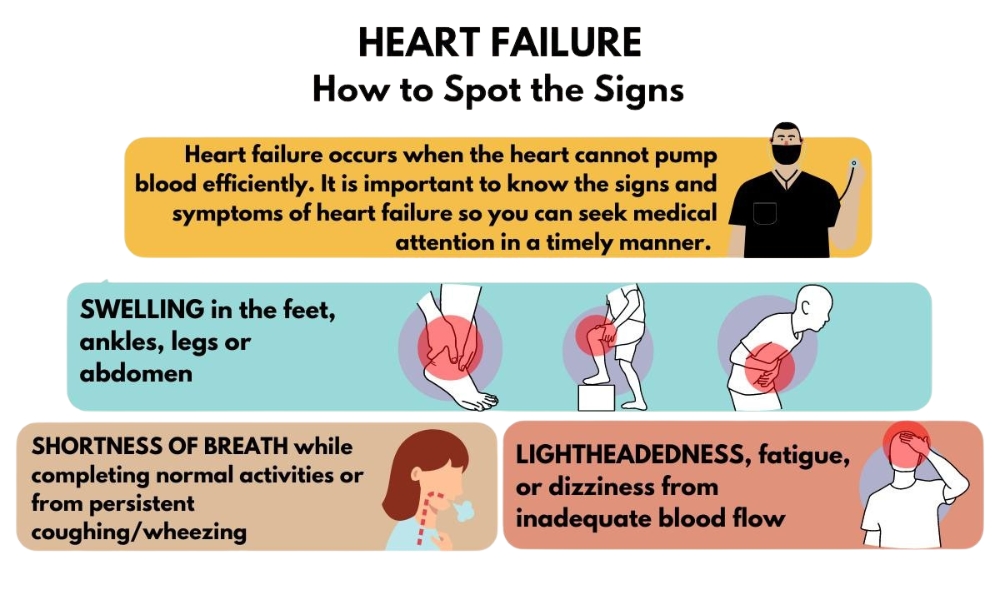
What Is Heart Failure?
Heart failure is a chronic cardiovascular condition in which the heart becomes too weak or too stiff to pump blood efficiently throughout the body. As pumping ability declines, oxygen-rich blood cannot adequately reach organs and muscles, causing symptoms that often interfere with daily activities.
Contrary to popular belief, heart failure does not mean the heart has stopped beating. Instead, it means the heart is struggling to keep up with the body’s demands. Some people develop symptoms gradually over months or years, while others experience sudden worsening that requires immediate medical attention.
Depending on which side of the heart is affected, fluid may build up in the lungs, legs, feet, ankles, abdomen, or other tissues. This explains why many patients notice swelling and increasing shortness of breath as the condition progresses.
Types of Heart Failure
Heart failure is not a single disease. Cardiologists classify it into different types based on how the heart is functioning. Understanding the type of heart failure helps determine the most effective treatment approach.
| Type | Description |
|---|---|
| Left-Sided Heart Failure | The left ventricle cannot pump blood efficiently, often leading to fluid buildup in the lungs and shortness of breath. |
| Right-Sided Heart Failure | Blood backs up in the veins, causing swelling of the legs, ankles, feet, and abdomen. |
| Biventricular Heart Failure | Both sides of the heart are affected, producing symptoms involving the lungs and the rest of the body. |
| Heart Failure with Preserved Ejection Fraction (HFpEF) | The heart pumps normally but becomes too stiff to fill properly between beats. |
| Heart Failure with Reduced Ejection Fraction (HFrEF) | The heart muscle becomes weak and cannot pump enough blood with each heartbeat. |
Common Symptoms of Heart Failure
Heart failure symptoms often develop gradually, making them easy to mistake for normal aging, stress, or being out of shape. As the heart becomes less effective at pumping blood, fluid can build up in the lungs and other parts of the body, reducing the amount of oxygen delivered to your organs and muscles.
Some people notice only mild symptoms at first, while others experience rapid worsening that requires immediate medical attention. Recognizing these warning signs early can help prevent complications and improve treatment outcomes.
| Symptom | Why It Happens |
|---|---|
| Shortness of breath | Fluid builds up in the lungs, making it harder to breathe during activity or while lying down. |
| Fatigue and weakness | The heart cannot deliver enough oxygen-rich blood to the muscles and organs. |
| Swelling in the legs, ankles, or feet | Fluid accumulates because blood backs up in the veins. |
| Rapid weight gain | Fluid retention can cause sudden increases in body weight. |
| Persistent cough | Fluid in the lungs may trigger coughing or wheezing. |
| Heart palpitations | The heart may beat faster or irregularly to compensate for reduced pumping ability. |
These symptoms may come and go in the early stages but often become more noticeable as heart failure progresses. If you notice increasing shortness of breath, swelling, or unexplained fatigue, it’s important to schedule an evaluation with a cardiologist.
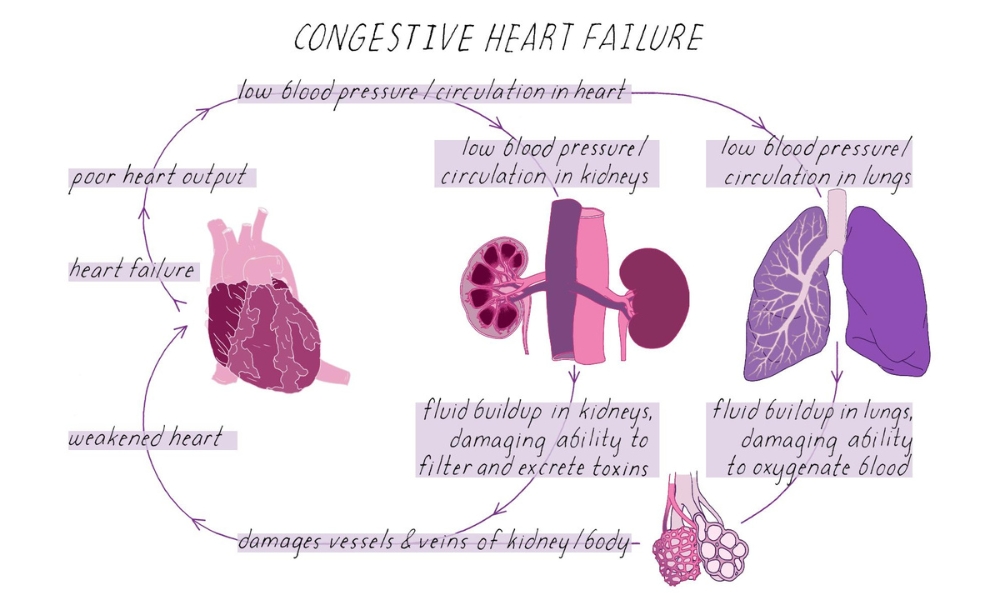
What Causes Heart Failure?
Heart failure is not a disease by itself—it is usually the result of another condition that has weakened or damaged the heart over time. Identifying the underlying cause is essential because treating it may slow or even prevent further progression of heart failure.
Coronary Artery Disease
Coronary artery disease is the most common cause of heart failure. Plaque buildup narrows the coronary arteries, reducing blood flow to the heart muscle. Over time, this weakens the heart and makes it less effective at pumping blood.
Previous Heart Attack
A heart attack damages part of the heart muscle by cutting off its blood supply. The resulting scar tissue cannot pump effectively, forcing the remaining healthy heart muscle to work harder.
High Blood Pressure (Hypertension)
Uncontrolled high blood pressure causes the heart to pump against increased resistance. Over time, the heart muscle becomes thicker, stiffer, and eventually weaker, increasing the risk of heart failure.
Heart Valve Disease
Damaged or diseased heart valves make it harder for blood to move efficiently through the heart. As the heart compensates for this extra workload, it may gradually become enlarged and weakened.
Cardiomyopathy
Cardiomyopathy refers to diseases that directly affect the heart muscle. These conditions may be inherited or caused by infections, alcohol abuse, certain medications, or other medical disorders.
Irregular Heart Rhythms
Long-standing arrhythmias such as atrial fibrillation can reduce the heart’s pumping efficiency. If left untreated, some rhythm disorders may eventually contribute to heart failure.
Important Note
Heart failure rarely develops overnight. In many cases, it progresses silently for years before noticeable symptoms appear. Managing conditions such as high blood pressure, diabetes, and coronary artery disease can significantly reduce your risk of developing heart failure and its complications.
Who Is Most at Risk for Heart Failure?
Although heart failure can affect people of any age, certain risk factors make it much more likely to develop. Understanding these risks allows patients to take preventive steps before significant heart damage occurs.
| Risk Factor | How It Increases Risk |
|---|---|
| High Blood Pressure | Places extra strain on the heart over many years. |
| Coronary Artery Disease | Reduces blood flow to the heart muscle. |
| Diabetes | Damages blood vessels and increases cardiovascular risk. |
| Obesity | Forces the heart to work harder and contributes to hypertension and diabetes. |
| Smoking | Damages blood vessels and reduces oxygen delivery. |
| Family History | Certain inherited heart conditions increase susceptibility. |
| Advanced Age | The risk of heart failure increases as the heart naturally changes over time. |
When Is Heart Failure a Medical Emergency?
While many cases of heart failure can be managed successfully with medication and lifestyle changes, some symptoms require immediate emergency care. Call 911 or go to the nearest emergency room if you experience:
- Severe or sudden shortness of breath at rest.
- Chest pain or pressure lasting several minutes.
- Fainting or loss of consciousness.
- Blue lips or fingertips.
- Confusion or difficulty staying awake.
- Coughing up pink, frothy mucus.
- Rapid swelling accompanied by difficulty breathing.
How Is Heart Failure Diagnosed?
Diagnosing heart failure involves more than identifying symptoms. Your cardiologist will review your medical history, perform a physical examination, and recommend specialized tests to evaluate how well your heart is functioning. Early diagnosis allows treatment to begin before the condition progresses and helps reduce the risk of serious complications.
During your appointment, your provider will ask about symptoms such as shortness of breath, fatigue, swelling, chest discomfort, and exercise tolerance. They will also review your medical history, current medications, family history of heart disease, and cardiovascular risk factors such as high blood pressure, diabetes, and smoking.
| Diagnostic Test | Purpose |
|---|---|
| Electrocardiogram (ECG/EKG) | Evaluates the heart’s electrical activity and detects abnormal heart rhythms or previous heart damage. |
| Echocardiogram | Measures heart function, pumping strength (ejection fraction), and evaluates heart valves. |
| Stress Test | Determines how well the heart performs during physical activity. |
| Chest X-ray | Shows heart enlargement and fluid buildup in the lungs. |
| Blood Tests | Checks kidney function, electrolytes, BNP levels, and other markers associated with heart failure. |
| Cardiac Catheterization | Identifies blocked coronary arteries and evaluates blood flow within the heart. |
Heart Failure Treatment Options
Although heart failure is generally a chronic condition, modern treatments have significantly improved survival rates and quality of life. Treatment focuses on reducing symptoms, slowing disease progression, preventing hospitalizations, and improving the heart’s ability to pump blood effectively.
Lifestyle Changes
Healthy lifestyle habits play an important role in managing heart failure. Your cardiologist may recommend limiting sodium intake, maintaining a healthy weight, exercising safely, quitting smoking, limiting alcohol consumption, and monitoring your weight daily for signs of fluid retention.
Medications
Several medications help reduce the workload on the heart, improve pumping efficiency, control blood pressure, remove excess fluid, and reduce the risk of hospitalization. Your treatment plan will depend on the type and severity of your heart failure.
Advanced Cardiac Procedures
Some patients benefit from minimally invasive procedures or implantable devices, including pacemakers, implantable cardioverter-defibrillators (ICDs), cardiac resynchronization therapy (CRT), coronary angioplasty, or advanced heart failure therapies when appropriate.
Important Note
A diagnosis of heart failure does not mean your heart has stopped working or that you cannot live a full and active life. Many patients successfully manage heart failure for years with early diagnosis, appropriate medications, regular follow-up care, and heart-healthy lifestyle changes. Following your treatment plan consistently is one of the best ways to reduce complications and improve long-term outcomes.
Can Heart Failure Be Prevented?
While not every case of heart failure can be prevented, many of the underlying causes are manageable. Taking care of your cardiovascular health can significantly reduce your risk of developing heart failure later in life.
- Maintain healthy blood pressure.
- Control cholesterol and diabetes.
- Exercise regularly with your physician’s guidance.
- Follow a heart-healthy diet rich in fruits, vegetables, and whole grains.
- Maintain a healthy body weight.
- Avoid smoking and excessive alcohol consumption.
- Take prescribed medications as directed.
- Attend regular cardiovascular checkups if you have risk factors.
Heart Failure Care in Katy, Sugar Land, and Greater Houston
If you are experiencing persistent fatigue, swelling, shortness of breath, or other symptoms of heart failure, seeking evaluation from an experienced cardiologist can make a significant difference. At Advanced Cardiology, Dr. Adnan Khalid provides comprehensive heart failure evaluations, advanced diagnostic testing, and personalized treatment plans for patients throughout Katy, Sugar Land, Houston, Richmond, Stafford, Rosenberg, and nearby communities.
Our practice offers comprehensive cardiovascular services, including echocardiography, stress testing, cardiac catheterization, heart rhythm monitoring, interventional cardiology, advanced heart failure management, and long-term cardiovascular care—all designed to help patients protect their heart health and improve their quality of life.
Frequently Asked Questions
Is cardiac failure the same as heart failure?
Yes. In modern medicine, the terms “cardiac failure” and “heart failure” generally refer to the same condition—a heart that cannot pump blood efficiently enough to meet the body’s needs.
Can heart failure be cured?
Heart failure is usually a chronic condition, but many patients successfully manage it with medication, lifestyle changes, and ongoing cardiology care. Early treatment can significantly improve symptoms and quality of life.
What are the early warning signs of heart failure?
Common early symptoms include shortness of breath, fatigue, swelling of the legs or ankles, rapid weight gain from fluid retention, persistent coughing, and reduced ability to exercise.
What causes heart failure?
The most common causes include coronary artery disease, previous heart attacks, high blood pressure, heart valve disease, cardiomyopathy, diabetes, and abnormal heart rhythms.
When should I seek emergency medical care?
Call 911 immediately if you experience severe chest pain, sudden shortness of breath, fainting, confusion, blue lips, or coughing up pink frothy mucus.
Medical Disclaimer
This article is intended for educational purposes only and should not replace professional medical advice, diagnosis, or treatment. If you experience symptoms of a heart attack, stroke, or severe heart failure, seek emergency medical care immediately. Always consult a qualified healthcare professional regarding your specific health concerns.