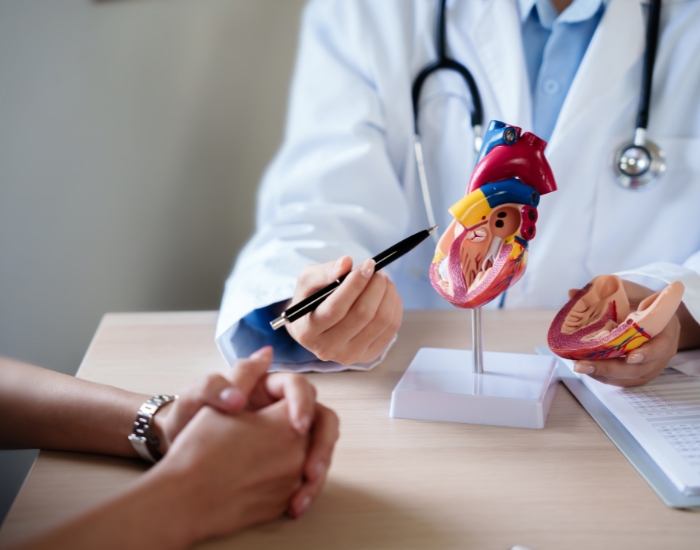
Heartbeat Causes, Anxiety, Arrhythmias, and When to See a Cardiologist
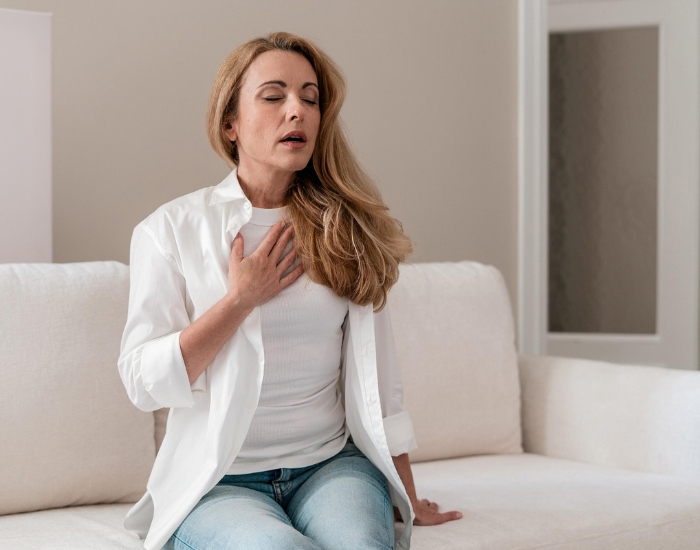
A sudden racing heartbeat can feel alarming, uncomfortable, and sometimes frightening, especially when it happens unexpectedly while resting, sleeping, working, or walking. Many people describe the sensation as pounding in the chest, fluttering, skipped beats, rapid heartbeat, heart thumping, or a feeling that the heart is beating too hard or too fast. Others experience symptoms together with dizziness, chest tightness, sweating, weakness, shortness of breath, or anxiety-like sensations.
Occasional increases in heart rate may occur normally during stress, exercise, excitement, caffeine intake, or emotional situations. However, recurrent episodes of sudden rapid heartbeat may also indicate abnormal heart rhythms, cardiovascular disease, thyroid problems, anxiety disorders, medication effects, or circulation-related conditions requiring professional medical evaluation.
Many individuals search online for terms such as “why is my heart racing suddenly,” “heart racing suddenly,” “heart palpitations causes,” “fast heartbeat causes,” or “irregular heartbeat symptoms” because they want to determine whether symptoms are harmless or potentially dangerous. Understanding the causes, warning signs, and risk factors may help patients recognize when symptoms require cardiology evaluation.
At Advanced Cardiology, patients throughout Katy, Sugar Land, Houston, and surrounding communities receive comprehensive cardiovascular evaluations focused on identifying the true cause of heart palpitations, arrhythmias, chest discomfort, dizziness, and fast heartbeat symptoms while helping reduce future risks of heart attack, stroke, heart failure, and cardiovascular complications.
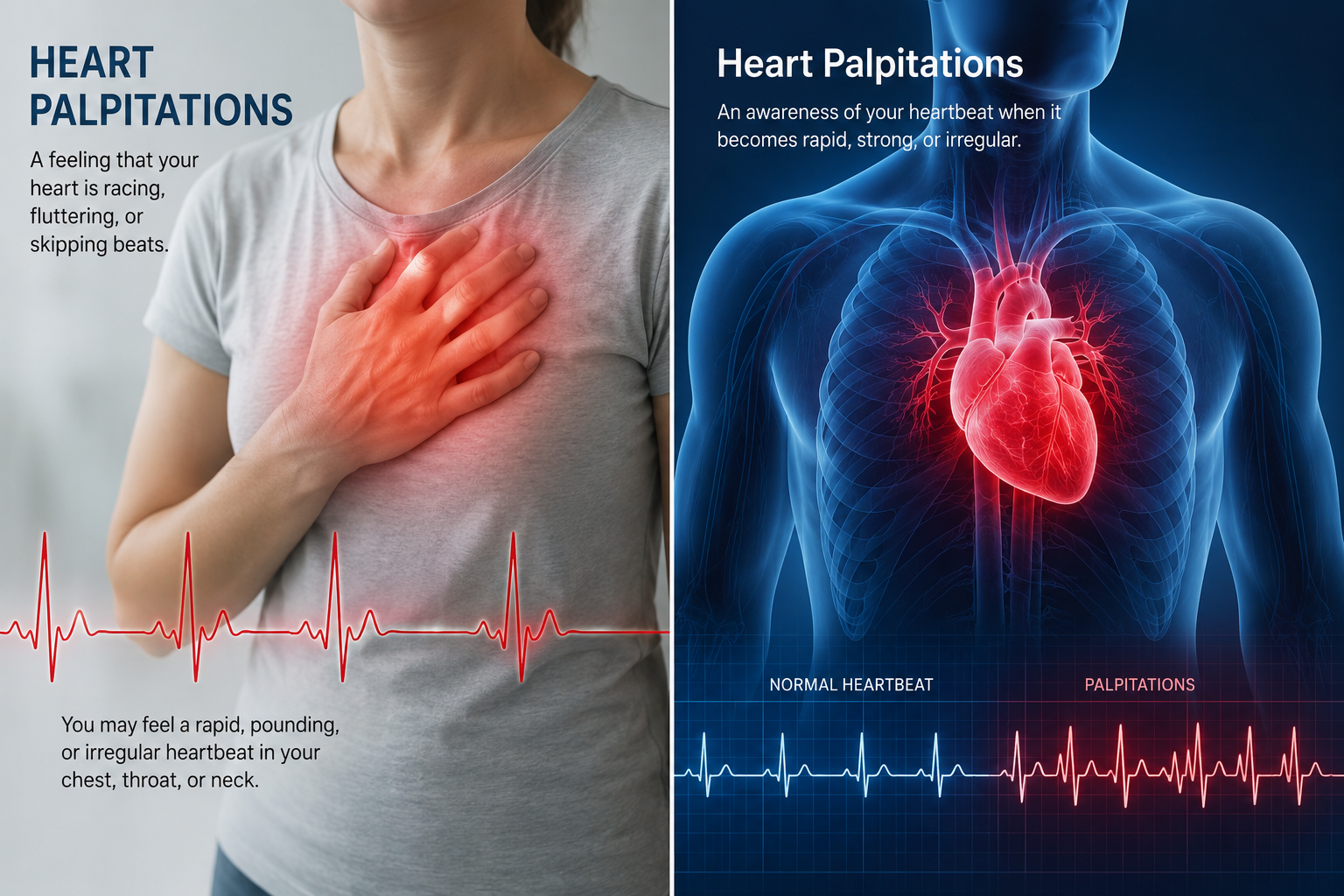
Table of Contents
- What Does a Racing Heart Feel Like?
- Why Is My Heart Racing Suddenly?
- Heart Palpitations Causes
- Fast Heartbeat Causes
- Irregular Heartbeat Symptoms
- Racing Heart at Night
- Anxiety and Heart Palpitations
- Dangerous Arrhythmias and Heart Rhythm Problems
- Warning Signs You Should Never Ignore
- When Should You See a Cardiologist?
- How Cardiologists Diagnose Heart Rhythm Problems
- Advanced Heart Testing and Evaluation
- Treatment Options for Heart Palpitations
- Lifestyle Changes That May Help
- Preventing Future Heart Problems
- Frequently Asked Questions
- Advanced Cardiology in Katy, Sugar Land, and Houston
- Final Discussion
- Disclaimer
What Does a Racing Heart Feel Like?
A racing heartbeat may feel different from person to person. Some individuals notice rapid pounding in the chest, while others feel fluttering sensations, skipped beats, chest vibrations, or forceful heartbeat sensations in the chest, throat, or neck.
Symptoms may involve:
- Heart racing suddenly
- Fast pounding heartbeat
- Fluttering sensations
- Skipped heartbeats
- Rapid pulse
- Chest tightness
- Weakness or dizziness
- Sweating
- Shortness of breath
- Anxiety-like symptoms
Some patients experience symptoms lasting only a few seconds, while others notice prolonged episodes lasting minutes or hours.
Symptoms may occur:
- During stress
- While resting
- During exercise
- After caffeine intake
- At night while sleeping
- During anxiety or panic attacks
- After alcohol consumption
- During illness or dehydration
Understanding symptom patterns helps cardiologists identify possible underlying causes.
Important Note: Rapid heartbeat associated with chest pain, fainting, severe dizziness, or shortness of breath should always be medically evaluated urgently.
Why Is My Heart Racing Suddenly?
Sudden rapid heartbeat may develop from normal physiological responses or underlying medical conditions affecting the heart’s electrical system.
Temporary causes may include:
- Stress
- Fear
- Anxiety
- Exercise
- Caffeine
- Nicotine
- Alcohol
- Dehydration
However, recurring episodes may involve:
- Arrhythmias
- Coronary artery disease
- Thyroid disorders
- Electrolyte imbalances
- Heart valve disease
- Medication side effects
- Heart failure
The heart normally beats in a coordinated rhythm controlled by electrical signals. When these electrical signals become abnormal, the heart may beat too fast, too slow, or irregularly.
Heart Palpitations Causes
Heart palpitations causes range from harmless temporary triggers to serious cardiovascular disease. Common Causes Include:
Stress and Anxiety
Stress hormones may temporarily increase heart rate and trigger palpitations.
Caffeine and Energy Drinks
Excess caffeine commonly triggers rapid heartbeat and fluttering sensations.
Dehydration
Low fluid levels may affect blood pressure and heart rhythm stability.
Sleep Deprivation
Poor sleep may increase stress hormone activity and heart rhythm abnormalities.
Arrhythmias
Abnormal heart rhythms may cause sudden rapid heartbeat episodes.
Thyroid Problems
Overactive thyroid conditions may increase heart rate significantly.
Coronary Artery Disease
Reduced blood flow to the heart may interfere with normal electrical activity.
Because symptoms vary greatly between patients, accurate diagnosis becomes extremely important.
Fast Heartbeat Causes
Fast heartbeat causes may involve both cardiac and non-cardiac conditions. Possible Causes Include:
- Anxiety
- Panic attacks
- Fever
- Infection
- Dehydration
- High blood pressure
- Heart disease
- Anemia
- Thyroid disease
- Medication side effects
- Arrhythmias
- Excess caffeine or stimulants
Some patients notice symptoms only occasionally, while others experience daily episodes.
Persistent fast heartbeat symptoms should always be medically evaluated.
Irregular Heartbeat Symptoms
Irregular heartbeat symptoms may indicate disturbances in the heart’s electrical conduction system.
Symptoms may include:
- Skipped beats
- Fluttering sensations
- Racing heart
- Weakness
- Chest discomfort
- Dizziness
- Fainting
- Fatigue
- Breathing difficulty
Some arrhythmias remain relatively harmless, while others may increase risks of stroke, heart failure, or sudden cardiac complications.
Racing Heart at Night
Racing heart at night commonly causes anxiety because symptoms become more noticeable while lying quietly in bed.
Possible nighttime triggers include:
- Stress
- Anxiety
- Sleep apnea
- Acid reflux
- Alcohol
- Dehydration
- Arrhythmias
- High blood pressure
Patients may wake suddenly with:
- Pounding heartbeat
- Sweating
- Chest tightness
- Breathing difficulty
- Panic sensations
Persistent nighttime symptoms should always be evaluated carefully.
Short Medical Note: Recurrent racing heart at night associated with dizziness, chest pressure, or fainting may indicate serious arrhythmias requiring advanced cardiovascular evaluation.
Anxiety and Heart Palpitations
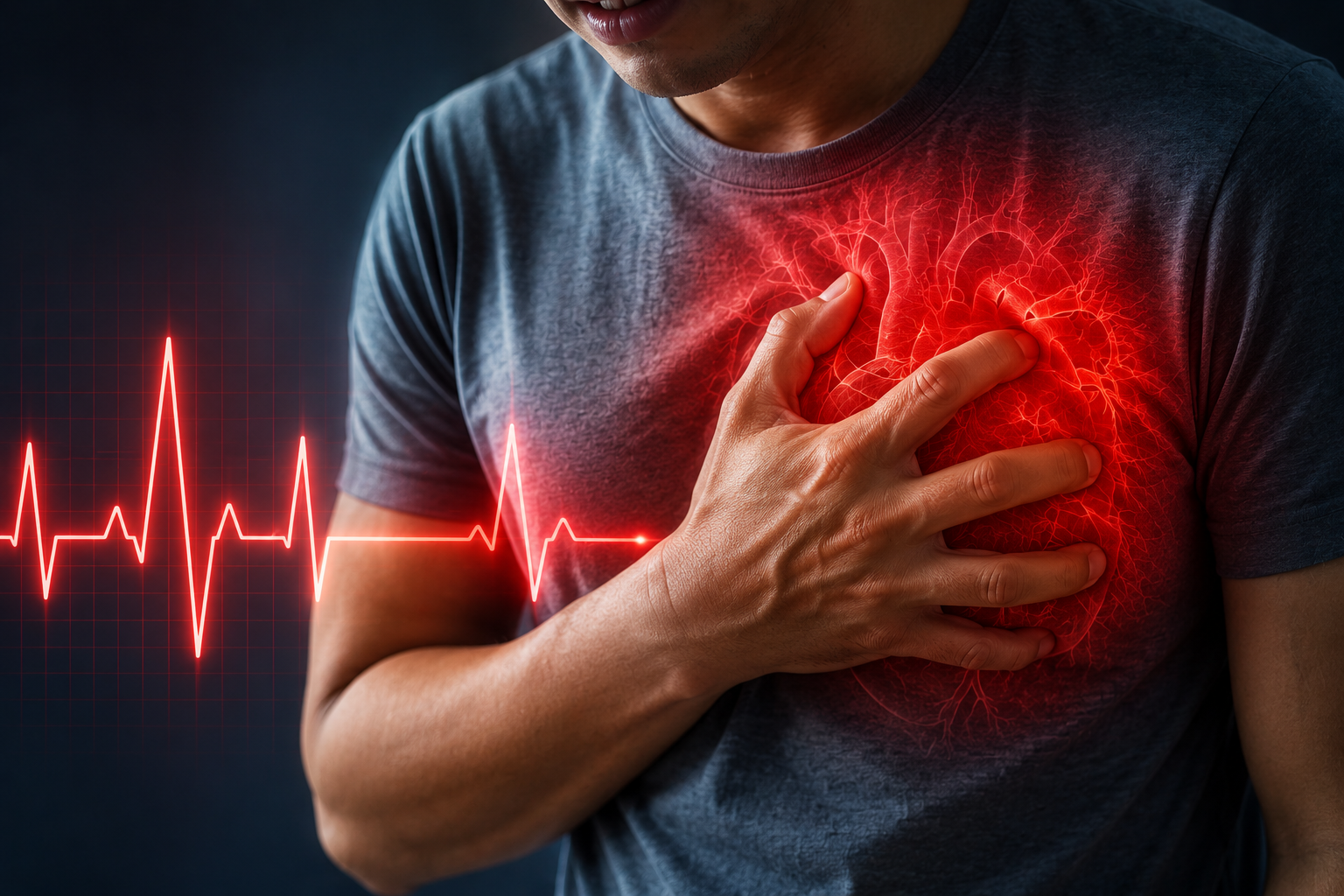
Anxiety and panic attacks commonly trigger rapid heartbeat sensations because stress hormones stimulate the cardiovascular system.
Anxiety-related symptoms may include:
- Racing heartbeat
- Chest tightness
- Sweating
- Trembling
- Rapid breathing
- Tingling sensations
- Fear or panic
Although anxiety frequently causes palpitations, medical evaluation remains important because anxiety symptoms may closely resemble heart rhythm disorders.
Dangerous Arrhythmias and Heart Rhythm Problems
Some heart rhythm disturbances may become dangerous if left untreated.
Atrial Fibrillation
Atrial fibrillation causes irregular rapid heartbeat and increases stroke risk.
Supraventricular Tachycardia (SVT)
SVT may cause sudden rapid heartbeat episodes beginning and ending abruptly.
Ventricular Arrhythmias
Dangerous ventricular arrhythmias may interfere with effective blood circulation.
Bradycardia
Slow heart rhythms may cause dizziness, weakness, or fainting.
Cardiologists evaluate rhythm abnormalities carefully to determine severity and treatment needs.
Warning Signs You Should Never Ignore
Certain symptoms require immediate medical evaluation. Seek Emergency Medical Attention If You Experience:
- Severe chest pain
- Fainting
- Severe dizziness
- Difficulty breathing
- Rapid worsening symptoms
- Blue lips or fingertips
- Chest pressure with rapid heartbeat
- Weakness or confusion
- Loss of consciousness
Ignoring these symptoms may delay treatment for serious cardiovascular emergencies.
When Should You See a Cardiologist?
Patients should seek cardiology evaluation if symptoms:
- Occur repeatedly
- Worsen over time
- Cause dizziness or weakness
- Develop with chest discomfort
- Occur during exercise
- Interfere with daily activity
- Cause fainting
- Develop with breathing difficulty
Early evaluation helps identify heart rhythm problems before severe complications develop.
For advanced chest pain and cardiovascular evaluation, visit:
Chest Pain Specialist in Katy, Sugar Land, and Houston.
How Cardiologists Diagnose Heart Rhythm Problems
Advanced Cardiology provides comprehensive cardiovascular testing focused on identifying arrhythmias and rhythm disturbances. Common Diagnostic Tests Include:
Electrocardiogram (EKG)
Measures electrical activity of the heart.
Holter Monitoring
Records heart rhythms continuously over extended periods.
Mobile Cardiac Telemetry
Provides real-time rhythm monitoring.
Echocardiogram
Uses ultrasound imaging to evaluate heart structure and pumping function.
Stress Testing
Evaluates heart function during exercise.
Blood Pressure and Cholesterol Evaluation
Helps identify cardiovascular risk factors.
Accurate diagnosis helps physicians create personalized treatment plans.
Advanced Heart Testing and Evaluation
Advanced Cardiology provides modern cardiovascular testing designed to identify rhythm abnormalities early.
Patients may receive:
- EKG testing
- Holter monitoring
- Mobile cardiac telemetry
- Echocardiography
- Stress echocardiography
- Rhythm monitoring
- Preventive cardiology evaluation
- Interventional cardiology consultation
Early diagnosis may significantly reduce long-term cardiovascular risks.
Treatment Options for Heart Palpitations
Treatment depends entirely on identifying the underlying cause of symptoms, including:
- Lifestyle modification
- Stress reduction
- Blood pressure management
- Heart rhythm medications
- Avoiding stimulants
- Hydration improvement
- Arrhythmia procedures
- Cardiac rehabilitation
- Sleep apnea treatment
Patients with dangerous arrhythmias may require specialized cardiovascular interventions.
Lifestyle Changes That May Help
Healthy habits may significantly improve cardiovascular stability and reduce palpitations. Helpful Lifestyle Habits Include:
- Reducing caffeine intake
- Staying hydrated
- Improving sleep quality
- Managing stress
- Regular exercise
- Avoiding tobacco use
- Limiting alcohol
- Maintaining healthy body weight
- Monitoring blood pressure
Preventive care remains important for long-term cardiovascular health.
Preventing Future Heart Problems
Preventive cardiology focuses on reducing cardiovascular risk before severe complications develop. Preventive Strategies Include:
- Routine cardiovascular evaluations
- Blood pressure control
- Cholesterol management
- Diabetes management
- Smoking cessation
- Healthy nutrition
- Stress reduction
- Regular physical activity
Patients with family history of heart disease should remain especially proactive about preventive care.
Frequently Asked Questions
Why is my heart racing suddenly while resting?
Sudden rapid heartbeat while resting may involve anxiety, dehydration, arrhythmias, stress, thyroid problems, or cardiovascular disease.
Are heart palpitations dangerous?
Some palpitations are harmless, while others may indicate serious arrhythmias or cardiovascular disease requiring treatment.
Can anxiety cause rapid heartbeat?
Yes. Anxiety and panic attacks commonly trigger racing heartbeat sensations.
What causes heart fluttering symptoms?
Heart fluttering symptoms may result from stress, caffeine, arrhythmias, dehydration, or heart rhythm abnormalities.
Why does my heart race at night?
Nighttime palpitations may involve stress, sleep apnea, dehydration, acid reflux, or arrhythmias.
When should I see a cardiologist for heart palpitations?
You should seek evaluation if symptoms recur frequently, worsen, cause dizziness, or occur together with chest discomfort or fainting.
Can dehydration cause fast heartbeat?
Yes. Dehydration may affect blood pressure and heart rhythm stability, leading to palpitations.
Advanced Cardiology in Katy, Sugar Land, and Houston
Advanced Cardiology proudly serves patients throughout Katy, Sugar Land, Houston, Richmond, Rosenberg, Cypress, Stafford, Fulshear, and surrounding communities with comprehensive cardiovascular care focused on heart palpitations, arrhythmias, chest discomfort, dizziness, breathing problems, and preventive cardiology. The clinic provides advanced rhythm monitoring, EKG testing, Holter monitoring, echocardiography, stress testing, interventional cardiology, and long-term cardiovascular disease management designed to improve heart health while reducing future risks of stroke, heart failure, and cardiovascular complications.
Patients searching for heart palpitations causes, irregular heartbeat symptoms, fast heartbeat evaluation, or cardiology testing in Katy, Sugar Land, and Houston can receive personalized cardiovascular care tailored to their symptoms and risk factors.
Final Discussion
A sudden racing heartbeat should never be ignored, especially when symptoms occur repeatedly or develop together with chest pressure, dizziness, weakness, breathing difficulty, or fainting. While stress, anxiety, dehydration, and caffeine commonly trigger temporary heart palpitations, dangerous arrhythmias and cardiovascular disease may also cause sudden rapid heartbeat episodes requiring professional medical evaluation. Understanding why your heart is racing suddenly can help identify early warning signs before severe complications develop.
Preventive cardiology, early diagnosis, advanced rhythm monitoring, and healthy lifestyle habits all play important roles in protecting long-term cardiovascular health. Patients experiencing recurrent heart palpitations, fast heartbeat symptoms, or irregular heartbeat episodes should seek professional medical evaluation to determine the exact underlying cause and receive appropriate treatment.
Disclaimer: This content is for educational purposes only and should not be considered medical advice, diagnosis, or treatment. Rapid heartbeat, chest pain, dizziness, fainting, or breathing difficulty may indicate serious medical emergencies requiring immediate evaluation. If you experience severe symptoms or possible heart attack symptoms, seek emergency medical care immediately.