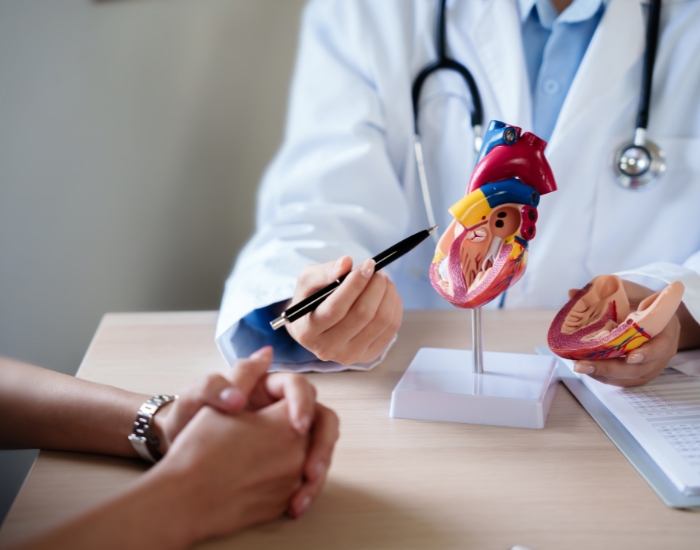
Feeling weak and shaky together with chest pain can be frightening and emotionally overwhelming, especially when symptoms appear suddenly or worsen rapidly. Some individuals describe symptoms as trembling, chest tightness, weakness in the arms or legs, dizziness, chest pressure, rapid heartbeat, sweating, or feeling as though they may faint. Others experience nausea, blurred vision, shortness of breath, fatigue, or anxiety together with chest discomfort and shakiness.
Because the heart, circulation system, nervous system, and blood sugar balance all work closely together, symptoms involving weakness, shakiness, and chest pain should never be ignored. While some cases may result from anxiety, dehydration, stress, or low blood sugar, these symptoms may also indicate serious cardiovascular emergencies requiring immediate medical evaluation.
Conditions such as heart attack, arrhythmias, coronary artery disease, poor circulation, severe anxiety attacks, hypoglycemia, or blood pressure abnormalities may all produce weakness and shakiness together with chest discomfort. Many people search online for phrases such as “why do I feel weak and shaky with chest pain,” “shaky feeling and chest tightness,” “dizziness weakness chest pressure,” or “heart-related weakness symptoms” because symptoms can feel intense and unpredictable.
Understanding the possible causes and emergency warning signs may help patients recognize dangerous symptoms early and seek timely medical attention before complications become severe.
Table of Contents
- What Causes Weakness, Shakiness, and Chest Pain?
- Why Do I Feel Weak and Shaky With Chest Pain?
- Weakness and Chest Pain
- Shaky Feeling and Chest Tightness
- Chest Pain and Weakness Causes
- Dizziness, Weakness, and Chest Pressure
- Heart-Related Weakness Symptoms
- Low Blood Sugar Chest Symptoms
- Anxiety Chest Pain Weakness
- Poor Circulation Symptoms
- Dangerous Chest Pain Symptoms
- Warning Signs You Should Never Ignore
- How Doctors Diagnose Weakness and Chest Pain
- Treatment Options for Weakness and Chest Symptoms
- Lifestyle Changes That May Help
- Preventing Serious Cardiovascular Problems
- Frequently Asked Questions
- Advanced Cardiology in Katy, Sugar Land, and Houston
- Final Discussion
- Disclaimer
What Causes Weakness, Shakiness, and Chest Pain?
Weakness, shakiness, and chest pain may occur when circulation, blood sugar, breathing, nervous system activity, or oxygen delivery becomes abnormal.
Possible causes include:
- Anxiety or panic attacks
- Heart attack
- Coronary artery disease
- Arrhythmias
- Low blood sugar
- Dehydration
- Poor circulation
- Severe stress
- High blood pressure
- Heart failure
Symptoms may feel:
- Weak
- Trembling
- Tight
- Heavy
- Dizzy
- Pressure-like
Some individuals experience mild temporary symptoms, while others develop severe episodes requiring emergency treatment.
Persistent or severe symptoms should always be medically evaluated.
Important Note: Weakness and shakiness together with chest pain, severe dizziness, fainting, shortness of breath, or sweating should always be treated as a possible medical emergency.
Why Do I Feel Weak and Shaky With Chest Pain?
Many individuals experience weakness and shakiness together with chest pain because the body reacts strongly to stress, circulation changes, or reduced oxygen delivery.
Symptoms may occur because:
- Blood flow to the brain decreases
- Blood sugar drops
- The heart struggles to circulate blood efficiently
- Stress hormones increase rapidly
- Blood pressure changes suddenly
Patients may feel:
- Weak legs
- Trembling hands
- Chest tightness
- Dizziness
- Fatigue
- Rapid heartbeat
Symptoms may worsen:
- During physical activity
- During anxiety attacks
- During illness
- During dehydration
- During cardiovascular emergencies
Recurring symptoms should never be ignored.
Weakness and Chest Pain
Weakness and chest pain commonly occur together during cardiovascular strain or reduced circulation.
Possible causes include:
- Heart attack
- Coronary artery disease
- Anxiety
- Arrhythmias
- Poor circulation
- Severe blood pressure changes
Patients may experience:
- Heavy chest pressure
- Fatigue
- Arm weakness
- Sweating
- Dizziness
- Shortness of breath
Weakness occurring together with chest pain becomes especially concerning when symptoms worsen during physical activity.
Shaky Feeling and Chest Tightness
A shaky feeling and chest tightness commonly occur during anxiety attacks, adrenaline surges, low blood sugar episodes, or cardiovascular emergencies.
Patients may feel:
- Trembling hands
- Tight chest pressure
- Rapid heartbeat
- Sweating
- Weakness
- Lightheadedness
Shakiness may occur because stress hormones rapidly stimulate the nervous system and cardiovascular system.
Short Medical Note: Chest tightness together with shaking, sweating, severe weakness, or dizziness may indicate dangerous cardiovascular or metabolic emergencies requiring immediate medical attention.
Chest Pain and Weakness Causes
Chest pain and weakness causes may involve cardiovascular, metabolic, respiratory, or neurological conditions.
Possible causes include:
- Heart attack
- Poor circulation
- Low blood sugar
- Anxiety
- Heart failure
- Arrhythmias
- Severe dehydration
- Blood pressure abnormalities
Symptoms may range from mild fatigue to severe physical weakness.
Persistent symptoms should never be ignored.
Dizziness, Weakness, and Chest Pressure
Dizziness, weakness, and chest pressure strongly raise concern for circulation problems or cardiovascular emergencies.
Possible causes include:
- Heart attack
- Arrhythmias
- Low blood pressure
- Severe anxiety attacks
- Pulmonary embolism
- Coronary artery disease
Patients may feel:
- Faint
- Weak
- Unsteady
- Short of breath
- Sweaty
- Fatigued
Symptoms becoming progressively worse require immediate medical evaluation.
Heart-Related Weakness Symptoms
Heart-related weakness symptoms commonly occur because reduced circulation limits oxygen delivery throughout the body.
Possible cardiovascular causes include:
- Coronary artery disease
- Heart failure
- Arrhythmias
- Heart attack
- High blood pressure
Symptoms may include:
- Fatigue
- Chest heaviness
- Weakness during activity
- Dizziness
- Rapid heartbeat
- Shortness of breath
Heart-related weakness often worsens gradually over time.
Low Blood Sugar Chest Symptoms
Low blood sugar, also called hypoglycemia, may trigger chest discomfort together with shakiness and weakness.
Symptoms may include:
- Trembling
- Sweating
- Chest tightness
- Rapid heartbeat
- Weakness
- Confusion
- Hunger
- Dizziness
Low blood sugar symptoms often improve after eating or drinking carbohydrates.
However, severe chest pain should still be medically evaluated.
Anxiety Chest Pain Weakness
Anxiety chest pain weakness symptoms commonly occur because stress hormones increase muscle tension, heart rate, and breathing rate.
Patients may experience:
- Tight chest feeling
- Trembling
- Sweating
- Rapid heartbeat
- Weakness
- Hyperventilation
- Dizziness
Although anxiety commonly causes these symptoms, heart disease must still be ruled out medically.
Poor Circulation Symptoms
Poor circulation symptoms may develop when blood flow becomes reduced throughout the body.
Possible symptoms include:
- Weakness
- Fatigue
- Dizziness
- Chest pressure
- Cold hands or feet
- Shortness of breath
Poor circulation commonly occurs in cardiovascular disease and may worsen over time without treatment.
Dangerous Chest Pain Symptoms
Certain symptoms strongly suggest dangerous cardiovascular or pulmonary emergencies.
Dangerous Symptoms Include:
- Crushing chest pressure
- Severe weakness
- Sweating
- Difficulty breathing
- Severe dizziness
- Fainting
- Arm or jaw pain
- Blue lips or fingertips
- Rapid worsening symptoms
Emergency treatment should never be delayed when these symptoms occur.
Warning Signs You Should Never Ignore
Seek Emergency Care Immediately If You Experience:
- Severe chest pressure
- Severe weakness
- Fainting
- Sweating with chest pain
- Severe shortness of breath
- Blue lips or skin
- Severe dizziness
- Arm or jaw pain
- Confusion
Ignoring these warning signs may increase the risk of heart attack, stroke, or sudden cardiac emergencies.
How Doctors Diagnose Weakness and Chest Pain
Doctors use several diagnostic tools to determine the underlying cause of symptoms.
Common Diagnostic Tests Include:
Electrocardiogram (EKG)
Measures electrical activity of the heart.
Blood Sugar Testing
Identifies hypoglycemia or metabolic abnormalities.
Blood Pressure Monitoring
Evaluates abnormal blood pressure changes.
Echocardiogram
Assesses heart structure and pumping function.
Blood Tests
Can identify heart damage, infection, or electrolyte imbalance.
Stress Testing
Measures cardiovascular performance during activity.
Accurate diagnosis is essential because symptoms may involve several organ systems simultaneously.
Treatment Options for Weakness and Chest Symptoms
Treatment depends entirely on identifying the underlying cause.
Heart-Related Treatments
- Blood pressure management
- Heart medications
- Cholesterol reduction
- Arrhythmia treatment
- Cardiac rehabilitation
- Lifestyle improvements
General Treatments
- Blood sugar stabilization
- Hydration improvement
- Anxiety management
- Nutritional support
- Stress reduction
- Sleep improvement
Early treatment significantly improves outcomes.
Lifestyle Changes That May Help
Lifestyle improvements help reduce cardiovascular risk and improve circulation.
Helpful Lifestyle Habits Include:
- Eating balanced meals
- Staying hydrated
- Exercising regularly
- Monitoring blood pressure
- Managing stress
- Improving sleep quality
- Avoiding smoking
- Maintaining healthy weight
- Managing blood sugar levels
Preventive care remains extremely important for long-term health.
Preventing Serious Cardiovascular Problems
Preventive cardiology helps identify cardiovascular disease before emergencies develop.
Preventive Strategies Include:
- Routine cardiovascular screening
- Monitoring recurring symptoms
- Blood pressure management
- Healthy nutrition
- Regular physical activity
- Diabetes management
- Stress reduction
- Weight control
Patients with cardiovascular risk factors should remain proactive about preventive care.
Frequently Asked Questions
Why do I feel weak and shaky with chest pain?
Possible causes include anxiety, low blood sugar, dehydration, poor circulation, arrhythmias, or cardiovascular disease.
Can anxiety cause weakness and chest pain?
Yes. Anxiety commonly causes chest tightness, rapid heartbeat, dizziness, trembling, and weakness.
Is shakiness with chest pain dangerous?
It can be. Symptoms may indicate cardiovascular emergencies, low blood sugar, or circulation problems.
What causes dizziness, weakness, and chest pressure?
Possible causes include heart disease, arrhythmias, anxiety, blood pressure abnormalities, or poor circulation.
Can low blood sugar cause chest tightness?
Yes. Hypoglycemia may cause trembling, rapid heartbeat, sweating, weakness, and chest discomfort.
When should I go to the ER for chest pain and weakness?
You should seek emergency care if symptoms involve severe chest pressure, fainting, severe dizziness, or shortness of breath.
What are heart-related weakness symptoms?
Symptoms may include fatigue, dizziness, chest heaviness, rapid heartbeat, weakness during activity, and breathing difficulty.
Advanced Cardiology in Katy, Sugar Land, and Houston
At Advanced Cardiology, patients receive comprehensive cardiovascular evaluations focused on identifying chest pain, weakness, dizziness, shortness of breath, rapid heartbeat, circulation problems, and heart-related symptoms. Serving Katy, Sugar Land, Houston, and surrounding communities, the clinic provides advanced heart testing, echocardiography, stress testing, rhythm monitoring, preventive cardiology, and interventional cardiology services designed to improve long-term cardiovascular health. Dr. Adnan Khalid and the Advanced Cardiology team remain committed to helping patients reduce future risks of heart attack, stroke, arrhythmias, heart failure, and vascular disease through compassionate, evidence-based care.
Final Discussion
Feeling weak and shaky with chest pain should never be ignored, especially when symptoms become severe, recurrent, or associated with dizziness, shortness of breath, sweating, or fainting. While some episodes may result from anxiety, dehydration, or low blood sugar, weakness and chest discomfort may also indicate serious cardiovascular or metabolic emergencies requiring prompt medical evaluation. Understanding the causes of chest pain with shakiness may help patients recognize dangerous warning signs early and seek timely treatment before complications become severe.
Heart disease often develops gradually and may initially appear as fatigue, dizziness, weakness, chest heaviness, or reduced activity tolerance. Early cardiology evaluation, preventive care, healthy lifestyle habits, and proper treatment can significantly reduce future risks of heart attack, stroke, heart failure, and sudden cardiac emergencies. Individuals experiencing recurring weakness or chest symptoms should consult qualified medical professionals for comprehensive cardiovascular evaluation and personalized treatment recommendations.
Disclaimer
This article is for educational purposes only and is not medical advice or diagnosis. Chest pain, weakness, dizziness, fainting, or breathing difficulty may indicate serious medical emergencies requiring urgent evaluation. If you experience severe or worsening symptoms, seek emergency medical care immediately.