
Why Does My Back Hurt With Chest Pain?
Back pain with chest pain may be a muscle strain or reflux, but also a heart attack or aortic dissection. Learn the causes, warning signs and when to call 911.
Cardiologist Serving Katy, Sugar Land, Greater Houston
When your heart needs support to maintain a safe rhythm, a pacemaker or implantable cardioverter-defibrillator (ICD) may be recommended. Advanced Cardiology evaluates patients at our Katy and Sugar Land offices, and device implantation is performed at an affiliated hospital, followed by ongoing device care.
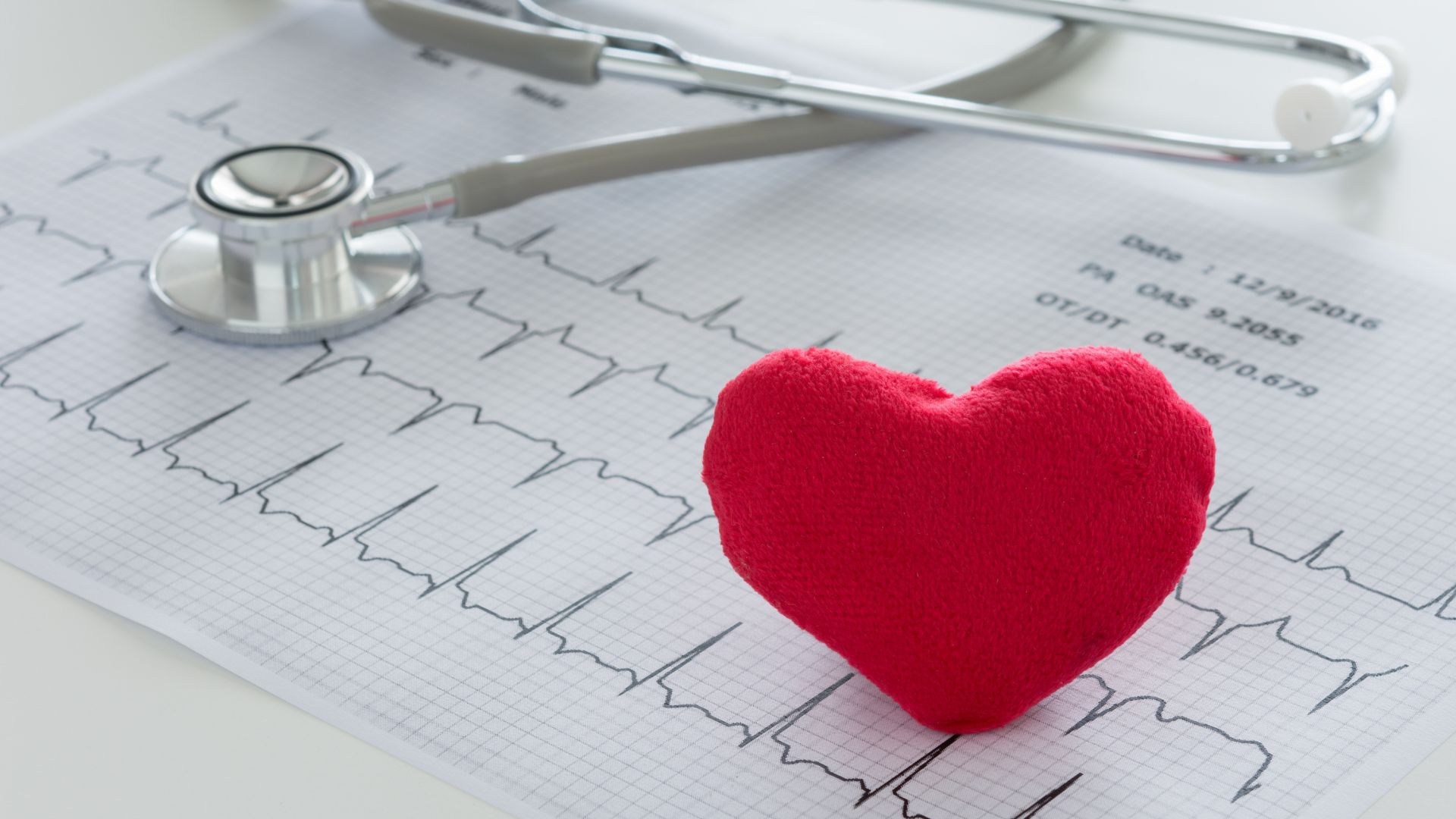
Dr. Khalid reviews your symptoms, history and test results himself
Visits in Katy and Sugar Land
Catheter and device procedures at an affiliated hospital
Office follow-up on medicines and risk factors
Pacemakers and ICDs are used for heart rhythm problems that cannot be managed safely with medicine alone or that carry a risk of serious complications. A pacemaker prevents the heart from beating too slowly. An ICD watches for dangerous fast rhythms from the lower chambers and can treat them with rapid pacing or a shock, which can help prevent sudden cardiac death in people at high risk.
Advanced Cardiology sees patients at our Katy and Sugar Land offices, including patients from Richmond and nearby communities. Implantation is a hospital-based procedure. It is scheduled at an affiliated hospital, and our office will explain where your procedure will take place.
Your cardiologist, Dr. Adnan Khalid, will carefully review your symptoms and tests, such as an EKG, Holter monitor, echocardiogram or electrophysiology study results. If you have symptoms such as dizziness, fainting or heart failure signs, or conditions such as bradycardia, heart block, a weakened heart muscle or a history of life-threatening arrhythmias, an ICD or pacemaker may be one of the options discussed.

Adnan Khalid, MD, Cardiologist
Adnan Khalid, MD, specializes in treating coronary artery disease, peripheral artery disease, heart failure, hypertension, arrhythmias, and hyperlipidemia. He has over 10 years of experience in the field of cardiovascular medicine.
Dr. Khalid graduated from his medical school among the top 10 out of 250 medical students in his class. He is fellowship trained in cardiovascular diseases, interventional cardiology, advanced heart failure, and transplant cardiology. He is focused on providing personalized and compassionate care. Dr. Khalid believes in spending time with his patients and listening to their needs and is committed to offering excellent care.
Dr. Khalid is an avid reader. He is eager to learn new things, and he likes to work out and spend time with his family. When off from work, he likes to travel and spend time in nature along with family and friends. He is married with three children. Dr. Adnan Khalid is now seeing patients at our Katy and Sugar Land clinics—accepting new patients from Houston and surrounding areas.
American Board of Internal Medicine
Interventional Cardiology
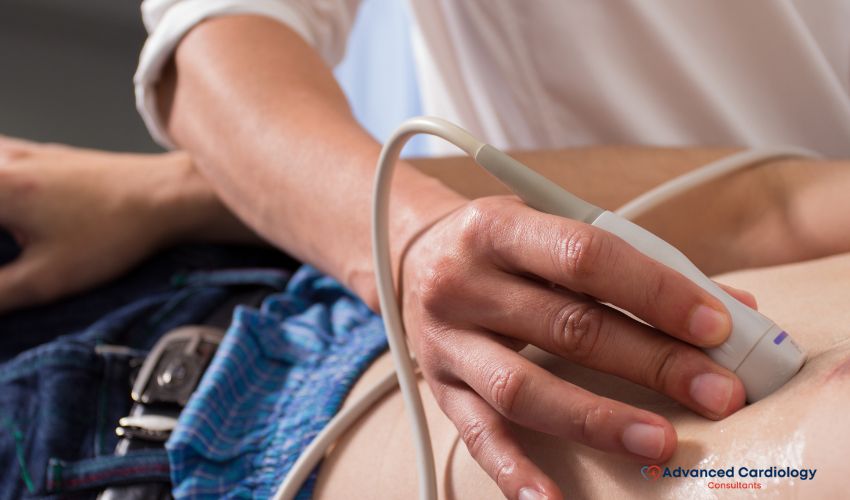
Understanding your options is an important part of managing a heart rhythm disorder. Dr. Khalid will explain which type of device, if any, fits your condition.
Implantable Cardioverter Defibrillator (ICD):
Why it matters: ICDs are used for people at risk of sudden cardiac arrest from dangerous ventricular arrhythmias.
How it works: The device continuously monitors your heart rhythm. If it detects a life-threatening fast rhythm, it can deliver rapid pacing or a shock to restore a normal heartbeat. Some ICDs are placed entirely under the skin without leads in the heart (subcutaneous ICD).
Pacemaker:
Why it matters: Pacemakers help when the heart beats too slowly or pauses, which can cause fatigue, dizziness or fainting.
How it works: The device sends small electrical impulses that prompt your heart to beat at an appropriate rate. Leadless pacemakers, placed directly inside the heart through a vein, are an option for some patients.
Dual-Chamber and Biventricular Devices:
Why it matters: Some patients benefit from coordinated pacing of the upper and lower chambers, or of both lower chambers.
How they work: Dual-chamber pacemakers coordinate the timing of the upper and lower chambers. Biventricular devices, also called cardiac resynchronization therapy (CRT), pace both sides of the heart to help it pump in a more coordinated way and may reduce symptoms in selected patients with heart failure or low ejection fraction.
The right device depends on your heart condition, symptoms and overall health. A device does not cure the underlying heart disease, so medicines and other treatments usually continue.
Initial evaluation and preparation:
Before the procedure, your care team reviews your heart rhythm data, imaging and blood work. You will receive specific instructions about eating, drinking and your medicines, including blood thinners and diabetes medicines—follow those instructions rather than stopping or changing anything on your own. Plan for someone to drive you home.
Device implantation (ICD or pacemaker):
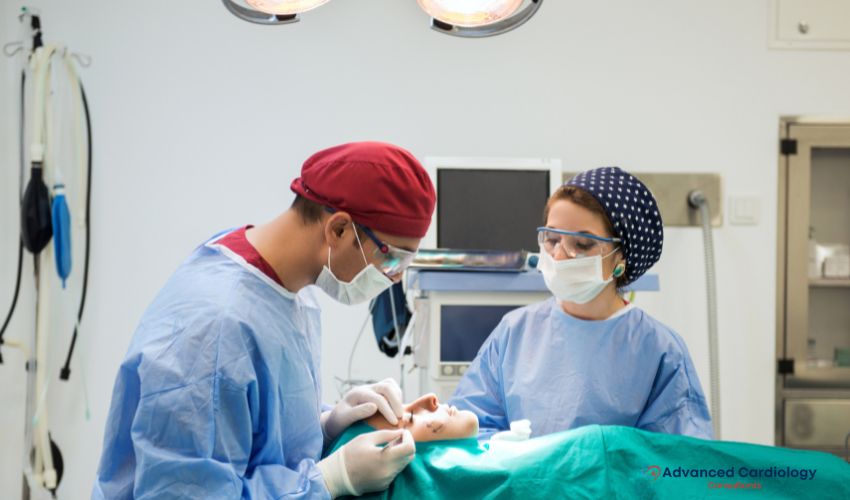
The procedure takes place in a hospital procedure room and is typically performed with local anesthesia and sedation.
Pacemaker implantation: A small incision is made below the collarbone. Leads (wires) are guided through a vein into the heart and connected to the pacemaker, which is placed just under the skin.
ICD implantation: Follows a similar process, but the device can also treat dangerous fast rhythms. The team may test the device before you leave.
Procedure length and hospital stay:
The time varies with the type of device. Some patients go home the same day, while others stay overnight, depending on the procedure and their condition.
After the procedure:
You are monitored after the implant and given instructions on wound care, arm-movement and activity limits, and when your first device check is due.
Device implantation is generally well tolerated, but risks can include bleeding or bruising, infection, lead movement, a collapsed lung, injury to a blood vessel or the heart and, for ICDs, shocks that are not needed. Your care team will discuss your individual risks and the alternatives before you decide.
A device may be discussed if testing shows a heart rhythm problem or a heart condition that a device can help manage. Common situations include:
Fainting, dizziness or near-fainting linked to a slow heart rate or pauses
A diagnosis of bradycardia (slow heart rate) or heart block
Surviving sudden cardiac arrest, or a high risk of life-threatening ventricular arrhythmias
A weakened heart muscle after a heart attack or from heart failure that remains despite appropriate medical treatment
Heart failure with certain electrical delays that may respond to resynchronization therapy
Not everyone with these conditions needs a device. Alternatives can include medication changes, treatment of reversible causes, a wearable defibrillator for a limited time or continued monitoring. Dr. Khalid will explain the benefits, limits and risks so you can make an informed decision.
When to call 911: Fainting, chest discomfort that lasts more than a few minutes or comes and goes, severe shortness of breath, or stroke signs such as face drooping, arm weakness or speech difficulty need emergency care—even if symptoms go away.
Advanced Cardiology accepts most major insurance plans, and coverage is verified individually. Device implantation usually requires pre-authorization and documentation from your cardiologist, and the hospital and other providers may bill separately. Our office can help you understand what your plan requires; please also check with your insurance provider about copays and out-of-pocket costs.
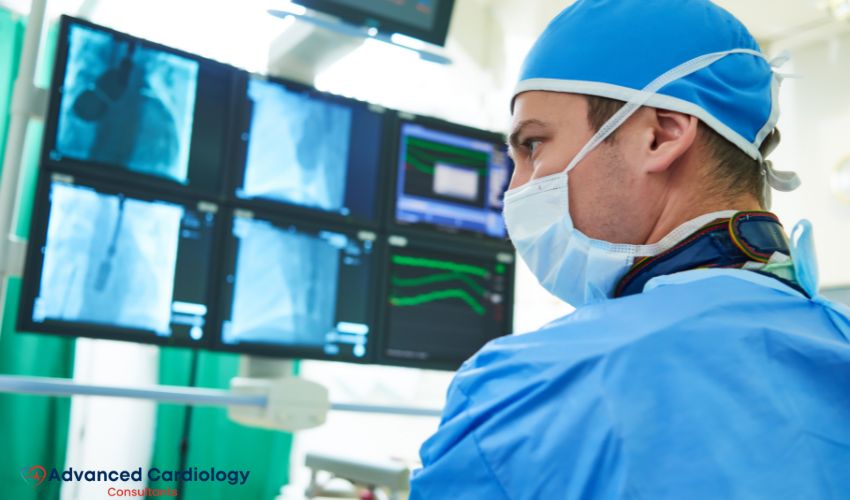
The weeks after your ICD or pacemaker procedure are important for healing and for confirming that the device works well. Here is what to expect:
Initial recovery: Mild soreness or swelling at the implant site is common. Many patients return to light daily activities within a few days, but recovery varies, and you will be asked to limit arm movement on the device side for a period.
Device monitoring: Your device is programmed and checked during follow-up. Device checks may be done in the office or by remote monitoring, depending on your device and care plan.
Lifestyle adjustments: Most activities are possible, but you may be advised to keep strong magnets and cell phones a few inches from the device, avoid contact sports and avoid heavy lifting for a time. Driving restrictions may apply, especially after an ICD; ask your care team.
Ongoing care: Regular checks review the battery, leads and stored rhythm data, and settings may be adjusted as your needs change.
Contact our office if you notice increasing redness, swelling, warmth or drainage at the incision, fever, or a single ICD shock after which you feel well. Call 911 if you receive more than one shock, faint, or have chest discomfort or shortness of breath.
Advanced Cardiology provides long-term follow-up for patients with pacemakers and ICDs. Call our office to ask about current appointment availability.
Battery life depends on the type of device and how often it paces or treats rhythms. Your device checks track the remaining battery, and when it runs low, the generator is replaced in a hospital procedure; working leads can often stay in place.
Most people do not feel normal pacing. An ICD shock, if it happens, is felt as a sudden jolt. Your care team will explain what to do if you receive one. Let our office know if you notice new dizziness, persistent hiccups or muscle twitching near the device, since settings may need review.
Sources: NHLBI: Pacemakers; NHLBI: Implantable Cardioverter Defibrillators; MedlinePlus: Pacemakers and Implantable Defibrillators; American Heart Association: Warning Signs of a Heart Attack.
Please print out your paperwork and bring it to your appointment at Advanced Cardiology. If your insurance requires authorization, please be sure to have that information sent to our office or bring it with you to your appointment, along with any medical records you may have. Please also make sure to bring your insurance cards, photo ID, and medication list.
Thank you, and we look forward to meeting you! Contact us with any questions.
Most insurance plans accepted
(713) 258-6111
Katy & Sugar Land Cardiologist
# Cooperative & professional staff. Dr. Khalid is highly competent & experienced. Very kind & friendly too.
# He’s A Very Caring & Concerned Doctor. He Asks Important Questions, He Allows Me To Ask Questions & Fully Answers To My Satisfaction. He Diagnosis & Does Whatever It Takes To Fix My Health Issues. He’s A Wonderful Doctor…& Most Of All, I Trust Him & His Staff.
Read More…..
Back pain with chest pain may be a muscle strain or reflux, but also a heart attack or aortic dissection. Learn the causes, warning signs and when to call 911.

Jaw pain with chest pain can warn of a heart attack or angina, especially in women. Learn how it differs from dental or TMJ pain and when to call 911.

Feeling weak and shaky with chest pain can be low blood sugar, anxiety or dehydration, but also a heart attack or rhythm problem. Know when to call 911.
Should you go to the ER for chest pain? Learn which symptoms need 911, ER vs urgent care, what happens in the ER, and when to follow up with a cardiologist.

Severe abdominal pain can feel frightening, exhausting, and overwhelming, especially when symptoms suddenly worsen or spread throughout the abdomen. Many people initially dismiss stomach pain as indigestion, food poisoning, gas, or minor illness, only to later discover they are experiencing appendicitis or even a ruptured appendix. A burst appendix, also called a ruptured appendix, is […]

Severe headache and nausea is often migraine, but sudden pain, very high blood pressure, weakness or confusion need the ER. Learn red flags and where to go.
Katy & Sugar Land Cardiologist
Advanced Cardiology welcomes new patients at its offices in Katy and Sugar Land. Call our office or send an appointment request, and our staff will follow up.
Most major insurance plans accepted; coverage is verified individually.
For possible heart attack or stroke symptoms, call 911.