


Cardiologist Serving Katy, Sugar Land, Greater Houston

Cardiac Rehabilitation in Katy: Evaluation, Referral, and Recovery Support

Cardiac rehabilitation helps many people rebuild strength and confidence after a heart attack, heart surgery, a stent, or a diagnosis of heart failure. Adnan Khalid, MD can evaluate whether cardiac rehab is right for you, refer you to a supervised program, and follow your progress at our Katy and Sugar Land offices.

cardiologist houston

Physician-Led Care

Dr. Khalid reviews your symptoms, history and test results himself

Two Offices

Visits in Katy and Sugar Land

Hospital-Based Procedures

Catheter and device procedures at an affiliated hospital

Follow-Up Care

Office follow-up on medicines and risk factors

Why Cardiac Rehabilitation Is a Key Part of Heart Recovery

Cardiac rehabilitation (cardiac rehab) is a medically supervised program that combines monitored exercise, education about heart-healthy living, and support for lasting lifestyle changes. It is designed for people recovering from a heart attack, angioplasty or a stent, heart surgery, or living with certain chronic heart conditions such as heart failure.

Cardiac rehab is usually delivered by a dedicated team of nurses, exercise physiologists, and other staff in a hospital-based or outpatient cardiac rehab center. Some programs also offer home-based or virtual options; availability varies by program and health plan.

At Advanced Cardiology, Dr. Khalid’s role is to review your heart condition, decide with you whether cardiac rehab is appropriate, send a referral to a supervised program, and continue your cardiology follow-up during and after it. Patients from Sugar Land, Richmond, and across Greater Houston visit our Katy and Sugar Land offices for this care.

cardiologist houston

Meet the Cardiologist

Adnan Khalid, MD, Cardiologist

Education
2002 Medical School : Nishtar Medical College
2008 Residency:
University of Missouri – Kansas City
2012 Fellowship:
University of Missouri – Kansas City

Adnan Khalid, MD

Adnan Khalid, MD, specializes in treating coronary artery disease, peripheral artery disease, heart failure, hypertension, arrhythmias, and hyperlipidemia.

He is fellowship trained in cardiovascular diseases, interventional cardiology, advanced heart failure, and transplant cardiology. He is focused on providing personalized and compassionate care. Dr. Khalid believes in spending time with his patients and listening to their needs and is committed to offering excellent care.

Dr. Khalid is an avid reader. He is eager to learn new things; he likes to work out and spend time with his family. When off from work, he likes to travel and spend time in nature along with family and friends. He is married with three children. Dr. Adnan Khalid is now seeing patients at our Katy and Sugar Land offices and accepting new patients.

Board Certifications

American Board of Internal Medicine
Interventional Cardiology

Advanced Heart Failure and Transplant
Cardiology
Cardiovascular Disease
cardiologist houston

Why Cardiac Rehabilitation Is Important for Heart Health

Cardiac rehabilitation is a medically supervised program designed to help you recover and improve your fitness after a heart attack, heart surgery, a stent, or a diagnosis of heart disease. It combines exercise training, education on heart-healthy living, and counseling to help you manage stress and make lasting lifestyle changes.

Why does it matter?

After a cardiac event, many people feel unsure about how much activity is safe. Cardiac rehab gives you a structured, monitored way to become active again. Programs are designed to help lower the chance of future heart problems, improve quality of life, and support a safe return to daily activities, although results vary from person to person.

How cardiac rehab helps:

  • Builds cardiovascular fitness and endurance through an individualized exercise plan

  • Teaches eating habits that help manage cholesterol, blood pressure, and weight

  • Offers emotional support and stress management, since anxiety and low mood are common after a heart event

  • Monitors heart rate, blood pressure, and symptoms during exercise under medical supervision

  • Reviews your medications and how to take them consistently

Dr. Khalid works with the rehab program you attend by sharing your cardiac history and goals, reviewing progress reports, and adjusting your cardiology treatment as needed.

Understanding the Phases of Cardiac Rehabilitation

Cardiac rehabilitation is often described in phases, each matched to your recovery stage and health status. Programs differ in how they organize these steps.

Phase 1: Inpatient Rehabilitation
This phase can begin in the hospital soon after a heart event or surgery. The hospital team focuses on early, gentle movement and education about heart health and next steps.

Phase 2: Supervised Outpatient Rehabilitation
After discharge, you attend supervised exercise sessions at a cardiac rehab center, usually several times a week. This phase often lasts several weeks to a few months and includes monitored workouts, nutrition counseling, and stress management support. Our office can refer you to a program and help coordinate the paperwork the program needs.

Phase 3: Maintenance and Long-Term Lifestyle Changes
The goal is to keep the healthy habits you have learned. You continue exercising regularly, follow a heart-healthy eating pattern, and manage risk factors such as blood pressure and cholesterol, with ongoing follow-up in our cardiology office.

Each phase is meant to help you regain strength, ease symptoms, and improve your overall well-being at a pace that is safe for you.

cardiologist near me
cardiologist houston

Who Should Consider Cardiac Rehabilitation?

Cardiac rehab can help many people with heart conditions. Ask your cardiologist whether it is right for you if:

  • You recently had a heart attack or heart surgery, such as bypass or valve surgery

  • You have had angioplasty or a stent

  • You have been diagnosed with stable heart failure or chronic coronary artery disease, including stable angina

  • You have had a heart transplant or another procedure where your care team recommends supervised exercise

  • Your doctor has recommended lifestyle changes and monitored exercise to improve your heart health

Some people need to wait before starting, or need a modified program, for example if they have chest pain that is new or getting worse, an uncontrolled heart rhythm problem, or another condition that makes exercise unsafe for now. Dr. Khalid evaluates these factors before referral, and the rehab program also screens each participant. Eligibility rules and health plan coverage vary.

Insurance and Cardiac Rehab Coverage

Many health plans cover cardiac rehabilitation when it is prescribed for a qualifying condition, such as a recent heart attack, heart surgery, stent placement, or certain types of heart failure. Coverage, number of sessions, and costs vary, so check with your plan and the rehab program. Our office accepts most major insurance plans for cardiology visits; coverage is verified individually.

houston cardiology consultants

What Cardiac Rehab Can Help You Achieve

Whether you are recovering from a heart attack or living with chronic heart disease, cardiac rehab can support meaningful improvements such as:

  • Better Cardiovascular Fitness and Endurance
    Helps you rebuild strength and stamina through medically supervised exercise.

  • Lower Risk of Future Heart Problems
    Supports habits that help control blood pressure, cholesterol, blood sugar, and stress.

  • Support During Recovery After Heart Surgery or a Cardiac Event
    Provides structure and guidance for physical and emotional recovery.

  • More Confidence in Daily Activities
    Teaches how to pace yourself and recognize warning signs, so everyday tasks feel manageable again.

  • Help Managing Chronic Conditions Like Heart Failure or Angina
    Regular contact with the rehab team can help spot changes early, so they can be addressed with your cardiologist.

Recovery is different for everyone. Dr. Khalid can help you set realistic goals and decide on next steps after the program ends.

What Happens During a Cardiac Rehab Session?

Before you start, the rehab team reviews your records and usually does an intake assessment of your fitness, symptoms, and goals. A typical session includes a warm-up, aerobic exercise such as walking on a treadmill or riding a stationary bike, sometimes light strength training, and a cool-down. Your heart rate, blood pressure, and symptoms are checked, and some programs use heart rhythm monitoring during exercise. Education sessions cover topics such as eating for heart health, managing medications, quitting tobacco, and coping with stress.

Is Cardiac Rehab Safe? Risks and Warning Signs

For most people who are referred, supervised exercise is considered safe, and supervision is one of the reasons rehab is recommended. As with any exercise, there are some risks, such as muscle or joint strain, dizziness, or, uncommonly, heart rhythm problems. Tell the rehab staff right away if you feel chest discomfort, unusual shortness of breath, lightheadedness, or a racing or irregular heartbeat.

Outside of rehab, call 911 if you have chest discomfort that lasts more than a few minutes or goes away and comes back; shortness of breath; discomfort in the arms, back, neck, jaw, or stomach; or a cold sweat, nausea, or lightheadedness. For sudden face drooping, arm weakness, or speech difficulty, call 911 even if the symptoms go away. Office messages and appointment requests are not for emergencies.

How Our Office Helps Before and After Rehab

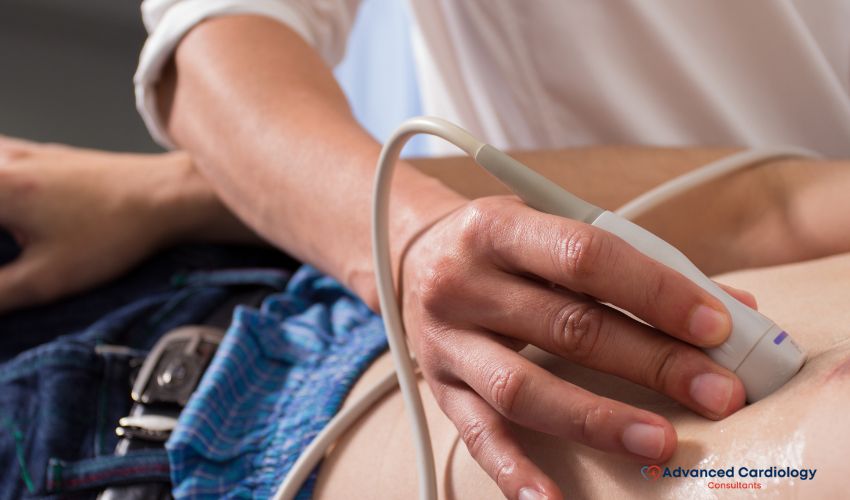
At your visit, Dr. Khalid reviews your diagnosis, recent procedures, and test results, such as an echocardiogram or exercise stress test when one is needed. He discusses whether cardiac rehab is appropriate and sends a referral. During and after the program, follow-up visits focus on your symptoms, medications, and risk factors such as cholesterol and blood pressure, along with a long-term prevention plan. Call (713) 258-6111 to ask about current availability at the Katy or Sugar Land office.

Common Questions About Cardiac Rehab

Do I need a referral?

Most cardiac rehab programs require a referral or order from a physician, along with records about your heart condition. Our office can provide this when cardiac rehab is appropriate for you.

How soon can I start after a heart attack or procedure?

Timing depends on your condition, the type of procedure, and how you are recovering. Some people start within a few weeks; others need more time. Your care team will advise you.

What if I cannot get to a rehab center?

Travel, work, and caregiving can make regular sessions hard. Tell Dr. Khalid about these barriers. Some programs offer flexible schedules or home-based options, and a structured home exercise plan may be discussed if a program is not practical.

Should I stop or change my medications before exercise?

No. Do not stop or change heart medications on your own. Follow the specific instructions from your care team, and bring an up-to-date medication list to rehab and to your cardiology visits.

Sources: MedlinePlus: Cardiac rehabilitation • NHLBI: Coronary heart disease • AHA: Heart attack warning signs • American Stroke Association: Stroke symptoms

New Patient Paperwork At Advanced Cardiology

Please print out your paperwork and bring it to your appointment at Advanced Cardiology. If your insurance requires authorization, please be sure to have that information sent to our office or bring it with you to your appointment, along with any medical records you may have. Please also make sure to bring your insurance cards, photo ID, and medication list.

Thank you, and we look forward to meeting you! Contact us today with any questions.

Call to Schedule Your Appointment!

Most insurance plans accepted
(713) 258-6111

Katy & Sugar Land Cardiologist

We diagnose and treat adult heart and vascular conditions, such as coronary artery disease, heart rhythm disorders and heart failure.

About our Cardiologist: Comments from our Patients

# Cooperative & professional staff. Dr. Khalid is highly competent & experienced. Very kind & friendly too.

# He’s A Very Caring & Concerned Doctor. He Asks Important Questions, He Allows Me To Ask Questions & Fully Answers To My Satisfaction. He Diagnosis & Does Whatever It Takes To Fix My Health Issues. He’s A Wonderful Doctor…& Most Of All, I Trust Him & His Staff.

Read More…..

Severe Headache and Nausea  ER or Urgent Care

Severe Headache and Nausea: ER or Urgent Care?

Severe headache and nausea can feel physically draining, frightening, and overwhelming, especially when symptoms appear suddenly or become unusually intense. Some people experience throbbing head pain together with vomiting, dizziness, blurry vision, weakness, confusion, or sensitivity to light. Others develop chest pressure, shortness of breath, fatigue, or neurological symptoms at the same time. Although headaches […]


read more
When Is Shortness of Breath an Emergency

When Is Shortness of Breath an Emergency?

Shortness of breath can feel frightening, overwhelming, and physically exhausting, especially when breathing suddenly becomes difficult or uncomfortable. Some people describe symptoms as chest tightness, inability to take a deep breath, pressure in the chest, rapid breathing, or a feeling of not getting enough air. Others experience dizziness, sweating, chest pain, weakness, fatigue, or rapid […]

read more
Why Do I Feel Dizzy and Weak Suddenly

Why Do I Feel Dizzy and Weak Suddenly?

Feeling dizzy and weak suddenly can be frightening, uncomfortable, and physically exhausting, especially when symptoms appear without warning. Some individuals describe dizziness as lightheadedness, spinning sensations, balance problems, feeling faint, or difficulty concentrating. Others experience sudden weakness, fatigue, blurry vision, sweating, chest tightness, rapid heartbeat, or shortness of breath together with dizziness. Because the brain […]

read more
Can Dehydration Cause Chest Pain and Dizziness? Understanding Heart-Related Symptoms, Low Fluid Levels, Fast Heartbeat, and When to Seek Medical Care

Can Dehydration Cause Chest Pain and Dizziness? Understanding Heart-Related Symptoms, Low Fluid Levels, Fast Heartbeat, and When to Seek Medical Care

Symptoms, Low Fluid Levels, Fast Heartbeat, and When to Seek Medical Care Dehydration can affect nearly every organ system in the body, including the cardiovascular system, circulation, blood pressure, muscles, brain, and lungs. Many people think dehydration only causes thirst or dry mouth, but low fluid levels may also contribute to dizziness, weakness, chest tightness, […]

read more
Signs of a Silent Heart Attack You Should Never Ignore

Signs of a Silent Heart Attack You Should Never Ignore

Many people imagine a heart attack as sudden crushing chest pain that immediately sends someone to the emergency room. While severe chest pain is a common symptom, not all heart attacks present dramatically. In some individuals, symptoms may appear mild, vague, or even completely unnoticed. These events are commonly known as silent heart attacks. A […]

read more

Katy & Sugar Land Cardiologist

Request a Cardiology Appointment

Advanced Cardiology welcomes new patients at its offices in Katy and Sugar Land. Call our office or send an appointment request, and our staff will follow up.

Call to Schedule Your Appointment

Most major insurance plans accepted; coverage is verified individually.

For possible heart attack or stroke symptoms, call 911.

Need Consultation / Appointment

Call Now Direction