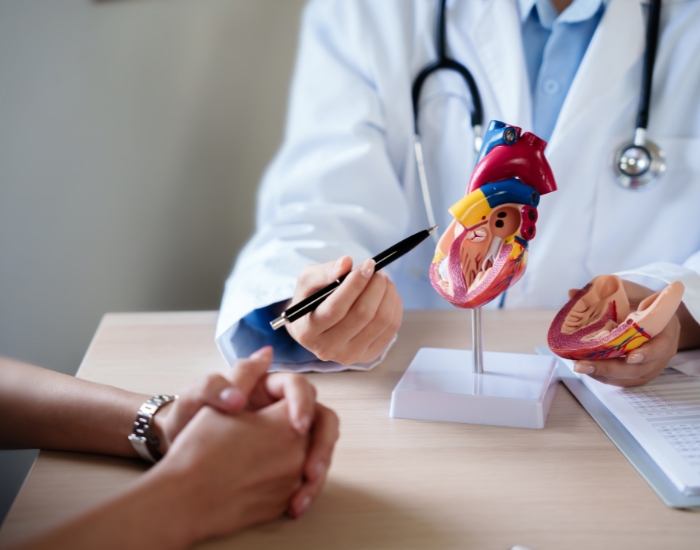
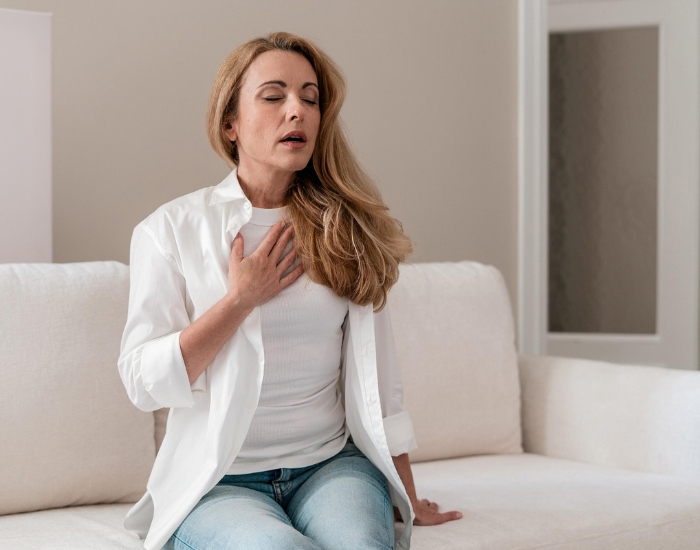
Shortness of breath while walking upstairs is usually caused by reduced fitness, heart strain, lung conditions, or blood pressure issues. While mild breathlessness during exertion can be normal, frequent or worsening symptoms may indicate an underlying heart or lung problem that should not be ignored.
This symptom is especially common in adults living in hot and humid regions like Sugar Land and Katy, where dehydration, hypertension, and heart-related conditions are more prevalent.

Notes:
In this blog, you will learn the most common causes of shortness of breath while climbing stairs, how to recognize heart-related warning signs, and when to seek medical evaluation.
What Does Shortness of Breath Mean?
Shortness of breath, also known as dyspnea, is the uncomfortable feeling of not getting enough air during breathing. It can happen during exercise, walking upstairs, or even at rest in more serious cases.
Your heart and lungs work together to supply oxygen. When either system is strained, breathing becomes more difficult, especially during physical activity like climbing stairs.
Why Do I Get Short of Breath Walking Upstairs?
Walking upstairs increases oxygen demand. If your body cannot meet this demand efficiently, you may feel breathless.
This can happen due to poor fitness, excess weight, dehydration, anemia, lung disease, or heart conditions such as weak heart function or high blood pressure.
Common Causes of Shortness of Breath
1. Poor physical fitness
Lack of exercise reduces your body’s ability to use oxygen efficiently, leading to breathlessness during activity.
2. Heart-related conditions
Conditions like heart failure, heart enlargement, or uncontrolled hypertension can reduce pumping efficiency and cause exertional breathlessness.
3. Lung problems
Asthma, bronchitis, or infections can reduce airflow and oxygen exchange.
4. Anemia
Low red blood cell levels reduce oxygen supply to muscles and organs.
5. Weight and lifestyle factors
Excess weight increases oxygen demand, making stairs more difficult.
Heart-Related vs Normal Breathlessness
| Feature | Normal Breathlessness | Heart-Related Breathlessness |
|---|---|---|
| When it occurs | Only during intense activity | Even with mild exertion |
| Recovery | Quick recovery with rest | Slow or incomplete recovery |
| Associated symptoms | Mild fatigue | Chest tightness, dizziness, swelling |
| Pattern | Stable over time | Progressively worsening |
| Risk level | Low | May indicate heart disease |
Notes:
This section helps you distinguish between normal exertion-related breathlessness and symptoms that may indicate heart disease or other medical conditions.
Warning Signs You Should Not Ignore
- Chest pain or pressure during activity
- Swelling in legs or ankles
- Rapid or irregular heartbeat
- Dizziness or fainting
- Severe fatigue with minimal exertion
These symptoms may indicate conditions such as heart failure, heart enlargement, or uncontrolled hypertension.
Comparison of Possible Causes
| Condition | Typical Symptoms | Other Signs |
|---|---|---|
| Fitness-related | Breathless only during exercise | Normal at rest |
| Heart failure | Breathless even at rest or mild activity | Swelling, fatigue, weight gain |
| Hypertension | Exertional breathlessness | Headaches, chest discomfort |
| Lung disease | Breathlessness with wheezing | Cough and reduced oxygen intake |
When It Becomes Serious
Shortness of breath becomes concerning when it is new, worsening, or affecting daily activities.
You should seek medical care if it occurs at rest or is associated with chest pain, confusion, or fainting.
People in Sugar Land and Katy with risk factors such as high blood pressure or heart disease should take these symptoms seriously.
Diagnosis and Evaluation
Doctors may use physical examination, ECG, chest X-ray, blood tests, and stress testing to evaluate the cause of breathlessness.
These tests help determine whether symptoms are related to heart, lung, or blood conditions.
Management and Treatment Options
Lifestyle improvements
- Regular walking or light cardio exercise
- Weight control
- Healthy diet
- Hydration
Medical treatment
- Blood pressure management
- Heart function medications
- Lung treatments if needed
- Iron supplements for anemia
Prevention Tips
- Stay physically active
- Monitor blood pressure regularly
- Avoid smoking and pollution exposure
- Maintain healthy body weight
- Manage stress levels
When to See a Heart Specialist
If you frequently experience shortness of breath while walking upstairs, it may indicate an underlying cardiovascular condition such as weak heart function, heart enlargement, or hypertension.
Advanced Cardiology TX provides advanced evaluation for patients with unexplained breathing difficulty and exertional symptoms.
Patients in Sugar Land and Katy benefit from specialized cardiac testing, accurate diagnosis, and personalized treatment plans designed to detect heart disease early.
Frequently Asked Questions
Why do I get short of breath walking upstairs?
Your body needs more oxygen during exertion, and reduced heart or lung efficiency can cause breathlessness.
Is it normal to get out of breath on stairs?
Mild breathlessness can be normal, but frequent or worsening symptoms should be checked.
Can heart problems cause breathlessness?
Yes, heart failure, hypertension, and heart enlargement can all cause shortness of breath.
When should I worry about shortness of breath?
If it occurs at rest or comes with chest pain, dizziness, or fainting, seek medical care.
Can lack of fitness cause breathlessness?
Yes, poor fitness is one of the most common causes.
Final Thoughts
Shortness of breath while walking upstairs is often harmless but can also be an early warning sign of heart or lung disease. Monitoring symptoms and seeking timely evaluation is important, especially if symptoms worsen over time.
In regions like Sugar Land and Katy, where cardiovascular conditions are common, early diagnosis can make a major difference in treatment outcomes.
Disclaimer
This article is for educational purposes only and does not replace professional medical advice. Always consult a qualified healthcare provider for diagnosis and treatment.