
Cardiologist Serving Katy, Sugar Land, Greater Houston
Heart Failure Care
Ejection fraction (EF) is the percentage of blood the heart’s main pumping chamber pushes out with each beat. A normal EF is roughly 55% to 70%. Being told your EF is 40%, 35%, or lower means the heart muscle is weakened, and it is one of the most important findings in cardiology, because a low EF is treatable and, for many patients, partly or fully reversible with the right medications started early. At Advanced Cardiology, Adnan Khalid, MD, whose listed specialties include advanced heart failure and transplant cardiology, evaluates the cause of a reduced ejection fraction and builds the treatment plan that gives the heart its best chance to recover.
Patients are seen at our Katy and Sugar Land offices; if you have a new low-EF result, mention it when you call so our office can help with timing.
Board-Certified Cardiologist • Katy & Sugar Land • New Patients Welcome
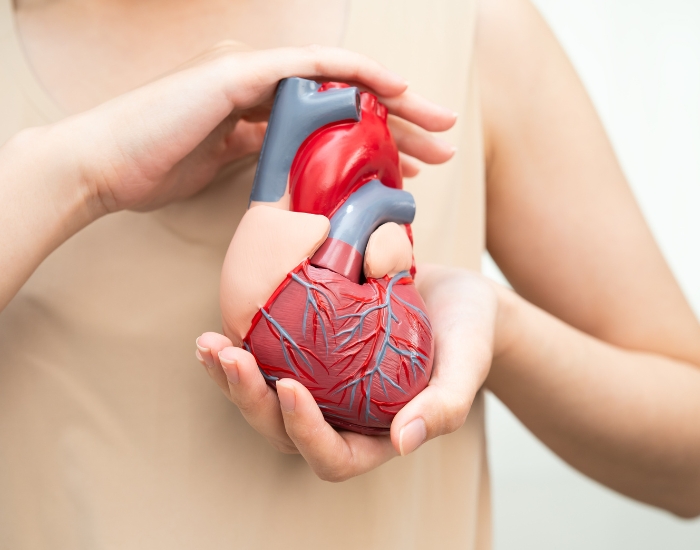
Dr. Khalid reviews your symptoms, history and test results himself
Visits in Katy and Sugar Land
Catheter and device procedures at an affiliated hospital
Office follow-up on medicines and risk factors
Important Safety Information
Call 911 if you are short of breath at rest, cannot lie flat without gasping, are coughing up pink or frothy sputum, faint or nearly faint, or have a rapid heartbeat with lightheadedness. Also call 911 for chest pain, pressure, or discomfort that lasts more than a few minutes or comes and goes; discomfort in the arms, back, neck, jaw, or stomach; or a cold sweat or nausea, and for possible stroke signs such as face drooping, arm weakness, or speech difficulty, even if they go away. If you are unsure, call 911.
Rapid weight gain of several pounds in a few days with worsening swelling or breathlessness in someone with a known low EF needs prompt medical attention: call our office right away or follow the heart failure action plan from your care team. Office messages and appointment requests are not for emergencies. This page is for stable patients who have been told their ejection fraction is reduced.
Understanding Your Result
With each beat, the left ventricle fills with blood and then squeezes. Ejection fraction is the fraction it pushes out. An EF of 60% means 60% of the blood in the chamber leaves with each beat, which is normal; the chamber never empties completely, even in a healthy heart. An EF of 40% means the muscle is squeezing less effectively, and an EF of 25% means it is squeezing much less effectively.
EF is measured most often by echocardiogram, and also by cardiac MRI, nuclear scans, or during a catheterization. Different methods can give slightly different numbers, and the same echo read by two people can vary by a few points, so a single reading of 50% versus 55% is rarely meaningful on its own. A trend over time, and the symptoms that go with it, matter more.
A low EF is the defining feature of heart failure with reduced ejection fraction (HFrEF). Not everyone with a low EF feels sick, and some are diagnosed by chance on an echo done for another reason. That is fortunate, because the medications that improve a low EF work best when started before symptoms become severe.

When to Seek Evaluation
Every newly discovered low EF should be evaluated by a cardiologist promptly. The timing matters because early treatment changes the outcome. See a cardiologist when:
Patients whose EF was low in the past and has recovered still benefit from follow-up, because the underlying tendency remains and medications are usually continued.
Symptoms & Findings
Symptoms develop gradually and are easy to blame on age or fitness. These are the ones that point to the heart.
Breathlessness climbing stairs or walking briskly, progressing to breathlessness with less and less activity, is the hallmark symptom.
Needing extra pillows, or waking at night gasping for air, can mean fluid is backing up into the lungs when you lie down.
Swelling in the ankles and legs, bloating, and rapid weight gain reflect fluid the weakened heart cannot keep moving.
Muscles starved of blood flow tire quickly. Many patients notice this before any breathlessness.
A weakened heart is prone to atrial fibrillation and ventricular arrhythmias, felt as a racing, irregular, or skipping heartbeat.
Many patients with a moderately reduced EF feel well. The number is found on an echo done for another reason, and that is the best time to start treatment.

Meet Your Cardiologist
Adnan Khalid, MD is a board-certified cardiologist who completed his cardiology fellowship at the University of Missouri–Kansas City School of Medicine; his listed specialties include cardiovascular disease, interventional cardiology, and advanced heart failure and transplant cardiology. A reduced ejection fraction is the core problem that subspecialty exists to treat, from the first abnormal echo through the full range of medications, devices, and, for the small number who need it, advanced therapies.
Dr. Khalid’s approach has two parts that run in parallel: finding out why the heart is weak, because some causes are reversible, and starting the guideline-directed medications that improve survival and can help the heart recover regardless of cause. Those medications are introduced and increased in steps over weeks, and he follows patients closely through that process. When the heart is weak because of blocked arteries, his interventional cardiology background informs the decision about whether opening them would help.
Possible Causes
A weak heart muscle is the end result of many different injuries. Identifying which one applies to you shapes both treatment and the likelihood of recovery.
The most common cause in the United States. A heart attack leaves scar that cannot contract; ongoing narrowing starves muscle that could recover if blood flow were restored. Distinguishing scar from “hibernating” muscle is one of the key questions in the evaluation. Learn more about cardiovascular disease.
Years of pumping against high pressure, or against a narrowed aortic valve, eventually exhaust the muscle. A leaking mitral or aortic valve overloads it with volume. Treating the pressure or the valve can allow recovery.
Dilated cardiomyopathy can follow a viral infection, pregnancy (peripartum cardiomyopathy), heavy alcohol use, certain chemotherapy drugs, or an inherited gene. Some have no identifiable cause. Many improve substantially with medication.
A persistently fast heart rate from atrial fibrillation or very frequent PVCs can weaken the heart over months. This tachycardia-induced cardiomyopathy often improves once the rhythm is controlled (see PVCs).
Thyroid disease, sleep apnea, iron overload, sarcoidosis, amyloidosis, and other infiltrative conditions are less common but important to recognize because each has specific treatment.
Your Evaluation
The evaluation confirms the number, searches for the cause, and establishes how much the weak heart is affecting you, all while treatment begins.
Dr. Khalid reviews the original echocardiogram images, when available, rather than the report alone. If the study was limited or the number is borderline, a repeat echo or cardiac MRI gives a more reliable measurement.
He asks about breathlessness, swelling, exercise tolerance, and sleep; about prior heart attack, blood pressure, diabetes, alcohol use, chemotherapy, pregnancy, and viral illnesses; and about family history of cardiomyopathy or sudden death. Every medication is reviewed, since some can weaken the heart or worsen fluid retention.
The exam checks blood pressure, heart rate and rhythm, neck veins, lung sounds, and leg swelling. An EKG looks for prior heart attack, conduction disease, and rhythm problems. Blood tests include BNP, kidney and liver function, thyroid, iron studies, and a blood count.
Coronary artery disease is evaluated in most patients with stress testing, CT angiography, or cardiac catheterization, which is performed in a hospital. Rhythm monitoring identifies a fast rate or frequent PVCs that could be driving the weakness. Cardiac MRI is coordinated when the cause remains unclear or an infiltrative disease is suspected.
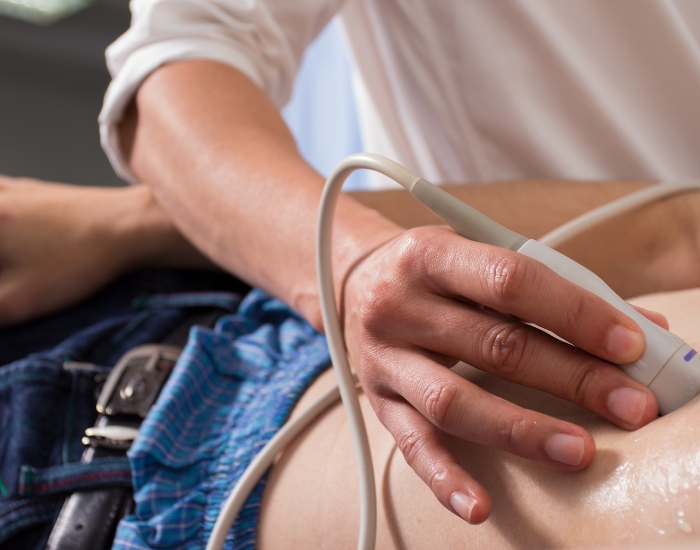
Cardiac Testing
Testing measures the heart, looks for a cause, and later tracks recovery. Not every patient needs every test.
The primary tool for measuring EF, chamber size, wall motion, and valve function, and for tracking improvement after treatment. Performed or arranged by our office.
BNP or NT-proBNP gauges strain on the heart; kidney, liver, thyroid, iron, and blood count tests find contributors and guide medication choices.
Identifies prior heart attack, conduction delay that may qualify for a resynchronization device, and rhythm problems. Monitoring adds rate and PVC data over days.
Stress testing, coronary CT angiography, or hospital-based cardiac catheterization helps determine whether blocked arteries are the cause and whether opening them could help. Coordinated at an outside facility or hospital.
Often considered the most accurate EF measurement, and very useful for detecting scar, inflammation, and infiltrative diseases when the cause is unclear. Coordinated at an imaging center.
A sleep study for suspected apnea, or genetic testing when a family pattern suggests an inherited cardiomyopathy, is arranged when the history calls for it.
Management
A reduced EF is one of the most treatable serious conditions in cardiology. Four classes of medication, used together and increased to target doses, improve survival, reduce hospitalizations, and raise the EF in a large share of patients: a beta blocker, an ARNI or ACE inhibitor/ARB, a mineralocorticoid receptor antagonist, and an SGLT2 inhibitor. Diuretics control fluid but do not change the course of the disease.
These medications are started at low doses and stepped up over several weeks, with blood pressure, kidney function, and potassium checked along the way. Dr. Khalid follows patients closely through this phase, because reaching the right doses is what produces the benefit. The EF is rechecked, usually after three to six months of optimized therapy.
The underlying cause is treated at the same time: revascularization when blocked arteries are responsible, rhythm control for a fast rate or frequent PVCs, valve treatment when a valve is the driver, and treatment of thyroid, sleep apnea, or alcohol use. Salt and fluid guidance, daily weights, and a structured activity plan are part of every visit.
For patients whose EF remains 35% or below despite optimized medication, an implantable defibrillator or a resynchronization pacemaker may be recommended and coordinated with an electrophysiologist. A small number progress to advanced therapies, and Dr. Khalid’s background in advanced heart failure and transplant cardiology helps him recognize when referral for advanced therapies should be considered. Do not start, stop, or skip any heart failure medicine, including diuretics and SGLT2 inhibitors, on your own; follow the specific instructions from your care team. See also heart failure treatment.
Your Visit
Ask for the echocardiogram images and report to be sent ahead, and bring any prior heart test results, hospital discharge summaries, and a complete medication list with doses. Note your usual weight and any recent change, and how far you can walk before stopping.
The visit includes the history, an examination, an EKG, and blood tests. Dr. Khalid will explain what your EF means, what the most likely cause is, which tests are needed to confirm it, and whether medications should be started or adjusted. When medications are started, you will receive a plan for increasing them step by step.
Follow-up visits over the next few months adjust the doses, review test results, and address the cause. A repeat echocardiogram then shows how the heart has responded.
Katy Cardiology Care
Patients from Katy, Cinco Ranch, Fulshear, and West Houston visit Dr. Khalid at our Katy office after an echocardiogram, often ordered for breathlessness or a murmur, reported a reduced EF. Others come after a hospital stay for heart failure, or after a heart attack, to establish ongoing care close to home.
EKGs are performed in the office; echocardiography and laboratory testing are performed or arranged by our office, and heart failure medications are started and adjusted here with the close follow-up that phase requires. Coronary evaluation, cardiac MRI, and device evaluation are coordinated with area hospitals. For other services at this location, see cardiology care in Katy.
Advanced Cardiology – Katy
410 W Grand Pkwy S Ste 4D
Katy, TX 77494
Phone: (713) 258-6111
Advanced Cardiology – Sugar Land
7102 Tarrington Ave Suite 505
Sugar Land, TX 77479
Phone: (713) 258-6111
Sugar Land Cardiology Care
At our Sugar Land office, Dr. Khalid cares for patients from Sugar Land, Richmond, Rosenberg, Missouri City, and Stafford with a newly reduced EF or long-standing heart failure. Many patients with a low EF also have diabetes, high blood pressure, or prior coronary disease, and some are taking only one or two of the four medication classes that improve survival; bringing therapy up to guideline doses is often the first and most important step.
EKGs are performed in the office; echocardiography and laboratory monitoring are performed or arranged by our office, and coronary evaluation, cardiac MRI, and device referral are coordinated. If you were recently discharged from a hospital for heart failure, tell our office when you call, because an early follow-up visit after discharge is generally recommended. Learn more about cardiology care in Sugar Land.
Serving Greater Houston
Patients come to the Katy and Sugar Land offices from across Greater Houston, including Cypress, Richmond, Rosenberg, Fulshear, and West Houston, for heart failure and reduced ejection fraction care. Both offices offer the same physician and the same approach; choose the one that is easier to reach, and the scheduling team can help if you are unsure.
Patient-Centered Cardiology
Listed specialty in advanced heart failure and transplant cardiology, the field dedicated to weakened hearts, from first diagnosis through advanced therapies.
All four survival-improving medication classes are considered and increased toward target doses as tolerated, with close monitoring along the way.
Reversible causes such as blocked arteries, fast rhythms, and valve disease are searched for and treated, not just managed around.
You understand what your EF means, what each medication does, and what weight or symptom changes should prompt a call.
Offices in Katy and Sugar Land serving surrounding Greater Houston communities.
New patients are welcome. Most major insurance plans are accepted, subject to eligibility and coverage verification.
Common Questions
Call our office and our staff will help with appointments, referrals and insurance.
A normal ejection fraction is about 55% to 70%. An EF of 41% to 49% is mildly reduced, and 40% or below defines heart failure with reduced ejection fraction. The chamber never empties completely, so 100% is not the goal; 60% is a healthy heart.
An EF of 40% means the heart is pumping out less blood with each beat than it should, which meets the definition of reduced ejection fraction. It is not an emergency in itself, but it is a signal to find the cause and start the medications that help the heart recover. Many patients at this level feel well and improve substantially with treatment.
Often, yes. With the four guideline-directed medication classes taken at target doses, and treatment of the underlying cause, a large share of patients see their EF rise, and some return to the normal range. Improvement is usually assessed with a repeat echocardiogram after three to six months. Recovery is more likely when treatment starts early.
Common causes include a prior heart attack or blocked coronary arteries, long-standing high blood pressure, valve disease, a persistently fast heart rhythm, viral infection, heavy alcohol use, certain chemotherapy drugs, pregnancy, and inherited cardiomyopathy. Some cases have no identifiable cause.
Shortness of breath with activity or when lying flat, fatigue, swelling in the legs, rapid weight gain, and palpitations are typical. Many people with a moderately reduced EF have no symptoms at all and are diagnosed on an echocardiogram done for another reason.
Four classes of medication improve survival and help the heart recover: a beta blocker, an ARNI (or ACE inhibitor/ARB), a mineralocorticoid receptor antagonist, and an SGLT2 inhibitor. They are started at low doses and increased over weeks. Diuretics control fluid and symptoms but do not change the course of the disease.
Not necessarily. An implantable defibrillator is considered when the EF remains 35% or below after at least three months of optimized medication, because that level carries a higher risk of dangerous rhythms. Some patients improve above that threshold with treatment and never need a device.
Yes, and it is encouraged. Regular moderate activity improves symptoms and quality of life in heart failure. Your cardiologist will advise on intensity, and cardiac rehabilitation programs provide supervised exercise for patients who qualify. Avoid strenuous exertion until your treatment has been established and you have been cleared.
Keep Reading
Related services: Heart Failure Treatment • Advanced Heart Failure & Transplant Cardiology • Echocardiography • ICD & Pacemaker Implants • Leg & Ankle Swelling • PVCs
Sources: NHLBI: Heart failure • NHLBI: Cardiomyopathy • MedlinePlus: Heart failure • American Heart Association: Heart attack warning signs
Your cardiologist: Adnan Khalid, MD
Cardiology Appointments
If you have been told your ejection fraction is low, the weeks after that news are the ones that matter most. Early, complete treatment gives the heart its best chance to recover. Adnan Khalid, MD welcomes new patients at Advanced Cardiology’s Katy and Sugar Land offices.
Katy: 410 W Grand Pkwy S Ste 4D, Katy, TX 77494
Sugar Land: 7102 Tarrington Ave Suite 505, Sugar Land, TX 77479
Shortness of breath at rest, inability to lie flat, chest pain, or fainting can be an emergency. Call 911.
Katy & Sugar Land Cardiologist
Advanced Cardiology welcomes new patients at its offices in Katy and Sugar Land. Call our office or send an appointment request, and our staff will follow up.
Most major insurance plans accepted; coverage is verified individually.
For possible heart attack or stroke symptoms, call 911.
Need Consultation / Appointment