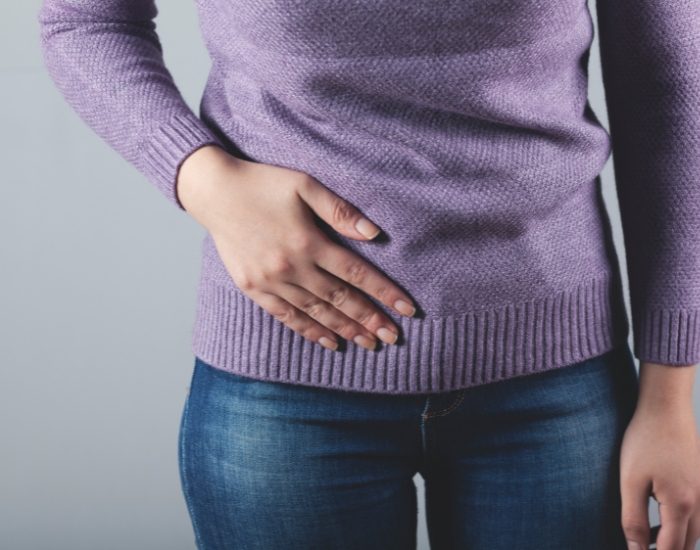
Heart attack symptoms in women are often very different from the classic symptoms many people expect. While severe crushing chest pain is commonly associated with heart attacks, many women experience much more subtle warning signs that may easily be mistaken for anxiety, acid reflux, exhaustion, indigestion, muscle strain, or stress. Because symptoms are frequently overlooked or misinterpreted, women sometimes delay seeking emergency medical care, increasing the risk of severe heart damage and life-threatening complications.
Many women describe symptoms as unusual fatigue, chest pressure, nausea, dizziness, shortness of breath, upper back pain, jaw discomfort, or flu-like weakness rather than dramatic chest pain. Others experience only mild symptoms that gradually worsen over several hours or days before a major cardiac emergency develops.
Because symptoms may appear vague or unrelated to the heart, many individuals search online for phrases such as “what does a heart attack feel like in women,” “female heart attack symptoms,” “jaw pain heart attack women,” or “silent heart attack symptoms in women.” Understanding these warning signs is extremely important because early diagnosis and treatment can significantly improve survival and long-term heart health.
Table of Contents
- What Is a Heart Attack?
- What Does a Heart Attack Feel Like in Women?
- Heart Attack Symptoms in Women
- Female Heart Attack Symptoms
- Chest Pressure in Women
- Fatigue and Heart Attack Symptoms
- Shortness of Breath Heart Symptoms
- Jaw Pain Heart Attack Women
- Silent Heart Attack Symptoms in Women
- Why Women’s Symptoms Are Often Missed
- Women Heart Disease Symptoms
- Warning Signs You Should Never Ignore
- How Cardiologists Diagnose Heart Attacks
- Treatment Options for Heart Attacks
- Lifestyle Changes for Long-Term Heart Health
- Preventing Heart Disease in Women
- Frequently Asked Questions
- Advanced Cardiology in Katy, Sugar Land, and Houston
- Final Discussion
- Disclaimer
What Is a Heart Attack?
A heart attack occurs when blood flow to part of the heart muscle becomes blocked or severely reduced. Most heart attacks develop because cholesterol plaque builds up within coronary arteries, limiting blood circulation to the heart.
When oxygen-rich blood cannot reach the heart muscle properly, heart tissue begins becoming damaged.
Without emergency treatment, heart attacks may lead to:
- Permanent heart damage
- Heart failure
- Dangerous arrhythmias
- Stroke
- Sudden cardiac arrest
- Death
Heart attacks require immediate medical attention because rapid treatment greatly improves survival and recovery outcomes.
What Does a Heart Attack Feel Like in Women?
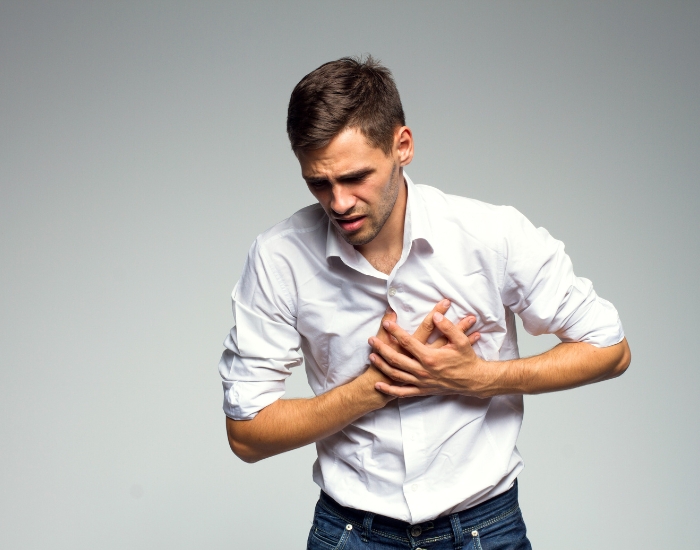
Many women do not experience the dramatic crushing chest pain often shown in movies or television. Instead, symptoms may feel mild, unusual, or unrelated to the heart.
Women often describe heart attack symptoms as:
- Pressure in chest
- Tightness or heaviness
- Extreme fatigue
- Sudden weakness
- Nausea
- Dizziness
- Shortness of breath
- Upper back pain
- Jaw pain
- Flu-like discomfort
Some women feel symptoms gradually worsening over several hours or days before realizing something serious is happening.
Others experience silent or mild heart attacks with symptoms that are barely noticeable.
Because symptoms vary significantly between individuals, women should never ignore unusual chest discomfort or sudden unexplained fatigue.
Important Note: Heart attack symptoms in women may occur without severe chest pain. Unusual fatigue, jaw pain, nausea, dizziness, or shortness of breath may all be warning signs of serious cardiovascular disease.
Heart Attack Symptoms in Women
Heart attack symptoms in women may differ greatly from symptoms commonly experienced by men.
Common symptoms include:
- Chest pressure or heaviness
- Fatigue
- Shortness of breath
- Nausea or vomiting
- Upper back pain
- Neck pain
- Jaw discomfort
- Sweating
- Dizziness
- Weakness
Symptoms may appear suddenly or gradually.
Some women experience symptoms only during physical activity, while others develop symptoms while resting or sleeping.
Women with diabetes may experience fewer pain symptoms due to nerve damage affecting sensation.
Female Heart Attack Symptoms
Female heart attack symptoms are sometimes more difficult to recognize because they may resemble common non-cardiac conditions.
Women frequently mistake symptoms for:
- Anxiety
- Stress
- Acid reflux
- Indigestion
- Fatigue
- Muscle strain
- Menopause symptoms
This often delays emergency treatment.
Female heart attack symptoms may include:
- Unusual exhaustion
- Chest tightness
- Difficulty breathing
- Lightheadedness
- Nausea
- Cold sweats
- Pressure between shoulder blades
- Sudden weakness
Even mild symptoms should never be ignored when they appear unexpectedly or worsen over time.
Chest Pressure in Women
Chest pressure in women may feel different from sharp chest pain.
Patients commonly describe symptoms as:
- Tightness in chest
- Heavy sensation
- Pressure or squeezing
- Burning discomfort
- Fullness in chest
- Mild chest ache
Some women experience pressure spreading toward the neck, jaw, shoulders, or upper back.
Chest pressure may worsen during activity because the heart requires increased oxygen during physical exertion.
Persistent chest pressure should always be medically evaluated.
Fatigue and Heart Attack Symptoms
Fatigue and heart attack symptoms commonly occur together in women.
Many women report:
- Sudden exhaustion
- Reduced stamina
- Difficulty performing routine activities
- Needing excessive rest
- Feeling weak without explanation
Fatigue may develop days or even weeks before a major cardiac event.
Extreme fatigue occurring together with chest discomfort, nausea, or shortness of breath should always be taken seriously.
Shortness of Breath Heart Symptoms
Shortness of breath heart symptoms may occur even without severe chest pain.
Women may notice:
- Difficulty breathing during activity
- Shortness of breath climbing stairs
- Chest tightness while breathing
- Fatigue with mild activity
- Trouble breathing while lying down
Breathing difficulty may result from reduced oxygen circulation due to blocked coronary arteries or weakened heart function.
Cardiology evaluation becomes especially important when breathing problems occur unexpectedly.
Short Medical Note: Sudden fatigue, shortness of breath, chest pressure, or dizziness in women may represent early warning signs of heart attack even without severe chest pain.
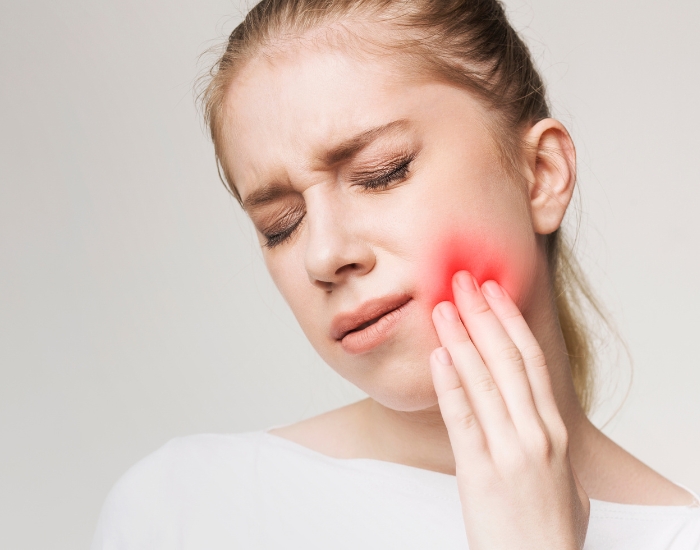
Jaw Pain Heart Attack Women
Jaw pain heart attack women symptoms are frequently overlooked because many people do not associate jaw discomfort with cardiovascular disease.
Heart-related jaw pain may:
- Feel dull or aching
- Spread from chest toward jaw
- Occur together with nausea or sweating
- Develop during physical activity
- Appear suddenly without dental problems
Women may also experience pain in the:
- Neck
- Upper back
- Shoulders
- Arms
Jaw discomfort should never be ignored when associated with chest symptoms or breathing difficulty.
Silent Heart Attack Symptoms in Women
Silent heart attack symptoms in women may be extremely subtle or even unnoticed completely.
Women may experience:
- Mild fatigue
- Mild nausea
- Lightheadedness
- Mild chest discomfort
- Reduced energy
- Mild breathing difficulty
Some women only discover they experienced a previous heart attack during later cardiovascular testing.
Silent heart attacks may still cause permanent heart damage even when symptoms seem minor.
Why Women’s Symptoms Are Often Missed
Heart attack symptoms in women are often missed because symptoms may appear less dramatic or less “typical” compared to men.
Several factors contribute to delayed diagnosis:
- Symptoms resembling indigestion
- Mild chest discomfort instead of severe pain
- Fatigue mistaken for stress
- Anxiety-like symptoms
- Delayed emergency care
- Misinterpretation of symptoms
Because heart disease remains one of the leading causes of death among women, awareness of female heart attack symptoms is extremely important.
Women Heart Disease Symptoms
Women heart disease symptoms may develop gradually before a heart attack occurs.
Possible warning signs include:
- Fatigue
- Chest tightness
- Dizziness
- Palpitations
- Breathing difficulty
- Swelling in legs
- Reduced exercise tolerance
- Upper back discomfort
Preventive cardiology evaluations can help identify cardiovascular disease before severe complications develop.
Warning Signs You Should Never Ignore
Certain symptoms strongly suggest the need for emergency medical care.
Seek Emergency Care Immediately If You Experience:
- Chest pressure or heaviness
- Sudden shortness of breath
- Severe fatigue with chest discomfort
- Jaw pain with nausea
- Sweating with chest symptoms
- Dizziness or fainting
- Pain spreading toward arm or back
- Rapid heartbeat
- Severe weakness
Delaying treatment may increase the risk of permanent heart damage or sudden cardiac death.
How Cardiologists Diagnose Heart Attacks
Cardiologists use advanced testing to diagnose heart attacks and cardiovascular disease.
Common Diagnostic Tests Include:
Electrocardiogram (EKG)
Measures electrical activity of the heart.
Blood Tests
Can identify heart muscle damage.
Echocardiogram
Evaluates heart structure and pumping ability.
Stress Testing
Measures heart performance during exercise.
Cardiac Catheterization
Used to identify blocked coronary arteries.
Coronary Calcium Scan
Helps identify plaque buildup within arteries.
Early diagnosis greatly improves treatment outcomes.
Treatment Options for Heart Attacks
Treatment focuses on restoring blood flow and preventing further heart damage.
Common Treatments Include:
- Emergency medications
- Coronary angioplasty and stenting
- Blood pressure control
- Cholesterol management
- Cardiac rehabilitation
- Lifestyle improvements
- Smoking cessation
- Diabetes management
Early treatment significantly improves survival rates and long-term recovery.
Lifestyle Changes for Long-Term Heart Health
Lifestyle improvements play a major role in reducing heart disease risk.
Helpful Lifestyle Habits Include:
- Heart-healthy diet
- Regular exercise
- Blood pressure monitoring
- Cholesterol management
- Weight control
- Stress reduction
- Smoking cessation
- Diabetes management
- Quality sleep
- Routine cardiology evaluations
Preventive care remains one of the most effective ways to protect long-term cardiovascular health.
Preventing Heart Disease in Women
Preventive cardiology is especially important for women with cardiovascular risk factors.
Major Risk Factors Include:
- High blood pressure
- Diabetes
- Smoking
- Obesity
- High cholesterol
- Family history of heart disease
- Sedentary lifestyle
- Chronic stress
Early screening and lifestyle improvements may significantly reduce future cardiovascular complications.
Frequently Asked Questions
What does a heart attack feel like in women?
Women may experience chest pressure, fatigue, shortness of breath, nausea, jaw pain, dizziness, or upper back discomfort rather than severe chest pain.
What are female heart attack symptoms?
Female heart attack symptoms commonly include chest heaviness, fatigue, nausea, dizziness, shortness of breath, sweating, and jaw pain.
Can women have heart attacks without chest pain?
Yes. Many women experience heart attacks with mild or no chest pain at all.
What are silent heart attack symptoms in women?
Symptoms may include mild fatigue, nausea, weakness, breathing difficulty, or mild chest discomfort.
Is jaw pain a heart attack symptom in women?
Yes. Jaw pain may occur during heart attacks, particularly when associated with chest pressure or nausea.
Why are heart attack symptoms in women different?
Women often experience more subtle symptoms due to differences in cardiovascular disease patterns and symptom presentation.
When should women seek emergency care for heart symptoms?
Women should seek emergency care immediately for chest pressure, breathing difficulty, severe fatigue, jaw pain, dizziness, or sudden weakness.
Advanced Cardiology in Katy, Sugar Land, and Houston
At Advanced Cardiology, patients receive comprehensive cardiovascular evaluations focused on identifying early warning signs of heart disease, chest pressure, fatigue, shortness of breath, dizziness, palpitations, and female heart attack symptoms. Serving Katy, Sugar Land, Houston, and surrounding communities, the clinic provides advanced heart testing, echocardiography, stress testing, rhythm monitoring, preventive cardiology, and interventional cardiology services designed to improve long-term cardiovascular health. Dr. Adnan Khalid and the Advanced Cardiology team remain committed to helping patients reduce future risks of heart attack, stroke, heart failure, and vascular disease through compassionate, evidence-based care.
Final Discussion
Heart attack symptoms in women are often subtle, confusing, and easy to overlook. Many women experience unusual fatigue, nausea, jaw pain, shortness of breath, dizziness, or chest pressure rather than dramatic chest pain. Because symptoms may appear mild or resemble anxiety, acid reflux, or stress, women sometimes delay seeking emergency medical attention, increasing the risk of severe heart damage and long-term complications.
Understanding what a heart attack feels like in women may help patients recognize warning signs earlier and seek immediate treatment before symptoms become life-threatening. Preventive cardiology evaluations, blood pressure management, healthy lifestyle habits, cholesterol control, and awareness of female heart disease symptoms all play important roles in protecting long-term cardiovascular health. Women experiencing unusual fatigue, chest heaviness, jaw discomfort, breathing difficulty, or sudden weakness should consult qualified medical professionals for comprehensive cardiovascular evaluation and personalized treatment recommendations.
Disclaimer
This article is for educational purposes only and is not medical advice or diagnosis. Symptoms such as chest pressure, shortness of breath, dizziness, jaw pain, or severe fatigue may indicate serious medical emergencies requiring urgent evaluation. If you experience symptoms suggestive of a heart attack, seek emergency medical care immediately.