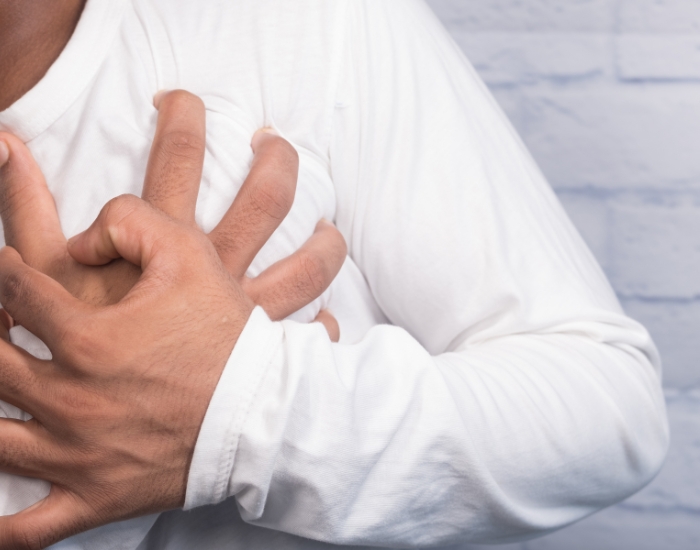
Dehydration can affect the body much more seriously than many people realize. While most individuals associate dehydration with thirst or dry mouth, severe fluid loss may also lead to dizziness, weakness, chest discomfort, rapid heartbeat, fatigue, breathing difficulty, and even dangerous cardiovascular complications. In some situations, dehydration may place additional strain on the heart and circulation system, causing symptoms that resemble heart-related emergencies.
Many individuals become alarmed when they experience chest pain and dizziness together, especially during hot weather, illness, exercise, fasting, vomiting, diarrhea, or prolonged physical activity. Some people describe symptoms as chest tightness, lightheadedness, weakness, heart palpitations, rapid heartbeat, or feeling faint. Others experience blurry vision, confusion, nausea, sweating, muscle cramps, or severe fatigue.
Because dehydration can significantly affect blood pressure, blood circulation, and heart function, many people search online for phrases such as “can dehydration cause chest pain and dizziness,” “dehydration chest pain,” “dizziness from dehydration,” or “can dehydration affect the heart.” Understanding how dehydration impacts the cardiovascular system may help patients recognize dangerous warning signs early and seek appropriate medical care before complications become severe.
Table of Contents
- What Is Dehydration?
- Can Dehydration Cause Chest Pain and Dizziness?
- How Dehydration Affects the Heart
- Dehydration Chest Pain
- Dizziness From Dehydration
- Chest Tightness Dehydration Symptoms
- Weakness and Dehydration
- Can Dehydration Affect the Heart?
- Signs of Severe Dehydration
- Chest Pain and Lightheadedness
- Dehydration Emergency Symptoms
- When Symptoms May Be Heart-Related
- How Doctors Diagnose Dehydration and Chest Pain
- Treatment Options for Dehydration Symptoms
- Lifestyle Changes That May Help Prevent Dehydration
- When Should You Go to the ER?
- Frequently Asked Questions
- Advanced Cardiology in Katy, Sugar Land, and Houston
- Final Discussion
- Disclaimer
What Is Dehydration?
Dehydration occurs when the body loses more fluids than it takes in. Water and electrolytes such as sodium, potassium, and magnesium are essential for maintaining healthy circulation, heart function, blood pressure, muscle activity, and organ performance.
Dehydration may develop due to:
- Excessive sweating
- Hot weather
- Vomiting or diarrhea
- Fever
- Intense exercise
- Poor fluid intake
- Alcohol use
- Certain medications
- Chronic illnesses
Even mild dehydration may affect energy levels and blood circulation. Severe dehydration may become dangerous and require emergency medical treatment.
Common dehydration symptoms include:
- Dry mouth
- Extreme thirst
- Weakness
- Dizziness
- Fatigue
- Headache
- Rapid heartbeat
- Reduced urination
- Muscle cramps
The severity of symptoms depends on how much fluid and electrolyte loss occurs.
Important Note: Severe dehydration may affect blood pressure, heart function, and circulation, potentially leading to chest pain, dizziness, fainting, or dangerous cardiovascular complications.
Can Dehydration Cause Chest Pain and Dizziness?
Yes. Dehydration can absolutely cause chest pain and dizziness, especially when fluid loss significantly affects circulation and blood pressure.
When the body lacks adequate fluid, blood volume decreases. This forces the heart to work harder to circulate oxygen-rich blood throughout the body. Reduced circulation may lead to:
- Dizziness
- Weakness
- Chest tightness
- Rapid heartbeat
- Lightheadedness
- Fatigue
- Shortness of breath
In some individuals, dehydration may trigger symptoms that resemble heart-related emergencies, especially during extreme heat, exercise, illness, or prolonged fasting.
Symptoms may become worse:
- While standing quickly
- During exercise
- In hot weather
- During illness
- After vomiting or diarrhea
- With poor nutrition or hydration
Persistent chest pain and dizziness should always be medically evaluated because symptoms may also indicate cardiovascular disease.
How Dehydration Affects the Heart
The heart depends on proper fluid balance to maintain stable circulation and oxygen delivery throughout the body.
When dehydration occurs:
- Blood volume decreases
- Blood pressure may drop
- The heart beats faster
- Oxygen circulation becomes less efficient
- Electrolyte imbalance may develop
These changes may increase strain on the cardiovascular system.
Severe dehydration may contribute to:
- Rapid heartbeat
- Heart palpitations
- Chest discomfort
- Arrhythmias
- Dizziness
- Fainting
- Reduced exercise tolerance
Patients with existing heart disease may experience worsening symptoms during dehydration episodes.
Dehydration Chest Pain
Dehydration chest pain may feel like:
- Tightness in chest
- Pressure sensation
- Mild burning discomfort
- Sharp chest pain
- Muscle cramping near chest
Chest discomfort may occur because the heart must work harder during dehydration while circulation becomes less efficient.
Dehydration may also contribute to:
- Muscle strain
- Acid reflux
- Anxiety symptoms
- Reduced oxygen delivery
Although dehydration commonly causes chest discomfort, chest pain should never automatically be assumed harmless because cardiovascular emergencies may present similarly.
Dizziness From Dehydration
Dizziness from dehydration commonly develops when blood pressure drops due to reduced fluid volume.
Patients may experience:
- Lightheadedness
- Feeling faint
- Weakness
- Blurry vision
- Balance problems
- Fatigue
- Difficulty concentrating
Symptoms often worsen:
- While standing quickly
- During exercise
- In hot weather
- After prolonged illness
Severe dehydration may eventually cause fainting if circulation to the brain becomes insufficient.
Chest Tightness Dehydration Symptoms
Chest tightness dehydration symptoms may occur because fluid and electrolyte imbalances affect circulation and muscle function.
Patients may describe symptoms as:
- Pressure in chest
- Tight band sensation
- Heavy chest feeling
- Mild breathing difficulty
- Squeezing discomfort
Chest tightness together with dizziness or weakness may become more noticeable during physical activity because dehydration places additional strain on the cardiovascular system.
Short Medical Note: Chest tightness, rapid heartbeat, severe dizziness, or fainting during dehydration may indicate dangerous circulation or electrolyte abnormalities requiring urgent medical evaluation.
Weakness and Dehydration
Weakness and dehydration commonly occur together because fluid loss reduces circulation and oxygen delivery to muscles and organs.
Symptoms may include:
- Severe fatigue
- Muscle weakness
- Reduced stamina
- Difficulty walking
- Trembling
- Confusion
- Low energy
Electrolyte imbalance may worsen symptoms further, especially when potassium or sodium levels become abnormal.
Persistent weakness should never be ignored when accompanied by chest symptoms or dizziness.
Can Dehydration Affect the Heart?
Yes. Dehydration can affect the heart significantly, particularly in older adults and individuals with cardiovascular disease.
Possible cardiovascular effects include:
- Rapid heartbeat
- Irregular heartbeat
- Reduced blood pressure
- Increased heart strain
- Poor circulation
- Chest discomfort
- Dizziness
- Fainting
In severe cases, dehydration may worsen underlying heart disease or contribute to dangerous arrhythmias.
Individuals with heart failure, coronary artery disease, or high blood pressure should remain especially cautious about dehydration.
Signs of Severe Dehydration
Signs of severe dehydration should never be ignored because severe fluid loss may become life-threatening.
Common Severe Dehydration Symptoms Include:
- Extreme thirst
- Very dark urine
- Rapid heartbeat
- Severe dizziness
- Fainting
- Confusion
- Dry skin
- Chest pain
- Difficulty breathing
- Severe weakness
Children and older adults may become dehydrated more quickly than healthy younger adults.
Chest Pain and Lightheadedness
Chest pain and lightheadedness together may indicate dehydration, low blood pressure, arrhythmias, or cardiovascular disease.
Symptoms become more concerning when accompanied by:
- Sweating
- Rapid heartbeat
- Shortness of breath
- Weakness
- Nausea
- Fainting
Patients experiencing chest pain together with lightheadedness should seek prompt medical evaluation.
Dehydration Emergency Symptoms
Certain dehydration symptoms require emergency treatment.
Seek Emergency Care Immediately If You Experience:
- Severe chest pain
- Fainting
- Confusion
- Blue lips or fingertips
- Severe weakness
- Inability to keep fluids down
- Rapid worsening symptoms
- Severe shortness of breath
- Rapid heartbeat with dizziness
Emergency treatment may involve intravenous fluids, electrolyte correction, and cardiovascular monitoring.
When Symptoms May Be Heart-Related
Although dehydration commonly causes dizziness and weakness, some symptoms may suggest serious cardiovascular disease instead.
Cardiology evaluation becomes especially important when symptoms include:
- Chest pressure during activity
- Shortness of breath
- Jaw or arm pain
- Rapid irregular heartbeat
- Severe fatigue
- Swelling in legs
- Fainting episodes
Heart disease and dehydration may sometimes occur together, especially in older adults.
How Doctors Diagnose Dehydration and Chest Pain
Physicians use several diagnostic tools to determine whether symptoms involve dehydration, heart disease, or other medical conditions.
Common Diagnostic Tests Include:
Physical Examination
Evaluates hydration status and circulation.
Blood Pressure Testing
Identifies low blood pressure or cardiovascular instability.
Blood Tests
Can identify electrolyte imbalance, dehydration, infection, or heart damage.
Electrocardiogram (EKG)
Evaluates heart rhythm abnormalities.
Echocardiogram
Assesses heart structure and pumping function.
Urine Testing
Helps evaluate hydration levels and kidney function.
Accurate diagnosis is important because symptoms may overlap with cardiovascular emergencies.
Treatment Options for Dehydration Symptoms
Treatment depends on the severity and underlying cause of dehydration.
Common Treatments Include:
- Increased fluid intake
- Electrolyte replacement
- Intravenous fluids
- Rest
- Cooling measures
- Nutritional support
- Blood pressure stabilization
- Heart rhythm management if needed
Patients with severe symptoms may require emergency hospital treatment.
Lifestyle Changes That May Help Prevent Dehydration
Lifestyle habits play a major role in maintaining healthy hydration and circulation.
Helpful Habits Include:
- Drinking adequate water daily
- Avoiding excessive heat exposure
- Replacing electrolytes during exercise
- Limiting alcohol
- Monitoring fluid intake during illness
- Eating balanced meals
- Managing chronic medical conditions
- Monitoring blood pressure
- Seeking prompt treatment for vomiting or diarrhea
Preventive hydration becomes especially important during hot weather and physical activity.
When Should You Go to the ER?
Many people are unsure when dehydration symptoms become dangerous.
Go to the ER Immediately If You Experience:
- Severe chest pain
- Fainting
- Severe dizziness
- Confusion
- Rapid heartbeat
- Blue lips or skin
- Difficulty breathing
- Severe weakness
- Inability to stay awake
Emergency physicians can rapidly determine whether symptoms involve dehydration, heart disease, electrolyte imbalance, or other emergencies.
Frequently Asked Questions
Can dehydration cause chest pain and dizziness?
Yes. Dehydration may reduce blood volume and circulation, leading to chest discomfort, dizziness, weakness, and rapid heartbeat.
What does dehydration chest pain feel like?
Dehydration chest pain may feel like pressure, tightness, muscle cramping, heaviness, or mild chest discomfort.
Can dehydration affect the heart?
Yes. Severe dehydration may increase heart strain, reduce blood pressure, and contribute to arrhythmias or circulation problems.
Why do I feel dizzy when dehydrated?
Dehydration reduces blood volume and circulation to the brain, potentially causing dizziness and lightheadedness.
What are signs of severe dehydration?
Signs include rapid heartbeat, severe weakness, confusion, fainting, dark urine, chest pain, and severe dizziness.
Is chest pain and lightheadedness dangerous?
It can be. Chest pain together with lightheadedness should always be medically evaluated to rule out serious cardiovascular conditions.
When should I go to the ER for dehydration?
You should seek emergency care if symptoms include fainting, severe chest pain, confusion, difficulty breathing, or severe weakness.
Advanced Cardiology in Katy, Sugar Land, and Houston
At Advanced Cardiology, patients receive comprehensive cardiovascular evaluations focused on identifying the true causes of chest pain, dizziness, rapid heartbeat, circulation problems, shortness of breath, fatigue, and heart-related symptoms. Serving Katy, Sugar Land, Houston, and surrounding communities, the clinic provides advanced heart testing, echocardiography, rhythm monitoring, preventive cardiology, stress testing, and interventional cardiology services designed to improve long-term cardiovascular health. Dr. Adnan Khalid and the Advanced Cardiology team remain committed to helping patients reduce future risks of heart attack, stroke, heart failure, arrhythmias, and vascular disease through compassionate, evidence-based care.
Final Discussion
Dehydration can significantly affect circulation, blood pressure, heart function, and oxygen delivery throughout the body. Symptoms such as chest pain, dizziness, weakness, rapid heartbeat, chest tightness, and lightheadedness may develop when fluid and electrolyte levels become severely imbalanced. While many dehydration symptoms improve with proper hydration and rest, severe dehydration may lead to dangerous cardiovascular complications requiring emergency medical attention.
Understanding whether dehydration is causing chest pain and dizziness may help patients recognize warning signs early and seek prompt evaluation before complications become severe. Because chest discomfort and dizziness may also indicate serious heart-related emergencies, individuals experiencing persistent symptoms, fainting, severe weakness, or chest pressure should consult qualified medical professionals for comprehensive cardiovascular evaluation and personalized treatment recommendations.
Disclaimer
This article is for educational purposes only and is not medical advice or diagnosis. Chest pain, severe dizziness, fainting, or breathing difficulty may indicate serious medical emergencies requiring urgent evaluation. If you experience severe or worsening symptoms, seek emergency medical care immediately.