
Why Does My Back Hurt With Chest Pain?
Back pain with chest pain may be a muscle strain or reflux, but also a heart attack or aortic dissection. Learn the causes, warning signs and when to call 911.
Cardiologist Serving Katy, Sugar Land, Greater Houston
Endovenous ablation and occlusion are minimally invasive procedures that close a leaking vein so blood reroutes through healthier veins. Adnan Khalid, MD evaluates leg symptoms and varicose veins at our Katy and Sugar Land offices, explains whether a vein procedure is a reasonable option, and helps you weigh it against other treatments.
Dr. Khalid reviews your symptoms, history and test results himself
Visits in Katy and Sugar Land
Catheter and device procedures at an affiliated hospital
Office follow-up on medicines and risk factors
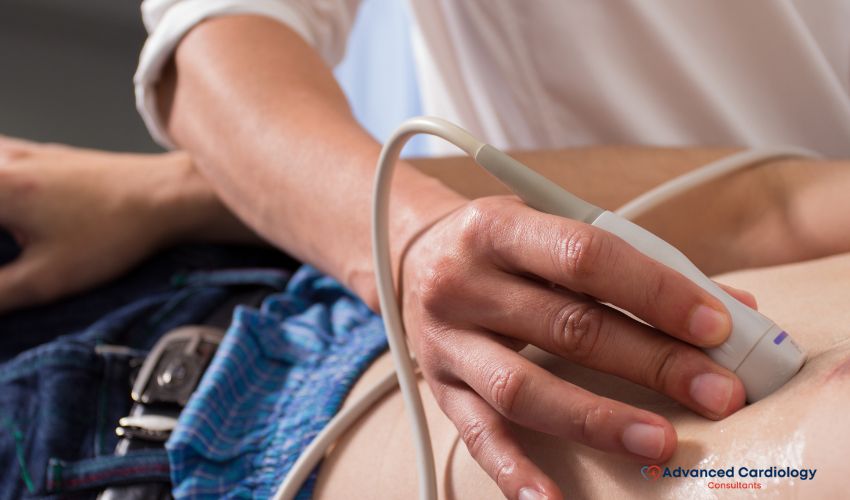
Varicose veins usually develop when one-way valves inside the leg veins weaken, letting blood flow backward and pool (venous reflux). Endovenous treatments work from inside the vein. Guided by ultrasound, a thin catheter is placed through a small needle puncture, usually near the knee or ankle, and the vein is closed in one of two ways:
Thermal ablation uses radiofrequency or laser energy to heat and seal the vein. Numbing fluid (tumescent anesthesia) is injected around the vein first.
Non-thermal occlusion closes the vein with a medical adhesive or with a combination of a rotating wire and a sclerosing medicine, often with fewer numbing injections.
These procedures are typically performed as outpatient procedures in a procedure room or vein center, usually with local anesthesia, and most people walk out the same day. If a vein procedure is recommended, our office will explain who performs it and where it is scheduled. Patients from Sugar Land, Richmond, and across Greater Houston visit our offices for this evaluation.
Before any procedure is discussed, the evaluation usually includes a review of your symptoms and medical history, a leg examination, and a venous duplex ultrasound to map which veins are leaking. Dr. Khalid also considers other causes of leg pain or swelling, such as artery disease, heart failure, or medicine side effects, so that treatment is aimed at the right problem.

Adnan Khalid, MD, Cardiologist
Adnan Khalid, MD, specializes in treating coronary artery disease, peripheral artery disease, heart failure, hypertension, arrhythmias, and hyperlipidemia.
He is fellowship trained in cardiovascular diseases, interventional cardiology, advanced heart failure, and transplant cardiology. He is focused on providing personalized and compassionate care. Dr. Khalid believes in spending time with his patients and listening to their needs and is committed to offering excellent care.
Dr. Khalid is an avid reader. He is eager to learn new things; he likes to work out and spend time with his family. When off from work, he likes to travel and spend time in nature along with family and friends. He is married with three children. Dr. Adnan Khalid is now seeing patients at our Katy and Sugar Land offices and accepting new patients.
American Board of Internal Medicine
Interventional Cardiology
For people with symptoms caused by venous reflux, closing the leaking vein treats the underlying problem rather than only the visible veins. These procedures are generally considered when symptoms affect daily life and an ultrasound has confirmed reflux in a vein that is suitable for treatment.
Visible Bulging or Twisted Veins
Why It Matters: Bulging veins can cause discomfort, swelling, and skin irritation.
How Treatment May Help: Closing the refluxing vein often reduces bulging, although some branch veins may need additional treatment.
Leg Pain, Aching, or Heaviness
Why It Matters: Varicose veins can cause aching, heaviness, or throbbing, often worse at the end of the day.
How Treatment May Help: Many people notice less aching and heaviness once pressure in the veins is reduced.
Swelling or Cramping
Why It Matters: Swelling and night cramps can be related to venous circulation, but they also have other causes.
How Treatment May Help: If reflux is the cause, treatment may ease swelling. Other causes should be ruled out first.
Skin Changes or Ulcers
Why It Matters: Long-standing venous disease can lead to skin darkening, thickening, irritation, or slow-healing ulcers near the ankle.
How Treatment May Help: In selected patients, treating reflux along with compression and wound care can support healing.
Itching or Restlessness
Why It Matters: Itching over the veins or restless legs can sometimes be linked to vein problems.
How Treatment May Help: When these symptoms are due to reflux, they may improve after treatment.
If you have leg vein symptoms, a venous ultrasound and examination are the first steps.
Possible benefits: Many patients have less leg aching, heaviness, and swelling, and visible veins often look smaller. The procedures avoid the larger incisions of traditional vein surgery, and most people return to light daily activities soon afterward.
Limits: Results vary. Ablation treats the vein that is closed, not the tendency to form new varicose veins, so new or recurrent veins can appear over time. Smaller branch or spider veins may need sclerotherapy or another procedure. Treatment that is mainly cosmetic may not be covered by insurance.
Risks: Common effects include bruising, tenderness, and a pulling feeling along the treated vein. Less common risks include skin numbness or tingling from nerve irritation, inflammation of a surface vein (phlebitis), skin discoloration, infection, skin burns with heat-based methods, and reactions to medicines or adhesive. Uncommonly, a blood clot can extend into a deep vein (DVT), which is why a follow-up ultrasound is often done after the procedure.
After treatment, follow-up care and, when needed, monitoring ultrasounds help check that the vein has closed and that no clot has formed.
These treatments may be considered if:
You have painful, swollen, or twisted varicose veins that affect daily activities
You have leg heaviness, cramping, or skin changes related to your veins
A venous ultrasound has shown reflux in a vein that can be treated this way
Conservative measures, such as compression stockings, leg elevation, and regular walking, have not given enough relief
They may not be suitable, or may need to be postponed, if you have an active blood clot, are pregnant, cannot walk enough to keep blood moving after the procedure, have significant artery disease in the legs, or have veins whose shape or size does not suit a catheter. Your medical history and ultrasound findings guide the decision.
Health plans often cover endovenous treatment when it is medically necessary rather than cosmetic. Coverage commonly depends on ultrasound-confirmed reflux, symptoms that affect your health or daily life, and a trial of conservative care such as compression stockings. Requirements vary by plan, and some plans require prior authorization. Our office accepts most major insurance plans for visits, and coverage is verified individually.
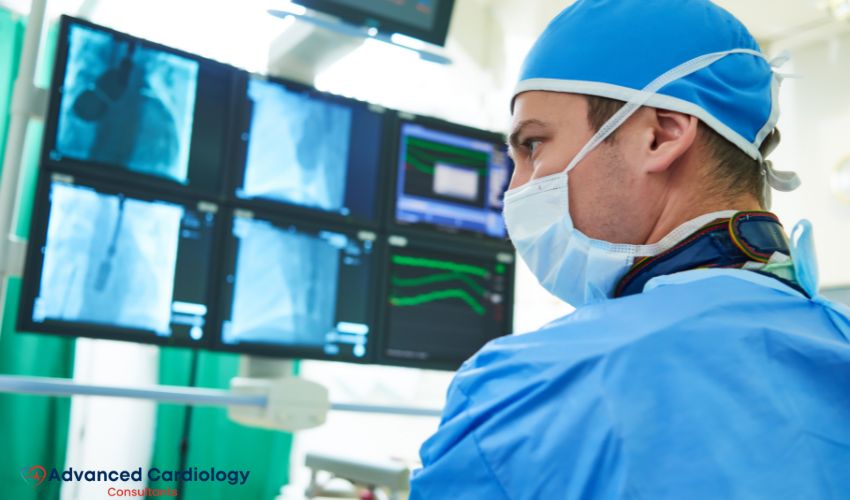
After Dr. Khalid reviews your ultrasound results and symptoms, he will discuss the options with you. Endovenous ablation or occlusion is often considered when:
Ultrasound shows reflux or valve failure in a suitable vein
Symptoms are moderate to severe and have not improved enough with conservative care
You prefer a less invasive option than traditional vein surgery
There are skin changes, ulcers, or repeated superficial vein inflammation (thrombophlebitis)
Alternatives include compression stockings, exercise, weight management, and leg elevation; sclerotherapy for smaller veins; removal of bulging surface veins through tiny incisions (phlebectomy); and, less often today, surgical vein removal. Doing nothing is also an option when symptoms are mild.
Your care team will give you specific instructions. Tell them about all medicines you take, especially blood thinners, and do not stop any medicine unless your care team tells you to. Bring compression stockings if they are prescribed, and plan comfortable clothing.
Afterward, walking is usually encouraged, and compression may be advised for a period of time. Many people return to light activity quickly but are asked to avoid strenuous exercise or long periods of sitting for a short time. Recovery varies from person to person. A follow-up visit and ultrasound are commonly scheduled to confirm the vein is closed.
Get medical care promptly if your leg becomes very swollen, painful, warm, or red. Call 911 for sudden shortness of breath, chest pain, coughing up blood, or fainting, which can be signs of a blood clot in the lungs.
Learn more on our varicose vein treatment and leg and ankle swelling pages.
Most people feel a needle stick and some stinging or pressure while numbing medicine is given. Afterward, soreness, bruising, or a tight, pulling feeling along the vein is common and usually eases over the following days or weeks. Your care team will tell you which pain relievers are appropriate for you.
The leg has many veins. When a refluxing surface vein is closed, blood returns to the heart through other healthy veins, mainly the deep veins, which carry most of the leg’s blood flow.
Bulging veins often shrink, but results vary. Some visible branches remain and may be treated separately. New varicose veins can develop over time because the underlying tendency is not cured.
No. Varicose veins involve the veins that return blood to the heart, while many heart and circulation problems involve arteries or the heart itself. Leg swelling can have heart-related causes too, which is one reason a full evaluation is helpful.
Sources: NHLBI: Varicose veins • MedlinePlus: Varicose veins • MedlinePlus: Edema
Please print out your paperwork and bring it to your appointment at Advanced Cardiology. If your insurance requires authorization, please be sure to have that information sent to our office or bring it with you to your appointment, along with any medical records you may have. Please also make sure to bring your insurance cards, photo ID, and medication list.
Thank you, and we look forward to meeting you! Contact us today with any questions.
Most insurance plans accepted
(713) 258-6111
Katy & Sugar Land Cardiologist
# Cooperative & professional staff. Dr. Khalid is highly competent & experienced. Very kind & friendly too.
# He’s A Very Caring & Concerned Doctor. He Asks Important Questions, He Allows Me To Ask Questions & Fully Answers To My Satisfaction. He Diagnosis & Does Whatever It Takes To Fix My Health Issues. He’s A Wonderful Doctor…& Most Of All, I Trust Him & His Staff.
Read More…..
Back pain with chest pain may be a muscle strain or reflux, but also a heart attack or aortic dissection. Learn the causes, warning signs and when to call 911.

Jaw pain with chest pain can warn of a heart attack or angina, especially in women. Learn how it differs from dental or TMJ pain and when to call 911.
Feeling weak and shaky with chest pain can be low blood sugar, anxiety or dehydration, but also a heart attack or rhythm problem. Know when to call 911.
Should you go to the ER for chest pain? Learn which symptoms need 911, ER vs urgent care, what happens in the ER, and when to follow up with a cardiologist.

Severe abdominal pain can feel frightening, exhausting, and overwhelming, especially when symptoms suddenly worsen or spread throughout the abdomen. Many people initially dismiss stomach pain as indigestion, food poisoning, gas, or minor illness, only to later discover they are experiencing appendicitis or even a ruptured appendix. A burst appendix, also called a ruptured appendix, is […]

Severe headache and nausea is often migraine, but sudden pain, very high blood pressure, weakness or confusion need the ER. Learn red flags and where to go.
Katy & Sugar Land Cardiologist
Advanced Cardiology welcomes new patients at its offices in Katy and Sugar Land. Call our office or send an appointment request, and our staff will follow up.
Most major insurance plans accepted; coverage is verified individually.
For possible heart attack or stroke symptoms, call 911.