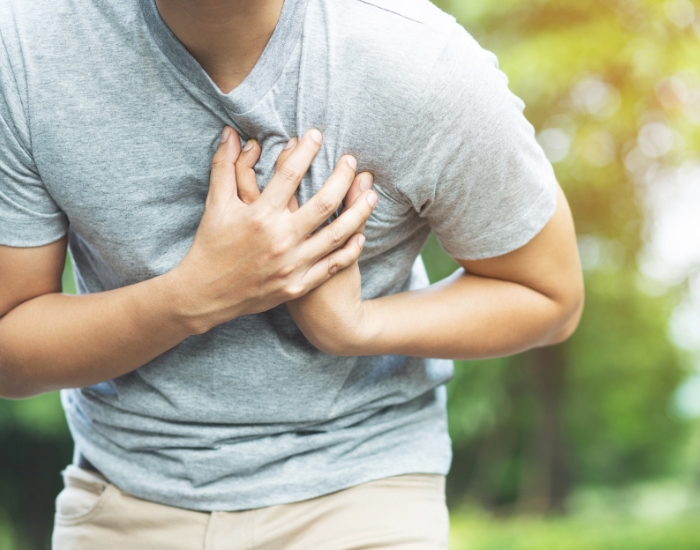
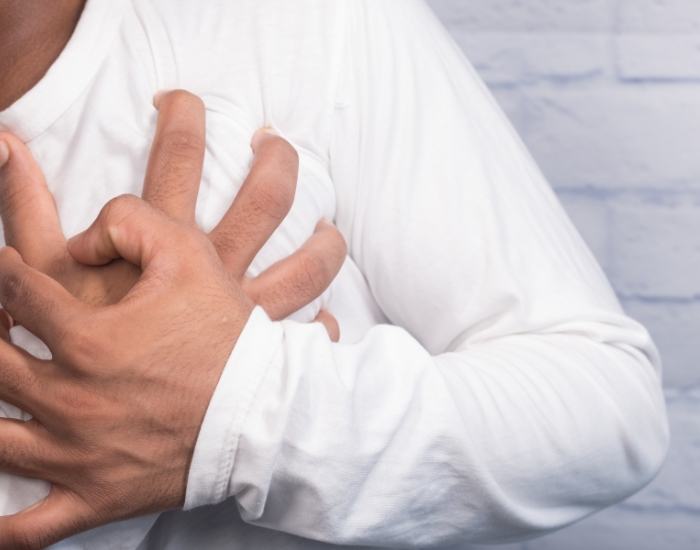
Feeling chest discomfort after a meal can be frightening, confusing, and stressful, especially when symptoms appear suddenly or resemble signs of a heart problem. Many people experience chest pain after eating and immediately worry about heart disease, while others assume it is only indigestion or acid reflux. The reality is that chest pain after eating may occur for many different reasons, ranging from mild digestive irritation to serious cardiovascular conditions that require immediate medical attention.
For some individuals, symptoms may feel like burning in the chest after eating. Others may notice tightness, pressure, heaviness, sharp pain, left-sided chest discomfort, shortness of breath, dizziness, fatigue, nausea, or even pain spreading toward the arm, neck, jaw, or back. Because the chest contains important organs including the heart, lungs, esophagus, and major blood vessels, identifying the exact cause is essential for long-term health and safety.
Table of Contents
- What Does Chest Pain After Eating Mean?
- Common Causes of Chest Pain After Eating
- Can Acid Reflux Feel Like Heart Pain?
- Heart-Related Causes of Chest Pain After Eating
- Tightness in Chest After Eating
- Pain in the Chest When Eating
- After Eating Pain in Left Side of Chest
- Pain in Chest After Eating on Left Side
- Warning Signs You Should Never Ignore
- How Cardiologists Diagnose Chest Pain
- Treatment Options for Chest Pain After Eating
- Lifestyle Changes That May Help
- When Should You Go to the Emergency Room?
- Preventing Chest Pain and Heart Disease
- Why Professional Cardiology Evaluation Matters
- Frequently Asked Questions
- Advanced Cardiology in Katy, Sugar Land, and Houston
- Final Discussion
- Disclaimer
What Does Chest Pain After Eating Mean?
Chest pain after eating refers to discomfort, pressure, burning, tightness, heaviness, or pain that develops during or after meals. Symptoms may occur immediately after eating or may appear 30 minutes to several hours later depending on the underlying condition.
Some people experience mild discomfort occasionally after eating spicy or fatty foods. Others may develop severe chest pain after every meal, particularly after large meals or when lying down. Although digestive conditions are commonly associated with symptoms, heart-related problems should never be overlooked.
Chest pain after eating may involve:
- Burning sensation in the chest
- Tightness in chest after eating
- Pain in the chest when eating
- Pressure near the center of the chest
- Pain in chest after eating on left side
- After eating pain in left side of chest
- Pain spreading to shoulder or arm
- Difficulty breathing after meals
- Dizziness or weakness
- Nausea or sweating
The location, severity, timing, and associated symptoms often help physicians determine the most likely cause.
Important Note: Chest pain that occurs repeatedly after meals should never be ignored, especially when symptoms include shortness of breath, dizziness, fatigue, sweating, jaw pain, or pain radiating toward the left arm.
Common Causes of Chest Pain After Eating
Chest pain after eating may develop from several medical conditions involving the digestive system, cardiovascular system, muscles, nerves, lungs, or blood vessels. In many situations, symptoms are temporary and mild. However, recurring symptoms should always be evaluated carefully because some causes may become serious if ignored.
Many patients notice symptoms after eating large meals, consuming greasy or spicy foods, eating too quickly, or lying down immediately after meals. Others experience symptoms only during stress, exercise, or periods of anxiety. Understanding the possible causes helps patients recognize when symptoms may simply be digestive discomfort and when they may indicate something more concerning involving the heart.
Physicians usually evaluate the pattern, severity, timing, and associated symptoms to determine the likely cause of discomfort.
Acid Reflux and GERD
One of the most common causes of chest pain after eating is acid reflux, also called gastroesophageal reflux disease (GERD). Acid reflux occurs when stomach acid moves upward into the esophagus, creating irritation and inflammation.
Symptoms may include:
- Burning chest pain
- Sour taste in the mouth
- Pain after spicy or fatty meals
- Symptoms worsening while lying down
- Pressure in the chest after eating
- Chronic cough
- Difficulty swallowing
Because reflux pain may feel similar to heart pain, many patients become concerned about heart attacks.
Esophageal Spasms
The esophagus can sometimes develop muscle spasms that create sudden squeezing chest pain. Symptoms may resemble angina or heart-related chest pressure.
Indigestion
Heavy meals, overeating, alcohol, fried foods, and eating too quickly may contribute to indigestion-related discomfort.
Gallbladder Disease
Gallstones and gallbladder inflammation may cause upper abdominal pain that spreads toward the chest or shoulder after meals, especially fatty foods.
Anxiety and Stress
Stress and anxiety may worsen digestive symptoms while also triggering chest tightness, palpitations, rapid heartbeat, and muscle tension.
Can Acid Reflux Feel Like Heart Pain?
Yes. Acid reflux can sometimes closely mimic heart-related chest pain. This is one reason many people search online for terms such as:
- Can acid reflux feel like chest pain?
- Heartburn vs heart attack
- Why does my chest hurt after eating?
- Burning chest pain after meals
Acid reflux pain often develops after large meals, spicy foods, caffeine, chocolate, alcohol, or lying flat shortly after eating. However, because heart disease may also present with similar symptoms, individuals with risk factors for cardiovascular disease should always receive proper medical evaluation.
Risk factors include:
- High blood pressure
- Diabetes
- High cholesterol
- Smoking
- Obesity
- Family history of heart disease
- Sedentary lifestyle
- Previous heart problems
Heart-Related Causes of Chest Pain After Eating
One of the most important reasons chest pain after eating should never be ignored is because cardiovascular disease may present with symptoms very similar to indigestion or acid reflux. Many individuals experiencing reduced blood flow to the heart initially believe they are dealing with stomach-related discomfort, especially when symptoms occur after meals.
The digestive process naturally increases the body’s demand for blood circulation. After eating, the stomach and digestive organs require additional blood supply to process food properly. In individuals with narrowed or blocked coronary arteries, the heart may struggle to keep up with increased circulation demands, potentially leading to chest pressure, tightness, discomfort, or shortness of breath.
This is one reason why some patients notice worsening symptoms after large meals or meals high in fat, sodium, or cholesterol. In individuals with underlying cardiovascular disease, eating may place additional strain on the heart.
Cardiologists pay close attention to symptoms such as left-sided chest pain, chest heaviness, pain radiating to the arm or jaw, fatigue after meals, and breathing difficulty because these symptoms may indicate significant cardiovascular disease.
Coronary Artery Disease
Coronary artery disease develops when cholesterol plaque narrows the arteries supplying blood to the heart. After eating, the digestive system demands increased blood flow. In some individuals with blocked coronary arteries, this extra demand may trigger chest discomfort.
Symptoms may include:
- Chest pressure after eating
- Tightness in chest after eating
- Left-sided chest pain
- Fatigue after meals
- Shortness of breath
- Pain spreading to jaw or arm
Angina
Angina refers to chest pain caused by reduced blood flow to the heart muscle. Some patients notice symptoms after meals because digestion temporarily increases cardiac workload.
Heart Attack
A heart attack occurs when blood flow to part of the heart becomes severely reduced or blocked.
Heart attack symptoms may include:
- Severe chest pressure
- Crushing chest pain
- Sweating
- Nausea
- Dizziness
- Pain in left arm
- Jaw pain
- Difficulty breathing
Heart attack symptoms in women may sometimes appear differently and may include nausea, fatigue, indigestion-like discomfort, upper back pain, or mild chest tightness.
Short Medical Note: Pain in chest after eating on left side combined with sweating, weakness, nausea, dizziness, or shortness of breath should always be evaluated urgently to rule out heart-related conditions.
Tightness in Chest After Eating
Many patients describe symptoms as tightness in chest after eating rather than sharp pain. Some individuals explain the sensation as heaviness, squeezing, pressure, fullness, or a band-like feeling around the chest.
Chest tightness may occur immediately after eating or may gradually worsen over time. In some cases, symptoms become more noticeable when walking, climbing stairs, or lying flat after meals.
The severity of symptoms can vary greatly. Mild cases may only cause temporary discomfort, while severe cases may interfere with breathing, movement, sleep, or daily activities.
Chest tightness after eating may occur due to:
- Acid reflux
- Coronary artery disease
- Anxiety
- Esophageal spasm
- Hiatal hernia
- Heart failure
- Poor circulation
Chest tightness that repeatedly occurs after physical activity or meals may indicate reduced blood flow to the heart.
Pain in the Chest When Eating
Pain in the chest when eating may occur during swallowing, immediately after swallowing, or shortly after completing a meal. Some people experience discomfort only with specific foods, while others notice symptoms regardless of what they eat.
The pain may feel sharp, burning, squeezing, aching, or pressure-like depending on the underlying condition. Symptoms may also worsen with hot beverages, spicy foods, large meals, or lying down after eating.
Some patients experience associated symptoms such as:
- Difficulty swallowing
- Food feeling stuck in chest
- Burping or bloating
- Heartburn
- Nausea
- Coughing after meals
- Shortness of breath
- Fatigue after eating
Persistent symptoms should never be ignored because chest pain during eating may sometimes indicate esophageal disorders, cardiovascular disease, or other medical conditions requiring professional treatment.
Common triggers include:
- Spicy foods
- Fatty foods
- Large meals
- Carbonated drinks
- Alcohol
- Excess caffeine
- Acidic foods
After Eating Pain in Left Side of Chest
After eating pain in left side of chest can create significant anxiety because the left side of the chest is commonly associated with the heart.
Left-sided chest discomfort may result from:
- Heart disease
- Acid reflux
- Muscle strain
- Nerve irritation
- Anxiety
- Gastritis
- Hiatal hernia
- Lung conditions
If left-sided chest pain becomes severe, recurrent, or associated with dizziness or breathing difficulty, cardiology evaluation becomes extremely important.
Pain in Chest After Eating on Left Side
Pain in chest after eating on left side should never be dismissed when symptoms occur repeatedly or worsen over time.
Individuals should seek prompt medical attention if symptoms include:
- Rapid heartbeat
- Sweating
- Fainting
- Pain spreading to arm
- Jaw discomfort
- Extreme fatigue
- Severe pressure sensation
- Sudden weakness
Modern cardiology testing can help identify whether symptoms originate from digestive conditions or cardiovascular disease.
Warning Signs You Should Never Ignore
Although mild indigestion may occasionally cause temporary chest discomfort, certain symptoms should always be taken seriously. Delaying medical care may increase the risk of serious cardiovascular complications, including heart attack, stroke, or heart failure.
Many patients attempt to self-diagnose symptoms using internet searches or over-the-counter medications, but chest pain involving the heart may progress gradually over time before becoming severe.
Symptoms that appear repeatedly after meals, physical activity, emotional stress, or while lying down should always be medically evaluated.
Cardiology evaluation becomes especially important for individuals with risk factors such as diabetes, obesity, smoking history, high blood pressure, elevated cholesterol, sleep apnea, or family history of heart disease.
Seek Immediate Medical Evaluation If You Experience:
- Severe chest pain
- Chest pain lasting longer than several minutes
- Pain spreading to left arm or jaw
- Shortness of breath
- Sudden sweating
- Dizziness or fainting
- Rapid heartbeat
- Pressure sensation in chest
- Difficulty breathing while resting
- Chest pain with physical activity
Ignoring these warning signs may delay treatment for potentially life-threatening cardiovascular disease.
How Cardiologists Diagnose Chest Pain
Cardiologists use advanced diagnostic tools to identify the underlying cause of symptoms.
Common Diagnostic Tests
Electrocardiogram (EKG)
Measures the electrical activity of the heart.
Echocardiogram
Provides ultrasound images of the heart structure and pumping function.
Stress Testing
Evaluates how the heart responds during physical exertion.
Holter Monitor
Records heart rhythm abnormalities over extended periods.
Coronary Calcium Scan
Helps identify plaque buildup within coronary arteries.
Cardiac Catheterization
Used when physicians suspect significant coronary artery blockage.
Blood Tests
Can help detect heart muscle damage or inflammation.
Accurate diagnosis is essential because symptoms from acid reflux and heart disease may overlap significantly.
Treatment Options for Chest Pain After Eating
Treatment for chest pain after eating depends entirely on identifying the true underlying cause of symptoms. Some patients may only require dietary modifications and lifestyle improvements, while others may need advanced cardiovascular treatment or long-term medical management.
Early treatment is extremely important because untreated heart disease may continue progressing silently over time. Proper diagnosis helps physicians create personalized treatment plans focused on improving symptoms, reducing cardiovascular risks, and protecting long-term heart health.
Treatment may involve cardiologists, gastroenterologists, primary care physicians, or emergency medicine specialists depending on the severity and origin of symptoms.
Digestive Treatment Approaches
- Eating smaller meals
- Avoiding spicy foods
- Reducing fried foods
- Limiting caffeine and alcohol
- Weight management
- Acid reflux medications
- Avoiding lying down after eating
Heart-Related Treatment Approaches
- Blood pressure management
- Cholesterol reduction
- Lifestyle improvements
- Smoking cessation
- Diabetes control
- Heart medications
- Coronary intervention procedures
- Cardiac rehabilitation
Early treatment often helps reduce long-term cardiovascular risks.
Lifestyle Changes That May Help
Lifestyle improvements play a major role in reducing both digestive symptoms and cardiovascular disease risk. In many patients, small daily changes can significantly improve circulation, digestive function, energy levels, blood pressure, and overall heart health.
Patients experiencing chest pain after eating are often encouraged to identify food triggers, improve meal timing, maintain healthy weight, and adopt long-term heart-healthy habits.
Cardiologists also emphasize preventive care because many cardiovascular conditions develop gradually over years before symptoms become severe.
Helpful Habits Include:
- Eating balanced meals
- Avoiding overeating
- Exercising regularly
- Maintaining healthy body weight
- Staying hydrated
- Managing stress levels
- Improving sleep quality
- Monitoring blood pressure
- Reducing sodium intake
- Avoiding tobacco use
Patients with recurring symptoms should also keep track of food triggers and symptom timing.
When Should You Go to the Emergency Room?
Many patients wonder whether chest discomfort after eating requires emergency care.
Go to the ER Immediately If You Experience:
- Severe chest pressure
- Crushing chest pain
- Sudden shortness of breath
- Loss of consciousness
- Blue lips or skin
- Sweating with chest pain
- Weakness on one side of body
- Severe dizziness
- Irregular heartbeat with chest pain
Emergency physicians can quickly evaluate whether symptoms are heart-related.
Preventing Chest Pain and Heart Disease
Prevention remains one of the most effective ways to protect long-term cardiovascular health.
Preventive Strategies Include:
- Regular blood pressure monitoring
- Routine cholesterol screening
- Diabetes management
- Heart-healthy diet
- Regular physical activity
- Limiting processed foods
- Maintaining healthy weight
- Reducing stress
- Routine cardiology evaluations for high-risk individuals
Individuals with family history of heart disease should be especially proactive about preventive care.
Why Professional Cardiology Evaluation Matters
Many patients delay seeking evaluation because symptoms appear mild or inconsistent. However, heart disease often develops gradually over many years before becoming severe.
Early cardiology evaluation helps identify:
- Coronary artery disease
- Arrhythmias
- High blood pressure
- Heart failure
- Structural heart problems
- Vascular disease
Timely diagnosis may help prevent heart attacks, strokes, and long-term cardiovascular complications.
Frequently Asked Questions
Why does my chest hurt after eating?
Chest pain after eating may result from acid reflux, indigestion, anxiety, gallbladder disease, or heart-related conditions such as angina or coronary artery disease.
Can acid reflux cause chest pain after eating?
Yes. Acid reflux commonly causes burning chest discomfort after meals, particularly after spicy or fatty foods.
Is left side chest pain after eating dangerous?
After eating pain in left side of chest may sometimes indicate heart-related disease, especially when symptoms include shortness of breath, dizziness, or arm pain.
What does tightness in chest after eating mean?
Tightness in chest after eating may be associated with acid reflux, coronary artery disease, esophageal spasm, anxiety, or circulation problems.
When should I see a cardiologist for chest pain?
You should schedule cardiology evaluation if symptoms occur repeatedly, worsen over time, interfere with activity, or are associated with dizziness, sweating, fatigue, or shortness of breath.
Can heart disease feel like indigestion?
Yes. Some heart conditions may create symptoms similar to heartburn or indigestion, especially in women and older adults.
Is pain in chest after eating on left side a sign of heart attack?
It can be. Persistent or severe left-sided chest pain should never be ignored, particularly when accompanied by sweating, weakness, nausea, or breathing difficulty.
Advanced Cardiology in Katy, Sugar Land, and Houston
At Advanced Cardiology, patients receive comprehensive cardiovascular evaluation and personalized heart care focused on identifying the true cause of chest pain, heart palpitations, shortness of breath, high blood pressure, and other cardiovascular symptoms. Serving Katy, Sugar Land, Houston, and surrounding communities, the clinic provides advanced diagnostic testing, preventive cardiology, interventional cardiology, heart rhythm monitoring, stress testing, echocardiography, and long-term cardiovascular disease management. Dr. Adnan Khalid and the Advanced Cardiology team are committed to delivering compassionate, evidence-based heart care designed to improve long-term cardiovascular health while helping patients reduce future risks of heart attack, stroke, heart failure, and vascular disease.
Final Discussion
Chest pain after eating should never be automatically dismissed as simple indigestion. While acid reflux, heartburn, digestive irritation, and anxiety are common causes of discomfort after meals, heart-related conditions may also present with similar symptoms, particularly in individuals with cardiovascular risk factors such as high blood pressure, diabetes, obesity, smoking history, elevated cholesterol, or family history of heart disease. Symptoms such as tightness in chest after eating, pain in the chest when eating, after eating pain in left side of chest, and pain in chest after eating on left side should always be evaluated carefully when they occur repeatedly or worsen over time.
Many people delay seeking medical care because symptoms seem mild initially, but cardiovascular disease often develops silently for years before severe complications appear. Early diagnosis plays a major role in preventing long-term complications including heart attack, stroke, heart failure, arrhythmias, and blocked arteries. Understanding the difference between digestive discomfort and possible cardiac-related chest pain can help individuals make informed decisions regarding their health and seek timely medical attention when needed.
Maintaining a heart-healthy lifestyle, monitoring symptoms closely, managing blood pressure and cholesterol, eating balanced meals, staying physically active, reducing stress, and receiving regular cardiology evaluations can significantly improve overall cardiovascular health and reduce future risks. Patients experiencing persistent chest discomfort, breathing difficulty, dizziness, fatigue, or left-sided chest pain should consult a qualified cardiologist for comprehensive evaluation and personalized treatment recommendations.
Disclaimer
This article is intended for educational and informational purposes only and should not be considered medical advice, diagnosis, or treatment. Symptoms such as chest pain, tightness in chest after eating, pain in the chest when eating, shortness of breath, dizziness, nausea, or left-sided chest discomfort may indicate serious medical conditions requiring immediate evaluation. Always consult a licensed physician or board-certified cardiologist regarding any medical concerns or symptoms you may experience.
If you develop severe chest pain, difficulty breathing, fainting, sudden weakness, sweating with chest discomfort, jaw pain, or symptoms suggestive of a heart attack, seek emergency medical care immediately by calling 911 or visiting the nearest emergency room.