
Why Does My Back Hurt With Chest Pain?
Back pain with chest pain may be a muscle strain or reflux, but also a heart attack or aortic dissection. Learn the causes, warning signs and when to call 911.
Cardiologist Serving Katy, Sugar Land, Greater Houston

Dr. Khalid reviews your symptoms, history and test results himself
Visits in Katy and Sugar Land
Catheter and device procedures at an affiliated hospital
Office follow-up on medicines and risk factors
Advanced Cardiology does not have an office in Richmond. Patients from Richmond see Adnan Khalid, MD, at our Sugar Land office (7102 Tarrington Ave, Suite 505) or our Katy office (410 W Grand Pkwy S, Suite 4D). Many Richmond patients stay with Dr. Khalid for years to manage conditions such as heart failure, atrial fibrillation, coronary artery disease and high blood pressure.
Richmond patients use both of our offices. Some find Sugar Land easier, while others, depending on where they live or work, prefer Katy. There is no wrong choice: you see the same physician at each location, and your chart, test results and medication list are shared between them. You can even alternate offices from one visit to the next if your schedule changes.
Call (713) 258-6111 and tell our team which office you would like. Hours are not always the same at both locations, so please call to confirm office hours for each office. Phone messages and online requests are not checked around the clock and should never be used for emergencies.
Heart care is often a long-term relationship. After an initial evaluation, many people need periodic follow-up to adjust medicines, review new symptoms and repeat tests only when they are likely to change treatment. Seeing the same physician over time means Dr. Khalid knows your history, what has been tried before and what matters most to you. He also keeps your primary care doctor informed so that your overall care stays coordinated.
Before each visit, it helps to jot down a few questions. What is my condition doing now? Are my medicines still the right ones? Which symptoms should make me call sooner? What activity level is safe for me? Bringing your questions in writing makes it easier to cover what matters most to you.
Some patients come for a first evaluation after their primary care doctor notices high blood pressure, high cholesterol, a murmur or an abnormal EKG. Others are referred after a hospital stay for chest pain, a heart attack, heart failure or a new rhythm problem, and need close follow-up in the weeks afterward. Still others come because of a family history, a symptom that has been bothering them, or a need for a second opinion on a recommended treatment.
Whatever the reason, the first step is the same: a detailed conversation, an exam and a clear plan.
If you were seen at a hospital or by another physician, ask them to send records and test results to our office before your first visit. That way, Dr. Khalid can review what has already been done and avoid repeating tests that are not needed.

Adnan Khalid, MD, Cardiologist
Adnan Khalid, MD, specializes in treating coronary artery disease, peripheral artery disease, heart failure, hypertension, arrhythmias, and hyperlipidemia. He has over 10 years of experience in the field of cardiovascular medicine.
Dr. Khalid graduated from his medical school among the top 10 out of 250 medical students in his class. He is fellowship trained in cardiovascular diseases, interventional cardiology, advanced heart failure, and transplant cardiology. He is focused on providing personalized and compassionate care. Dr. Khalid believes in spending time with his patients and listening to their needs and is committed to offering excellent care.
Dr. Khalid is an avid reader. He is eager to learn new things; he likes to work out and spend time with his family. When off from work, he likes to travel and spend time in nature along with family and friends. He is married with three children.
American Board of Internal Medicine
Interventional Cardiology
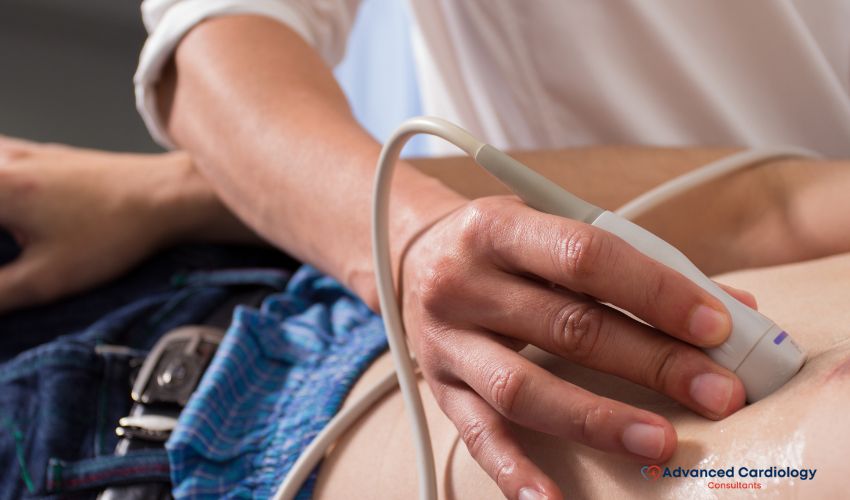
Follow-up schedules vary. Someone whose condition is stable may be seen less often, while someone recovering from a hospital stay or starting a new medicine may need closer check-ins. A typical follow-up visit includes:
For heart failure, your care team may ask you to weigh yourself daily and report sudden gains. For atrial fibrillation, you and Dr. Khalid will review stroke-prevention options together. Always follow the specific instructions from your care team rather than changing medicines on your own.
Between visits, call the office if you notice gradual changes, such as more swelling, needing more pillows to breathe comfortably at night, or palpitations that happen more often. Sudden or severe symptoms are different and need 911, as described below.
How do I request an appointment? The practice accepts new patients. Call (713) 258-6111 or use our secure appointment request form. Mention whether you are a new or returning patient and which office you prefer.
Is my insurance accepted? Advanced Cardiology accepts most major insurance plans. Coverage is verified individually, so our staff will check your benefits and any referral requirements before your visit.
Can follow-up visits be done by video? Sometimes. Ask our office whether a video visit is appropriate for your situation. Telehealth rules depend on where you are physically located during the visit, and some visits need an in-person exam or test.
What should I bring? Insurance card, photo ID, your medicines or a complete list, completed registration forms from the patient portal linked below, and recent hospital or lab records.
Conditions
Many heart conditions cannot be cured with a single treatment, but they can often be controlled well with regular care. Dr. Khalid follows patients with chronic heart and blood vessel conditions and adjusts treatment as their needs change.
Heart failure: including a low ejection fraction; treatment often involves several medicines adjusted over time.
Atrial fibrillation: an irregular rhythm that needs rate or rhythm control and a decision about stroke prevention.
Coronary artery disease: including care after a heart attack or stent placement.
High blood pressure and high cholesterol: long-term risk factors with treatment goals tailored to each person.
Pacemakers and defibrillators: implanted devices that need regular device checks.
Living with a long-term heart condition often means small, steady adjustments rather than dramatic changes. Taking medicines as prescribed, keeping track of blood pressure or weight when asked, staying active within the limits your care team sets and keeping follow-up appointments all help Dr. Khalid spot problems early and adjust your plan before they become more serious.
Testing
Tests are repeated only when the result could change your care, not on a fixed schedule for everyone. EKGs are done in the office. Other tests are performed or arranged by our office, and our team explains where each one will happen.
Your care team will give you instructions for each test. Do not stop any medicine beforehand unless they tell you to.
Dr. Khalid reviews every result and explains it to you, usually at a follow-up visit or by phone. A stable result can mean your current plan is working. A change does not automatically mean you need a procedure; it may simply lead to a medicine adjustment or closer follow-up. Ask our team how you will be contacted about results.
Treatment
Most cardiology care happens in the office, but some treatments require a hospital. Dr. Khalid is listed as affiliated with Memorial Hermann Katy, Sugar Land and Southwest hospitals. When a procedure is needed, it is scheduled at an affiliated hospital and our office explains where to go and how to prepare. Options may include:
If you were recently in the hospital, call to schedule a follow-up visit and bring your discharge papers and medicine list. For refills between visits, use our prescription request page.
Call 911 – do not call the office or drive yourself – for chest discomfort lasting more than a few minutes or that comes and goes; shortness of breath; discomfort in the arms, back, neck, jaw or stomach; or a cold sweat, nausea or lightheadedness. Sudden face drooping, arm weakness or speech difficulty can mean a stroke: call 911 right away, even if the symptoms go away.
Sources: American Heart Association: Warning Signs of a Heart Attack · American Stroke Association: Stroke Symptoms · NHLBI: Heart Failure · NHLBI: Atrial Fibrillation
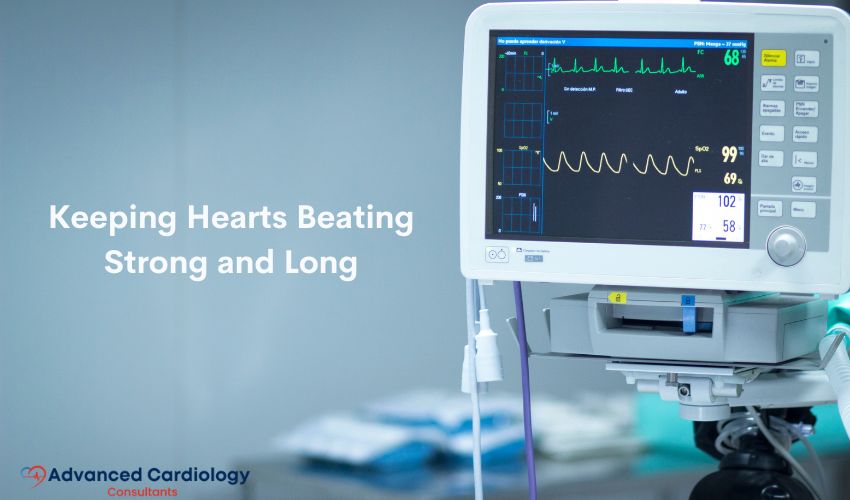

Please print out your paperwork and bring it to your appointment at Advanced Cardiology. If your insurance requires authorization, please be sure to have that information sent to our office or bring it with you to your appointment, along with any medical records you may have. Please also make sure to bring your insurance cards, photo ID, and medication list.
Thank you, and we look forward to meeting you! Contact us today with any questions.
Most insurance plans accepted
(713) 258-6111
Katy & Sugar Land Cardiologist
# Cooperative & professional staff. Dr. Khalid is highly competent & experienced. Very kind & friendly too.
# He’s A Very Caring & Concerned Doctor. He Asks Important Questions, He Allows Me To Ask Questions & Fully Answers To My Satisfaction. He Diagnosis & Does Whatever It Takes To Fix My Health Issues. He’s A Wonderful Doctor…& Most Of All, I Trust Him & His Staff.
Read More…..

Back pain with chest pain may be a muscle strain or reflux, but also a heart attack or aortic dissection. Learn the causes, warning signs and when to call 911.

Jaw pain with chest pain can warn of a heart attack or angina, especially in women. Learn how it differs from dental or TMJ pain and when to call 911.

Feeling weak and shaky with chest pain can be low blood sugar, anxiety or dehydration, but also a heart attack or rhythm problem. Know when to call 911.

Should you go to the ER for chest pain? Learn which symptoms need 911, ER vs urgent care, what happens in the ER, and when to follow up with a cardiologist.

Severe abdominal pain can feel frightening, exhausting, and overwhelming, especially when symptoms suddenly worsen or spread throughout the abdomen. Many people initially dismiss stomach pain as indigestion, food poisoning, gas, or minor illness, only to later discover they are experiencing appendicitis or even a ruptured appendix. A burst appendix, also called a ruptured appendix, is […]

Severe headache and nausea is often migraine, but sudden pain, very high blood pressure, weakness or confusion need the ER. Learn red flags and where to go.
Katy & Sugar Land Cardiologist
Advanced Cardiology welcomes new patients at its offices in Katy and Sugar Land. Call our office or send an appointment request, and our staff will follow up.
Most major insurance plans accepted; coverage is verified individually.
For possible heart attack or stroke symptoms, call 911.
Need Consultation or Appointment?
(If emergency, call 911)