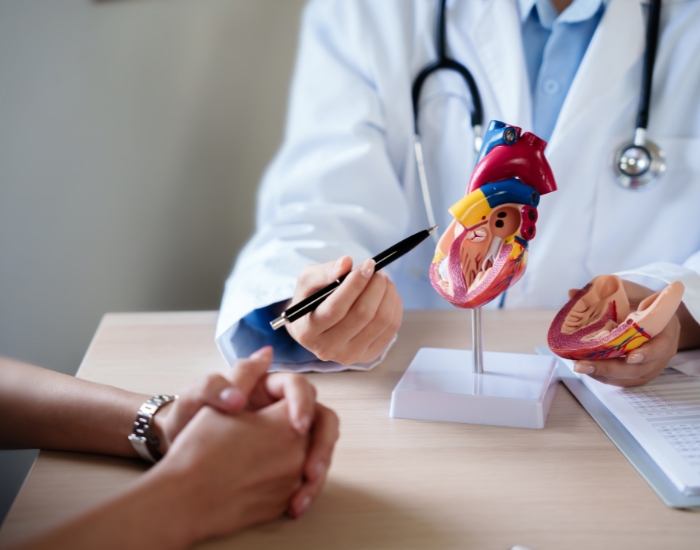
Chest pain is one of the most common reasons people visit emergency rooms, and for good reason. While some chest discomfort may result from mild conditions such as acid reflux, anxiety, or muscle strain, chest pain can also signal life-threatening emergencies involving the heart, lungs, blood vessels, or circulation system. In some situations, delaying treatment by even a short period may significantly increase the risk of permanent heart damage, stroke, heart failure, or sudden cardiac arrest.
Many individuals feel unsure whether their symptoms are serious enough for emergency care. Some people experience sharp chest pain that comes and goes, while others develop chest pressure, tightness, heaviness, burning sensations, dizziness, shortness of breath, sweating, nausea, or pain spreading toward the jaw, neck, back, or arm. Because symptoms vary greatly between individuals, many patients search online for phrases such as “should I go to the ER for chest pain,” “when chest pain is dangerous,” “heart attack chest pain,” or “left side chest pain emergency.”
Understanding when chest pain requires immediate emergency evaluation is extremely important because early treatment can save lives and reduce long-term cardiovascular complications.
Table of Contents
- What Causes Chest Pain?
- Should I Go to the ER for Chest Pain?
- Chest Pain Emergency Symptoms
- Heart Attack Chest Pain
- Chest Pressure Emergency Warning Signs
- Chest Pain and Shortness of Breath
- Left Side Chest Pain Emergency Symptoms
- Severe Chest Pain Causes
- Chest Tightness Emergency Symptoms
- Signs of Heart Attack Chest Pain
- When Chest Pain May Not Be Heart-Related
- Warning Signs You Should Never Ignore
- How Doctors Diagnose Chest Pain
- Treatment Options for Chest Pain
- Lifestyle Changes for Better Heart Health
- Preventing Serious Cardiovascular Problems
- Frequently Asked Questions
- Advanced Cardiology in Katy, Sugar Land, and Houston
- Final Discussion
- Disclaimer
What Causes Chest Pain?
Chest pain may develop from many different medical conditions involving the heart, lungs, digestive system, muscles, nerves, or blood vessels.
Some causes are mild and temporary, while others may become life-threatening emergencies requiring immediate treatment.
Common chest pain causes include:
- Heart attack
- Coronary artery disease
- Acid reflux
- Anxiety or panic attacks
- Muscle strain
- Pulmonary embolism
- Pneumonia
- Pericarditis
- Arrhythmias
- Heart failure
- Costochondritis
- Severe high blood pressure
Chest pain may feel:
- Sharp
- Tight
- Heavy
- Burning
- Squeezing
- Pressure-like
- Stabbing
- Aching
Symptoms may appear suddenly or gradually depending on the underlying condition.
Important Note: Chest pain should never be ignored when symptoms occur together with shortness of breath, sweating, dizziness, nausea, weakness, or pain spreading toward the arm or jaw.
Should I Go to the ER for Chest Pain?
Yes, in many situations chest pain should be evaluated immediately in the emergency room, especially when symptoms appear suddenly, worsen rapidly, or occur together with heart attack warning signs.
Emergency room evaluation becomes especially important if chest pain:
- Lasts more than several minutes
- Feels like pressure or heaviness
- Spreads toward arm, jaw, neck, or back
- Occurs with breathing difficulty
- Causes sweating or nausea
- Develops during physical activity
- Occurs together with dizziness or fainting
Even mild chest discomfort may sometimes indicate serious cardiovascular disease.
Patients with cardiovascular risk factors should be especially cautious.
Major risk factors include:
- High blood pressure
- Diabetes
- Smoking
- High cholesterol
- Obesity
- Family history of heart disease
- Previous heart problems
When symptoms feel unusual or severe, emergency evaluation is often the safest decision.
Chest Pain Emergency Symptoms
Chest pain emergency symptoms may indicate life-threatening cardiovascular or pulmonary disease.
Emergency symptoms may include:
- Crushing chest pain
- Chest pressure
- Severe tightness
- Shortness of breath
- Sweating
- Dizziness
- Nausea
- Weakness
- Fainting
- Rapid heartbeat
Symptoms may worsen during physical activity because the heart requires additional oxygen during exertion.
Some individuals describe symptoms as an elephant sitting on the chest or severe pressure that will not go away.
Emergency treatment should never be delayed.
Heart Attack Chest Pain
Heart attack chest pain often feels different from ordinary muscle soreness or indigestion.
Patients commonly describe symptoms as:
- Heavy pressure
- Squeezing sensation
- Tightness
- Crushing pain
- Burning discomfort
- Severe heaviness
Pain may spread toward:
- Left arm
- Jaw
- Neck
- Upper back
- Shoulders
Heart attacks may also cause:
- Sweating
- Shortness of breath
- Fatigue
- Dizziness
- Nausea
- Weakness
Women sometimes experience more subtle symptoms such as fatigue, nausea, upper back pain, or mild chest heaviness instead of severe pain.
Chest Pressure Emergency Warning Signs
Chest pressure emergency symptoms often suggest cardiovascular involvement.
Chest pressure may feel like:
- Tight band around chest
- Heavy weight on chest
- Fullness in chest
- Squeezing sensation
- Pressure while breathing
Chest pressure becomes more concerning when accompanied by:
- Shortness of breath
- Sweating
- Rapid heartbeat
- Weakness
- Dizziness
- Arm or jaw pain
Persistent chest pressure should always be medically evaluated immediately.
Short Medical Note: Chest pressure together with dizziness, sweating, breathing difficulty, nausea, or arm pain may indicate heart attack or severe cardiovascular disease requiring emergency treatment.
Chest Pain and Shortness of Breath
Chest pain and shortness of breath together may indicate serious heart or lung disease.
Possible causes include:
- Heart attack
- Pulmonary embolism
- Heart failure
- Severe asthma attack
- Pneumonia
- Arrhythmias
- Coronary artery disease
Patients may experience:
- Difficulty breathing deeply
- Rapid breathing
- Fatigue
- Chest tightness
- Dizziness
- Sweating
Breathing difficulty together with chest pain should never be ignored.
Left Side Chest Pain Emergency Symptoms
Left side chest pain emergency symptoms create significant concern because many heart conditions affect the left side of the chest.
Possible causes include:
- Heart attack
- Coronary artery disease
- Angina
- Pericarditis
- Muscle strain
- Acid reflux
Left-sided chest pain becomes especially concerning when symptoms spread toward the arm or jaw.
Emergency evaluation becomes extremely important if symptoms occur together with sweating, nausea, or breathing difficulty.
Severe Chest Pain Causes
Several conditions may cause severe chest pain emergencies.
Serious Causes Include:
- Heart attack
- Pulmonary embolism
- Aortic dissection
- Severe pneumonia
- Collapsed lung
- Pericarditis
- Severe arrhythmias
Because some chest pain emergencies rapidly become life-threatening, prompt emergency evaluation is essential.
Chest Tightness Emergency Symptoms
Chest tightness emergency symptoms may indicate reduced blood flow, circulation problems, or respiratory emergencies.
Symptoms may include:
- Pressure sensation
- Difficulty breathing
- Heavy chest feeling
- Rapid heartbeat
- Weakness
- Fatigue
- Sweating
Chest tightness during physical activity often raises concern for coronary artery disease.
Persistent symptoms require immediate medical evaluation.
Signs of Heart Attack Chest Pain
Signs of heart attack chest pain may vary between individuals.
Common warning signs include:
- Chest heaviness
- Pressure sensation
- Pain spreading to arm or jaw
- Sweating
- Nausea
- Shortness of breath
- Severe fatigue
- Dizziness
- Weakness
Symptoms may develop suddenly or gradually over several hours.
Some patients experience only mild symptoms before a major cardiac emergency develops.
When Chest Pain May Not Be Heart-Related
Not all chest pain involves the heart.
Non-cardiac causes may include:
- Acid reflux
- Muscle strain
- Anxiety
- Panic attacks
- Costochondritis
- Gallbladder disease
- Esophageal spasms
However, distinguishing harmless chest pain from dangerous cardiovascular emergencies may be difficult without professional medical evaluation.
Patients should never attempt self-diagnosis when symptoms appear severe or unusual.
Warning Signs You Should Never Ignore
Certain symptoms strongly suggest the need for emergency room evaluation.
Seek Emergency Care Immediately If You Experience:
- Crushing chest pain
- Severe chest pressure
- Difficulty breathing
- Sweating with chest pain
- Pain spreading to arm or jaw
- Fainting
- Severe dizziness
- Blue lips or fingertips
- Rapid worsening symptoms
- Severe weakness
Ignoring these warning signs may delay life-saving treatment.
How Doctors Diagnose Chest Pain
Emergency physicians and cardiologists use advanced testing to identify the underlying cause of chest pain.
Common Diagnostic Tests Include:
Electrocardiogram (EKG)
Measures electrical activity of the heart.
Blood Tests
Can identify heart muscle damage.
Echocardiogram
Evaluates heart structure and pumping function.
Stress Testing
Measures heart performance during activity.
Chest Imaging
Helps identify lung or vascular abnormalities.
Cardiac Catheterization
Used when blocked coronary arteries are suspected.
Accurate diagnosis is essential because chest pain may involve multiple organ systems.
Treatment Options for Chest Pain
Treatment depends entirely on the underlying cause identified during evaluation.
Heart-Related Treatments
- Emergency medications
- Coronary angioplasty and stenting
- Blood pressure control
- Cholesterol management
- Arrhythmia treatment
- Cardiac rehabilitation
Non-Cardiac Treatments
- Acid reflux medications
- Anti-inflammatory medications
- Anxiety management
- Respiratory treatments
- Infection treatment
Early treatment significantly improves outcomes.
Lifestyle Changes for Better Heart Health
Lifestyle improvements play a major role in reducing cardiovascular risk.
Helpful Lifestyle Habits Include:
- Regular exercise
- Healthy diet
- Weight management
- Smoking cessation
- Stress reduction
- Blood pressure monitoring
- Cholesterol management
- Diabetes control
- Quality sleep
- Routine cardiology evaluations
Preventive care remains one of the best ways to reduce future heart disease risk.
Preventing Serious Cardiovascular Problems
Preventive cardiology helps identify heart disease before emergencies occur.
Preventive Strategies Include:
- Routine cardiovascular screening
- Blood pressure monitoring
- Cholesterol management
- Weight control
- Heart-healthy nutrition
- Regular physical activity
- Diabetes management
- Smoking cessation
- Stress management
Patients with family history of heart disease should remain especially proactive about preventive care.
Frequently Asked Questions
Should I go to the ER for chest pain?
Yes, especially if chest pain occurs with shortness of breath, sweating, dizziness, nausea, or pain spreading toward the arm or jaw.
When is chest pain dangerous?
Chest pain becomes dangerous when symptoms are severe, persistent, associated with breathing difficulty, or suggest heart attack symptoms.
What does heart attack chest pain feel like?
Heart attack chest pain commonly feels like pressure, heaviness, squeezing, tightness, or crushing discomfort.
Is left side chest pain an emergency?
It can be. Left-sided chest pain associated with shortness of breath, sweating, or arm pain should always be medically evaluated immediately.
What causes chest pressure and shortness of breath?
Possible causes include heart attack, coronary artery disease, pulmonary embolism, heart failure, anxiety, or respiratory disease.
Can anxiety cause chest pain?
Yes. Anxiety and panic attacks may cause chest tightness and breathing difficulty, but serious cardiovascular conditions must still be ruled out.
When should I call 911 for chest pain?
You should call 911 if symptoms involve severe chest pressure, difficulty breathing, fainting, weakness, sweating, or arm or jaw pain.
Advanced Cardiology in Katy, Sugar Land, and Houston
At Advanced Cardiology, patients receive comprehensive cardiovascular evaluations focused on identifying chest pain, chest pressure, shortness of breath, dizziness, fatigue, rapid heartbeat, and circulation-related symptoms. Serving Katy, Sugar Land, Houston, and surrounding communities, the clinic provides advanced heart testing, stress testing, echocardiography, rhythm monitoring, preventive cardiology, and interventional cardiology services designed to improve long-term cardiovascular health. Dr. Adnan Khalid and the Advanced Cardiology team remain committed to helping patients reduce future risks of heart attack, stroke, heart failure, arrhythmias, and vascular disease through compassionate, evidence-based care.
Final Discussion
Chest pain should never be ignored when symptoms become severe, persistent, or associated with breathing difficulty, sweating, nausea, dizziness, or pain spreading toward the arm or jaw. While some chest discomfort may result from non-cardiac conditions such as acid reflux or muscle strain, chest pain may also indicate life-threatening cardiovascular emergencies requiring immediate treatment. Understanding when to go to the ER for chest pain may help patients recognize dangerous warning signs early and seek timely emergency medical care before severe complications develop.
Heart disease often progresses gradually and may initially appear as mild chest heaviness, fatigue, or breathing difficulty during activity. Early cardiology evaluation, preventive care, healthy lifestyle habits, and proper cardiovascular treatment can significantly reduce future risks of heart attack, stroke, heart failure, and sudden cardiac emergencies. Individuals experiencing recurring chest symptoms or unexplained cardiovascular warning signs should consult qualified medical professionals for comprehensive evaluation and personalized treatment recommendations.
Disclaimer
This article is for educational purposes only and is not medical advice or diagnosis. Chest pain, breathing difficulty, dizziness, or severe weakness may indicate serious medical emergencies requiring urgent evaluation. If you experience severe or worsening symptoms, seek emergency medical care immediately.