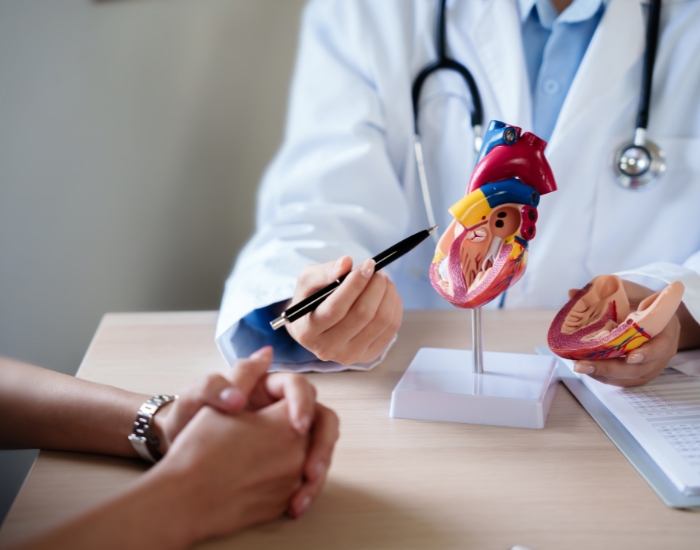
Why Is My Heart Racing Suddenly While Resting?
A sudden racing heartbeat while resting can happen for many reasons, including stress, anxiety, dehydration, caffeine, irregular heart rhythms, or underlying heart conditions. While some episodes are harmless, persistent or severe heart racing may indicate a condition that requires medical evaluation.
If your heartbeat feels unusually fast, irregular, pounding, or accompanied by dizziness, chest pain, or shortness of breath, it is important to seek medical attention promptly.

Notes:
In this blog, you will learn why your heart may suddenly race while resting, what symptoms could signal a heart rhythm problem, and when to see a cardiologist for testing and treatment.
Table of Contents
- Is It Normal for Your Heart to Race Suddenly?
- Common Causes of Sudden Heart Racing
- What Do Heart Palpitations Feel Like?
- When Is a Racing Heart Dangerous?
- Can Atrial Fibrillation Cause Heart Racing?
- How Doctors Diagnose Rapid Heartbeat
- Treatment for Sudden Heart Racing
- How to Prevent Episodes
- FAQs
Is It Normal for Your Heart to Race Suddenly?
Occasional increases in heart rate can happen naturally. Exercise, excitement, fear, caffeine, and stress may temporarily increase your heartbeat. However, sudden heart racing while resting without an obvious reason may need medical attention.
Most adults have a resting heart rate between 60 and 100 beats per minute. If your heart suddenly beats much faster while you are calm or inactive, it may feel alarming.
Many people describe this sensation as:
- Heart pounding
- Fluttering in the chest
- Skipped heartbeats
- Rapid thumping
- Irregular heartbeat
- Heart beating hard while lying down
These episodes may last seconds, minutes, or longer depending on the underlying cause.
What Causes a Sudden Racing Heart While Resting?
A fast heartbeat while resting can have many possible causes ranging from harmless triggers to serious cardiac rhythm disorders.
1. Stress and Anxiety
Stress hormones such as adrenaline can rapidly increase heart rate. Anxiety and panic attacks often trigger symptoms including:
- Rapid heartbeat
- Chest tightness
- Sweating
- Shortness of breath
- Dizziness
Even emotional stress or lack of sleep can cause temporary heart racing episodes.
2. Caffeine or Stimulants
Energy drinks, coffee, pre-workout supplements, and some medications may overstimulate the heart and trigger palpitations.
Common stimulants include:
- Caffeine
- Nicotine
- Cold medications
- Weight-loss supplements
- Energy drinks
3. Dehydration
Low fluid levels can reduce blood volume, forcing the heart to pump faster to maintain circulation.
Dehydration-related symptoms may include:
- Rapid heartbeat
- Fatigue
- Dizziness
- Dry mouth
- Weakness
4. Hormonal Changes
Hormonal fluctuations during pregnancy, menopause, or thyroid disorders can affect heart rhythm and cause sudden heart racing episodes.
5. Fever or Infection
When your body fights infection, heart rate naturally increases. Viral illnesses and fevers commonly cause temporary rapid heartbeat.
6. Heart Rhythm Disorders
Certain arrhythmias can cause the heart to beat too quickly or irregularly.
These include:
- Atrial fibrillation
- Atrial flutter
- Supraventricular tachycardia (SVT)
- Ventricular tachycardia
These conditions may require specialized cardiac treatment.

What Do Heart Palpitations Feel Like?
Heart palpitations are sensations where you become unusually aware of your heartbeat.
Patients often describe palpitations as:
- Racing heartbeat
- Fluttering in the chest
- Skipping beats
- Heart pounding hard
- Rapid heartbeat while lying down
- Thumping in the chest or throat
Palpitations may occur during activity or while resting quietly.
If symptoms occur frequently, visiting a specialist for
heart palpitations treatment in Sugar Land and Katy can help identify underlying rhythm abnormalities.
When Is a Racing Heart Dangerous?
Not all rapid heartbeat episodes are emergencies, but some symptoms require immediate medical evaluation.
Seek Emergency Care If You Have:
- Chest pain
- Shortness of breath
- Fainting
- Severe dizziness
- Blue lips or skin
- Confusion
- Rapid heartbeat lasting longer than several minutes
- Very irregular heartbeat
A dangerously fast heart rhythm can reduce blood flow to the brain and vital organs.
If symptoms feel severe or worsen suddenly, seek emergency care immediately.
Can Atrial Fibrillation Cause Sudden Heart Racing?
Yes. Atrial fibrillation (AFib) is one of the most common causes of irregular and rapid heartbeat episodes.
AFib occurs when the upper chambers of the heart beat chaotically instead of in a coordinated rhythm.
Symptoms may include:
- Fast irregular heartbeat
- Heart fluttering
- Shortness of breath
- Fatigue
- Dizziness
- Chest discomfort
Some AFib episodes come and go, while others persist continuously.
Without treatment, AFib may increase the risk of stroke, blood clots, and heart failure.
Patients experiencing irregular heartbeat symptoms may benefit from evaluation for
atrial fibrillation and atrial flutter treatment.
| Condition | Common Symptoms | Urgency Level |
|---|---|---|
| Anxiety | Rapid heartbeat, sweating, nervousness | Usually low |
| Dehydration | Fast pulse, dizziness, fatigue | Moderate |
| Atrial Fibrillation | Irregular heartbeat, fatigue, shortness of breath | High |
| SVT | Sudden rapid heartbeat episodes | Moderate to high |
Notes:
In this blog, you are learning that sudden heart racing may result from stress, dehydration, stimulants, or serious rhythm disorders like AFib. Persistent symptoms should always be medically evaluated.
How Do Doctors Diagnose Rapid Heartbeat Problems?
Diagnosing heart rhythm disorders often requires specialized cardiac testing.
Common Diagnostic Tests Include:
- Electrocardiogram (EKG)
- Holter monitor testing
- Event monitor testing
- Echocardiogram
- Stress testing
- Blood tests
Because some arrhythmias happen intermittently, wearable monitoring devices are extremely useful.
Holter Monitor Testing
A Holter monitor continuously records your heart rhythm for 24 to 48 hours while you perform daily activities.
This helps identify abnormal heart rhythms that may not appear during a brief office EKG.
Patients experiencing unexplained palpitations may benefit from
Holter monitor testing in Katy.
Event Monitor Testing
An event monitor is worn for a longer period and records heart rhythm during symptom episodes.
This test is especially useful when palpitations occur unpredictably.
Doctors may recommend
event monitor testing in Katy to capture intermittent arrhythmias.
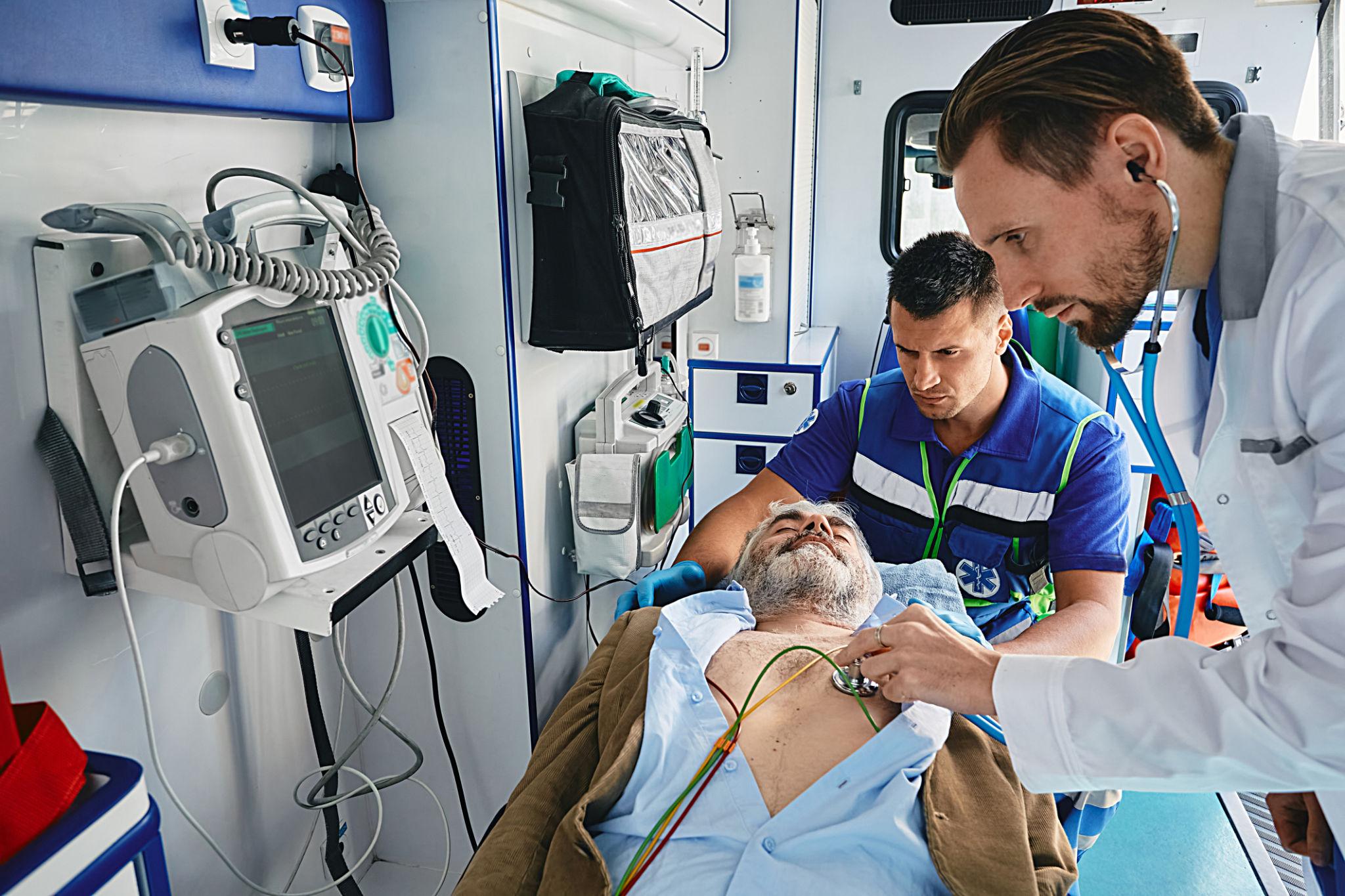
How Is Sudden Heart Racing Treated?
Treatment depends on the underlying cause of the rapid heartbeat.
Lifestyle Changes
- Reducing caffeine intake
- Managing stress
- Staying hydrated
- Improving sleep habits
- Avoiding nicotine
Medications
Doctors may prescribe medications to:
- Slow heart rate
- Control irregular rhythms
- Reduce blood pressure
- Prevent blood clots
Advanced Cardiac Procedures
Some patients with persistent arrhythmias may require:
- Catheter ablation
- Pacemaker implantation
- Electrical cardioversion
Early diagnosis often improves treatment outcomes significantly.
How Can You Prevent Episodes of Heart Racing?
Although not all episodes are preventable, healthy lifestyle habits may reduce the frequency of heart palpitations.
Heart-Healthy Prevention Tips
- Drink enough water daily
- Reduce caffeine and stimulants
- Exercise regularly
- Manage anxiety and stress
- Maintain healthy blood pressure
- Limit alcohol intake
- Get enough sleep
- Schedule regular cardiac checkups
Patients with recurring symptoms should not ignore sudden rapid heartbeat episodes, especially if symptoms worsen over time.
Why Early Cardiology Evaluation Matters
Many heart rhythm disorders begin with occasional mild symptoms before progressing into more serious cardiovascular problems.
Seeking early evaluation can help detect:
- Atrial fibrillation
- Electrical conduction abnormalities
- Structural heart disease
- Valve disorders
- Underlying cardiovascular risk factors
Advanced Cardiology provides comprehensive diagnostic testing and arrhythmia care for patients experiencing heart palpitations, rapid heartbeat, and irregular heart rhythms.
Their experienced cardiovascular team offers personalized treatment plans designed to improve heart rhythm stability and long-term cardiovascular health.
Frequently Asked Questions
Why does my heart suddenly race when I am resting?
Common causes include stress, caffeine, dehydration, anxiety, hormonal changes, or heart rhythm disorders such as atrial fibrillation.
Is a racing heart always dangerous?
Not always. Temporary episodes may be harmless, but persistent, severe, or irregular heartbeat should be evaluated by a cardiologist.
Can dehydration cause heart palpitations?
Yes. Dehydration may reduce blood volume and force the heart to beat faster to maintain circulation.
What does atrial fibrillation feel like?
AFib often causes irregular heartbeat, fluttering sensations, fatigue, dizziness, and shortness of breath.
Should I go to the ER for a rapid heartbeat?
Seek emergency care if rapid heartbeat is accompanied by chest pain, fainting, breathing difficulty, or severe dizziness.
What tests diagnose irregular heartbeat?
Doctors commonly use EKGs, Holter monitors, event monitors, echocardiograms, and blood tests to evaluate heart rhythm problems.
Schedule a Heart Rhythm Evaluation Today
Schedule a Heart Rhythm Evaluation Today
Advanced Cardiology provides comprehensive testing and treatment for patients experiencing heart palpitations, rapid heartbeat, and irregular heart rhythms.
- Experienced arrhythmia specialists
- Advanced cardiac rhythm testing
- Holter and event monitor evaluations
- Personalized treatment plans
- Convenient Katy and Sugar Land locations
Contact Advanced Cardiology today to schedule a professional heart rhythm assessment and protect your cardiovascular health.
Final Thoughts
A sudden racing heartbeat while resting can feel frightening, but identifying the underlying cause is the first step toward effective treatment.
While some episodes result from stress, caffeine, or dehydration, others may indicate serious arrhythmias requiring medical care.
If your symptoms are frequent, worsening, or associated with chest pain, dizziness, or shortness of breath, seeking prompt cardiology evaluation is essential.
Disclaimer
This content is for educational purposes only and should not replace professional medical advice, diagnosis, or treatment. If you are experiencing severe symptoms or a medical emergency, seek immediate emergency care.